

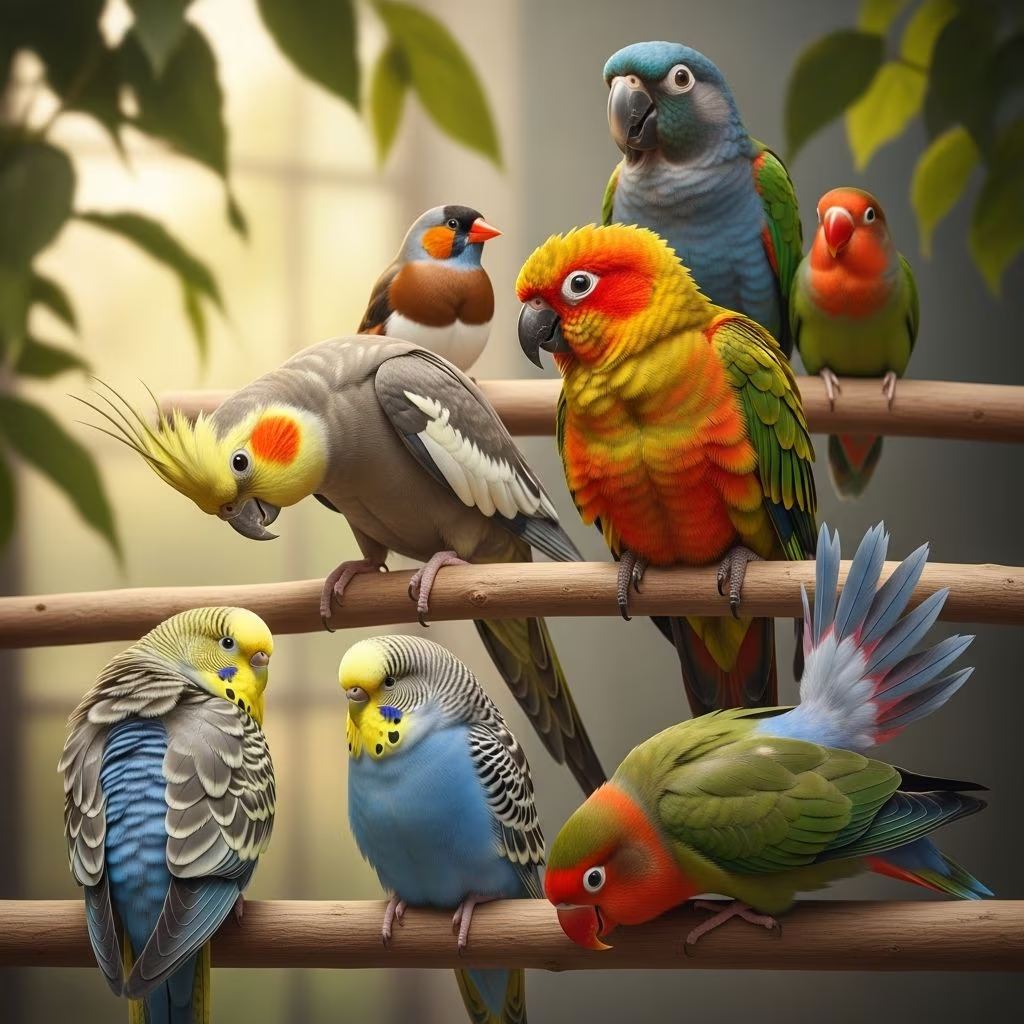
Bird Body Language 101: Understanding Your Feathered Friend
As a bird owner, one of the most rewarding aspects of pet ownership is developing a deep connection with your feathered companion. However, unlike dogs or cats, birds communicate through a complex system of body language, vocalizations, and behavioral cues that can be challenging to interpret. Understanding bird body language is essential for providing appropriate care, recognizing signs of stress or illness, and building trust with your pet. This comprehensive guide will help you decode what your bird is trying to tell you through its physical movements and sounds.
Why Understanding Bird Body Language Matters
Birds are highly expressive animals that use their entire bodies to communicate their emotional state, needs, and intentions. Whether your bird is content, fearful, aggressive, or seeking interaction, subtle (and sometimes not-so-subtle) signals are being sent your way. By learning to recognize these signals, you can respond appropriately to your bird’s needs, prevent potential injuries from aggressive behavior, and identify health issues early. A bird that appears calm may actually be stressed, while another displaying seemingly aggressive behavior might simply be seeking attention or protecting territory.
The key to accurate interpretation is understanding that bird body language rarely consists of single indicators. Instead, multiple signals work together to communicate meaning. A dilated pupil combined with raised feathers and hissing conveys a very different message than a dilated pupil accompanied by relaxed feathers and gentle vocalizations.
Feather Position: The Window to Your Bird’s Mood
Feather position is perhaps the most obvious and reliable indicator of your bird’s emotional state. When birds are relaxed and content, their feathers lie smoothly against their body with just a bit of air trapped in them, creating a slightly fluffy appearance. This is the feather position you want to see most often in your pet.
Conversely, when a bird is frightened or threatened, its feathers will slick down tightly against the body, making the bird appear smaller and more streamlined. This is an instinctive response designed to make the bird less conspicuous to potential threats. If you notice your bird maintaining this posture for extended periods, it may indicate chronic stress or fear that needs to be addressed.
When a bird fluffs its feathers significantly, with visible puffing on the chest and body, this can indicate either contentment or a health concern. A cold bird will fluff its feathers to trap warm air, as will a bird that is beginning to show signs of illness. Observing whether your bird is in a warm environment can help you distinguish between these possibilities. If your bird appears sick, consult an avian veterinarian promptly.
Head feather position also communicates important information. Many bird species, particularly cockatoos and cockatiels with crests, use crest position as a clear indicator of their emotional state. A relaxed bird typically holds its crest back with just the tip tilted upward. When excited or happy, the bird will raise its crest partially or fully. However, when held extremely high or flattened against the head while crouching, the crest signals fear, aggression, or alarm.
Eye Signals and Pupil Behavior
A bird’s eyes reveal tremendous insight into its emotional state. The pupils in particular can communicate several different messages depending on accompanying body language. Flashing or dilating pupils—often called “pinning”—can indicate aggression, excitement, nervousness, pleasure, or strong interest. To determine which emotion your bird is experiencing, you must observe the context and accompanying behaviors.
When pupil dilation is paired with raised feathers on the back of the neck, tail fanning, hissing, or a crouch stance, the message is clear: “Back off!” This is a warning that your bird feels threatened and may bite if approached. Continuing to advance toward a bird displaying these aggressive signals will almost certainly result in a painful bite.
In contrast, pupil dilation accompanied by a relaxed body posture, soft vocalizations, or gentle head movements indicates positive excitement or pleasure. Your bird may be happy to see you, thrilled about a new toy, or anticipating a favorite treat.
Eye contact and focus also matter. A bird that cranks its neck to see activities around it while keeping its body still and widening its eyes is simply curious and trying to gather information about its environment. This is normal, exploratory behavior.
Tail Movements and Their Meanings
A bird’s tail is highly expressive and serves multiple communicative functions. Tail flipping—quick, rhythmic movements of the tail feathers—is generally a sign of happiness and contentment. You’ll observe this behavior when your bird is pleased to see you, playing with a favorite toy, or receiving a treat.
Tail bobbing is different from tail flipping and requires careful interpretation. When tail bobbing occurs immediately after strenuous exercise or physical activity, accompanied by rapid breathing, it simply means your bird is catching its breath and recovering from exertion. However, if your bird is bobbing its tail and breathing heavily without having engaged in any activity, this can indicate respiratory distress or infection and warrants a veterinary visit.
A fanned or flared tail is a distinct warning signal. When combined with other aggressive posturing, this indicates your bird is defending territory, protecting possessions, or warning you not to approach. This behavior often accompanies displays of territorial aggression or mating behavior.
Understanding Wing Positions and Movements
Wing position and movement provide valuable clues about your bird’s intentions and emotional state. Quivering or trembling wings typically indicate fear, nervousness, uncertainty, or distrust. If you observe this behavior, approach your bird slowly and speak in soft, reassuring tones before attempting contact.
Wing extension can mean different things depending on context. A bird that leans forward and flutters its wings may appear to be preparing for flight, but fully flighted birds display this behavior even when they have no intention of flying. This can be a stretching movement, a display behavior, or simply an exploratory gesture.
Full wing display, with wings extended outward and held away from the body, is typically associated with territorial displays or mating behavior. This is often accompanied by raised head feathers, tail fanning, a distinctive strutting walk, and sometimes loud vocalizations. Birds in this state should not be handled, as they are highly likely to bite.
Vocalizations: What Your Bird’s Sounds Mean
Birds communicate extensively through vocalizations, and learning to interpret these sounds is crucial for understanding your pet. Singing, talking, and whistling are generally positive vocalizations that indicate contentment. A bird that sings regularly is typically a happy bird.
Tongue clicking—rapid clicking of the tongue against the beak—is an invitational behavior, particularly common in cockatiels and cockatoos. This sound generally means, “I want to be friendly and won’t hurt you,” and often signals that your bird wants to be petted or picked up.
Growling, on the other hand, is an aggressive vocalization not heard in all bird species but clearly indicating that your bird does not want to be approached or handled. Growling is sometimes accompanied by dilated pupils and raised feathers on the back of the neck. If your bird is growling, retreat and allow the bird to calm down before attempting contact.
Purring, which sounds similar to growling but is distinctly different, typically indicates contentment. Unlike growling, purring is usually not accompanied by dilated pupils, and the bird’s body remains relaxed with fluffed feathers.
Beak clicking is a sharp, consistent clicking sound that differs from tongue clicking. This vocalization indicates that your bird feels threatened or is protecting a particular object or space. It often accompanies neck stretching and foot raising and signals territorial defense.
Body Postures That Signal Specific Messages
Overall body posture provides context for all other signals your bird is sending. Several distinct postures have specific meanings that are important to recognize.
Relaxed Posture
A truly relaxed bird has a calm body with feathers lying smoothly, head in a natural position, and soft eye expression. The bird appears comfortable in its environment and open to gentle interaction.
Attention Posture
When a bird holds its head and body at attention but remains relaxed, it is simply being observant and alert—this is normal, healthy behavior. However, when the body becomes rigid and feathers are flared while at attention, the bird is communicating territorial ownership and warning others to keep their distance.
Bowing and Requesting Interaction
When a bird crouches with its head tipped downward toward you and bobs its head gently, it is requesting to be petted or scratched. This is a positive signal indicating trust and desire for interaction. Many birds will also fluff their head feathers when seeking scratches, making this inviting gesture even more obvious.
Crouch Stance and Aggression
The aggressive crouch is unmistakable and should always be taken seriously. A bird displaying this posture has its head down and pointed forward, tail feathers flared, body feathers ruffled (or “hackled”), and visible pupil dilation. This stance communicates, “I am big, mean, and mad; if you come any closer I will bite you!” Do not approach a bird in this posture under any circumstances.
If this aggressive posture is accompanied by an urgent, forward walk toward you, weaving side to side, the situation is escalating. Retreat and create distance until the bird has time to calm down. Additional signs of aggression may include hissing and a raised crest.
Display Posture
Display posture is characterized by ruffled head feathers, fanned tail, fully extended wings, and a distinctive strutting walk. This behavior is easily identifiable in Amazons and cockatoos and is sometimes accompanied by dilated pupils, head bobbing, and loud vocalizations. Display postures are usually prompted by attempts to attract a mate or as a show of territoriality. Handle a bird in this state only if absolutely necessary, as severe bites are likely.
Species-Specific Considerations
While general principles of bird body language apply across species, different bird species may have unique signals or emphasize certain behaviors differently. Cockatoos and cockatiels, with their prominent crests, use crest position as a primary communication tool. Amazons and larger parrots may display more dramatic wing and body movements during displays. Smaller finches and canaries may be less expressive but still communicate through subtle feather and postural changes.
Learning the specific characteristics of your bird’s species will help you become more proficient at reading its signals. Spend time observing your bird’s baseline behavior when content and calm, then you’ll more easily recognize deviations that indicate stress or illness.
Context Matters: Environmental Awareness
Accurately interpreting bird body language requires understanding what’s happening in your bird’s environment. A bird exhibiting stress signals after a loud noise, sudden movement, or introduction of a new person or animal is responding to a specific stressor. Once the stressor is removed and the bird has time to calm down, these signals should subside.
If your bird displays stress behaviors or aggression without an obvious environmental cause, there may be an underlying health issue or chronic stress that needs to be addressed. Sudden behavior changes always warrant attention and potentially a veterinary evaluation.
Building Your Bird Reading Skills
Becoming proficient at reading bird body language takes practice and patience. Focus intently on your bird, ignoring nearby distractions. Closely observe and ask yourself, “What is my bird trying to tell me?” Be open-minded about behaviors—what may seem obvious might have a different meaning than you initially assume. For example, body language can be confusing, and it’s easy to misinterpret signals, particularly when dealing with multiple simultaneous behaviors.
Keep detailed notes about your bird’s behaviors and the circumstances surrounding them. Over time, patterns will emerge that help you predict your bird’s needs and prevent behavioral problems before they start.
Frequently Asked Questions About Bird Body Language
Q: What does it mean when my bird fluffs up its feathers?
A: Fluffed feathers can indicate several things: contentment and relaxation, an attempt to warm up when cold, or early signs of illness. Observe your bird’s environment and overall behavior to determine which applies. If accompanied by lethargy or other signs of illness, contact an avian veterinarian.
Q: Is it safe to handle a bird with dilated pupils?
A: Dilated pupils alone aren’t necessarily a warning sign. Look at accompanying body language. If paired with raised feathers, tail fanning, hissing, or crouching, the bird is warning you to stay back. If paired with relaxed posture and soft vocalizations, the bird may simply be excited or pleased.
Q: Why is my bird biting when I try to pet it?
A: Your bird may be displaying aggression signals you’re not recognizing. Watch for warning signs like beak clicking, growling, feather fluffing, or crouch stances. Stop approaching before these signals escalate. Your bird may also bite if it’s in pain, fearful, or protecting eggs or territory.
Q: How can I tell if my bird is sick versus just grumpy?
A: Sick birds may fluff feathers to conserve warmth, exhibit tail bobbing with rapid breathing without activity, show changes in vocalization, or display lethargy. These signs warrant veterinary attention. Grumpy birds typically show clear aggression signals but are otherwise alert and active.
Q: What should I do if my bird is displaying aggressive postures?
A: Create distance immediately. Don’t attempt to handle or approach the bird. Allow time for the bird to calm down. Once calm, consider what may have triggered the aggression and work to remove or manage that stressor in the future.
Q: Does tail flipping always mean my bird is happy?
A: Tail flipping is generally a positive sign indicating happiness and contentment. However, always consider the full context of your bird’s body language and behavior to ensure accurate interpretation.
References
- Reading Bird Body Language — Mickaboo Companion Bird Rescue. Accessed November 28, 2025. https://mickaboo.org/resources/reading-bird-body-language
- Reading Parrot Body Language: An Essential Skill — Pamela Clark. April 24, 2018. https://pamelaclarkonline.com/2018/04/24/reading-parrot-body-language-an-essential-skill/
- Bird Body Language — The Parrot Club Community. Accessed November 28, 2025. https://theparrotclub.co.uk/community/index.php?threads/bird-body-language.927/
- Understanding Your Bird’s Body Language — Avian Enrichment. Accessed November 28, 2025. https://avianenrichment.com/index.php/learn/emotional-needs/social-interaction/understand-bird-body-language



