
Bird Blood Loss and Hemorrhage: Causes, Signs, and Emergency Treatment
Essential guide to understanding avian bleeding, blood loss complications, and emergency veterinary response.
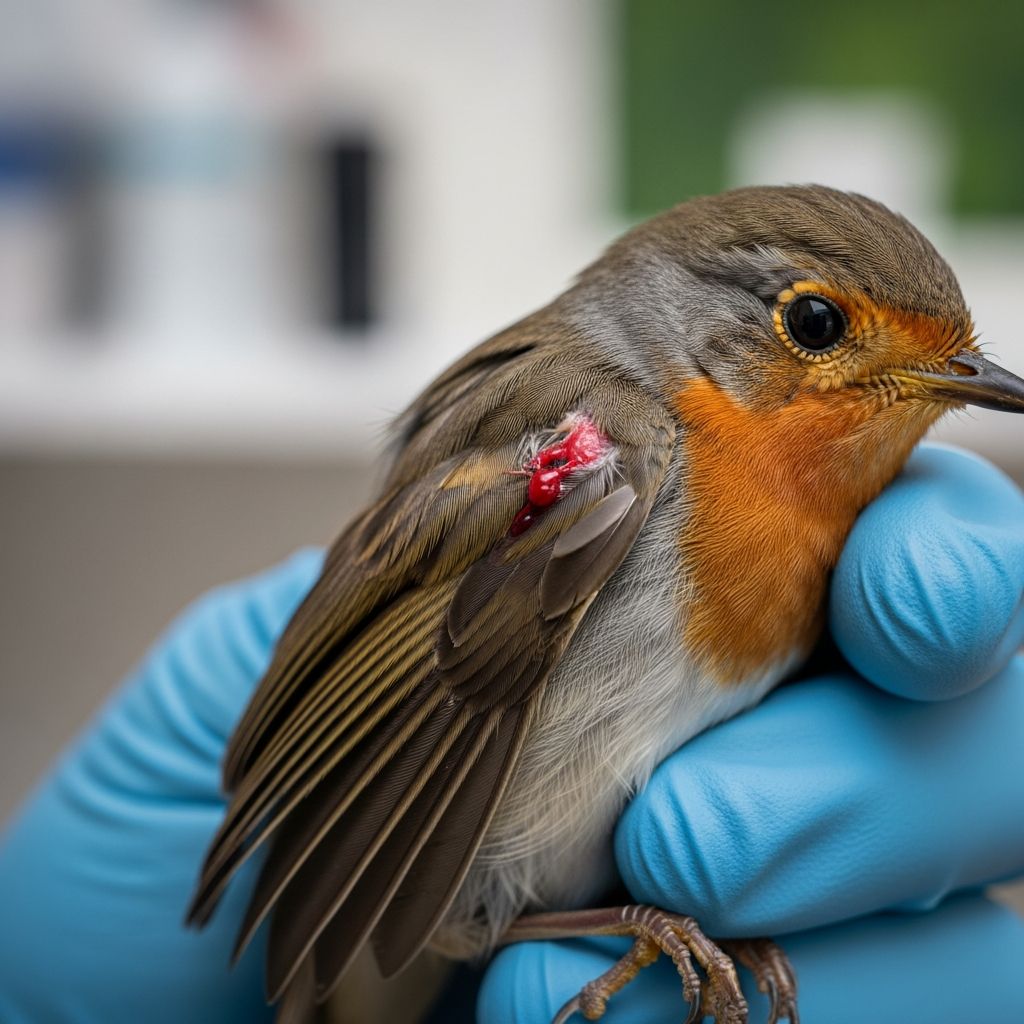
Understanding Bird Blood Loss and Hemorrhage
Bleeding and blood loss represent one of the most alarming emergencies bird owners may encounter. The sight of blood creates immediate concern, and rightfully so—understanding the causes, recognition of warning signs, and appropriate first aid responses can mean the difference between recovery and tragedy. Unlike mammals, birds have unique physiological responses to blood loss, making it essential for owners to understand avian-specific emergency care protocols.
Hemorrhage in birds may result from numerous causes including trauma, infectious disease, metabolic and nutritional deficiencies, and neoplasia. Trauma is the most common cause of hemorrhage in pet birds. The critical factor determining survival is not necessarily the total volume lost, but the rate at which blood is lost from the circulation. Losing 20% to 25% of blood volume over several minutes may be fatal, whereas the same volume lost over several hours may not be life-threatening.
Common Causes of Bleeding in Birds
Bird owners should be aware of the various circumstances that can lead to bleeding incidents. Understanding these causes enables better prevention strategies and faster response times during emergencies.
Traumatic Injuries
Accidents represent the primary source of bird bleeding. Common traumatic causes include collisions with windows, ceiling fans, or mirrors, impacts with toys or cage structures, and blunt force trauma from falls. These injuries may range from minor superficial cuts to severe internal hemorrhaging depending on the force and location of impact.
Feather-Related Bleeding
Blood feathers, also known as pin feathers, contain active blood supply and can bleed profusely when damaged or broken. These developing feathers are particularly vulnerable during molting periods. Feather picking, self-mutilation behaviors driven by stress or poor nutrition, and accidental feather damage from cage hardware can all result in significant bleeding from these sensitive structures.
Veterinary and Environmental Causes
Additional bleeding sources include fights with other birds, resulting in beak or toe injuries; predator or pet attacks from household animals; nail injuries; and wounds from sharp cage elements or toys. Internal bleeding can occur from gastrointestinal lesions, genitourinary bleeding, infections, and metabolic disorders affecting blood clotting.
Recognizing the Signs of Blood Loss
Early recognition of bleeding or blood loss symptoms allows for rapid intervention. Bird owners should understand both generalized and location-specific clinical indicators.
General Clinical Signs
Generalized clinical signs of blood loss include pallor of the skin, nails, and mucous membranes, delayed capillary refill time, and increased cardiac and respiratory rates. Birds experiencing significant blood loss often appear weak and may exhibit fear or anxiety. Severe blood loss manifests as dyspnea (difficulty breathing), especially when the bird is restrained or stressed. Peripheral veins may appear thin or collapsed as blood volume decreases, and the overall appearance becomes gaunt.
Location-Specific Signs
More specific signs depend on hemorrhage location. External bleeding is visually apparent, while internal bleeding may present differently. Bruising, abdominal distention, and discoloration of the abdomen suggest internal hemorrhaging. Coolness of isolated limbs indicates compromised circulation to those areas. Blood in droppings, bleeding from the nares (nostrils), mouth, ears, or vent area are signs of internal bleeding requiring immediate attention.
Understanding Bird Physiology and Blood Loss Tolerance
Birds possess smaller absolute blood volumes compared to mammals of similar size, making even modest blood loss more significant proportionally. However, with appropriate supportive veterinary care, a healthy bird can tolerate loss of up to 50% of its blood volume. This remarkable resilience depends entirely on the rate of loss and the promptness of medical intervention.
The difference between survival and death often hinges on how quickly the bird receives appropriate treatment. Rapid blood loss causes hypovolemic shock—a life-threatening condition where insufficient blood volume prevents adequate oxygen delivery to vital organs. The bird’s compensatory mechanisms, including increased heart and breathing rates, can only maintain vital organ perfusion for a limited time before complete cardiovascular collapse occurs.
Risks and Complications of Untreated Bleeding
Failure to address bird bleeding promptly can result in multiple serious complications:
- Shock: Rapid blood loss causes hypovolemic shock, manifesting as weakness, rapid breathing, lethargy, and potential loss of consciousness
- Anemia: Continued or repeated bleeding results in anemia, weakening the bird and increasing susceptibility to secondary illnesses
- Infection: Open wounds are vulnerable to bacterial contamination, leading to localized or systemic infections
- Organ Damage: Inadequate perfusion from blood loss causes damage to critical organs, particularly the kidneys and central nervous system
- Death: In severe cases, untreated blood loss is fatal, making immediate action essential
Emergency First Aid for Bleeding Birds
When a bird owner discovers bleeding, maintaining calm and acting systematically provides the best outcome. The following three-step approach guides initial emergency response.
Step One: Calm Yourself and Your Bird
Panic transfers to the bird, increasing stress and heart rate, which can worsen bleeding. Take a deep breath, speak in quiet tones, and handle the bird gently to minimize additional trauma and stress-induced hemorrhaging.
Step Two: Identify Bleeding Location
Determine whether the bleeding is external or internal. External bleeding is visible on the skin or feathers. Internal bleeding manifests through blood in the mouth, nares, ears, or vent area. The location determines appropriate first aid responses and urgency level.
Step Three: Determine Cause and Extent
Assess the source of bleeding and the severity of injury. Evaluate whether first aid can stop bleeding or if immediate veterinary attention is necessary. This assessment guides your next actions and communication with your veterinarian.
Treatment for External Injuries
External bleeding, particularly from broken blood feathers or small lesions, can often be managed with appropriate first aid.
- Place the bird in a clean hospital cage to minimize movement and facilitate observation
- Allow at least one hour of observation, as re-injury is possible if the bird moves excessively
- If bleeding continues beyond five minutes, apply bird-safe styptic powder and gentle pressure for one to two minutes
- Once bleeding stops, continue observation for at least one hour to ensure normal eating, drinking, and movement
- Keep the bird warm in a quiet environment, allowing complete rest
- Monitor the injury site regularly for signs of infection or renewed bleeding
Veterinary Treatment Approaches
When veterinary care is required, treatment protocols address both immediate hemorrhage control and underlying causes.
Fluid Therapy and Hemodynamic Support
Fluid replacement represents a cornerstone of avian hemorrhage treatment. For birds in hypovolemic shock, initial intravenous infusion rates of up to 90 ml/kg/hr have been suggested. As perfusion improves, the infusion rate is adjusted downward to a maintenance level of approximately 10 ml/kg/hr. Subcutaneous fluids can be administered at 50 to 100 ml/kg delivered into multiple sites as needed. Volume replacement with crystalloid solutions (such as lactated Ringer’s solution) or colloid solutions is typically sufficient for treating many cases of acute blood loss.
Blood Transfusions and Oxygen-Carrying Solutions
Research indicates that blood transfusions may offer limited benefit in acute avian blood loss. Studies show that heterologous transfusions have red blood cell survival times of only 12 hours, while homologous transfusions survive approximately 7.1 days. Birds receiving fluid replacement alone recovered from anemia as quickly as or more rapidly than those receiving transfusions. However, for severe acute blood loss, products such as polymerized bovine hemoglobin solution may prove helpful.
Addressing Underlying Causes
Veterinary treatment must identify and address the cause of bleeding. Gastrointestinal bleeding from lesions, gastritis, enteritis, ulcers, or foreign bodies requires specific interventions. Infectious diseases necessitate appropriate antimicrobial therapy. Metabolic or nutritional causes demand dietary adjustments and supplementation. Coagulopathies (clotting disorders) may require Vitamin K supplementation or fresh whole blood transfusions in critical cases.
Managing Anemia in Bleeding Birds
When blood loss results in anemia, veterinary evaluation determines the cause, degree of blood loss, and whether new red blood cells are being produced appropriately. Diagnostic approaches include examining droppings for evidence of gastrointestinal bleeding—hematochezia (red blood in stool) indicates lower GI tract lesions, while melena (black tar-like digested blood) suggests gastritis, enteritis, or upper GI ulceration. Blood work evaluates red cell production and identifies coagulopathies or hepatic disease. Treatment addresses the underlying cause while supporting the bird’s recovery through nutrition and rest.
Comparison of Common Bleeding Scenarios
| Bleeding Cause | Typical Presentation | First Aid Response | Veterinary Care Timeline |
|---|---|---|---|
| Broken Blood Feather | Bright red bleeding from feather follicle | Apply styptic powder, gentle pressure | If bleeding continues beyond 5 minutes, contact vet |
| Minor Trauma/Cut | Visible wound, active bleeding | Stop bleeding with styptic powder | Contact vet if bleeding doesn’t stop or wound is deep |
| Internal Injury | Blood in mouth, nares, or vent | Minimize handling, quiet environment | Immediate emergency veterinary care required |
| Predator Attack | Multiple wounds, severe trauma | Stabilize bird, minimal handling | Emergency care needed immediately |
Prevention Strategies for Bird Owners
Many bleeding incidents can be prevented through environmental management and proper bird care. Minimize collision hazards by marking windows and removing or securing ceiling fans. Provide safe toys without sharp edges and ensure cage hardware is smooth and secure. Address behavioral issues like feather picking through enrichment and stress reduction. Maintain proper nutrition with high-quality pellets and appropriate supplements. Schedule regular veterinary wellness exams to identify underlying health conditions early.
When to Seek Immediate Veterinary Care
Certain bleeding scenarios demand immediate professional intervention. Contact an avian veterinarian or emergency clinic if your bird exhibits: ongoing bleeding from any location lasting more than 5 minutes, blood in droppings or respiratory secretions, visible internal injuries, severe trauma, signs of shock (extreme weakness, unresponsiveness), or if you’re uncertain about bleeding severity. Never pull a broken blood feather yourself, as this can worsen bleeding. When in doubt, err on the side of caution and seek veterinary evaluation.
Frequently Asked Questions
Q: How much blood can a bird lose and still survive?
A: A healthy bird can lose up to 50% of its blood volume with supportive veterinary care. However, the survival rate depends greatly on how quickly treatment begins. Losing 20-25% of blood volume rapidly may be fatal, while the same volume lost slowly may not be.
Q: What should I do if my bird has a broken blood feather?
A: Place the bird in a quiet, warm environment to minimize stress. Apply bird-safe styptic powder and gentle pressure if bleeding continues beyond 5 minutes. Do not pull the feather yourself. If bleeding doesn’t stop within 2-3 minutes, contact an avian veterinarian.
Q: Can birds recover from significant blood loss?
A: Yes, with proper veterinary care including fluid therapy and supportive treatment, birds can recover from significant blood loss. Recovery depends on prompt treatment initiation and addressing underlying causes.
Q: What are signs of internal bleeding in birds?
A: Signs include blood in the mouth, nares (nostrils), ears, or vent area; abdominal distention or discoloration; and blood in droppings. These require immediate veterinary attention.
Q: How long should I observe a bleeding bird?
A: Observe the bird for at least one hour after bleeding stops to ensure it resumes normal eating, drinking, and movement. Re-injury is possible during this observation period.
References
- Common Avian Emergencies: Bleeding and Blood Loss — Avian and Exotic Animal Hospital. https://www.drexotic.com/common-avian-emergencies/
- Supportive Care and Emergency Therapy — Harrison’s Bird Foods. 2024-03. https://www.harrisonsbirdfoods.com/education/supportive-care-emergency-therapy/
- 3 Step Bird First Aid Guide for Bleeding Birds — BirdSupplies.com. https://birdsupplies.com/blogs/news/152942023-3-treatment-tips-for-a-bleeding-bird
- Stabilizing Companion Birds in an Emergency — DVM360. https://www.dvm360.com/view/stabilizing-companion-birds-emergency
- Blood Feathers in Birds — VCA Animal Hospitals. https://vcahospitals.com/know-your-pet/pin-or-blood-feathers-in-birds
- Injuries and Accidents of Pet Birds — Merck Veterinary Manual. https://www.merckvetmanual.com/bird-owners/disorders-and-diseases-of-birds/injuries-and-accidents-of-pet-birds
Similar Articles








Read full bio of Sneha Tete


