

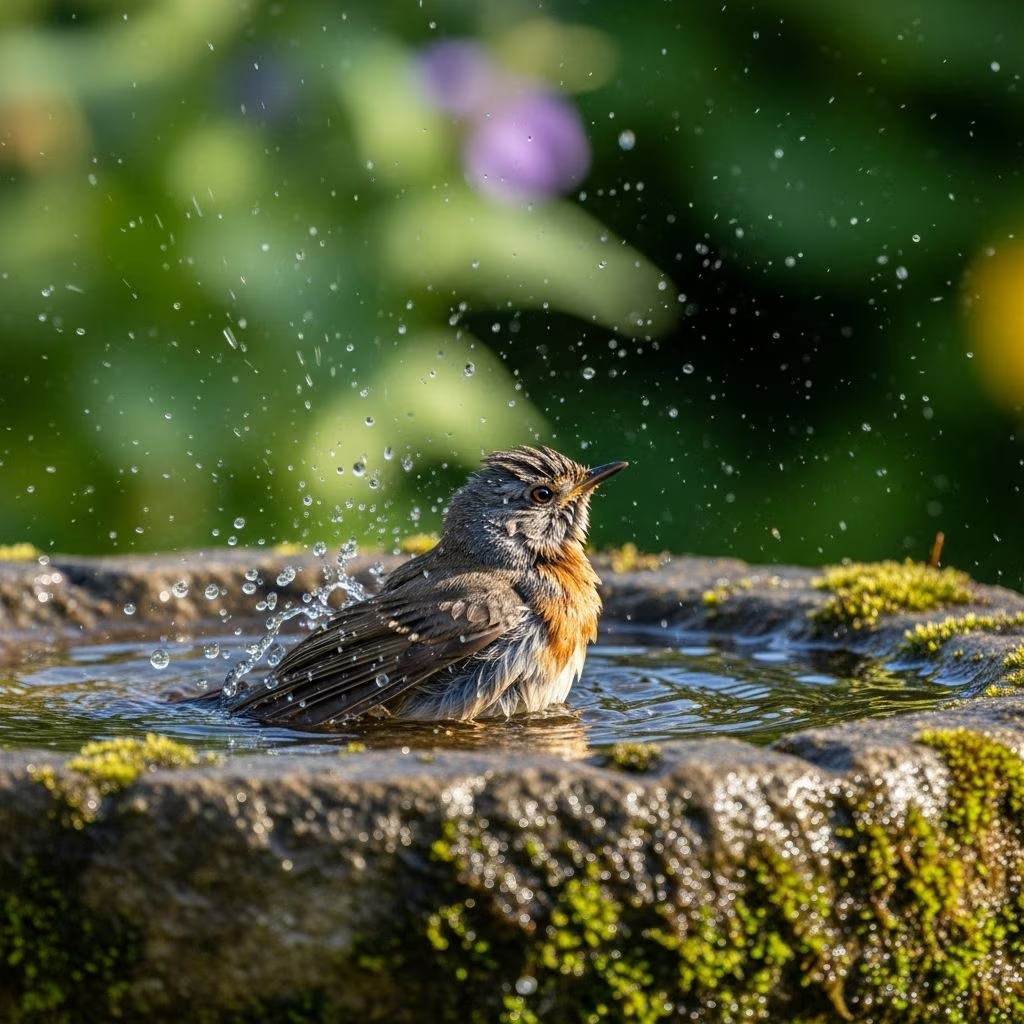
Bird Bathing: A Comprehensive Guide to Feather Care and Wellness
Bird bathing is far more than a simple refreshing dip—it’s an essential component of avian health and wellbeing. Whether you’re a bird owner, enthusiast, or wildlife supporter, understanding the importance of bathing for birds provides valuable insight into their daily care routines and behavioral patterns. This comprehensive guide explores why birds bathe, the benefits of regular bathing, different bathing methods, and how you can support this vital natural behavior in both pet and wild birds.
Why Birds Bathe: Understanding the Fundamentals
Birds engage in bathing behavior for several critical reasons that extend beyond simple cleanliness. Unlike mammals that rely on sweat glands for thermoregulation, birds have evolved different mechanisms to maintain optimal body temperature and overall health. Bathing serves multiple biological and behavioral functions that are essential for survival and thriving in various environments.
The primary reasons birds bathe include temperature regulation, feather maintenance, parasite removal, and stress relief. Each of these functions plays a significant role in the bird’s daily physiological needs and quality of life. Understanding these motivations helps bird owners and enthusiasts appreciate the complexity of avian behavior and the importance of providing adequate bathing opportunities.
Temperature Regulation and Cooling
One of the most critical reasons birds bathe is to manage their body temperature, particularly during hot weather. Birds lack sweat glands, the primary cooling mechanism in mammals, which means they must rely on alternative methods to prevent overheating. Water serves as an efficient cooling agent for avian species. When birds immerse themselves in water, the liquid absorbs heat from their bodies through evaporation, similar to how perspiration cools humans on a hot day.
During summer months or in warm climates, birds may bathe multiple times daily to maintain optimal body temperature. This is especially true for smaller bird species, which have higher surface-to-body ratios and therefore lose heat and water more rapidly than larger birds. Providing access to fresh water for bathing becomes increasingly important during periods of intense heat, as birds that cannot cool themselves adequately face serious health risks including heat stress and potential mortality.
The significance of temperature regulation through bathing extends to nesting season, when parent birds work tirelessly to feed and care for their young. During hot days, brief bathing sessions allow parent birds to cool off efficiently before returning to the nest, reducing the time their chicks spend unattended and vulnerable.
Feather Maintenance and Waterproofing
Feathers are among a bird’s most valuable assets, serving essential functions in flight, insulation, and waterproofing. Unlike mammalian hair that continuously grows and regenerates, feathers are replaced on a specific schedule—typically once or twice annually during molting periods. Between molts, birds must maintain their existing feathers meticulously to ensure proper function and protection.
Water is instrumental in feather care and maintenance. Regular bathing helps birds clean their plumage, removing dust, debris, and environmental contaminants that accumulate on feather surfaces. When birds splash and dip in water, they’re actively working to separate and realign their feather barbs, which are microscopic hair-like structures that hook together to create the smooth, waterproof surface necessary for flight.
Birds produce a special oil called preening oil from their preen gland, located near the tail. During preening—the grooming process that typically follows bathing—birds distribute this oil throughout their feathers. This natural waterproofing agent is essential for maintaining feather integrity, preventing water from soaking through to the bird’s skin, and ensuring that feathers remain flexible and functional. Without regular bathing and subsequent preening, feathers become matted, lose their waterproofing properties, and eventually deteriorate in quality.
Parasite and Contaminant Removal
Bathing serves a crucial hygiene function by removing parasites, bacteria, and other harmful organisms from a bird’s plumage. Regular water immersion helps dislodge mites, lice, and other external parasites that can compromise feather quality and cause discomfort or disease. Additionally, bathing removes accumulated dust, loose feathers, and various debris that can harbor bacteria or fungi.
For wild birds, access to clean water for bathing becomes particularly important in environments where parasites and pathogens are prevalent. Regular bathing helps birds maintain their health by reducing parasite loads and decreasing the risk of infection from contaminated plumage. This preventive health benefit extends the bird’s lifespan and improves overall quality of life.
Behavioral and Stress Relief Benefits
Beyond the physiological benefits, bathing provides significant psychological and behavioral advantages for birds. The act of bathing appears to be inherently enjoyable for most bird species, serving as a form of enrichment and stress relief. Birds often bathe repeatedly throughout the day, especially during warm weather, suggesting that the behavior provides both necessary biological functions and pleasurable sensations.
For captive birds, access to bathing opportunities supports mental wellbeing and natural behavior expression. The ability to engage in this instinctive behavior contributes to overall happiness and can reduce stress-related behavioral issues. Wild birds similarly benefit from the psychological aspects of bathing, which may contribute to social bonding and behavioral patterns within flocks.
Different Methods of Bird Bathing
Birds bathe in various ways depending on their species, size, and available water sources. Understanding these different methods helps bird owners and enthusiasts provide appropriate bathing opportunities.
Traditional Shallow Basin Bathing
The most common bathing method involves birds wading and splashing in shallow water basins, such as traditional bird baths or shallow dishes. This method allows birds to gradually immerse themselves, splash water over their bodies, and dip their heads to thoroughly wet their plumage. The shallow depth is crucial—water should be no more than three inches deep, with a gradual tapering to accommodate birds of various sizes. Because birds have hollow bones that make them naturally buoyant, they must actively splash and dive to achieve proper water contact with their skin and feathers.
Misting and Spray Bathing
Many birds, particularly smaller species and tropical birds, enjoy bathing through misting or spray methods. A fine mist of water simulates natural rainfall and encourages birds to spread their wings, shake their bodies, and actively bathe. This method can be delivered through spray bottles, garden misters, or specialized avian misting systems. Misting provides a gentle alternative to basin bathing and is often preferred by birds that are hesitant about full immersion.
Fountain and Moving Water Features
Moving water features such as fountains, birdbaths with fountains, or small water streams attract many bird species and encourage bathing behavior. The sound and movement of water naturally draw birds to the feature, and the flowing water stays fresher than standing water, potentially requiring less frequent cleaning. Moving water also adds an aesthetic and auditory dimension that enhances the overall experience for both birds and observers.
Natural Water Source Bathing
Wild birds utilize natural water sources including ponds, streams, puddles, and rain for bathing. Some birds may also bathe in morning dew on vegetation or use dust bathing as an alternative grooming method, particularly in arid environments. Understanding these natural behaviors informs how we can best support wild bird populations.
Creating the Ideal Bathing Environment
Whether supporting pet birds or attracting wild birds to your yard, several factors contribute to creating an attractive and healthy bathing environment.
Water Quality and Cleanliness
Fresh, clean water is absolutely essential for safe and effective bird bathing. Water should be changed daily or every other day to prevent bacterial growth, algae accumulation, and mosquito breeding. Stagnant water can harbor harmful pathogens, including mosquito species that carry West Nile virus—a serious threat to bird populations. Regular water changes significantly reduce these health risks while also making the bathing area more appealing to birds.
Beyond changing water, the bathing basin should be scrubbed regularly to remove algae, droppings, and accumulated dirt. Even with daily water changes, microscopic organisms and biofilms can develop on basin surfaces. A thorough cleaning every few days ensures the most hygienic environment for your feathered visitors.
Water Temperature and Depth
Water temperature affects bathing behavior and comfort. Most birds prefer room-temperature or slightly warm water, though this preference varies by species and climate. In cold climates, slightly warmed water may encourage bathing during cooler months, supporting birds’ thermoregulation needs.
Proper water depth is equally important. Water should be deep enough for birds to wade and splash effectively—ideally between two and three inches at the deepest point—but not so deep that birds cannot safely stand and control their immersion. A sloped or tapered basin allows birds of various sizes to find appropriate depths while minimizing drowning risk.
Placement and Safety Considerations
Bathing areas should be positioned in locations where birds feel secure while remaining vulnerable to predators. Elevated bird baths provide safety advantages compared to ground-level water dishes by allowing birds to see approaching threats and escape if necessary. However, placement should also consider proximity to shelter—birds appreciate having nearby branches or vegetation where they can retreat if disturbed.
Avoid placing bird baths in areas exposed to pesticides or other chemical contaminants. Proximity to windows should also be carefully considered to prevent collision injuries as birds approach or depart the bathing area.
Species-Specific Bathing Preferences
Different bird species exhibit varying bathing behaviors and preferences. Some birds are enthusiastic, frequent bathers, while others bathe less regularly. Songbirds, robins, cardinals, and finches are known for active bathing behavior, particularly during warm weather. Larger birds may prefer deeper water or moving water sources. Understanding your local or pet bird species’ natural preferences helps optimize bathing opportunities and support healthy behavior expression.
Year-Round Bathing Considerations
While bathing is particularly visible and important during warm months, birds benefit from bathing opportunities year-round. Even in winter, when temperatures drop below freezing, maintaining ice-free water sources supports bird health and survival. During cold months, birds may bathe less frequently but still require access to clean water for drinking and occasional bathing when weather permits.
Winter bathing becomes more critical during temperature fluctuations when birds face unexpected cold snaps after warming periods. The ability to bathe helps birds maintain feather integrity and thermal insulation capacity, which is essential for surviving harsh winter conditions.
Supporting Bathing in Pet Birds
For bird owners, facilitating regular bathing helps maintain pet bird health and supports natural behavior expression. Offering daily bathing opportunities through shallow dishes, misting, or spray bottles encourages this vital behavior. Some pet birds may initially hesitate about bathing, but consistent, gentle exposure typically increases their comfort and enthusiasm.
Creating a positive bathing experience strengthens the bond between birds and caregivers while supporting physical and mental wellbeing. Observing your bird’s bathing behavior provides valuable insights into their health status—birds that suddenly avoid bathing may be experiencing stress or health issues requiring veterinary attention.
Attracting Wild Birds Through Bathing Opportunities
For those interested in attracting wild birds to their yards, providing water sources is often more effective than offering food alone. Birds visiting bird baths spend more time engaged in grooming and bathing behavior, providing excellent observation opportunities for bird enthusiasts. Additionally, once birds establish regular bathing routines at your location, they’re more likely to remain in the area and engage in beneficial behaviors such as insect pest control in gardens.
Frequently Asked Questions
Q: How often should birds bathe?
A: Bathing frequency varies by species, climate, and individual preference. Many birds bathe daily during warm months, while some may bathe less frequently in cooler seasons. Providing regular bathing opportunities allows birds to bathe according to their natural needs and preferences.
Q: Can bathing harm birds?
A: Proper bathing is not harmful to birds. However, water that’s too deep, water temperatures that are extremely cold, or contaminated water can pose risks. Additionally, birds that become soaked impede their ability to fly and escape predators, which is why birds naturally limit their bathing duration and avoid overly deep water.
Q: What time of day do birds prefer to bathe?
A: Birds typically bathe most frequently during morning hours and during the hottest part of the day. Morning bathing may relate to preening and feather maintenance routines, while midday bathing often serves thermoregulation functions. However, birds may bathe at any time when they feel the need.
Q: How can I encourage my pet bird to bathe?
A: Offer shallow dishes of fresh water, use a spray bottle filled with room-temperature water, or provide a specialized avian misting system. Consistency and patience encourage bathing behavior. Some birds prefer certain methods over others, so offering multiple options helps.
Q: Is standing water safe for birds?
A: Standing water can harbor bacteria, algae, and mosquito larvae if not regularly cleaned and changed. Changing water daily or every other day significantly reduces these health risks. Moving water features naturally stay fresher but should still be monitored for cleanliness.
References
- Why Birds Bathe — Brandywine Conservancy and Museum of Art. https://www.brandywine.org/conservancy/blog/why-birds-bathe
- 8 Reasons to Have a Bird Bath — All About Birds, Cornell Lab of Ornithology. https://www.youtube.com/watch?v=X4rsZcQQmgM
- The Importance of Birdbaths — The Rock Pile Garden Center. https://www.therockpile.com/2011/03/10/the-importance-of-birdbaths/
- Bird Baths – The Pros & Cons — Kennedy Wild Bird Food & Pet Supplies. https://kennedywildbirdfood.co.uk/blog/bird-baths-the-pros-and-cons/
- Attract Birds With Birdbaths — All About Birds, Cornell Lab of Ornithology. https://www.allaboutbirds.org/news/attract-birds-with-birdbaths/



