

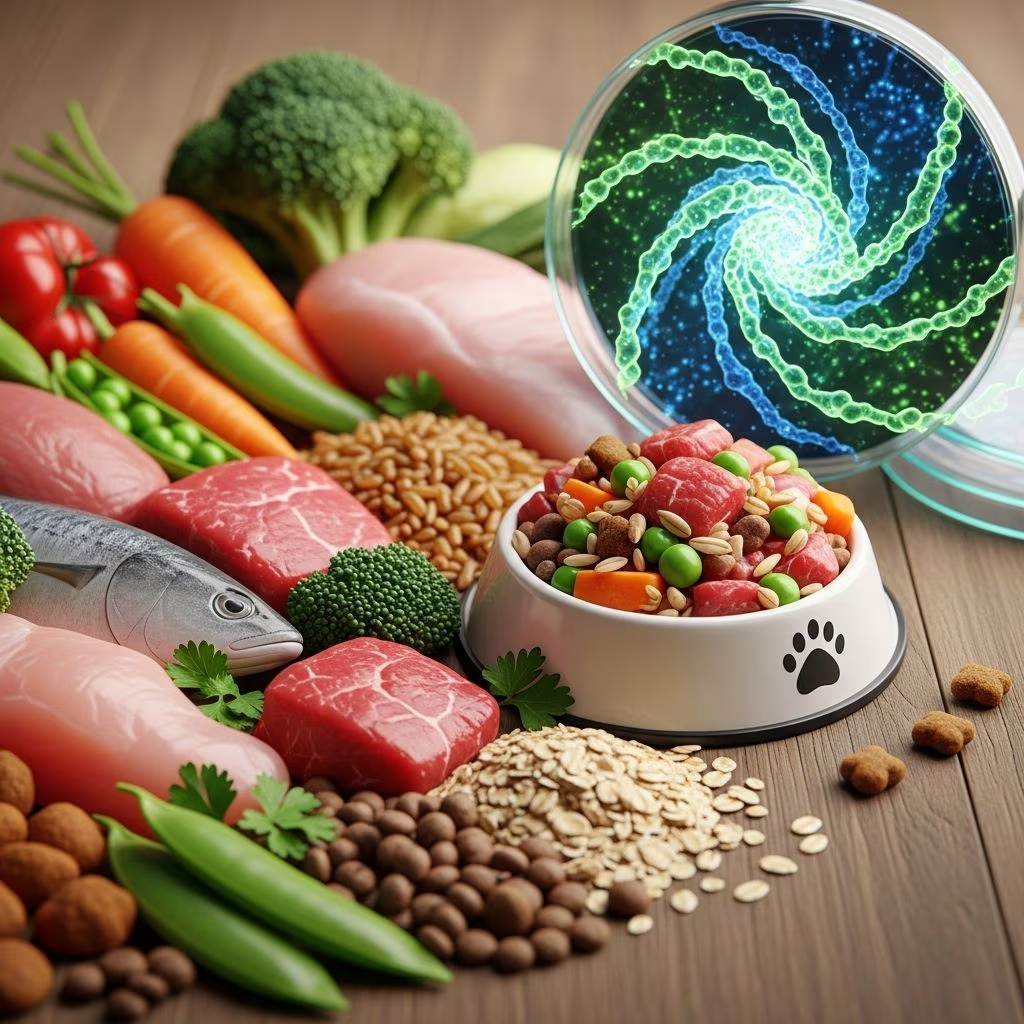
Pet nutrition has evolved far beyond simple ingredient lists and caloric counts. Today’s most advanced pet food manufacturers employ sophisticated scientific methodologies to create diets tailored to the biological realities of companion animals. At the foundation of this approach lies a comprehensive framework known as predictive biology—a scientific discipline that examines how nutritional components interact with a pet’s internal biology to support health, development, and longevity.
Unlike trend-driven approaches that emphasize marketing narratives, predictive biology grounds pet food formulation in decades of rigorous veterinary and nutritional research. This methodology represents a fundamental shift in how industry professionals approach pet nutrition, moving from generalized feeding guidelines toward biology-informed dietary strategies.
The Foundation: What Predictive Biology Actually Means
Predictive biology serves as the scientific backbone for understanding how individual nutrients and ingredient combinations affect a pet’s biological systems. This approach begins with a straightforward premise: just as the biological blueprint of humans determines our nutritional requirements, the same principle applies to dogs and cats.
The framework operates on three interconnected research pillars:
- Investigation of genetic influences on nutrient metabolism and response
- Analysis of how specific nutrients regulate gene expression and metabolic pathways
- Study of internal biological systems including organs, neurological function, and developmental processes
By synthesizing knowledge across these domains, nutritional scientists can predict how a specific food formulation will interact with a particular pet’s biology, rather than relying on assumptions or generalizations about canine and feline nutrition.
The Genetic Blueprint: DNA’s Role in Nutritional Requirements
Genetics represent perhaps the most fundamental determinant of how a pet processes food. A pet’s DNA directly influences the production of enzymes, hormones, and proteins that govern organ development, tissue formation, nutrient digestion, and metabolic regulation. Understanding these genetic factors allows nutritionists to predict how individual animals will respond to specific ingredients and nutrient combinations.
This genetic variation explains why certain foods pose dangers to some species while remaining safe for others. Consider the classic example of chocolate toxicity in dogs and cats—this difference stems directly from genetic variations in how their livers metabolize theobromine, a compound found in chocolate. Humans lack the genetic predisposition to toxic reactions, while canines and felines possess biochemical pathways that cannot safely process this substance.
Modern genetic research in pet nutrition involves systematic examination of DNA samples, typically collected through non-invasive cheek swabs. Advanced laboratory equipment extracts DNA from cellular material, enabling scientists to map which specific genetic sequences influence particular biological traits. This detailed genetic mapping reveals which pets possess genetic markers associated with optimal digestion of certain proteins, efficient fat metabolism, or susceptibility to metabolic disorders.
By establishing these genetic foundations, nutritionists can formulate foods that align with the inherent metabolic capabilities of different pet populations, optimizing nutrient absorption and utilization.
From Genetic Information to Nutritional Application: The Genomics Connection
While genetics provides the foundational blueprint, genomics—the study of how nutrients influence gene activity—translates genetic information into practical nutritional strategies. Genomics operates on a principle analogous to a light dimmer: certain nutrients can either amplify or suppress the expression of specific genes involved in metabolic pathways.
This interaction between nutrients and gene expression represents a crucial interface between what a pet eats and how their body functions. Scientists observe which ingredients and nutrient combinations increase gene activity in metabolic pathways, versus which ones decrease that activity. Understanding these interactions enables the creation of foods that actively support biological processes at the molecular level.
Researchers investigate these gene-nutrient relationships through two complementary approaches:
- Laboratory analysis of how nutrients affect gene expression in isolated cell cultures
- Feeding studies that observe real-world biological responses when pets consume specific food formulations
This dual methodology ensures that theoretical understanding of nutrient-gene interactions translates into measurable biological benefits when pets consume the finished food product. By studying how genes respond to different nutrients, scientists determine the realistic biological outcomes of various food formulations.
The Complex Relationship Between Energy Density and Pet Health
One critical application of predictive biology involves understanding energy density—the caloric concentration of pet food—and how accurate predictions of energy availability support optimal health outcomes.
The digestible energy content of a food determines how much of each nutrient a pet will absorb, which in turn dictates the proper portion size for maintaining healthy body weight. Inaccurate predictions of energy density create cascading nutritional problems: underestimating energy density leads to initial feeding guidelines that produce underfed animals, prompting owners to increase portions and inadvertently cause nutrient overconsumption.
When energy density is incorrectly assessed, the resulting overconsumption of other nutrients doesn’t simply affect the individual pet—it increases the environmental burden through excessive nutrient excretion. This makes accurate energy prediction important not only for individual pet health but also for environmental sustainability.
Professional nutritionists employ sophisticated predictive equations to estimate energy density, building on foundational methods such as modified Atwater equations established by regulatory bodies like the Association of American Feed Control Officials (AAFCO). However, contemporary research recognizes that many commercial pet foods exceed the energy digestibility ranges these traditional equations assume, necessitating more refined prediction models for accurate feeding guidance.
Predictive Digestibility: Translating Theory Into Practical Outcomes
Understanding how a pet’s digestive system will process food components represents another essential application of predictive biology. Advanced laboratory methods now allow researchers to predict digestibility without extensive in vivo feeding trials, significantly advancing the speed and efficiency of pet food development.
Innovative in vitro procedures simulate the digestive processes occurring within a pet’s stomach and small intestine. These laboratory protocols expose food samples to hydrochloric acid, pepsin, and gastric lipase under conditions that mirror the temperature and duration of natural gastric digestion. Following this first phase, researchers continue the simulation through small intestine conditions to predict intestinal digestion outcomes.
When validated against actual feeding trials with research animals, these predictive methods demonstrate strong correlations with real-world digestibility results, particularly for dry matter, fat, and starch components. This predictive accuracy reduces the necessity for extensive in vivo digestibility studies, accelerating food development while maintaining scientific rigor.
The Collaborative Science Behind Quality Pet Food
Creating biologically optimized pet food demands expertise spanning multiple scientific disciplines. Leading pet food manufacturers employ collaborative teams including veterinary specialists, nutritional biochemists, genetic researchers, and quality assurance scientists. Each discipline contributes essential knowledge to the formulation process.
Veterinarians contribute clinical insights regarding disease management, life-stage nutrition, and health condition-specific requirements. Nutritional scientists ensure that formulations meet established nutrient standards while optimizing bioavailability. Geneticists and genomics specialists provide understanding of how specific ingredients interact with pet biology at the molecular level.
This multidisciplinary approach ensures that pet food development rests on scientific evidence rather than marketing trends or unsubstantiated claims. The result is foods formulated to support specific health outcomes through deliberate manipulation of nutrient profiles and ingredient selection based on biological understanding.
From Laboratory Discovery to Product Development
The journey from initial biological research to commercial pet food involves multiple validation stages. Laboratory research establishes the theoretical foundation for how specific nutrients affect biological processes. Researchers then conduct feeding studies that confirm these theoretical predictions produce measurable health benefits in actual pets.
Only after comprehensive validation does a formulation move toward commercial production. This rigorous development process contrasts sharply with products developed primarily through market research or trend analysis. Biology-informed formulations are grounded in reproducible scientific evidence about how the finished product will interact with pet biology.
Life-Stage Specific Nutrition and Biological Development
Predictive biology reveals that nutritional requirements change dramatically across a pet’s lifespan. Puppies and kittens possess fundamentally different metabolic priorities than adult animals, just as aging pets require nutritional adjustments to support changing biological needs.
Growth stages demand elevated levels of certain amino acids and minerals supporting skeletal development, while adult maintenance requires different nutrient ratios optimizing stable body composition. Senior pets often benefit from adjusted energy density and modified nutrient profiles supporting joint health, cognitive function, and age-related metabolic changes.
By understanding the biological changes occurring at each life stage, nutritionists create foods that align with those specific developmental or maintenance priorities rather than using a generalized formula across all life stages.
Disease Management Through Nutritional Biology
Predictive biology proves particularly valuable in formulating therapeutic foods supporting the management of specific health conditions. When a pet develops kidney disease, liver dysfunction, or gastrointestinal sensitivity, understanding the biological changes accompanying these conditions allows formulation of diets that work with compromised biological systems.
Rather than simply restricting problematic nutrients, biology-informed therapeutic foods actively support remaining organ function and prevent complications through precise nutrient manipulation. This represents a fundamental difference between foods that merely avoid harm and foods that actively promote healing or management of disease.
Frequently Asked Questions About Predictive Biology in Pet Nutrition
How does predictive biology differ from traditional pet food formulation approaches?
Traditional approaches often relied on established nutrient standards and ingredient selection based on cost or availability. Predictive biology begins with understanding how a pet’s biological systems actually process and utilize specific nutrients, then formulates foods to optimize those biological interactions.
Can genetic research really predict how individual pets will respond to specific foods?
Genetic research identifies biological tendencies and metabolic capabilities across pet populations. While individual variation exists, understanding genetic influences on digestion and metabolism provides significantly more predictive power than generalized feeding guidelines.
Why is accurate energy density prediction important?
Energy density determines appropriate portion sizes for maintaining healthy body weight. Incorrect predictions lead to feeding imbalances and nutrient overconsumption, affecting both individual pet health and environmental sustainability through excessive nutrient excretion.
Does predictive biology apply to all life stages and health conditions?
Yes—predictive biology principles apply across all life stages and health conditions. The biological processes differ significantly between puppies and seniors, or between healthy animals and those managing disease, requiring correspondingly tailored nutritional strategies.
How long does research-based food development typically require?
Comprehensive development involving genetic research, laboratory studies, and validation feeding trials typically spans multiple years. This extended timeline ensures scientific rigor, though it contrasts with rapid development of trend-based products.
The Future of Pet Nutrition Science
As genomic research advances and our understanding of pet biology deepens, increasingly personalized nutrition approaches may emerge. The trajectory suggests movement toward individualized assessment of genetic and metabolic factors, enabling formulations tailored to specific pets rather than broad population categories.
This evolution reflects broader trends in human nutrition and medicine toward precision approaches that consider individual biological variation. Pet nutrition science appears positioned to follow similar pathways, leveraging advancing genetic technology and research methodologies.
The commitment to predictive biology represents a meaningful distinction in the competitive pet food marketplace. While marketing claims proliferate, products grounded in comprehensive biological understanding offer tangible advantages in supporting long-term pet health through nutritional precision informed by scientific evidence rather than trend cycles.
References
- Pet Food With Your Pet’s Biology in Mind — Hill’s Pet Nutrition. 2024. https://www.hillspet.com/pet-care/nutrition-feeding/predictive-biology-pet-food
- Predictive equations for dietary energy are improved when accounting for variation in energy digestibility of pet foods — National Center for Biotechnology Information. 2023. https://pmc.ncbi.nlm.nih.gov/articles/PMC9990867/
- Predicting the Digestibility of Pet Food — Global Pet Industry. 2023. https://globalpetindustry.com/article/predicting-digestibility-pet-food/
- The Science Behind the Formulas — UK Pet Food Association. 2023. https://www.ukpetfood.org/spotlight-on-obesity/calculating-how-much-to-feed/guides-for-vets-pet-professionals.html
- Understanding the Best Diet for Pets Based on Their Genome — Pet Summits. 2024. https://petsummits.com/understanding-the-best-diet-for-pets-based-on-their-genome/



