
Biliary Cirrhosis In Pets: What Pet Owners Need To Know
Understanding the progression, signs, and care strategies for biliary cirrhosis in dogs and cats to improve pet health outcomes.
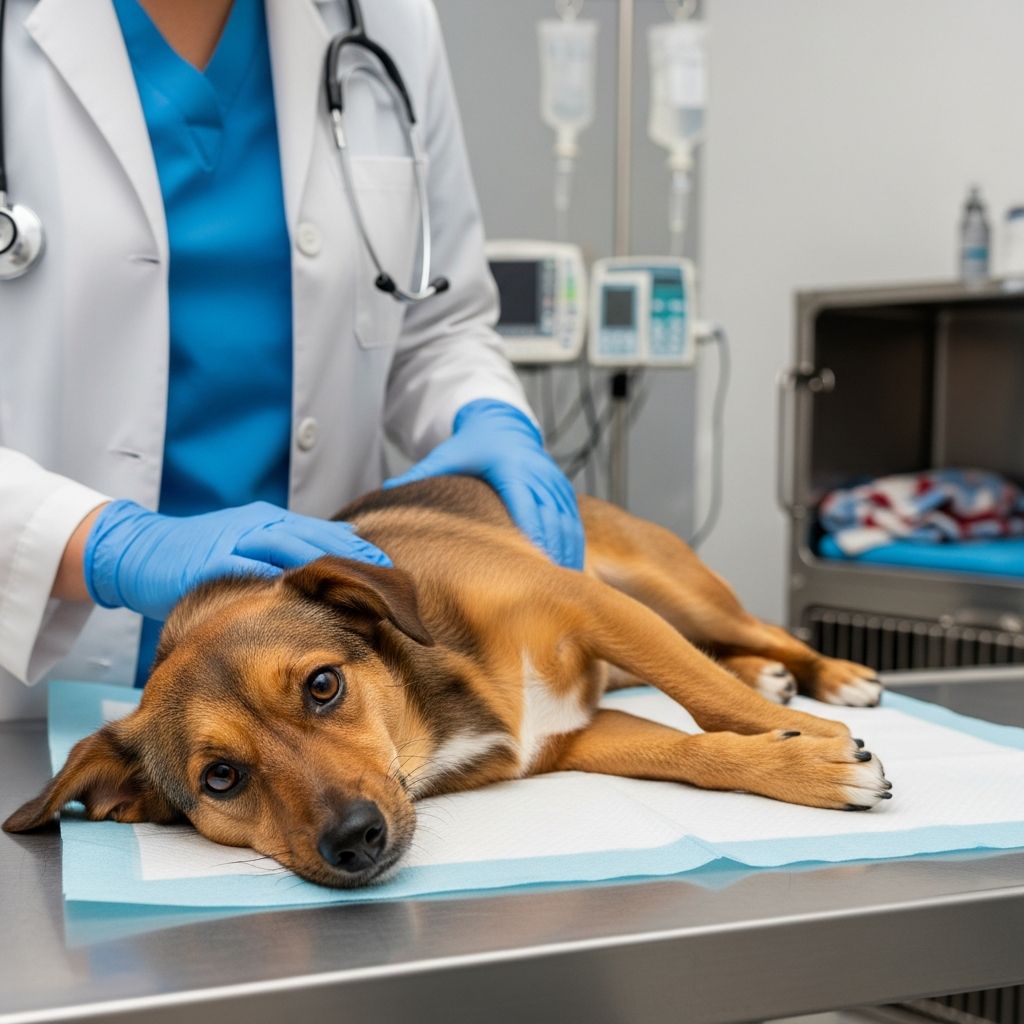
Biliary cirrhosis represents a severe, progressive liver condition in small animals like dogs and cats, often stemming from prolonged bile duct obstructions that trigger fibrosis and irreversible liver remodeling. This article examines its origins, manifestations, detection strategies, and management options to aid veterinarians and pet owners in early intervention.
Origins and Risk Factors
The condition typically arises when bile flow from the liver to the intestines is blocked, known as extrahepatic bile duct obstruction (EHBDO). Such blockages cause hepatomegaly and bile duct swelling shortly after onset. If unresolved within weeks, it leads to lasting peribiliary fibrosis, tissue bridges between portal areas, and liver changes akin to cirrhosis, potentially causing portal hypertension and shunts.
Common culprits include pancreatitis-induced inflammation around the bile duct, particularly in dogs, where edema obstructs flow. In cats, similar issues arise, though with subtler enzyme elevations. Congenital factors like ductal plate malformations (DPMs) contribute, involving embryologic errors in bile duct formation linked to primary cilia dysfunction, affecting liver and sometimes kidneys.
- Pancreatitis-related obstruction: Most frequent in dogs, resolves spontaneously in many but persists in others.
- Congenital anomalies: DPMs lead to cysts or dysplastic ducts, fostering fibrosis.
- Infections and sludge: Bacterial colonization in stagnant bile worsens outcomes.
Chronicity beyond six weeks heightens risks, with white bile formation signaling complete blockage devoid of pigments. Genetic predispositions appear in certain breeds, though not breed-specific universally.
Recognizing Symptoms in Dogs and Cats
Early signs mimic general malaise: lethargy, fever spikes, and jaundice appearing within hours of full obstruction. Dogs may vomit episodically, show appetite swings from inappetence to increased hunger due to fat maldigestion. Cats present similarly but with less pronounced jaundice initially.
Prolonged cases reveal coagulopathies within 2-3 weeks, especially in cats, alongside gastrointestinal ulcers causing bleeding. Feces may darken from minor bleeds despite obstruction, complicating diagnosis. Advanced stages bring ascites, hepatic encephalopathy (HE), and polyuria/polydipsia from shunts.
| Stage | Dogs | Cats |
|---|---|---|
| Acute | Lethargy, jaundice, vomiting | Anorexia, nausea, subtle icterus |
| Chronic | Ascites, HE, bleeding | Coagulopathy, enzyme rises |
| End-stage | Portal hypertension, shunts | Fibrosis, liver failure |
Owners often note weight loss, pale stools (acholic), and dark urine early on, though inconsistencies arise.
Diagnostic Approaches
Diagnosis hinges on history, labs, imaging, and histopathology. Bloodwork shows rapid bilirubin spikes, modest ALP/GGT rises (less in cats), and hypercholesterolemia peaking at 10-14 days before declining in cirrhosis. Bile acids elevate, signaling cholestasis.
Ultrasound detects duct dilation (intrahepatic after a week, gallbladder in 48 hours), sludge, or cysts. It’s key for guiding aspirations. Radiographs may show hepatomegaly; advanced imaging like CT aids shunt detection.
Laparotomy remains gold standard for biopsy and direct visualization, avoiding risks of needle biopsies in distended ducts. Bile analysis via ultrasound-guided aspiration checks for bacteria, guiding antibiotics.
- Initial labs: Bilirubin, enzymes, cholesterol.
- Imaging: Ultrasound for dilation/cysts.
- Definitive: Surgery or biopsy for fibrosis confirmation.
Therapeutic Strategies
Treatment prioritizes relieving obstruction via surgery: cholecystotomy, choledochotomy, or stenting. Gallbladder decompression verifies block sites; debris/sludge removal prevents sepsis. Pancreatitis cases may self-resolve, but persistent ones (>2-3 weeks) need intervention despite 50% surgical mortality risk in dogs.
Supportive care includes hepatoprotectants like ursodeoxycholic acid (UDCA, 15 mg/kg daily) for bile flow, alongside antibiotics for infections (4-6 weeks, culture-guided). Corticosteroids (prednisolone 1-2 mg/kg) aid lymphocytic cholangitis. For HE/ascites: low-protein diets, lactulose, diuretics.
Cholecystectomy suits gallbladder issues; marsupialization for cysts. Postoperative monitoring via ultrasound and cultures ensures success.
Prognosis and Long-Term Care
Outcomes vary: acute resolutions yield full recovery; chronic cases with cirrhosis face guarded prognoses due to shunts and hypertension. Cats with DPMs may stabilize palliatively. Regular monitoring of enzymes, bile acids, and imaging is crucial.
Pet owners should watch for recurrence signs, adhere to diets low in copper/fat, and use supplements like SAMe or milk thistle judiciously under vet guidance.
Preventive Measures for Pet Owners
- Maintain ideal weight to curb pancreatitis.
- Annual checkups with liver panels for at-risk breeds.
- Prompt attention to vomiting/jaundice.
Frequently Asked Questions (FAQs)
What triggers biliary cirrhosis in my dog?
Often pancreatitis blocking bile ducts, leading to fibrosis if untreated.
Can cats recover from this?
Yes, with early surgery and meds like UDCA/antibiotics, though chronic cases need ongoing care.
Is surgery always required?
Not initially for pancreatitis, but persistent obstruction demands it.
How do I spot early signs at home?
Yellow gums, lethargy, pale poop—see a vet immediately.
What’s the diet for affected pets?
Protein-moderated, low-fat, with lactulose for HE.
References
- Extrahepatic Bile Duct Obstruction in Small Animals — MSD Veterinary Manual. 2023. https://www.msdvetmanual.com/digestive-system/hepatic-diseases-of-small-animals/extrahepatic-bile-duct-obstruction-in-small-animals
- Miscellaneous Disorders of the Bile Ducts in Small Animals — Merck Veterinary Manual. 2023. https://www.merckvetmanual.com/digestive-system/hepatic-diseases-of-small-animals/miscellaneous-disorders-of-the-bile-ducts-in-small-animals
- Feline biliary tree and gallbladder disease: Aetiology, diagnosis and management — PMC (PubMed Central). 2024-01-15. https://pmc.ncbi.nlm.nih.gov/articles/PMC10816526/
- Small Animal Abdominal Ultrasonography, Part 2: Liver and Gallbladder — Today’s Veterinary Practice. 2023. https://todaysveterinarypractice.com/radiology-imaging/imaging-essentialssmall-animal-abdominal-ultrasonographyliver-gallbladder-part-2/
Similar Articles








Read full bio of Sneha Tete


