

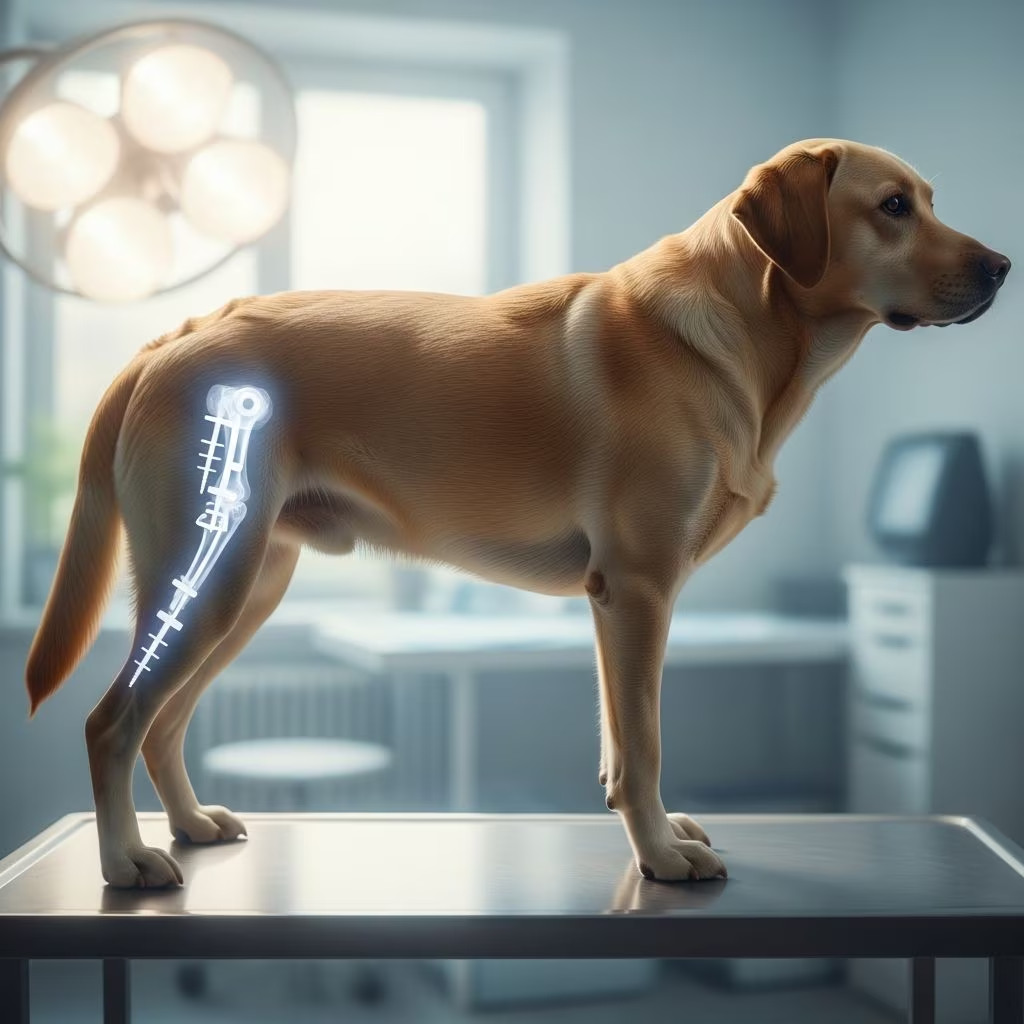
Bilateral Tibial Plateau Leveling Osteotomy (TPLO) surgery addresses cranial cruciate ligament (CCL) ruptures in both of a dog’s knees during a single procedure, offering a streamlined path to recovery for many pets.
Understanding Cranial Cruciate Ligament Ruptures
The cranial cruciate ligament, akin to the ACL in humans, stabilizes the knee joint known as the stifle in dogs. When it ruptures, typically due to conformational issues, trauma, or degenerative changes, dogs experience pain, lameness, and instability. Over 80% of cases involve both knees, making bilateral intervention common.
Symptoms include limping, reluctance to bear weight, swelling, and a clicking sound during movement. Early diagnosis via physical exams, X-rays, and stress tests is crucial to prevent further joint damage like meniscus tears.
Why Choose Bilateral TPLO Over Staged Surgeries?
Performing TPLO on both knees at once reduces overall recovery time from 12 weeks to about 6 weeks, minimizing anesthesia exposures and costs. Studies confirm similar success rates and complications to unilateral procedures when done by skilled surgeons.
- Shorter convalescence: Dogs resume normal activity faster.
- Cost efficiency: Single surgery fees versus multiple.
- Reduced stress: Avoids repeated hospital visits.
For dogs under 80-90 pounds, bilateral TPLO is generally safe; heavier or obese dogs may require staging to manage anesthesia risks.
The TPLO Surgical Technique Explained
TPLO neutralizes tibial plateau slope, preventing the femur from sliding forward. Surgeons cut the tibial plateau, rotate it to a near-perpendicular angle (about 5-14 degrees), and secure it with a plate and screws.
In bilateral cases, both stifles are addressed sequentially under one anesthesia session. Additional steps like meniscus inspection or release may occur to prevent secondary injuries.
| Step | Description |
|---|---|
| Pre-op Prep | Fasting, bloodwork, sedation, antibiotics, pain meds. |
| Anesthesia | General anesthesia with monitoring of vitals. |
| Surgery | Circular osteotomy, rotation, plating per knee. |
| Closure | Sutures, bandages; X-rays for verification. |
Candidates Ideal for Bilateral Procedures
Not all dogs qualify. Active, athletic breeds like Labradors, Rottweilers, and Pit Bulls benefit most, especially younger ones with steep tibial slopes. Contraindications include severe obesity, concurrent orthopedic issues, or unstable health.
- Weight: Under 90 lbs preferred.
- Age: Post-growth plate closure.
- Health: No major comorbidities.
Potential Complications and Risk Management
Complication rates hover at 16.5%, with minor issues (9.4%) like swelling and major (10.2%) like infections or fractures. Tibial tuberosity fractures occur rarely (0.8%) in bilateral cases, lower than some reports.
Owner surveys show 62% needed no sling support, and 99% would repeat the procedure. Infections match unilateral rates (3.9%). Experienced surgeons mitigate risks through precise technique.
Post-Operative Care Essentials
Recovery demands strict rest for 8-12 weeks. Key elements include:
- Confinement: Crate rest, short leash walks.
- Pain management: Prescribed meds, ice therapy.
- Wound care: Monitor for infection, keep dry.
- Rehab: Physical therapy from week 2, including underwater treadmill.
By week 2, most dogs walk well. X-rays at 8 weeks confirm bone healing.
Physical Rehabilitation Strategies
Structured rehab accelerates healing and restores function. Protocols feature:
- Laser therapy for pain reduction.
- Underwater treadmill for low-impact exercise.
- Guided walks increasing duration weekly.
After 8 weeks, gradual return to activity; full clearance by 12 weeks for most.
Long-Term Outcomes and Success Stories
Over 90% of dogs regain athletic lifestyles without ongoing meds. Owners report enhanced quality of life, with dogs hiking, swimming, and competing post-recovery. TPLO outperforms other methods in large breeds.
Cost Considerations and Insurance
Bilateral TPLO costs $4,000-$7,000 total, less per knee than staged. Pet insurance often covers 70-90%, emphasizing pre-existing condition exclusions.
FAQs on Bilateral TPLO Surgery
Is bilateral TPLO safe for my dog?
Yes, for dogs under 90 lbs with experienced surgeons; studies show outcomes mirror unilateral TPLO.
How long is recovery?
Typically 6-8 weeks to basic activity, 12 weeks full return.
What if complications arise?
Minor issues resolve with care; major ones like fractures are rare (under 1%).
Can all dogs have both knees done at once?
No, heavier dogs or those with health issues may need staging.
Will my dog need lifelong meds?
Rarely; most are pain-free long-term.
References
- Outcome and owner assessment after single-session bilateral tibial plateau leveling osteotomy in dogs with cranial cruciate ligament rupture — PMC/NCBI. 2023-01-01. https://pmc.ncbi.nlm.nih.gov/articles/PMC9847400/
- Dogs and Knee Surgery: Understanding TPLO Surgery — MedVet. 2024-01-01. https://www.medvet.com/dogs-and-knee-surgery-understanding-tplo-surgery/
- What is TPLO Surgery? — MSPCA-Angell. 2023-01-01. https://www.mspca.org/angell_services/what-is-tplo-surgery/
- Double TPLO Surgery for Dogs — Whole Dog Journal. 2023-01-01. https://www.whole-dog-journal.com/health/double-tplo-surgery-for-dogs/
- TPLO Dog Surgery — Blue Springs Animal Hospital. 2024-01-01. https://www.bluespringsanimalhospital.com/hospital/tplo



