

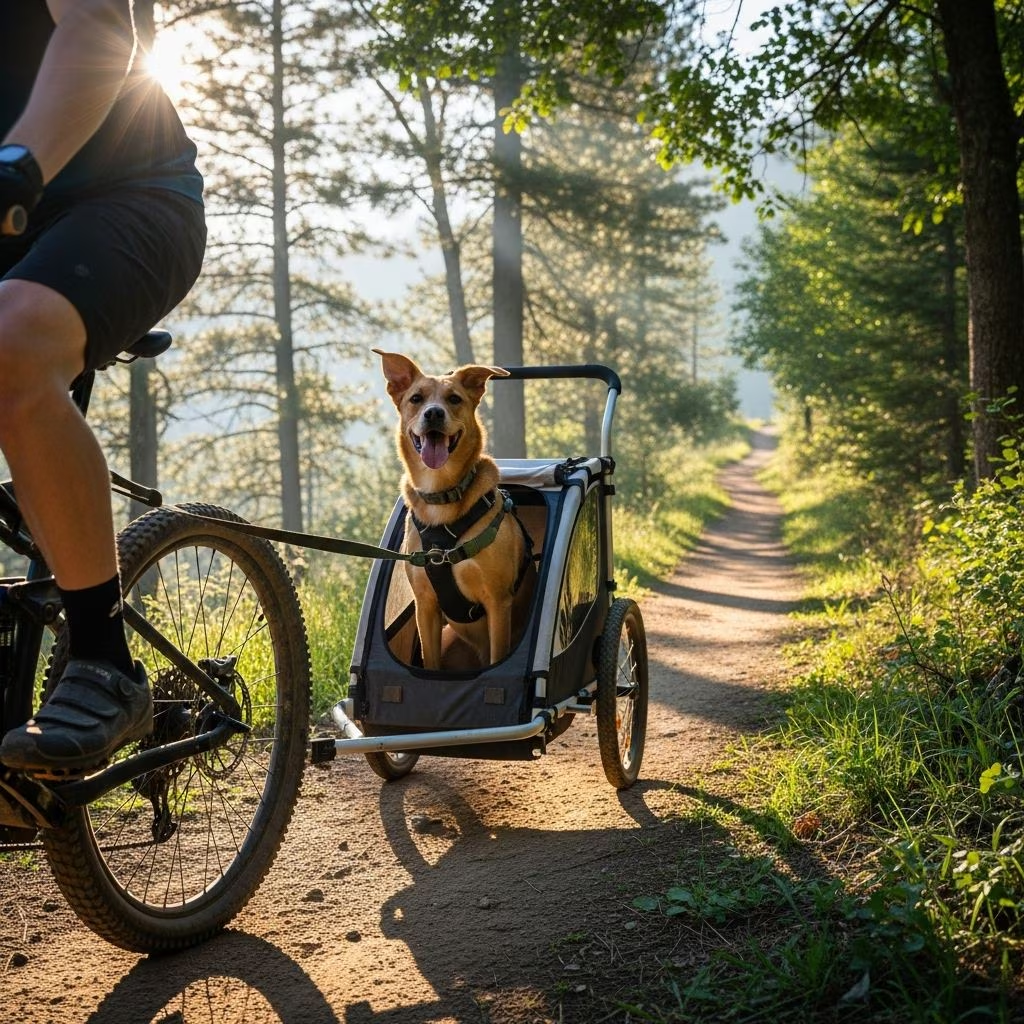
Combining cycling with dog companionship offers an invigorating way to exercise together, strengthening your bond while providing mental stimulation for your pet. Proper preparation ensures these outings remain enjoyable and risk-free for both of you.
Assessing Your Dog’s Readiness for Cycling
Before embarking on bike rides, evaluate if your dog is physically suited. Large, athletic breeds with good endurance typically handle running beside a bike best, as smaller dogs with shorter legs struggle to match pedaling speeds. Consult a veterinarian to confirm joint health, age appropriateness, and overall fitness, especially since pavement running is high-impact and stresses joints.
Puppies under 18 months and senior dogs may need alternatives like trailers to avoid developmental or age-related injuries. Gauge stamina by observing your dog’s response to brisk walks; if they tire quickly, start with non-running options.
- Verify vaccination status and flea/tick prevention for outdoor exposure.
- Ensure reliable recall and basic obedience to manage distractions.
- Test tolerance for bike proximity at home first.
Essential Gear for Secure Rides
Investing in specialized equipment prevents accidents and enhances comfort. A standard leash poses dangers like tangling in wheels or causing falls; opt for bike-specific attachments instead.
Key items include:
- Bike leash assemblies: Spring-loaded designs like those attaching to the frame keep dogs parallel to wheels, absorbing pulls.
- Reflective harnesses: Secure around the torso, not collar, for visibility and reduced neck strain during stops.
- Paw protection: Booties or balms shield pads from hot asphalt or rough terrain.
- Hydration tools: Collapsible bowls and water bottles for frequent breaks.
| Gear Type | Best For | Key Features |
|---|---|---|
| Running Leash | Large active dogs | Spring absorption, frame mount |
| Bike Trailer | Small/medium or low-stamina dogs | Enclosed space, ventilation |
| Basket/Carrier | Toy breeds | Safety straps, weight limit compliance |
| LED Vest | Low-light rides | High visibility, adjustable fit |
For human safety, wear helmets, gloves, and bright clothing. Always follow manufacturer guidelines for attachments to avoid equipment failure.
Step-by-Step Training Process
Desensitization builds confidence gradually. Begin stationary: let your dog sniff the bike, rewarding calm behavior with treats. Progress to walking the bike beside them on-leash, praising steady pacing.
- Install the bike attachment and practice pushing the bike with dog connected, using high-value rewards.
- Pedal slowly in flat areas like driveways, incorporating gentle turns.
- Extend distances incrementally, monitoring for fatigue signs like lagging or heavy panting.
- Practice stops and starts, teaching a ‘slow’ cue to prevent sudden lunges.
Consistency over weeks yields reliable performance. Incorporate recall drills during sessions to handle trail distractions.
Prioritizing Paw and Joint Health
Pavement abrades pads quickly, and heat can cause burns. Test surfaces by hand or foot: if uncomfortable for you, skip it for your dog. Alternate routes with grass verges or soft trails to minimize wear.
Inspect paws post-ride for cracks, blisters, or swelling. Apply paw wax preemptively and limit sessions to 20-30 minutes initially, building tolerance. High-impact surfaces like concrete demand veterinary clearance for breeds prone to hip dysplasia. Hydrate frequently and watch for limping, which signals overexertion.
Weather Considerations and Hydration Strategies
Ideal conditions feature mild temperatures (50-75°F) with low humidity. Avoid midday heat, as dogs overheat faster than humans; early mornings or evenings work best. Carry ample water—dogs need 1 ounce per pound of body weight daily, more during activity.
- Schedule rides pre-9 AM or post-7 PM in summer.
- Monitor for heatstroke signs: excessive drooling, disorientation, rapid breathing.
- In cold weather, use paw booties against ice and salt; shorten rides if below 40°F.
Route Planning and Etiquette Rules
Select quiet paths, avoiding busy roads or crowded trails initially. Plan loops with shade, water access, and escape routes. Scout for hazards like glass or steep drops.
Respect others: keep your dog leashed unless off-leash areas permit, signal approaches to pedestrians, and yield to faster cyclists. Clean up waste immediately to maintain trail goodwill. If encountering loose dogs, dismount and use your bike as a barrier while commanding firmly.
Navigating Common Beginner Pitfalls
Novices often push pace too soon, risking exhaustion or injury. Gradually increase from 0.5-mile rides to 3-5 miles over months. Forgetting visibility gear endangers dusk rides; always use lights/reflectors.
Neglecting stops traumatizes dogs if bikes tip; detach before dismounting. Overlooking breed limits leads to frustration—short-legged dogs fare better in carriers. Track progress in a journal to adjust safely.
Alternative Options for Every Dog Size
Not all dogs run well; trailers suit medium builds for seated travel, reducing joint stress. Baskets work for lap-sized pups with secure harness clips. For ultimate comfort, consider dog joggers or springer arms that maintain distance.
Building Long-Term Endurance
Combine bike sessions with cross-training like swimming to bolster fitness holistically. Weekly rides of 5-10 miles become feasible for conditioned dogs, but rest days prevent burnout. Annual vet checkups monitor long-term effects.
Frequently Asked Questions
What distance is safe for a beginner dog bike ride?
Start with 10-15 minutes or 0.5 miles, extending by 10% weekly based on energy levels.
Can puppies bike with me?
Avoid until growth plates close (around 12-18 months); use gentle walks instead.
What if my dog pulls hard?
Use no-pull harnesses and reinforce heel training; consider professional behavior help.
Is biking good for overweight dogs?
Yes, under vet guidance, as it burns calories efficiently without excess joint load.
How do I handle aggressive stray dogs on trails?
Dismount, place bike between you, and pedal away steadily without sprinting.
References
- 7 Tips For Bike Riding With Your Dog — Animal Behavior College. Accessed 2026. https://www.animalbehaviorcollege.com/blog/lifestyle/7-tips-bike-riding-dog/
- Cycling with Your Dog: Safety Tips for Beginners — Kvisp. Accessed 2026. https://kvisp.com/blogs/news/cycling-with-your-dog-safety-tips-for-beginners
- Tips for Safely Biking With Your Dog — PetMD. Accessed 2026. https://www.petmd.com/dog/wellness/evr_dg_biking_with_your_dog_safely
- Safety Tips for Biking With Dogs — American Kennel Club. Accessed 2026. https://www.akc.org/expert-advice/travel/biking-with-dogs/
- Dealing With Dogs — Bicycle Alliance of Minnesota. Accessed 2026. https://www.bikemn.org/mn-bicycling-handbook/dealing-with-dogs/
- Riding Etiquette and Safety when riding bikes with your dog — YouTube (The Bike Shop). Accessed 2026. https://www.youtube.com/watch?v=ZJmx5Z0DHJs



