

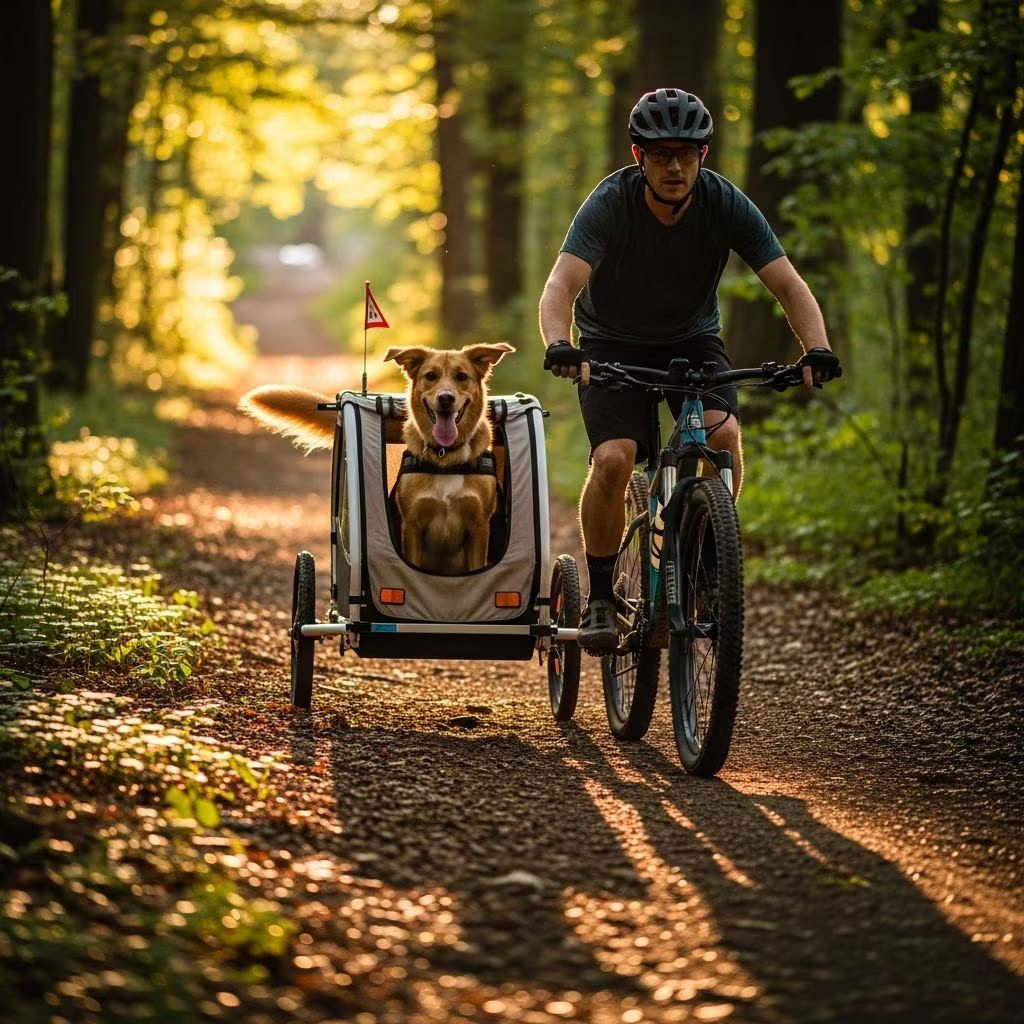
Sharing bike rides with your dog transforms routine exercise into a bonding experience filled with fresh air and excitement. Proper preparation ensures these outings remain enjoyable and risk-free for both of you. This comprehensive guide outlines everything from initial training to advanced trail strategies, drawing on expert veterinary and safety recommendations.
Assessing Your Dog’s Readiness for Cycling
Before hitting the pedals, evaluate if your dog is physically suited for bike activities. Consult a veterinarian to confirm joint health, stamina levels, and breed-specific limitations. Large, athletic breeds like Labrador Retrievers or German Shepherds often excel at running alongside bikes, while smaller dogs may prefer trailers or baskets.
- Age considerations: Puppies under 18 months and senior dogs over 8 years typically need gentler activities to avoid growth plate injuries or arthritis flare-ups.
- Health screening: Check for hip dysplasia, heart conditions, or obesity, which can make high-impact running unsustainable.
- Stamina test: Begin with brisk walks to gauge endurance; dogs should trot comfortably for 20-30 minutes without heavy panting.
Gradual conditioning prevents overexertion. Start with 10-minute sessions on soft grass, increasing duration by 5 minutes weekly as your dog adapts.
Essential Gear for Secure Bike-Dog Pairing
Quality equipment minimizes accidents and maximizes comfort. Invest in purpose-built items rather than improvising with standard leashes, which risk tangling in wheels or causing falls.
| Gear Type | Best For | Key Features | Safety Notes |
|---|---|---|---|
| Bike Leash Attachment | Running alongside (large dogs) | Spring-loaded baton, frame mount, shock absorption | Keeps dog clear of wheels; use only with trained dogs |
| Dog Trailer | Medium-large dogs, long rides | Enclosed space, ventilation, harness tether | Supports weight up to 50-100 lbs; ideal for resting |
| Bike Basket/Carrier | Small dogs (<20 lbs) | Handlebar/rear mount, safety straps, padded base | Secure harness connection; weight limit critical |
| Reflective Harness & Vest | All setups, low-light rides | LED lights, wide straps, no-collar attachment | Prevents neck strain; visibility for dusk/dawn |
Always opt for harnesses over collars to distribute pressure evenly during sudden stops or pulls. Add paw booties for hot pavement—test surfaces by holding your hand down for 5 seconds; if too warm for you, skip the ride.
Step-by-Step Training Program
Desensitization builds confidence. Introduce the bike stationary first, rewarding calm behavior with treats.
- Stationary phase (1-2 weeks): Let your dog sniff and circle the bike. Attach the leash loosely and offer praise for staying near without fear.
- Walking phase (1 week): Walk the bike beside your dog on a loose lead in a quiet yard. Use high-value treats for maintaining pace.
- Slow roll phase (2 weeks): Mount and pedal slowly (2-3 mph) for 50-100 feet, stopping frequently to praise. Gradually extend distance.
- Full rides: Transition to trails once your dog trots effortlessly for 1 mile without lagging.
Practice recall commands daily—”come” or “heel”—especially in distracting environments. A 100% reliable recall prevents chases after squirrels or other dogs.
Maintaining Hydration and Monitoring Fatigue
Dehydration and heat stress are primary risks. Carry a collapsible water bowl and bottle; offer drinks every 15-20 minutes.
- Signs of overheating: Excessive panting, drooling, staggering, or bright red gums—stop immediately and cool with wet towels.
- Temperature rule: Avoid rides above 75°F (24°C) on pavement; opt for early mornings or shaded paths.
- Rest intervals: Pause every 10-15 minutes initially, watching for slowed pace or unwillingness to continue.
Post-ride recovery includes paw checks, gentle massages, and cooling vests if needed. Track ride data in a journal to monitor improvements.
Navigating Routes and Environmental Hazards
Choose dog-friendly paths: Wide trails, soft dirt, or grass over concrete to spare joints. Avoid busy roads, steep hills, or areas with loose dogs.
Plan routes with these factors:
- Trail width: Minimum 6 feet to prevent leash wrapping around obstacles.
- Surface type: Mulch or gravel reduces paw wear versus asphalt.
- Wildlife/traffic: Scout for deer, cyclists, or pedestrians that could startle your dog.
For urban rides, signal turns verbally and use bells to alert others. Yield to pedestrians and keep your dog leashed at all times.
Troubleshooting Common Challenges
Anticipate issues to stay proactive. Here’s how to address frequent beginner hurdles:
| Problem | Symptoms | Solution |
|---|---|---|
| Dog pulls or lunges | Sudden jolts, wheel proximity | Shorten sessions; reinforce heel training with stops and corrections |
| Fear of bike noise | Cowering, refusal to approach | Pair sounds with treats; gradual exposure over days |
| Paw injuries | Limping, blisters | Apply balm, use booties; switch to cooler times |
| Encountering stray dogs | Barking, chasing | Dismount, use bike as barrier; firm “leave it” command |
If progress stalls, hire a professional trainer specializing in canine sports for personalized adjustments.
Trail Etiquette for Responsible Riders
Respect shared spaces to foster positive perceptions. Always clean up waste promptly using portable bags and dispensers.
- Announce presence: “On your left!” or bell rings for walkers.
- Control speed near others; slow to walking pace.
- Supervise closely—no off-leash running on multi-use paths.
- Report aggressive loose dogs to trail managers with photos if recurring.
These habits ensure trails remain welcoming for dog-human teams.
Health Benefits and Long-Term Rewards
Biking boosts cardiovascular fitness, reduces obesity risks, and strengthens your bond through shared goals. Dogs engaging regularly show lower stress levels and improved behavior.
Aim for 3-5 sessions weekly, varying intensities. Annual vet check-ups monitor joint health from repetitive impacts.
Frequently Asked Questions
Can any dog bike with me?
No—only healthy, conditioned dogs over 1 year old. Vets recommend against it for brachycephalic breeds like Bulldogs due to breathing issues.
How fast should I go?
4-8 mph max for running dogs; match your dog’s comfortable trot. Slow for turns or fatigue.
What if it rains?
Avoid wet conditions; slippery paws and leashes increase fall risks. Use rain covers for trailers if essential.
Best bike type for dogs?
Hybrids or mountain bikes with sturdy frames and multiple attachment points work best.
How do I clean gear post-ride?
Wipe leashes and harnesses with pet-safe disinfectant; air-dry trailers to prevent mold.
References
- Cycling with Your Dog: Safety Tips for Beginners — Kvisp. 2023-05-15. https://kvisp.com/blogs/news/cycling-with-your-dog-safety-tips-for-beginners
- Tips for Safely Biking With Your Dog — PetMD. 2024-07-10. https://www.petmd.com/dog/wellness/evr_dg_biking_with_your_dog_safely
- Safety Tips for Biking With Dogs — American Kennel Club. 2024-03-22. https://www.akc.org/expert-advice/travel/biking-with-dogs/
- Cycling With Your Dog: The Dos and Don’ts — Ella.co. 2023-11-08. https://ella.co/blog/cycling-with-your-dog-dos-and-donts
- Dealing With Dogs — Bicycle Alliance of Minnesota. 2024-01-12. https://www.bikemn.org/mn-bicycling-handbook/dealing-with-dogs/
- Riding Etiquette and Safety when riding bikes with your dog — YouTube (Alison and Theo). 2023-09-20. https://www.youtube.com/watch?v=ZJmx5Z0DHJs
- Dog and bike safety — Animal Humane Society. 2024-02-05. https://www.animalhumanesociety.org/resource/dog-and-bike-safety



