

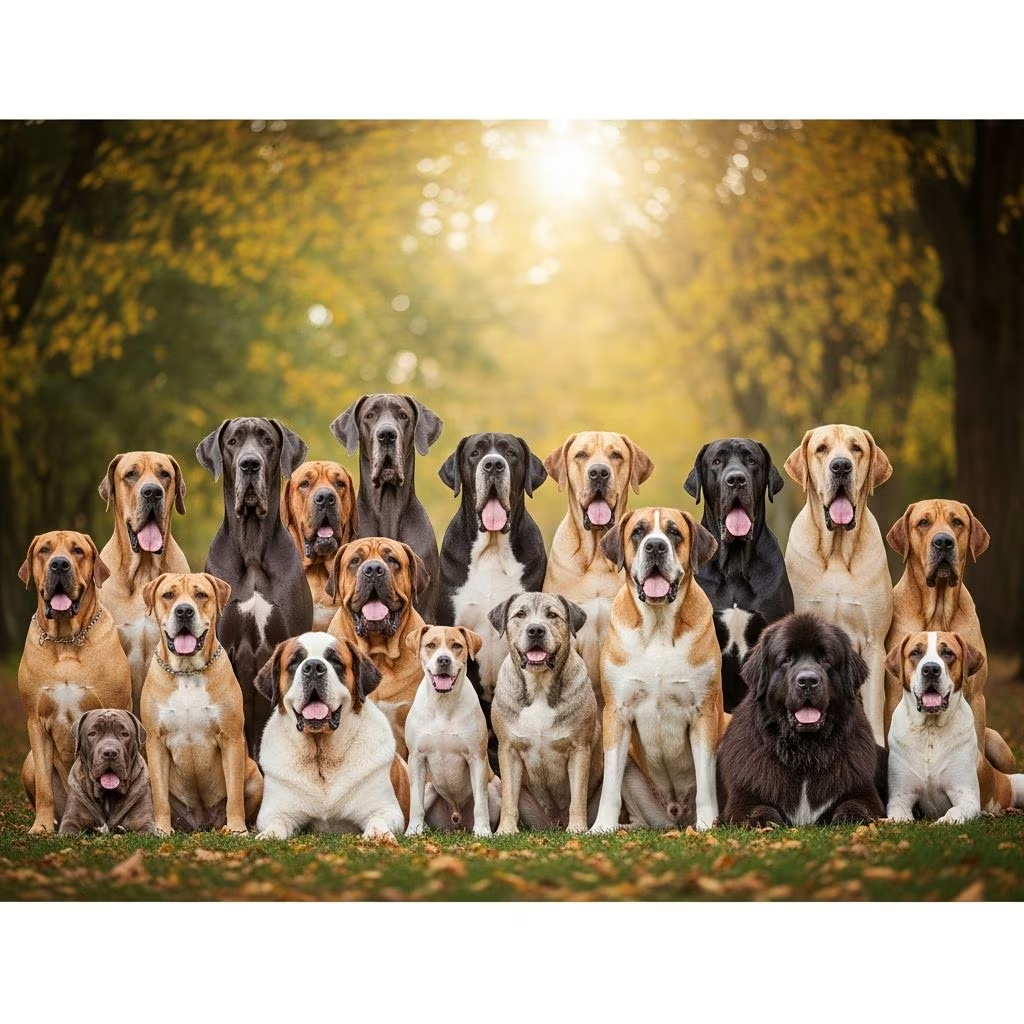
When it comes to choosing a canine companion, size certainly matters for many dog lovers. Giant dog breeds offer unique personalities, loyal companionship, and an impressive physical presence that captures hearts. However, caring for the biggest dog breeds requires special consideration, from nutrition and exercise to health monitoring and living space. This comprehensive guide explores the world’s largest dog breeds, their characteristics, and essential care tips to help you understand what it takes to provide the best life for these magnificent animals.
Understanding Giant Dog Breeds
Giant dog breeds typically weigh over 100 pounds and stand significantly taller than average dogs. These impressive animals come from various backgrounds, including working dogs, guardians, and hunting breeds. Despite their imposing size, many giant breeds are known for their gentle temperaments, making them excellent family companions. However, potential owners must understand the specific health challenges and care requirements associated with large dogs, as their size can impact everything from joint health to lifespan.
The Irish Wolfhound: The Tallest of Them All
The Irish Wolfhound holds the distinction of being one of the tallest dog breeds in the world, with some individuals reaching up to 3 feet in height when measured at the shoulder. These remarkable dogs typically weigh between 105 and 120 pounds and possess an elegant, muscular build that belies their gentle nature.
Physical Characteristics and Temperament
Irish Wolfhounds are known for their impressive height and athletic grace. Originally bred in Ireland for hunting large game, including wolves and elk, these dogs have maintained their dignified bearing throughout history. Despite their hunting heritage, modern Irish Wolfhounds tend to be calm and affectionate companions.
Health Considerations
Unfortunately, Irish Wolfhounds face significant health challenges. The breed is prone to hip dysplasia, a condition affecting the hip joint that can cause pain and mobility issues. More critically, Irish Wolfhounds are susceptible to gastric dilatation-volvulus (GDV), a life-threatening condition where the stomach twists. This breed also has a relatively short lifespan of only 6 to 8 years, which is considerably shorter than many other dog breeds. Prospective owners should be prepared for these health concerns and maintain regular veterinary checkups.
The Great Dane: Gentle Giant
Great Danes are truly great in size, weighing between 110 and 175 pounds and standing 28 to 32 inches tall at the shoulder. Despite their imposing appearance, these dogs are renowned for their quiet, gentle nature and make excellent family pets.
Breed Origins and History
Interestingly, despite their name, Great Danes have no connection to Denmark. Instead, the breed was developed in Germany as hunting and guardian dogs. Originally used to hunt wild boar and deer, Great Danes were prized by German nobility and gradually became beloved companion animals throughout Europe.
Care Requirements
Great Danes need plenty of space to move around comfortably, making them better suited to homes with larger yards or living spaces. Regular exercise is important, though they are not excessively active dogs. These gentle giants typically weigh significantly, so monitoring their diet carefully prevents obesity-related health issues. Great Danes generally have a lifespan of 7 to 10 years.
The Bernese Mountain Dog: Swiss Treasure
Bernese Mountain Dogs are big dogs with even bigger hearts, weighing between 70 and 115 pounds and standing 23 to 27.5 inches tall. These beautiful dogs feature a distinctive tricolor coat of black, white, and rust.
Background and Personality
Originally bred in Switzerland as farm dogs and cattle herders, Bernese Mountain Dogs have transitioned into beloved family pets while maintaining their love for outdoor activities. They are affectionate, loyal, and patient with children, making them excellent family companions. These dogs retain their ancestral love for hiking and outdoor adventures.
Training and Exercise
Early leash training and recall training are important for Bernese Mountain Dogs, as their size and strength require responsible handling. These dogs enjoy moderate daily exercise, typically 30 to 60 minutes, which can include walks, hikes, and playtime. They adapt well to various climates but prefer cooler environments due to their thick double coats.
The Mastiff: King of Size
Mastiffs, also known as Old English Mastiffs, stand as one of the biggest dogs in the world by sheer mass. These giants can weigh between 120 and 230 pounds and stand over 27.5 inches tall. The breed holds historical significance, with a Mastiff named Zorba earning recognition as the largest dog ever recorded, weighing 319 pounds and measuring 8 feet 3 inches in length.
Temperament and Socialization
Despite their massive size and powerful appearance, Mastiffs are known for their low energy levels and calm demeanor. They are content spending much of their day resting at home with their families. These dogs can be wary of strangers initially, but early and consistent socialization teaches them to accept new people. Once properly socialized, Mastiffs become gentle and loyal companions.
Living Space Needs
Mastiffs require adequate living space despite their low activity levels. Their size means they need room to move comfortably without constantly bumping into furniture or family members. These dogs can adapt to apartment living if provided with sufficient space, regular walks, and mental stimulation. Mastiffs typically live 6 to 10 years.
The Neapolitan Mastiff: Italian Cousin
Neapolitan Mastiffs are the Italian relatives of the English Mastiff, weighing 110 to 150 pounds and standing 24 to 31 inches tall. While slightly smaller than their English counterparts, they remain among the biggest dog breeds globally.
Distinctive Features
Neapolitan Mastiffs have a unique appearance with loose, wrinkled skin and a powerful muscular build. Their imposing presence is often tempered by their gentle nature and preference for rest and relaxation. These dogs are often described as “couch potatoes” who enjoy spending quiet time with their families.
Exercise and Activity
Pet parents of Neapolitan Mastiffs must ensure their dogs receive adequate exercise, as these dogs are content with naps in the sun but can develop obesity without proper activity levels. Regular walks are essential for maintaining their health and preventing weight-related issues.
The Newfoundland: Water Lover and Family Friend
Newfoundlands are massive, friendly dogs weighing 100 to 150 pounds and standing 26 to 28 inches tall. These dogs charm their families with their sweet temperament and love of water.
Historical Purpose and Abilities
Newfoundlands were originally bred in Newfoundland and Labrador to pull carts and haul nets for fishermen. They also served as water rescue dogs, possessing natural swimming ability and water-resistant coats. These dogs retain their love of swimming today, often seeking opportunities to splash around in water whenever possible.
Lifestyle Preferences
After their swimming sessions, Newfoundlands typically enjoy long naps and quiet time. These gentle giants are patient and loving with children, making them excellent family pets. Regular grooming is necessary due to their thick double coats, which shed significantly throughout the year.
Other Notable Giant Breeds
The Leonberger
Leonbergers are impressive dogs with sandy fur and a distinctive mane, weighing 90 to 170 pounds and standing 25.5 to 31.5 inches tall. These regal-looking dogs possess gentle, intuitive natures and are particularly patient with children. Leonbergers have a reputation for being excellent family companions with loving dispositions.
The Black Russian Terrier
Despite the “terrier” designation, Black Russian Terriers are far from small dogs, weighing 80 to 130 pounds and standing 26 to 30 inches tall. These powerful, courageous dogs are extremely loyal to their families but can be standoffish toward strangers. However, they are gentle with children and become sociable and affectionate once they learn that strangers are not a threat. Early socialization is crucial for this breed.
The Great Pyrenees
Great Pyrenees are strong, impressive dogs weighing 85 pounds or more and standing 25 to 32 inches tall. Originally bred as livestock guardians, these dogs possess surprising speed and strength despite their calm appearance. They are good with children and enjoy outdoor activities like long walks and hikes. Early training and socialization help manage their strong will and independent nature.
The Tibetan Mastiff
Tibetan Mastiffs can reach up to 150 pounds and stand 24 to 29 inches tall. Their thick double coat makes them appear even larger than their actual size. This coat protects them in snowy climates but makes them prone to overheating in warm weather. These intelligent dogs were originally bred to guard livestock and still appreciate having a job or purpose to fulfill.
The Boerboel: Powerful Guardian
The Boerboel is among the biggest dogs and can reach up to 200 pounds. Despite their hefty frame and muscular build, these dogs are surprisingly athletic and agile compared to other Mastiff breeds. Originally bred in South Africa to guard diamond mines, Boerboels are loyal and confident dogs who remain reserved around newcomers. With their families, they are affectionate and devoted companions.
Essential Care Guidelines for Giant Dog Breeds
Nutrition and Weight Management
Giant dog breeds require specially formulated nutrition to support their massive bodies and prevent obesity. High-quality dog food specifically designed for large breeds helps ensure proper calorie intake and essential nutrient balance. Pet parents should consult with veterinarians to determine appropriate portion sizes based on their individual dog’s weight, age, and activity level. Feeding multiple smaller meals throughout the day is often recommended over single large meals to reduce the risk of gastric dilatation-volvulus.
Exercise and Activity
While giant breeds typically have lower energy levels than smaller dogs, regular exercise remains essential for maintaining cardiovascular health, managing weight, and preventing behavioral problems. Age-appropriate exercise is crucial, as excessive activity in young giant dogs can stress developing joints. Swimming and controlled walks are often excellent exercise options for large breeds.
Health Monitoring
Giant dog breeds face specific health challenges requiring regular veterinary care. Hip dysplasia, elbow dysplasia, heart disease, and bloat are common concerns in large breeds. Regular screening tests and preventive care can help identify and manage these conditions early. Pet parents should maintain a relationship with a veterinarian experienced in treating giant breeds.
Grooming and Coat Care
Many giant breeds possess thick double coats requiring regular grooming to prevent matting and excessive shedding. Nail trimming, ear cleaning, and dental care are also important components of giant dog grooming routines.
Frequently Asked Questions
Q: What is the biggest dog breed by weight?
A: The Mastiff is the biggest dog breed by sheer mass, with some individuals weighing over 200 pounds. The record holder, a Mastiff named Zorba, weighed an impressive 319 pounds.
Q: How long do giant dog breeds typically live?
A: Giant dog breeds generally have shorter lifespans than smaller dogs, typically ranging from 6 to 12 years. Irish Wolfhounds have particularly short lifespans of 6 to 8 years, while some other giant breeds may live 10 to 12 years.
Q: Are giant dog breeds good with children?
A: Many giant dog breeds are excellent with children, including Newfoundlands, Bernese Mountain Dogs, and Leonbergers. However, supervision is always recommended due to their size and strength, and early socialization is important.
Q: How much exercise do giant dogs need?
A: Most giant breeds need moderate daily exercise, typically 30 to 60 minutes of activity. Some breeds like Great Danes have lower activity requirements, while others like Leonbergers may need more substantial exercise.
Q: What are the main health concerns for giant dog breeds?
A: Common health issues include hip dysplasia, elbow dysplasia, gastric dilatation-volvulus (bloat), heart disease, and joint problems. Regular veterinary checkups and appropriate screening tests help manage these conditions.
Q: Do giant dog breeds require special living arrangements?
A: While giant breeds can adapt to various living situations, they benefit from adequate space to move comfortably. Homes with larger yards are ideal, though apartment living is possible with sufficient space and regular exercise.
Conclusion
Giant dog breeds offer remarkable companionship and loyal devotion to their families. From the towering Irish Wolfhound to the massive Mastiff, these gentle giants bring unique joy and personality to households willing to accommodate their size and special care needs. Understanding each breed’s specific requirements, health considerations, and temperament helps ensure these magnificent animals receive the care they deserve. Whether you’re drawn to the water-loving Newfoundland, the intelligent Tibetan Mastiff, or the calm Great Dane, giant dog breeds continue to capture hearts as some of the most impressive and loving canine companions available.
References
- 17 Biggest Dog Breeds and How to Care for Them — PetMD. 2024. https://www.petmd.com/dog/general-health/biggest-dog-breeds
- How to Keep Giant Dog Breeds Healthy at Every Life Stage — PetMD. 2024. https://www.petmd.com/dog/general-health/how-keep-giant-dog-breeds-healthy-every-life-stage
- Mastiff (English Mastiff) Dog Breed Health and Care — PetMD. 2024. https://www.petmd.com/dog/breeds/mastiff
- 30 Big Dog Breeds That Give You Lots To Love — Chewy. 2024. https://www.chewy.com/education/dog/general/big-dog-breeds



