Bichon Frise Training Guide: Essential Methods
Master proven techniques to train your Bichon Frise with patience, consistency, and positive reinforcement.
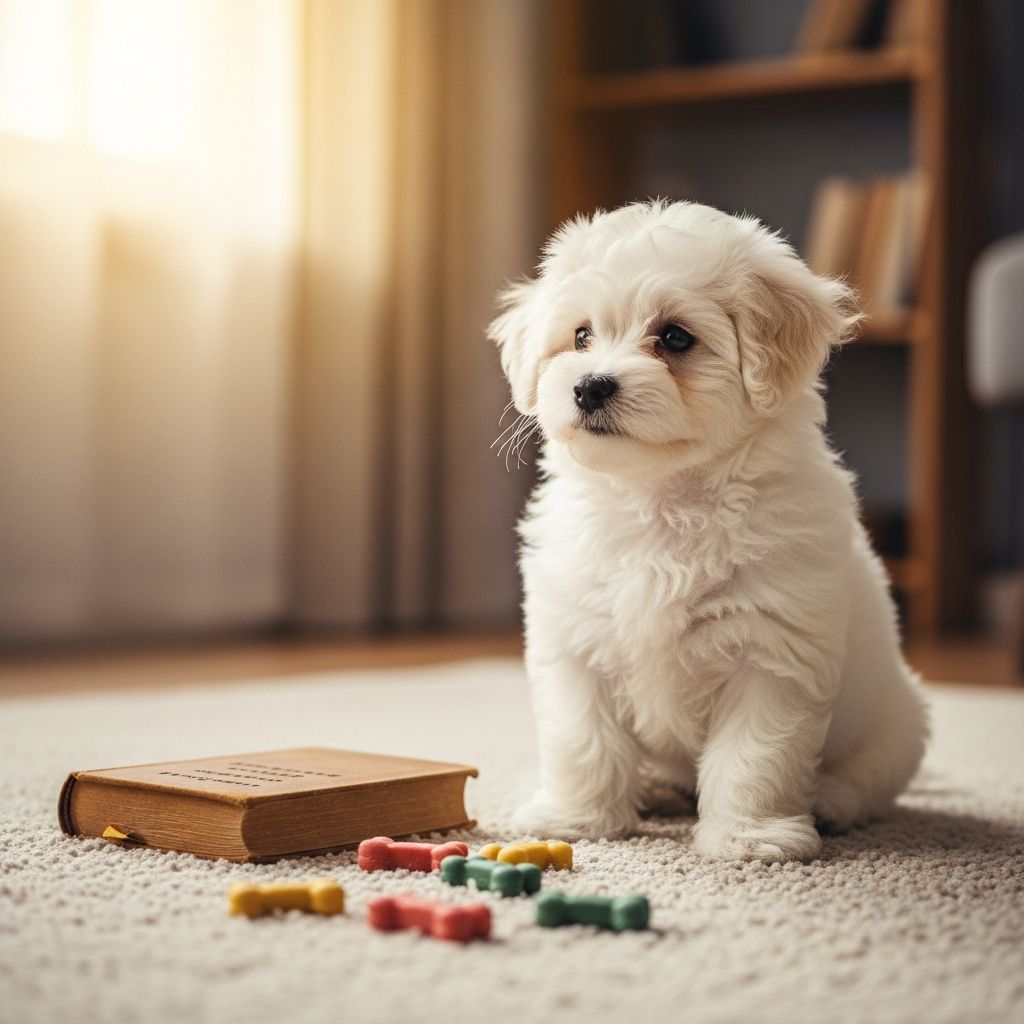
Comprehensive Training Guide for Bichon Frises: From Puppyhood to Adulthood
Training a Bichon Frise presents both unique opportunities and distinct challenges that differ from larger dog breeds. These small, fluffy companions possess intelligence and an inherent desire to please their owners, yet they also demonstrate independence and can lose focus during repetitive lessons. Understanding the breed’s temperament and learning style is essential for anyone looking to develop a well-behaved, confident canine companion. This comprehensive guide explores proven training methodologies that leverage positive reinforcement and consistency to help your Bichon Frise become the best version of itself.
Understanding Your Bichon Frise’s Learning Capacity and Personality
Bichon Frises are renowned for their intelligence and eagerness to engage with their owners, making them generally receptive to training initiatives. However, this breed exhibits a natural stubbornness balanced with a friendly disposition. They thrive in environments where expectations remain consistent and communication stays calm and encouraging. Unlike breeds that respond to authoritative commands, Bichons flourish when treated as collaborative partners in the learning process rather than subordinates responding to harsh directives.
The attention span of a Bichon Frise, particularly during puppyhood, is relatively limited compared to larger working breeds. Sessions lasting five to ten minutes represent the ideal timeframe for maximizing engagement without overwhelming these small companions. Short, focused training blocks distributed throughout the day prove far more effective than extended sessions that risk causing frustration or disinterest in both trainer and trainee.
Foundational Training: Building Blocks for Success
Establishing Early Socialization Experiences
The critical window for developing a well-adjusted Bichon Frise begins immediately upon bringing your puppy home. Early socialization exposes your dog to diverse people, environments, other animals, and experiences that cultivate confidence and adaptability. This foundational work prevents the development of fear-based behavioral issues that may emerge later in adulthood. When puppies encounter various situations—visiting dog parks, meeting strangers, experiencing different sounds and surfaces—they develop neural pathways that support relaxed responses to novelty throughout their lives.
Socialization activities should feel enjoyable and stress-free rather than forced. Allowing your Bichon Frise to explore new situations at their own pace, with positive associations and reassurance from trusted humans, creates lasting confidence. This early investment in social development directly influences the success of subsequent obedience training and behavioral management efforts.
Introducing Basic Obedience Commands
Fundamental obedience forms the foundation upon which all advanced training builds. Basic commands establish clear communication between owner and dog while creating predictability that helps Bichons feel secure and understood. The most essential commands to teach early include sit, stay, come, and heel. These commands not only facilitate practical management of your dog in various situations but also strengthen the bond between owner and pet through successful collaborative achievements.
When teaching the sit command, begin by holding a valued treat near your dog’s nose, then gradually elevate it above their head. As they follow the treat with their eyes, their hindquarters naturally lower into a sitting position. The moment their bottom touches the ground, announce the verbal cue “sit” clearly and immediately provide the reward. Repetition over several weeks, with gradual reduction of treat dependency, eventually allows the dog to respond to the verbal command alone.
Teaching the stay command employs similar methodology. Ask your Bichon to sit, then hold your hand up with palm facing them while clearly stating “stay.” Move back several steps and return immediately. Reward successful completion with treats and verbal praise. Gradually extend the distance and duration of stays over time, always maintaining positive reinforcement for compliance.
Housebreaking: Patience, Routine, and Celebration
Potty training represents one of the more challenging aspects of Bichon Frise ownership, as the breed can prove difficult to housetrain compared to larger dogs. Success depends almost entirely on establishing unwavering consistency in routine and responding to natural elimination cues. Designated potty areas, frequent outdoor trips—especially following meals, naps, and playtime—and leashed bathroom breaks create the structure necessary for rapid learning.
The foundation of effective housebreaking rests on celebrating successes enthusiastically. When your Bichon eliminates in the correct location, provide immediate praise, treats, and affection that make clear this behavior produces wonderful outcomes. Conversely, indoor accidents should trigger calm cleanup without punishment or scolding. Dogs do not understand disapproval for past actions; they only learn from present consequences. Accidents represent normal phases of development and learning, not behavioral failures requiring corrective action.
Establishing predictable routines creates a safe, understandable environment that facilitates learning. Taking your Bichon outside at consistent times each day allows their body to develop regular elimination patterns that align with your training efforts. This systematic approach dramatically accelerates housebreaking success while reducing frustration for both parties.
Crate Training: Creating a Safe Haven
Crate training serves dual purposes for Bichon Frises: it facilitates housebreaking while providing a secure personal space where dogs can retreat for rest and security. Unlike punishment-oriented approaches, modern crate training focuses on making the crate an appealing, positive environment that dogs willingly enter.
Begin by selecting an appropriately sized crate—a 24-inch crate works well for adult Bichons—and furnish it with soft bedding, pillows, or worn sweaters that smell familiar. Place a few favorite toys inside to increase its appeal. Introduce the crate gradually over several weeks, allowing your dog to explore at their own pace. Use treats and toys as incentives to encourage voluntary entry without force or confinement anxiety.
The gradual introduction process proves crucial. Rushing crate training creates negative associations that undermine housebreaking and create lasting anxiety around enclosed spaces. By contrast, patient, positive introduction transforms the crate into a beloved retreat rather than a punishment device.
Advanced Training Opportunities
Agility and Physical Challenges
Despite their small stature, Bichon Frises demonstrate athletic capability and enjoy navigating obstacle courses and agility exercises. Introducing agility training provides physical exercise while building confidence and strengthening obedience skills. Begin with simple, low obstacles and use positive reinforcement to reward successful completion. As your dog becomes more skilled and confident, gradually increase difficulty levels and introduce more complex sequences.
Agility training requires remarkable patience and consistency but offers thrilling rewards for both owner and dog. The process teaches dogs to assess physical challenges, make independent decisions about obstacle navigation, and trust their owners’ guidance—all valuable skills that translate to improved behavior in non-training contexts.
Scent Detection and Nose Work
Bichon Frises possess natural instincts for scent detection that, when channeled appropriately, provide engaging mental stimulation and build focus. Nose work games involve hiding treats or toys for your dog to locate using their olfactory abilities. These activities provide intellectual challenges that complement physical exercise and prevent the behavioral problems that arise from boredom and understimulation.
Clicker Training Methodology
Clicker training employs a small handheld device that makes a distinct sound, immediately followed by a reward. The clicker marks desired behaviors with precision, helping dogs understand exactly which action earned the reward. For example, when teaching fetch, you would click the moment your dog picks up the object, then provide a treat or praise. With consistent practice, dogs quickly associate the clicker sound with desired behavior and respond accordingly.
This training method works exceptionally well with Bichons because it provides clear feedback without requiring harsh corrections or raised voices that can create confusion and erode trust.
Reward Systems and Motivation Strategies
Positive reinforcement techniques—utilizing treats, praise, and play—prove significantly more effective with Bichon Frises than punishment-based approaches. However, understanding what genuinely motivates your individual dog transforms training effectiveness. While many Bichons respond enthusiastically to food rewards, others demonstrate stronger motivation toward play with favorite toys or verbal praise.
Experimenting with different rewards helps identify your dog’s primary motivators. Once identified, incorporating these rewards strategically throughout training sessions maintains engagement and enthusiasm. Varying rewards prevents habituation where treats lose their motivational power due to monotonous repetition.
Managing Training Sessions for Maximum Effectiveness
Successful Bichon Frise training requires structuring sessions to match the breed’s attention capabilities and personality. Daily training sessions of five to ten minutes, focusing on single commands or behaviors, prevent overwhelming these dogs while maintaining steady progress. Consistency in verbal cues, hand signals, and reward systems helps Bichons understand expectations clearly.
Creating calm, engaging training environments free from excessive distractions allows your dog to focus on learning. As skills develop, gradually introducing environmental variations and distractions teaches dogs to respond reliably in real-world situations beyond the training environment.
Evening training sessions should transition to calmer activities that promote relaxation and prepare your dog for rest. Establishing routines that support winding down reduces overstimulation and promotes better sleep quality, which supports overall learning and behavioral health.
Addressing Behavioral Challenges
Managing Enthusiasm-Related Issues
Bichon Frises often display excessive enthusiasm manifested through bouncing, jumping, and barking—behaviors that, while endearing in puppies, can become problematic in adult dogs. Establishing early boundaries through impulse control training helps channel their natural enthusiasm constructively. Teaching sit and stay commands provides outlet structures that allow excited energy to be expressed appropriately.
Building Confidence in Anxious Dogs
Some Bichons develop anxiety or fear-based behaviors when exposed to harsh training methods, punishment-based corrections, or insufficient early socialization. Rebuilding confidence in anxious dogs requires exceptional patience, consistent positive reinforcement, and creating safe environments where they gradually expand their comfort zones. Professional guidance from trainers experienced with sensitive dogs often accelerates this rebuilding process.
Socialization Throughout Development Stages
While early socialization receives appropriate emphasis, ongoing social experiences throughout adolescence and adulthood continue building confidence and preventing behavioral regression. Group training classes or well-managed play sessions support continued social development. These environments expose your Bichon to various dogs and people in controlled settings where positive interactions can be reinforced.
Exercise Requirements and Training Balance
Bichon Frises require approximately 30 minutes to one hour of daily physical activity to maintain optimal health and behavioral stability. For puppies with developing joints, this should involve short play sessions distributed throughout the day, gradually increasing in duration and intensity as they mature. Excessive exercise during puppyhood can damage developing joints, while insufficient exercise leads to boredom-related behavioral issues.
Balancing structured training with free play, walks, and interactive games ensures comprehensive development. Short daily training sessions combined with adequate exercise create the ideal foundation for confident, well-adjusted adult dogs.
Frequently Asked Questions About Bichon Frise Training
At what age should I begin training my Bichon Frise?
Training should commence immediately upon bringing your puppy home, typically around 8-12 weeks of age. Early socialization and basic obedience establish foundational behaviors and confidence.
How long do typical training sessions last?
Training sessions should last 5-10 minutes for Bichon Frises, as they have relatively short attention spans. Multiple brief sessions throughout the day prove more effective than single extended sessions.
Why is my Bichon Frise stubborn during training?
Bichons possess natural independence balanced with eagerness to please. Stubbornness often indicates inadequate motivation or repetitive training that loses their interest. Varying rewards and activities often resolves this issue.
How long does housebreaking typically take?
Bichon Frises can be challenging to housetrain and may require extended periods compared to larger breeds. Success depends entirely on consistency, routine, and positive reinforcement rather than strict timeline expectations.
Are punishment-based training methods effective with Bichons?
No. Harsh corrections and raised voices create confusion and reduce trust with this sensitive breed. Positive reinforcement methods consistently prove more effective and maintain the human-dog relationship.
Key Takeaways for Successful Bichon Frise Training
- Begin training and socialization immediately upon bringing your puppy home to establish confident, well-adjusted adults
- Keep training sessions short (5-10 minutes) and use consistent verbal cues and reward systems
- Employ positive reinforcement exclusively, avoiding harsh corrections that damage trust and create anxiety
- Establish predictable routines for housebreaking that provide structure and celebrate successes enthusiastically
- Gradually introduce your Bichon to crate training, making it a positive haven rather than punishment space
- Provide adequate daily exercise (30-60 minutes) balanced with mental stimulation through training and interactive play
- Expose your dog to ongoing socialization throughout their development stages to maintain confidence
- Recognize that individual motivation varies—experiment to identify your specific dog’s primary rewards
- Remain patient with the housebreaking process, understanding that accidents represent normal learning, not behavioral failure
- Consider professional training guidance if anxiety or fear-based behaviors develop
Conclusion: Building a Lifelong Partnership
Training a Bichon Frise successfully requires understanding and respecting their unique personality, intelligence, and learning style. By implementing early socialization, consistent positive reinforcement, short focused sessions, and patience throughout the learning process, owners can develop confident, well-behaved companions that enrich their lives for years to come. The investment of time and consistency during early training stages pays dividends throughout your dog’s life through improved behavior, stronger human-dog relationships, and greater enjoyment of shared activities. Remember that your Bichon Frise wants to please and learns best in environments of trust, encouragement, and celebration rather than fear or punishment.
References
- How to Train a Bichon Frise: 7 Vet-Verified Tips — Dogster. 2024. https://www.dogster.com/dog-training/how-to-train-a-bichon-frise
- The Vet’s Guide to Bichon Frise Dogs: Facts, Care, and Training Tips — Vets Love Pets. 2024. https://vetslovepets.com.au/blogs/dog/bichon-frise-breed-guide
- Training the Bichon Frise: What Every Owner Should Know — The Training of Dogs. 2024. https://www.thetrainingofdogs.com/post/training-the-bichon-frise
- Bichon Frise Dog Breed Guide — BorrowMyDoggy. 2024. https://www.borrowmydoggy.com/doggypedia/dog-breed-guides-bichon-frise
- Insider’s Guide To The Most Healthy, Happiest & Well Behaved Bichon Frises — Your Bichon Frise. https://www.your-bichon-frise.com/ebook/Bichon_Frise_Book.pdf
Similar Articles






Read full bio of Sneha Tete