

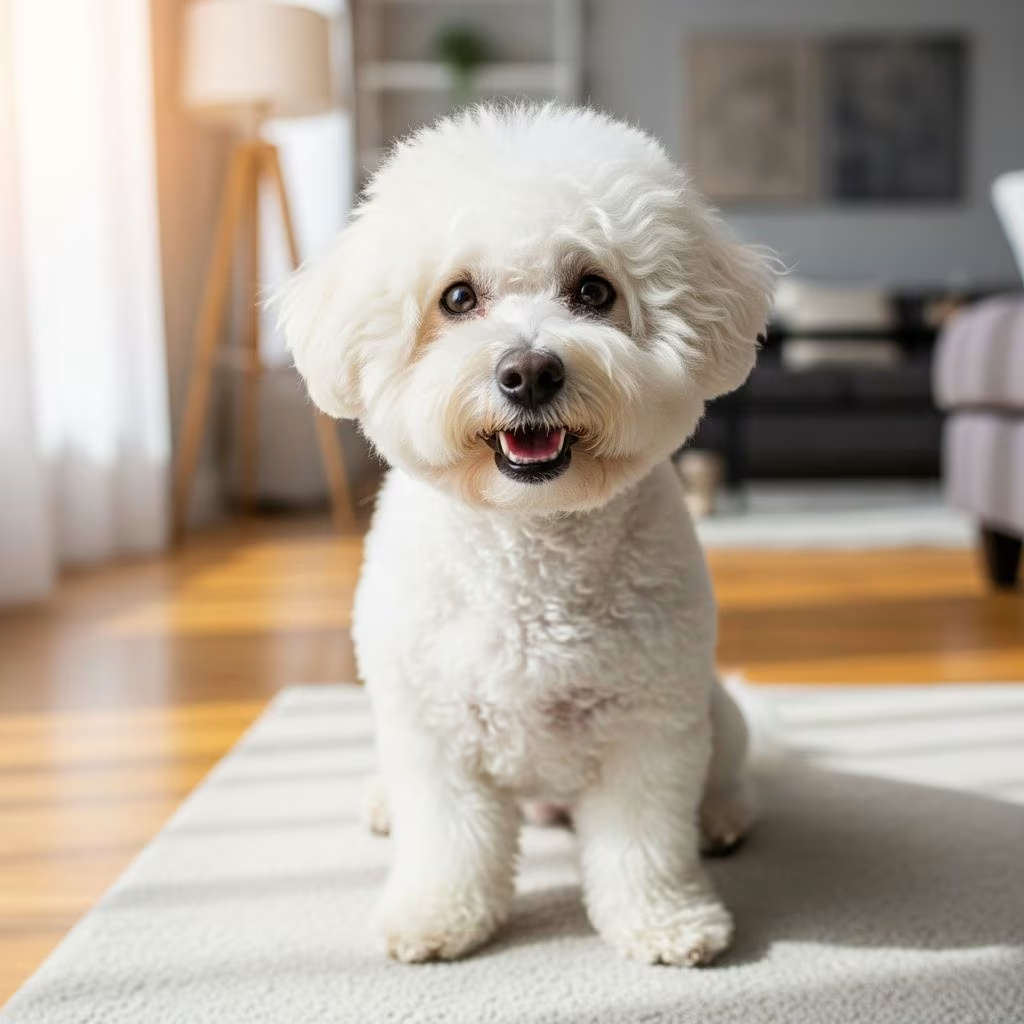
The Bichon Frise stands out as one of the most endearing small dog breeds, captivating pet owners with its distinctive cotton-ball-like appearance and infectious personality. This Franco-Belgian toy breed has maintained its popularity for centuries, earning its place as a beloved family companion across households worldwide. Whether you’re considering bringing a Bichon Frise into your home or simply curious about the breed, understanding their unique characteristics, care requirements, and behavioral traits is essential for making an informed decision.
Understanding the Physical Characteristics
The Bichon Frise possesses an unmistakable appearance that makes the breed instantly recognizable among dog enthusiasts. These small, sturdy dogs typically stand 9.5 to 11.5 inches tall and weigh between 12 and 18 pounds, making them ideal for apartment living and households with space constraints.
Distinctive Coat Features
Perhaps the most defining characteristic of a Bichon Frise is its luxurious double coat. The outer coat consists of curly, fluffy hair that creates the breed’s signature puffy silhouette, while the undercoat provides insulation and protection. The coat is predominantly white, though some individuals may display cream or apricot shading. Unlike many dog breeds, Bichon Frises shed minimally, making them a suitable choice for individuals with mild dog allergies.
However, this hypoallergenic quality comes with a significant responsibility. The curly coat grows continuously, similar to human hair, and requires regular maintenance to prevent matting and tangling. Without consistent grooming, especially around sensitive areas like the ears, legs, and belly, the coat can quickly become problematic.
Facial Structure and Body Build
Bichon Frises feature a rounded head with a soft, gentle facial expression. Their dark, expressive eyes and black button noses provide striking contrast against their white coats, contributing to their teddy bear-like charm. The breed has short but sturdy legs that support their compact frame, and they carry a plumed tail proudly over their backs.
Temperament and Personality Traits
Beyond their adorable exterior, Bichon Frises possess personality traits that make them exceptional companions. These dogs are renowned for their cheerful, affectionate demeanor and genuine love for human interaction.
Social and Friendly Nature
The Bichon Frise approaches life with an optimistic outlook, seemingly viewing every day as an adventure. These dogs form remarkably strong emotional bonds with their family members, often considering their humans their entire world rather than mere acquaintances. Their sociable nature extends beyond their immediate family—they typically warm up quickly to strangers, other dogs, and household pets.
Many owners note that Bichons thrive on being the center of attention and actively seek companionship. This desire for connection makes them excellent therapy dogs in nursing homes, hospitals, and other care facilities.
Behavioral Characteristics
Bichon Frises demonstrate several distinctive behavioral patterns that prospective owners should understand:
- Natural Entertainers: These dogs possess a quirky, playful humor and often engage in amusing antics to entertain their families
- Intelligent and Responsive: The breed learns quickly and is eager to please, making training generally straightforward when positive reinforcement methods are employed
- Alert and Curious: Despite their small size, Bichons maintain a watchful nature and curiosity about their surroundings
- Sensitive Disposition: These dogs respond poorly to harsh training methods and thrive with patience, consistency, and gentle guidance
Separation Anxiety Concerns
One significant behavioral consideration is the Bichon Frise’s tendency toward separation anxiety. Because these dogs are so devoted to their families, extended periods alone can trigger destructive behaviors such as excessive barking, pacing, furniture chewing, or inappropriate elimination. Prospective owners should be prepared to invest time in gradual alone-time training and establishing consistent routines to minimize anxiety responses.
Exercise and Activity Requirements
While Bichon Frises are classified as small dogs with moderate energy levels, they still require consistent physical and mental stimulation to maintain their health and happiness.
Daily Exercise Guidelines
The breed benefits from approximately 30 to 60 minutes of daily exercise. This can include a combination of leisurely walks, interactive playtime with toys, and mental enrichment activities. The adaptability of Bichons makes them suitable for both apartment dwellers and those with yards—they can be adequately exercised indoors through vigorous games and activities.
Activities and Mental Stimulation
Beyond basic walks, Bichon Frises excel in various dog sports and activities:
- Agility competitions
- Obedience training and titles
- Nose work and scent games
- Lure coursing
- Interactive toy play and fetch
Mental stimulation is equally important as physical exercise. Bichons are intelligent dogs who enjoy learning new tricks and commands. Providing puzzle toys, training sessions, and interactive games prevents boredom, which can otherwise lead to excessive barking or destructive behaviors.
Grooming and Coat Maintenance
Prospective Bichon Frise owners must understand that this breed demands significant grooming commitment. The high-maintenance coat is a defining characteristic that cannot be overlooked.
Professional Grooming Requirements
Regular professional grooming every 4 to 6 weeks is recommended to maintain the breed’s distinctive appearance and prevent coat deterioration. Professional groomers can provide services including bathing, drying, trimming, and styling that most owners cannot replicate at home.
At-Home Care Routine
Between professional appointments, daily maintenance is essential:
- Daily Brushing: The curly coat requires daily brushing to prevent mat and tangle formation, particularly in high-friction areas
- Regular Bathing: Monthly baths help maintain coat health and cleanliness
- Ear Care: Bichons are prone to ear issues due to their floppy ears, so regular cleaning and inspection are important
- Dental Hygiene: Small breeds often face dental challenges, making regular tooth brushing beneficial
- Nail Trimming: Monthly or as-needed nail maintenance prevents discomfort and mobility issues
Training and Behavioral Development
Bichon Frises respond exceptionally well to structured training when approached with appropriate methodology. Their intelligence and desire to please make them good candidates for first-time dog owners willing to commit to consistent training.
Training Methodology
Positive reinforcement techniques yield the best results with this sensitive breed. Harsh corrections or punishment-based methods can damage the Bichon’s confidence and worsen behavioral issues. Effective training incorporates:
- Treats and praise for desired behaviors
- Consistent commands and expectations
- Short, engaging training sessions
- Patient repetition and gradual progression
Early Socialization
Introducing Bichon Frise puppies to various people, animals, and environments during their early months establishes confidence and reduces fear-based behaviors. Proper socialization from puppyhood creates dogs comfortable meeting new people and animals throughout their lives.
Housetraining Challenges
One notable behavioral challenge with Bichons is housetraining difficulty, which represents the breed’s greatest training hurdle. This persistence issue requires patience and consistency, often necessitating longer timeframes than other breeds. Crate training and frequent outdoor bathroom breaks significantly improve success rates.
Ideal Living Situations
The Bichon Frise’s adaptability makes them suitable for various living arrangements.
Apartment Living
Due to their small size and moderate exercise needs, Bichons excel in apartment environments. They don’t require extensive outdoor space and can maintain adequate fitness through indoor play and daily walks.
Family Compatibility
Bichon Frises are excellent family dogs, particularly for households with young children. Their gentle, playful nature makes them patient with children, though supervision is always appropriate given their small size. They coexist well with other household pets when properly socialized.
Suitable Owner Profiles
The breed thrives best with owners who can provide:
- Consistent companionship and attention
- Regular grooming commitment or budget for professional services
- Patient, positive training approaches
- Daily exercise and mental stimulation
- Social engagement and family interaction
Health Considerations and Lifespan
Bichon Frises typically enjoy lifespans of 12 to 15 years when provided appropriate care. Like all breeds, they are prone to specific health conditions requiring awareness and preventive care.
Common health concerns include allergies, ear infections, dental disease, and patellar luxation. Regular veterinary checkups, maintaining healthy weight, and addressing grooming needs help prevent or minimize many issues. Prospective owners should discuss breed-specific health screening with reputable breeders.
Pros and Cons Summary
| Advantages | Considerations |
|---|---|
| Cheerful, affectionate temperament | High-maintenance grooming requirements |
| Hypoallergenic, low-shedding coat | Prone to separation anxiety |
| Intelligent and trainable | Challenging housetraining process |
| Excellent with families and children | Sensitive to harsh training methods |
| Suitable for apartment living | Potential excessive barking tendency |
| Natural therapy dog qualities | Can develop behavioral issues if bored |
Is a Bichon Frise Right for You?
Bichon Frises make wonderful companions for individuals and families committed to meeting their unique needs. Their affectionate, playful nature and adaptability create rewarding relationships with their owners. However, the breed’s grooming demands, separation anxiety tendencies, and need for consistent attention are not insignificant commitments. Prospective owners should honestly assess their lifestyle, schedule, and resources before deciding to bring a Bichon Frise into their home. For those prepared to invest the necessary time and care, this cheerful breed delivers immense joy, laughter, and unconditional love that enriches daily life.
References
- Bichon Frise Dog Breed Information and Characteristics — FunnyFuzzy. 2024. https://funnyfuzzy.com/blogs/pet-encyclopedia/bichon-frise
- Bichon Frise | Size, Lifespan, Grooming & Personality — Britannica. 2024. https://www.britannica.com/animal/bichon-frise
- Bichon Frise | Temperament, Lifespan & History — Pooch and Mutt. 2024. https://www.poochandmutt.co.uk/blogs/by-breed/bichon-frise
- Bichon Frise Dog Breed Health and Care — PetMD. 2024. https://www.petmd.com/dog/breeds/bichon-frise
- Bichon Frise Guide | Complete Breed & Care Information — Chastaim Veterinary Medical Center. 2024. https://www.chastainvets.info/services/dogs/breeds/bichon-frise
- Bichon Frise Dog Breed Guide & Healthcare — Spot & Tango. 2024. https://www.spotandtango.com/blog/bichon-frise-dog-breed-guide
- Bichon Frisé — Wikipedia. 2024. https://en.wikipedia.org/wiki/Bichon_Fris%C3%A9



