
Beyond Alpha: Modern Dog Training Revolution
Discover why outdated alpha dominance methods are being replaced by science-backed positive reinforcement for happier, more obedient dogs.
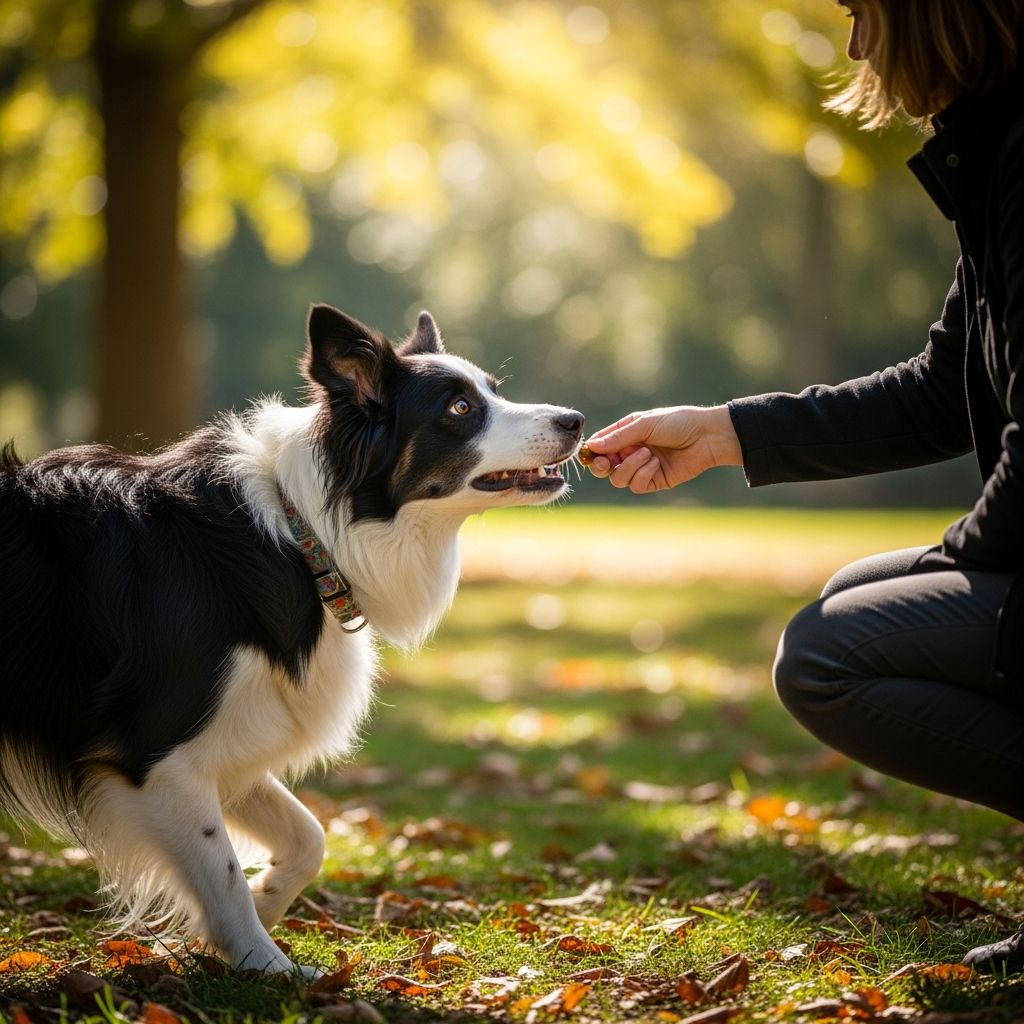
Traditional notions of establishing dominance over dogs through alpha training have given way to evidence-based approaches that prioritize partnership and positivity. These contemporary methods leverage scientific insights to foster reliable behaviors while enhancing the human-canine relationship.
The Flaws in Dominance-Based Training
Early dog training drew heavily from wolf pack dynamics, promoting owners as ‘alpha’ leaders who must suppress a dog’s instincts via physical corrections and intimidation. This perspective misinterpreted wild wolf behaviors and failed to account for domesticated dogs’ unique evolutionary path.
Studies reveal that such coercive tactics often heighten fear, anxiety, and aggression in dogs, undermining long-term learning. Dogs subjected to punishment show elevated stress hormones, leading to avoidance or defensive reactions rather than true comprehension.
Positive Reinforcement: The Science-Backed Alternative
At the core of modern training lies
positive reinforcement
, where desirable actions earn immediate rewards like treats, toys, or verbal praise. This method capitalizes on dopamine release in the dog’s brain, solidifying neural pathways for repeated success.Research demonstrates that reward-focused dogs acquire skills quicker, retain them longer, and exhibit fewer problem behaviors compared to those trained aversively. Veterinary behaviorists endorse this as the gold standard, noting reduced stress and stronger owner bonds.
- Reward desired actions instantly to create clear associations.
- Use high-value motivators tailored to your dog’s preferences, such as food for food-driven breeds or play for high-energy ones.
- Maintain brief sessions of 5-10 minutes to preserve focus and end positively.
Key Tools in Reward Training
Marker signals like clickers or verbal cues such as ‘yes’ pinpoint exact moments of correct behavior, bridging the gap to the reward. This precision accelerates learning by eliminating ambiguity.
Consistency across family members ensures the dog receives uniform feedback, preventing confusion.
| Traditional Method | Modern Alternative | Outcomes |
|---|---|---|
| Leash jerks, scolding | Treat rewards, redirection | Less fear, faster learning |
| Forced compliance | Setup for success | Higher confidence, better retention |
| Dominance displays | Relationship building | Stronger trust, fewer issues |
Technology’s Role in 2026 Training
Advancements in AI and wearables are transforming how we understand and guide canine behavior. Smart collars track heart rate, activity, and stress indicators, allowing real-time adjustments during sessions.
AI apps analyze video footage to detect subtle cues like ear position or tail wags, generating personalized plans based on breed, age, and history. These tools democratize professional insights for everyday owners.
- Behavioral profiling flags early stress for proactive tweaks.
- Virtual coaching apps adapt lessons dynamically.
- VR simulations expose dogs to controlled challenges, aiding desensitization.
Personalized and Relationship-Focused Approaches
Recognizing each dog’s individuality—considering motivation, temperament, and emotional state—is paramount. What energizes a herding breed may bore a scent hound; thus, trainers customize rewards and pacing.
Relationship-based training views sessions as collaborative, building mutual trust. Dogs with secure attachments prove more resilient, eager learners who generalize skills across environments.
Addressing Common Challenges Without Force
Unwanted behaviors like jumping or pulling stem from unmet needs or poor communication, not defiance. Instead of punishment, redirect to alternatives and reinforce calm states.
For reactivity, gradual exposure paired with counter-conditioning—pairing triggers with rewards—rebuilds positive associations. Patience and setup for success minimize setbacks.
Enrichment and Mental Stimulation
Beyond commands, modern protocols integrate puzzle toys, scent games, and trick training to satisfy cognitive drives. These activities prevent boredom-induced issues, promoting a balanced lifestyle.
Short, engaging sessions with interactive play enhance focus and joy, aligning with dogs’ natural inclinations.
FAQs on Modern Dog Training
Does positive reinforcement work for stubborn dogs?
Yes, it excels across breeds by addressing root motivations rather than suppressing behaviors. Consistency yields results even with challenging cases.
How long until I see improvements?
Basic skills emerge in days with daily practice; complex behaviors take weeks. Track progress via apps for motivation.
Can I mix old and new methods?
Avoid; aversives can erode trust built by rewards, creating inconsistency. Commit fully to positivity for best outcomes.
What if my dog ignores rewards?
Identify true motivators—experiment with play, access to walks, or novel toys. Hunger enhances food appeal during sessions.
Is tech necessary for effective training?
No, but it amplifies success. Core principles of timing and reinforcement stand alone powerfully.
Implementing a Training Plan
Start with foundational cues: sit, down, recall. Break into micro-steps, rewarding approximations. Gradually fade lures, proofing in distractions.
Daily integration via management—leashes, gates—prevents rehearsal of errors while positives build repertoire.
Professional guidance accelerates progress, especially for rescues or adolescents. Certified trainers emphasize ethics aligned with welfare science.
References
- Modern Dog Training methods: Less “No!”, More “Yes!” — Hokuō Pet. 2023. https://www.hokuo.pet/blogs/blog/modern-dog-training-methods-less-no-more-yes
- Dog Training in 2026: What’s New and What Works — Petworks. 2026. https://www.petworks.com/articles/dog-training-in-2026-whats-new/
- 7 Emerging Trends in Dog Training You Need to Know for 2025 — Swan Family Dog Training. 2024. https://www.swanfamilydogtraining.com/7-emerging-trends-in-dog-training-you-need-to-know-for-2025/
- Blackwell E.J., Twells C., Seawright A., Casey R. — Applied Animal Behaviour Science (via Hokuō citation). 2008. https://doi.org/10.1016/j.applanim.2008.04.003
- Overall & Bennett — Journal of Veterinary Behavior (via Swan citation). 2018. https://doi.org/10.1016/j.jveb.2018.04.004
Similar Articles








Read full bio of medha deb




