

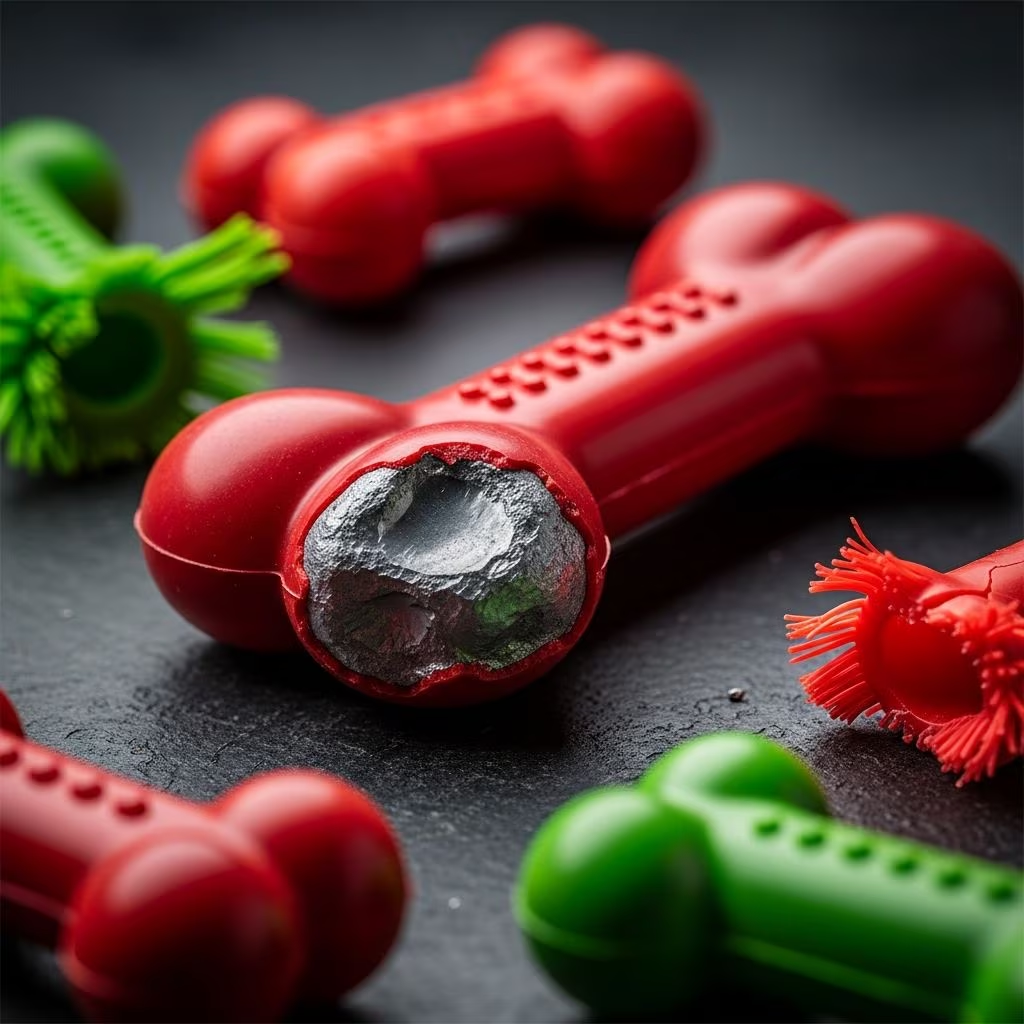
Dog toys are essential for play, mental stimulation, and dental health, but many contain hidden toxins like lead, formaldehyde, and phthalates that pose serious health risks including cancer and neurological damage. Pet owners must prioritize safety amid lax regulations to prevent poisoning and long-term harm.
The Hidden Dangers in Everyday Dog Toys
While colorful chew toys excite dogs, they often harbor toxic substances introduced during manufacturing. Without strict FDA oversight on pet toys—unlike children’s products—these items can leach harmful chemicals when chewed, licked, or ingested. Tests reveal mainstream toys tainted with heavy metals like cadmium, lead, and chromium, releasing carcinogens and neurological poisons as dogs play.
Lead poisoning affects puppies most severely, causing vomiting, tremors, abdominal pain, and blindness. Adult dogs face reproductive issues, immune suppression, and organ failure from prolonged exposure. Similarly, cancer-causing agents in preservatives and plastics accumulate over time, turning fun into a health crisis.
Common Toxic Chemicals Lurking in Dog Toys
Several chemicals commonly contaminate dog toys, each with devastating effects. Here’s a breakdown:
- Formaldehyde: Used as a preservative in rawhide chews to enhance durability, this carcinogen is absorbed through skin, inhalation, or ingestion. It links to nasal tumors, leukemia, and other cancers in dogs. Rawhide coated with formaldehyde tops the list of toxic dog toys—avoid it entirely.
- Lead: Found in paints on toy exteriors, lead causes poisoning with symptoms like neurological damage, seizures, and vision loss. Puppies are highly vulnerable; even trace amounts build up dangerously.
- Chlorine (PVC/Vinyl): Plastics softened with phthalates release chlorine gas and particles when torn. Chronic exposure leads to immune failure and cancer. Plastic dog toys often fail safety tests due to tearing risks requiring surgery.
- Phthalates: These plasticizers make PVC chewable but disrupt reproduction, harm gums, and irritate skin. They leach during play, adding to the unsafe toy tally.
- Cadmium: Present in plastic dyes, it interferes with calcium absorption, damaging joints and kidneys while causing lung tumors and leukemia.
| Chemical | Source in Toys | Health Risks |
|---|---|---|
| Formaldehyde | Rawhide preservatives | Cancer, leukemia |
| Lead | Paints/coatings | Poisoning, blindness, tremors |
| Chlorine (PVC) | Plastic toys | Immune failure, cancer |
| Phthalates | Plastic softeners | Reproductive damage |
| Cadmium | Dyes | Joint/kidney damage, tumors |
This table summarizes key threats, highlighting why no regulation allows unchecked toxins in pet products.
How Toxins Enter Dog Toys During Manufacturing
Toxins infiltrate toys via cheap materials and poor quality control. Manufacturers cut costs with unregulated chemicals for durability—glues, preservatives, and dyes that are known carcinogens. Plastics and rubbers inherently release phthalates and heavy metals when chewed.
Global supply chains, especially from regions with lax standards, import contaminated items. Latex toys, touted as plastic alternatives, still carry lead risks. Without mandatory testing, these reach shelves, burdening owners with safety checks.
Fire retardants, stain guards, and bright dyes add formaldehyde and untested chemicals. Wet fabrics leach dyes not safety-tested for ingestion, amplifying dangers during enthusiastic play.
Symptoms of Toxic Exposure in Dogs
Early detection saves lives. Watch for:
- Gastrointestinal issues: Vomiting, diarrhea, appetite loss from ingestion.
- Neurological signs: Tremors, seizures, lethargy, blindness from lead.
- Behavioral changes: Aggression, confusion, weakness.
- Reproductive problems: Infertility, abnormal heats from phthalates.
- Cancer indicators: Unexplained lumps, weight loss, persistent coughing.
If suspected, seek vet care immediately—blood tests confirm heavy metals. Delays worsen organ damage.
Why Tennis Balls and Rawhide Are Surprisingly Unsafe
Tennis balls seem innocent but pose choking hazards for large breeds; their felt abrades teeth, and cores contain zinc and lead. One Shepherd choked fatally despite warnings.
Rawhide, despite popularity, swells in stomachs causing blockages and contains formaldehyde. Digestion is impossible, often requiring surgery.
How to Choose Safe, Non-Toxic Dog Toys
Empower yourself with these strategies:
- Check for certifications: Seek BPA-free, phthalate-free, non-toxic labels from reputable makers.
- Sniff test: Strong chemical odors signal residues—avoid.
- Inspect materials: Opt for natural rubber, hemp, or wood over plastics/paints.
- Size appropriately: Toys too small reach molars, risking shreds.
- Research recalls: Use FDA lists and Healthy Stuff searches.
- Contact manufacturers: Ask about testing and sourcing.
Match toys to play style: power chewers need heavy rubber; gentle dogs suit fabrics. Rotate toys to maintain interest without over-reliance.
Top Safe Alternatives to Toxic Toys
Safe options prioritize durability and purity:
- Natural rubber toys: Like Kong—tough, non-toxic, fillable for engagement.
- Hemp rope toys: Durable, chemical-free for tug-of-war.
- Organic cotton plush: Undyed, safe for fetch.
- Antler chews: Naturally shed, mineral-rich without preservatives.
- Wooden toys: Untreated maple or olive wood for gentle chewers.
Invest in quality: Higher upfront costs offset vet bills from cheap toxins.
General Safety Tips for Playtime
- Supervise all sessions to prevent ingestion.
- Avoid sticks, stones, single-hole balls (suction traps).
- Discard frayed/damaged toys immediately.
- Rotate varieties: squeakers, puzzles, balls for balanced stimulation.
- Never substitute toys for interaction—walks and training build bonds.
Frequently Asked Questions (FAQs)
Are plastic dog toys safe?
No, they often contain PVC, phthalates, and cadmium, leading to cancer and organ damage. Choose natural alternatives.
Is rawhide good for dogs?
Definitely not—formaldehyde and choking risks make it toxic. Opt for safer chews.
How do I know if a toy has lead?
Avoid painted toys; check manufacturer transparency and third-party tests like ConsumerAffairs findings.
What are signs of lead poisoning in dogs?
Vomiting, tremors, blindness—test via vet bloodwork.
Can small dogs handle the same toys as big ones?
No, size matters for choking; toxicity levels vary by weight—Chihuahuas face higher risks from child-safe doses.
Final Thoughts on Protecting Your Pup
By scrutinizing materials, matching play styles, and choosing certified safe toys, you safeguard your dog’s health amid unregulated markets. Proactive choices prevent tragedies, ensuring joyful, toxin-free play.
References
- How to Avoid Toxic Dog Toys that Can Cause Cancer — We Are The Cure. 2023. https://wearethecure.org/how-to-avoid-toxic-dog-toys-that-can-cause-cancer/
- The Definitive Guide to Choosing Safe Dog Toys — Kinship. 2024. https://www.kinship.com/dog-health/choosing-safe-dog-toys
- Pet Products Aren’t Free from Lead Poisoning Risk — WPXI. 2024-10-15. https://www.wpxi.com/video/pet-products-arent-free-lead-poisoning-risk-heres-what-you-should-look-out/b9d40c60-81b9-434a-a0a3-172aea988230/



