

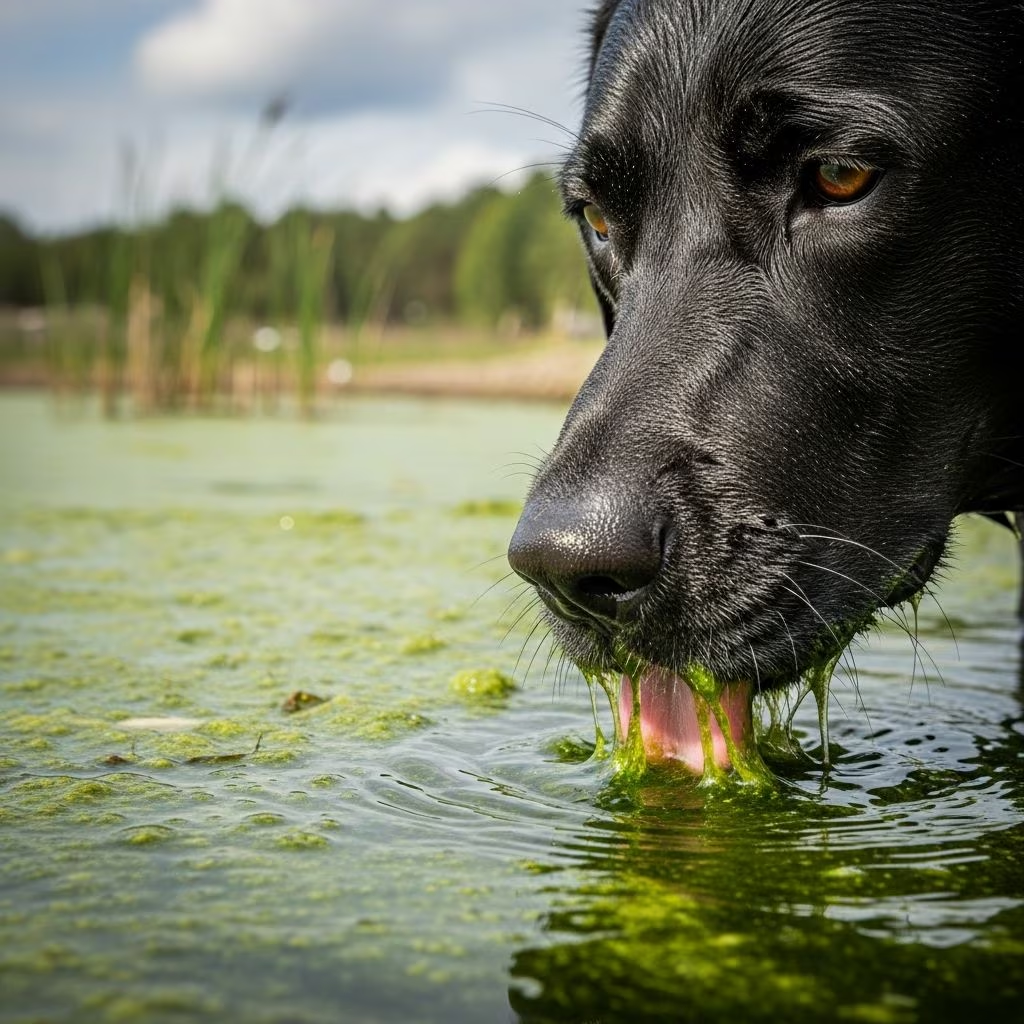
Toxic blue-green algae, scientifically known as cyanobacteria, lurks in freshwater bodies worldwide, posing a severe danger to dogs. These microscopic organisms thrive in warm, nutrient-rich waters, forming blooms that release potent neurotoxins and hepatotoxins capable of causing rapid organ failure or death in pets. Unlike harmless green algae, cyanobacteria produce cyanotoxins such as microcystins, anatoxins, and saxitoxins, which target the liver, nervous system, or skin upon exposure through ingestion, inhalation, or contact. Dog owners must remain vigilant, as blooms often appear suddenly during summer months in stagnant ponds, lakes, reservoirs, and slow-moving rivers.
Climate change exacerbates the issue by warming waters and increasing nutrient runoff from agriculture and urban areas, leading to more frequent and intense blooms. Even small amounts of contaminated water can prove fatal, with symptoms manifesting in as little as 15 minutes to several days. This guide covers identification, symptoms, treatment, prevention, and FAQs to equip pet parents with knowledge to safeguard their dogs.
What Is Blue-Green Algae?
Blue-green algae are not true algae but photosynthetic bacteria called cyanobacteria that form dense blooms in freshwater environments. They flourish in calm, warm waters enriched with phosphorus and nitrogen from fertilizers, sewage, or animal waste. When conditions are ideal—typically late summer with temperatures above 75°F (24°C)—they multiply rapidly, creating visible scum on the surface.
Cyanobacteria have existed for billions of years and play roles in nitrogen fixation, but harmful algal blooms (HABs) occur when toxin-producing strains dominate. The U.S. EPA notes that over 50% of freshwater HABs produce toxins dangerous to animals and humans. In dogs, exposure happens via drinking, swimming, or licking fur after contact, with smaller breeds at higher risk due to lower body mass.
How to Identify Toxic Blue-Green Algae
Spotting toxic blooms is crucial for prevention. Look for these telltale signs:
- Green or blue scum on the water surface, resembling paint or pea soup.
- Streaks or filaments in green, blue, or brown hues swirling in the water.
- Clumps or flakes floating like seaweed, often with a musty odor.
- Cloudy water with greenish tint or brown dots.
- Foam along shores, mimicking sewage discharge.
- Dead fish or wildlife—a stark warning sign.
Appearance varies by strain and conditions; not all green water is toxic, but avoid any suspicious water. Blooms can shift with wind or agitation, concentrating toxins in shallow areas where dogs play. Local health departments often post advisories; check apps or websites for real-time alerts.
Symptoms of Blue-Green Algae Poisoning in Dogs
Symptoms depend on the toxin: hepatotoxins (e.g., microcystins) damage the liver, neurotoxins (e.g., anatoxins) attack the nervous system, and dermatoxins cause skin irritation. Onset ranges from 15 minutes (neurotoxins) to days (liver/skin toxins). Common signs include:
- Vomiting or bloody diarrhea
- Excessive drooling or salivation
- Weakness, lethargy, or collapse
- Neurological issues: tremors, twitching, seizures, disorientation, paralysis
- Breathing difficulties or rapid panting
- Skin reddening, blisters, or hives (dermal toxins)
- Increased thirst, pale gums, jaundice
- Sudden death without prior warning
Hepatotoxins can cause liver failure in hours, leading to hemorrhagic gastroenteritis and coagulopathy. Neurotoxins mimic organophosphate poisoning with muscle rigidity and respiratory arrest. If suspected, rush to a vet—early detection improves odds.
Treatment for Blue-Green Algae Poisoning
No antidote exists for cyanotoxins, so treatment focuses on decontamination, symptom control, and supportive care. Success hinges on speed; delays often prove fatal.
Immediate Steps:
- Rinse thoroughly with clean water to remove toxins from fur/skin.
- Do NOT induce vomiting at home—risks aspiration pneumonia.
- Transport to vet urgently, even if asymptomatic.
Veterinary Interventions:
| Treatment | Purpose | Source |
|---|---|---|
| Induce vomiting (if early)/activated charcoal/cholestyramine | Remove unabsorbed toxins | |
| IV fluids/electrolytes/glucose | Support hydration, flush toxins, stabilize | |
| Anti-seizure meds (e.g., diazepam)/muscle relaxants | Control tremors, rigidity | |
| Atropine | Counter saxitoxin effects | |
| Liver protectants (e.g., SAMe)/antibiotics | Support liver, prevent secondary infection | |
| Oxygen/ventilator, blood products | Manage respiratory failure/shock | |
| Anti-nausea (e.g., Cerenia) | Control vomiting |
Monitoring includes serial bloodwork for liver enzymes, clotting times. Skin cases may need topical antibiotics. Prognosis is guarded; liver/neurotoxin cases have high mortality (up to 90%), while dermal exposures often resolve.
Prevention: Keeping Dogs Safe from Algae
Prevention is paramount since treatment success is limited.
- Avoid risky waters: No swimming/drinking in stagnant, scummy areas. Stick to chlorinated pools or tested beaches.
- Supervise closely: Prevent licking fur post-water play; rinse immediately.
- Train ‘leave it’: Discourage drinking from unknown sources.
- Check advisories: Use EPA/CDC HAB trackers, local alerts.
- Maintain yard: Reduce fertilizer runoff to curb blooms locally.
- Symptom watch: Act fast on any odd behavior post-water exposure.
Breed/size matters—small dogs ingest proportionally more. Year-round vigilance needed as blooms occur in fall/spring too.
Frequently Asked Questions (FAQs)
Can all blue-green algae harm dogs?
Not all strains are toxic, but many are—err on caution with any bloom.
How quickly does poisoning occur?
Neurotoxins: 15-60 min; hepatotoxins: hours-days.
Is there a test for exposure?
Vets use bloodwork (elevated liver enzymes, bilirubin); water testing via labs.
Can dogs recover fully?
Possible with early intervention, but survivors may have chronic liver damage.
What if my dog just swam in green water?
Rinse immediately, monitor 48-72 hours, call vet if symptoms appear.
Are humans at risk too?
Yes—similar symptoms; CDC tracks HABs.
References
- Blue-Green Algae Poisoning in Dogs: Symptoms and Prevention — American Kennel Club (AKC). 2023. https://www.akc.org/expert-advice/news/blue-green-algae-symptoms-tips/
- Blue Green Algae Poisoning in Dogs — People’s Dispensary for Sick Animals (PDSA). 2024. https://www.pdsa.org.uk/pet-help-and-advice/pet-health-hub/conditions/blue-green-algae-poisoning-in-dogs
- How To Identify Toxic Blue-Green Algae: Keeping Your Dog Safe — PetMD. 2024. https://www.petmd.com/dog/poisoning/how-to-identify-blue-green-algae-for-dogs
- Cyanobacteria Poisoning — VCA Animal Hospitals. 2023. https://vcahospitals.com/know-your-pet/algae-poisoning
- Blue-green algae poisoning: Cyanobacteria toxicosis — Cornell University College of Veterinary Medicine. 2024. https://www.vet.cornell.edu/departments-centers-and-institutes/riney-canine-health-center/canine-health-topics/blue-green-algae-poisoning-cyanobacteria-toxicosis
- Toxic Algae: Hazard for Dogs — Oregon Veterinary Medical Association. 2022-06-01. https://www.oregonvma.org/care-health/companion-animals/health-safety/toxic-algae-hazard-for-dogs
- For Veterinarians: Harmful Algal Bloom-Associated Illnesses — Centers for Disease Control and Prevention (CDC). 2024. https://www.cdc.gov/harmful-algal-blooms/hcp/veterinarians/index.html



