

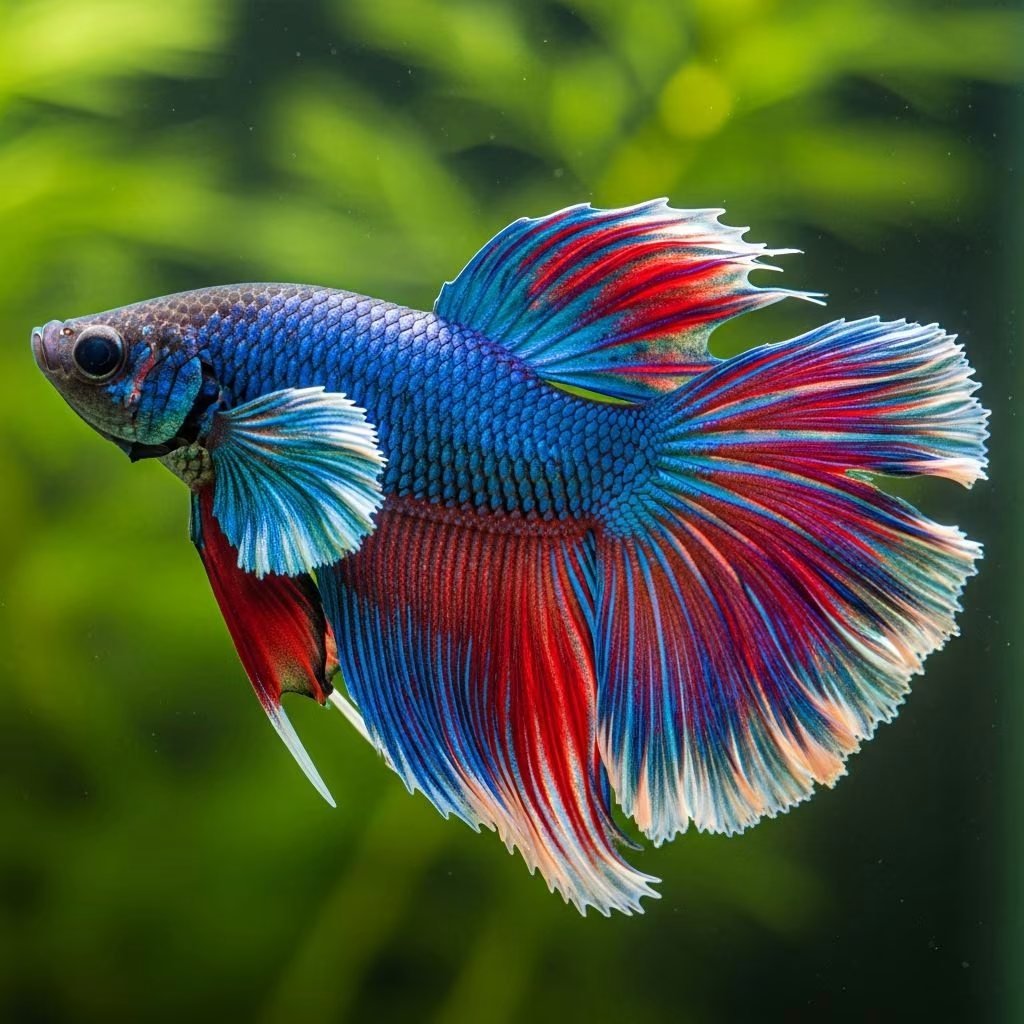
Betta fish are among the most popular freshwater aquarium pets, prized for their vibrant colors and flowing fins. However, their beautiful, delicate fins make them particularly vulnerable to fin rot, a common bacterial or fungal infection that affects aquarium fish worldwide. Understanding this condition is essential for any betta owner who wants to maintain their pet’s health and appearance.
What Is Betta Fish Fin Rot?
Fin rot is a common aquarist term for fraying, discoloration, or erosion of a fish’s fins that is usually driven by bacteria or fungus attacking already damaged tissue. The condition represents one of the most visible signs of stress and poor environmental conditions in a betta’s tank. Unlike some fish diseases that develop quickly, fin rot typically progresses gradually, giving observant owners a window of opportunity to intervene before the condition becomes severe.
Betta fish are especially susceptible to fin rot because their long, flowing fins provide an expansive surface area for bacterial and fungal infections to take hold. These delicate fins can be easily damaged by sharp decorations or aggressive interactions, creating openings for pathogens to invade. The infection itself doesn’t typically occur in healthy fish with strong immune systems; instead, it takes advantage of stressed bettas whose natural defenses have been compromised.
Understanding the Stages of Fin Rot
Fin rot progresses through three distinct stages, each with different visual indicators and severity levels. Recognizing which stage your betta is experiencing helps determine the appropriate treatment approach.
Mild Fin Rot
Early-stage fin rot may cause slight fraying, discoloration, or transparency at the outer edges of the fins. The symptoms at this stage can easily go unnoticed by fish owners because the changes are subtle and occur gradually. You might notice barely perceptible brownish or whitish discoloration at the fin tips or very slight jagged edges that differ from your betta’s normal fin appearance. Early detection during this phase offers the best chance for quick recovery with minimal intervention.
Moderate Fin Rot
As the infection progresses, fins show visible tearing or holes, often with red, brown, or black edging. The deterioration becomes unmistakable, with portions of fin tissue visibly missing or receding. At this stage, fuzzy growth may begin appearing on the affected fins, indicating a possible fungal component to the infection. Most owners will notice behavioral changes alongside the physical symptoms, prompting them to seek treatment.
Severe Fin Rot
When a betta fish reaches severe fin rot, the disease has progressed deep into the fin base or even reached the body itself. Ulcers may appear, and the fish may display signs of systemic illness, including lethargy, loss of appetite, and difficulty swimming. At this advanced stage, the infection can spread to the body, causing body rot and potentially leading to secondary infections like columnaris. Without immediate veterinary intervention, severe fin rot can become life-threatening.
Recognizing Fin Rot Symptoms
Early detection of fin rot gives your betta the best chance for a complete recovery. Regularly observing your fish allows you to spot changes before they become severe. Watch for these visual and behavioral indicators:
Visual Symptoms
– Frayed and ragged fin edges- Fins appearing shorter or uneven due to tissue loss- Discoloration at the edges in shades of brown, red, black, or white- White fuzz or mucus-like film on affected areas (particularly indicating fungal infection)- Increased inflammation and redness at the fin base in advanced cases
Behavioral Symptoms
– Clamped fins held close to the body- Hiding in plants or behind decorations- Sluggish or lethargic swimming patterns- Reduced appetite or refusal to eat- Remaining at the bottom of the tank- Skittish behavior when approaching the tank
If you notice any combination of these symptoms, contact your veterinarian to determine an appropriate treatment plan before the condition worsens.
What Causes Fin Rot in Bettas?
Fin rot usually traces back to tank conditions and stress factors that weaken a betta’s immune system. Understanding the root causes helps prevent the condition from developing in the first place. The primary culprits include:
Poor Water Quality
The most common cause of fin rot is suboptimal water conditions. High levels of ammonia or nitrites damage a betta’s gills, causing stress and reducing their susceptibility to bacterial infections. Ammonia specifically can burn the betta’s fins directly while simultaneously weakening their immune response. Water should be tested regularly to ensure ammonia and nitrite levels remain at zero parts per million (ppm), while nitrate levels should stay below 20 ppm.
Improper Temperature
Bettas are tropical fish requiring water temperatures between 78-81 degrees Fahrenheit. Temperatures significantly below this range create stress that suppresses immune function. Even minor temperature fluctuations can trigger the conditions that allow fin rot to develop. Sudden temperature swings are particularly problematic, as they shock the fish’s system.
Physical Injuries
Fin injuries from sharp decorations or aggressive tank mates create entry points for bacteria and fungi. Bettas have delicate fins that can be damaged by rough castle decorations, sharp plants, or tank mates that nip at their fins. Once the protective barrier of the fin tissue is compromised, opportunistic pathogens can colonize the wound.
Overcrowding and Tank Stress
Overcrowding increases bioload in the tank, rapidly deteriorating water quality while simultaneously stressing the fish. High population density creates competition for resources and increases aggressive interactions. Many betta owners keep their fish in tanks that are too small, not realizing that adequate space is crucial for health.
Nutritional Issues
Low-quality nutrition or an imbalanced diet compromises immune function, making bettas more susceptible to infections. Overfeeding pollutes the tank while underfeeding leaves the fish malnourished. Inconsistent feeding practices prevent the betta from maintaining optimal health.
Diagnosing Fin Rot in Your Betta
Most fin rot is diagnosed through appearance and by identifying the underlying stressors that contributed to its development. A fish-savvy veterinarian or experienced aquarist will take a comprehensive approach that includes:
– Reviewing water-testing results (ammonia, nitrite, nitrate, pH, temperature)- Assessing husbandry practices (tank size, filtration, maintenance schedule, tank mates)- Examining a swab or wet mount from affected fins to determine bacterial or fungal presence under microscopy- Evaluating the fish’s overall behavior and appetite- Checking for signs of other diseases or secondary infections
Treatment Options for Betta Fin Rot
Treatment depends on the severity of the fin rot and must address both the infection and the underlying causes. Different levels of infection require different approaches.
Treating Mild Fin Rot
Mild fin rot often responds well to environmental improvements alone:
– Check tank pH level (ideal range: 6.5-7.5) and temperature (ideal range: 78-81 degrees Fahrenheit)- Perform a 50 percent water change with fresh, conditioned, non-chlorinated tap water- Maintain a strict schedule of regular water testing and partial water changes- Remove any sharp decorations that could further damage delicate fins- Ensure the filter is functioning properly and provide adequate aeration- Feed high-quality betta pellets appropriate for the species
Treating Moderate to Severe Fin Rot
More advanced fin rot requires medication in addition to environmental corrections. When dealing with severe cases, your veterinarian may recommend:
– Moving the betta to a separate quarantine tank with fresh, conditioned, heated water- Adding an airstone or bubbler, as certain medications can reduce oxygen levels- Using broad-spectrum antibiotics like erythromycin for bacterial infections- Applying fast-acting fungal treatments like Fritz Expel-F for fungal infections- Removing activated carbon from the filter before starting treatment, as it absorbs medications- Following medication instructions carefully to avoid overdosing- Monitoring for secondary issues such as dropsy or ulcer development
Will fin rot cure itself? No. Without intervention, including changing water quality, fin rot will likely worsen and may lead to more serious health issues and worse infections.
Recognizing Healing Progress
After beginning treatment, watch for signs that your betta is recovering. Look for clean, clear edges at the fins and gradual regrowth of missing tissue. Your betta should become more active and show renewed interest in food if loss of appetite was one of the initial symptoms. Full recovery typically takes several weeks, with new fin tissue gradually regenerating to restore the betta’s beautiful appearance.
Prevention Strategies for Fin Rot
The best way to deal with fin rot is to prevent it from developing in the first place. Consistent tank care and proper husbandry practices significantly reduce the risk:
– Maintain steady tank conditions with regular water testing- Perform partial water changes (25-30 percent) every week- Keep the tank temperature between 78-81 degrees Fahrenheit with a reliable heater- Use gentle, smooth decorations without sharp edges- Avoid overcrowding and keep only compatible tank mates- Feed appropriate portions of high-quality betta food- Clean the filter regularly without removing beneficial bacteria- Provide hiding spaces and plants for security- Minimize stress from loud noises and sudden movements
Frequently Asked Questions
Q: Is betta fin rot contagious to other fish?
A: Fin rot is not usually contagious unless other fish have weakened immune systems. However, it’s wise to maintain separate tanks to prevent transmission of the bacteria or fungus to tank mates.
Q: How long does it take for betta fin rot to heal?
A: Recovery time varies depending on severity. Mild cases may show improvement within 1-2 weeks with proper water changes, while severe cases treated with medication may take 4-6 weeks or longer for complete fin regeneration.
Q: Can I treat fin rot without medication?
A: Yes, mild fin rot often responds to improved water conditions alone. However, moderate to severe cases typically require antibacterial or antifungal medication for effective treatment.
Q: What temperature should betta water be to prevent fin rot?
A: Betta fish require water temperatures between 78-81 degrees Fahrenheit. Temperatures below 78 degrees create stress that weakens their immune system and increases fin rot risk.
Q: How often should I change the water to prevent fin rot?
A: Perform partial water changes of 25-30 percent weekly for standard 5-10 gallon tanks. For smaller tanks, more frequent changes may be necessary to maintain water quality and prevent ammonia buildup.
References
- Betta Fish Fin Rot: Symptoms, Causes, and Treatment — Chewy Education. 2025. https://www.chewy.com/education/fish/betta-fish/betta-fish-fin-rot
- Aquatic Animal Medicine — Merck Veterinary Manual. 2024. https://www.merckvetmanual.com/
- Betta Fish Fin Rot: Symptoms, Causes, Treatment — BettaFish.org. 2025. https://bettafish.org/diseases/fin-rot/
- Say Goodbye to Fin Rot: A Comprehensive Guide on How to Treat and Prevent Betta Fin Rot — TropicFlow. 2024. https://tropicflow.com/blogs/male-betta-fish-blog/say-goodbye-to-fin-rot-a-comprehensive-guide-on-how-to-treat-and-prevent-betta-fin-rot
- Fin Rot & Body Rot – Symptoms & Treatment — Bettaboxx. 2024. https://www.bettaboxx.com/betta-disease-illness/fin-rot-body-rot
- Fin Rot: Causes, Symptoms and Treatments — AquaCadabra. 2024. https://aquacadabra.com/blogs/news/fin-rot-causes-symptoms-and-treatments
- 5 Quick and Easy Steps for Treating Fin Rot — Aquarium Coop. 2024. https://www.aquariumcoop.com/blogs/aquarium/fin-rot



