
Betta Fish Facts: Lifespan, Origin, Care & More
Complete guide to betta fish facts, lifespan, origins, and essential care requirements.
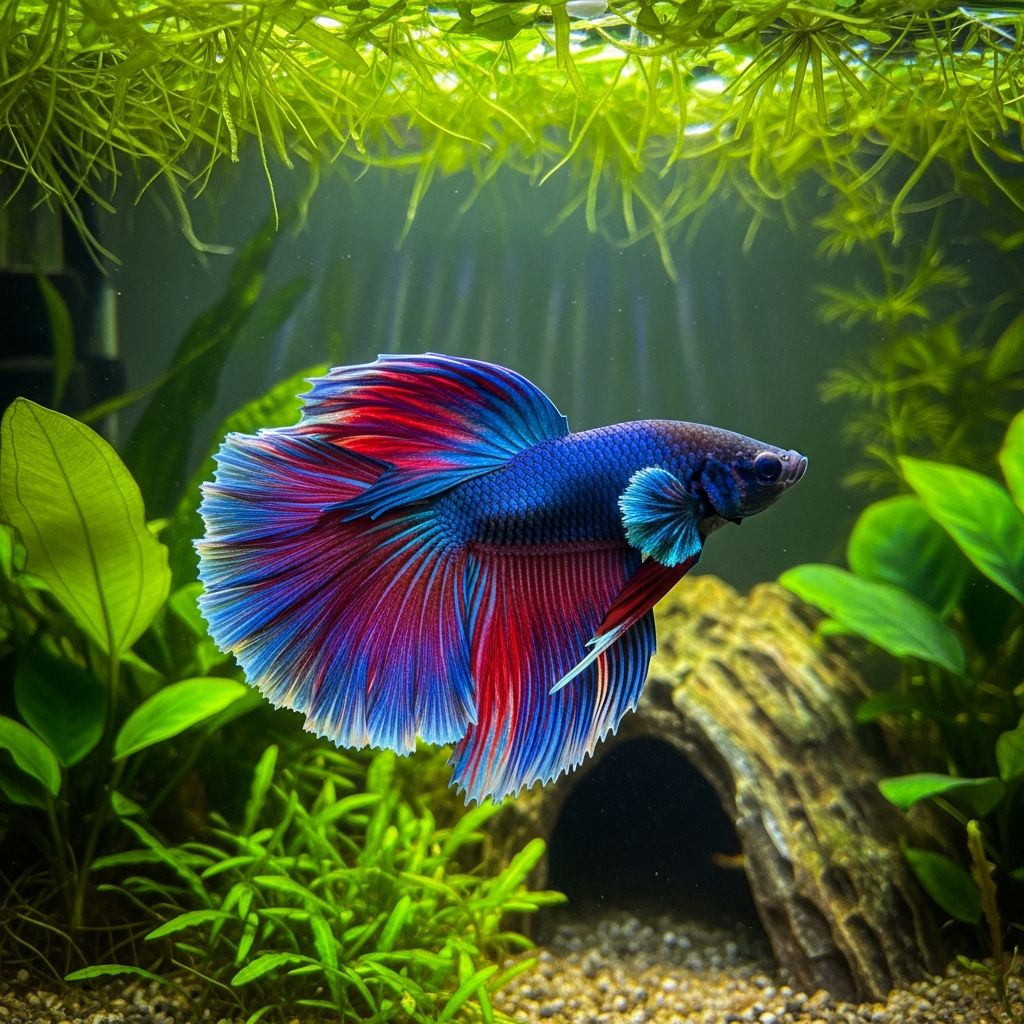
Betta fish, scientifically known as Betta splendens, are among the most popular freshwater aquarium fish kept by hobbyists worldwide. These vibrant, colorful creatures have captivated fish enthusiasts for centuries with their striking appearance and fascinating behaviors. Whether you’re a beginner aquarist or an experienced fish keeper, understanding betta fish facts is essential for providing proper care and ensuring your fish thrives for years to come. This comprehensive guide explores everything you need to know about these remarkable fish, from their origins to their specific care requirements.
What Are Betta Fish?
Betta fish are small freshwater fish native to Southeast Asia, particularly Thailand, Cambodia, Laos, and Vietnam. They belong to the family Osphronemidae and are known for their elaborate fins, vibrant coloration, and aggressive territorial behavior. The common name “Siamese fighting fish” derives from Thailand’s former name, Siam, and references the males’ notorious tendency to engage in fierce combat with one another. These fish have adapted to thrive in various aquatic environments, from flowing streams to stagnant pools, making them remarkably resilient in captivity.
What sets betta fish apart from many other aquarium species is their unique labyrinth organ, a specialized respiratory structure that allows them to breathe air directly from the water’s surface. This adaptation enables bettas to survive in low-oxygen environments and explains why they frequently visit the top of their tanks to gulp air. Understanding this natural behavior is crucial for proper tank setup and maintenance.
Betta Fish Lifespan and Longevity
One of the most common questions new betta owners ask is how long these fish live. With proper care, betta fish typically live between three to five years. Some bettas have been known to live slightly longer under optimal conditions, though this requires consistent dedication to water quality and nutrition. The lifespan of your betta depends significantly on several factors including tank size, water temperature, diet quality, and overall husbandry practices.
Bettas kept in inadequate conditions, such as small unfiltered bowls or tanks with poor water quality, often experience shortened lifespans and health complications. Conversely, those provided with spacious tanks, proper filtration, consistent heating, and nutritious diets can reach the upper end of their life expectancy. Many experienced aquarists report that bettas in well-maintained 10-gallon or larger tanks with stable conditions often live closer to five years or beyond.
Physical Characteristics and Size
Adult betta fish typically measure approximately 2.5 inches in body length, not including their tail. However, the tail can extend considerably beyond the body, making them appear much larger than they actually are. Males tend to have more elaborate and flowing fins compared to females, contributing to their ornamental appeal in aquariums.
The coloration of betta fish is extraordinarily diverse. Wild bettas display more muted colors, while selective breeding has produced captive bettas in virtually every color imaginable—including red, blue, green, orange, yellow, white, and black. Some bettas exhibit marbled or metallic patterns, and certain genetic lines display iridescent or “copper” coloration that shifts in different lighting. Young bettas, or fry, can be sexed by observing their developing fin structures, with males showing longer fin extensions at an early age.
Tank Requirements and Habitat Setup
Minimum Tank Size
While betta fish can survive in small containers, modern aquarium standards recommend a minimum tank capacity of at least one gallon. However, the five-gallon tank has become widely recognized as a more appropriate minimum size that provides adequate space for natural behaviors and better water quality stability. For optimal health and to observe the full range of betta behaviors, a 10-gallon tank is even more desirable.
The commonly perpetuated myth that bettas thrive in small bowls is a harmful misconception. Larger tanks provide superior water stability, better oxygen levels, and space for the fish to exhibit natural swimming patterns. Bettas kept in adequate-sized tanks demonstrate more vibrant coloration, better overall health, and longer lifespans.
Water Parameters and Temperature
Maintaining proper water conditions is fundamental to betta health. Betta fish are tropical fish requiring warm water temperatures between 72–82°F. An aquatic heater should be installed in the tank to ensure that water temperatures remain within this ideal range and do not fluctuate more than 2°F in a single day.
The pH level should be maintained between 6.0 and 8.0, with most bettas thriving in neutral to slightly acidic water. Water quality parameters, including ammonia, nitrite, and nitrate levels, should be tested regularly—at least weekly for the first two months after introducing your betta, then monthly thereafter.
Essential Equipment
A properly equipped betta tank includes the following components:
– A filter to maintain water quality and reduce ammonia and nitrite- A heater paired with a thermostat to regulate temperature- An aquarium thermometer for daily monitoring- Water test strips or a test kit for assessing water parameters- Water conditioner to remove chlorine and detoxify heavy metals- Decorations, preferably live aquatic plants, to provide hiding places and enrichment- A tank lid to prevent escapes, as bettas are known jumpers- Optional substrate such as sand or gravel- An LED light to support live plants and maintain natural day-night cycles
Cleaning and Maintenance
Water Change Schedule
Regular water changes are critical for maintaining stable water parameters and a healthy environment. Pet parents should perform routine water changes every two to four weeks, changing 10–25% of the total water volume. It’s essential to avoid draining and replacing all the water, as this removes beneficial bacteria that maintain the tank’s ecosystem.
When performing water changes, treat new water with a water conditioner before adding it to the tank. Always use spring water or dechlorinated tap water, as chlorine and heavy metals can harm your betta.
Daily and Weekly Maintenance
Establishing a consistent maintenance routine ensures optimal betta health:
– Daily: Feed your betta once or twice per day; check that all equipment is functioning properly; verify water temperature is within range- Weekly: Test water quality with test strips or a test kit; siphon aquarium substrate to remove accumulated waste; change 15–25% of water volume- Monthly: Replace filter media as needed; clean algae from aquarium glass and decorations; perform a 25–50% water change
Diet and Nutrition
Dietary Requirements
Betta fish are carnivorous and require a diet rich in protein. The foundation of a healthy betta diet consists of high-quality commercial betta pellets specifically formulated for their nutritional needs. Pellets are ideal because they’re small, easy to eat, and contain concentrated nutrition. Look for pellets containing dried, meaty ingredients like shrimp or salmon. Replace pellets every six months because nutrients like vitamin C can be lost over time.
Supplemental Foods
While pellets form the dietary base, supplementing with live, frozen, and freeze-dried foods boosts nutrition and enhances coloration. Excellent protein-rich options include:
– Bloodworms (live, frozen, or freeze-dried)- Brine shrimp- Daphnia- Other aquatic invertebrates
Frozen foods must be thawed in a cup of tank water before offering to your betta. Freeze-dried foods should be soaked before feeding as well. If offering live foods, either raise them yourself or purchase from a reputable pet store, as those of unknown origin may carry parasites and pathogens.
Feeding Guidelines
Betta fish are prone to obesity and bloating, so feed them once daily. Generally, bettas may be fed two to three pellets at one time. Overfeeding can cloud and foul tank water, especially in smaller, unfiltered aquariums. Always remove any uneaten food to prevent excess nitrite and ammonia accumulation.
Baby bettas should be fed smaller pellets or finely crushed flake food. Treats should be offered in limited quantities to prevent obesity.
Betta Fish Characteristics Overview
| Characteristic | Details |
|---|---|
| Difficulty of Care | Beginner |
| Average Lifespan | 3–5 years with proper care |
| Average Adult Size | 2.5 inches (not including tail) |
| Diet Type | Carnivorous |
| Minimum Tank Size | 1 gallon or larger (5+ gallons recommended) |
| Water Temperature | 72–82°F |
| pH Level | 6.0–8.0 |
Health Indicators and Veterinary Care
Signs of a Healthy Betta
Knowing the signs of a healthy betta helps you monitor their wellbeing:
– Bright, vibrant coloration- Full range of motion in fin movement, with equal movement on both sides- Intact fins extending to the edges with no discoloration or tears- Regular and active swim pattern throughout the tank- Large appetite and enthusiastic feeding response
Veterinary Care
Almost all bettas first introduced to a new home will likely experience at least one health issue, so it’s recommended to have them and their setup assessed by a veterinarian within a week of establishing them at home. Perform your own water quality tests and water changes weekly, utilizing a veterinarian if problems arise.
If your betta is moved from a quarantine tank to a larger tank with other fish, a veterinarian should reassess your fish. While bettas can be transported to a vet, it’s recommended to find an aquatics veterinarian who makes house calls or offers telehealth consultations.
Betta Fish Behavior and Temperament
Betta fish are known for their distinct personalities and behaviors. Males are highly territorial and will aggressively attack other male bettas, which is why they’re called “Siamese fighting fish.” Even the sight of another male can trigger aggressive displays, including flaring of fins and darkening of coloration.
Despite their aggressive nature toward other males, bettas can be social with their owners and often recognize the person who feeds them. They may perform displays and interact with their reflection or objects in the tank. Providing enrichment through decorations, plants, and varied stimuli helps keep bettas mentally engaged and prevents boredom-related stress.
Frequently Asked Questions
Q: Are betta fish easy to care for?
A: Yes, bettas are extremely easy to care for. Once you have their tank set up and arranged appropriately, they have minimal daily and weekly care needs. They’re suitable for beginners but still provide rewarding experiences for experienced aquarists.
Q: What do betta fish need in their tank?
A: Betta fish need a minimum 5-gallon tank (ideally 10-gallon) with a filter and heater. Live plants are recommended over plastic ones because plastic can damage their delicate fins. Essential equipment also includes a thermometer, water conditioner, and testing supplies.
Q: Can betta fish live in a bowl?
A: While bettas can survive in small containers due to their labyrinth organ, they don’t thrive in bowls. Larger tanks provide better water quality stability, more space for natural behaviors, and improved overall health outcomes.
Q: How often should I feed my betta?
A: Feed your betta once daily with two to three pellets per feeding. Overfeeding can lead to obesity, bloating, and poor water quality. Remove any uneaten food immediately.
Q: Do betta fish need a heater?
A: Yes, an aquatic heater should be installed to maintain water temperatures between 72–82°F and prevent fluctuations of more than 2°F daily. Without a heater, water temperature in most home environments will fluctuate, stressing your fish.
Q: How do I know if my betta is sick?
A: Signs of illness include loss of coloration, torn or damaged fins, lethargy, loss of appetite, and irregular swimming patterns. Contact an aquatics veterinarian if you notice these symptoms, as early intervention can prevent serious health complications.
References
- Betta Fish Care Guide: Habitat, Feeding, and Health — Chewy. 2024. https://www.chewy.com/education/fish/betta-fish/how-to-keep-your-betta-fish-healthy-and-happy
- Betta Fish Care Sheet — PetMD. 2024. https://www.petmd.com/fish/betta-fish-care-sheet
- 7 Betta Fish Facts: Lifespan, Origin, and More — PetMD. 2024. https://www.petmd.com/fish/care/betta-fish-facts
Similar Articles








Read full bio of medha deb


