

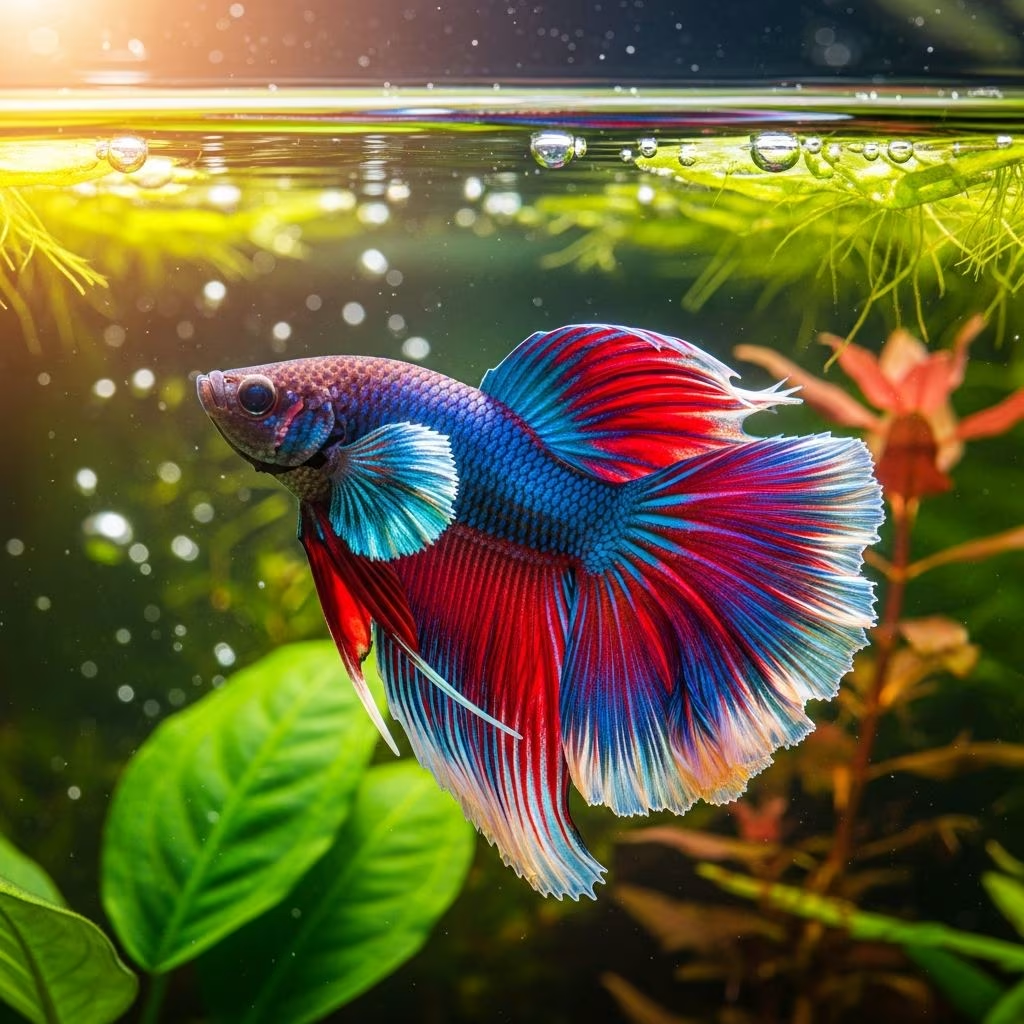
Betta Fish Facts: A Complete Guide to Understanding These Remarkable Aquatic Pets
Betta fish are among the most popular and captivating freshwater aquarium fish, known for their stunning colors, elaborate fins, and distinct personalities. Whether you’re a seasoned aquarium enthusiast or considering adding a betta to your collection, understanding these fascinating creatures is essential for their proper care and well-being. This comprehensive guide covers the most important betta fish facts that every owner should know.
Betta Fish Are Called Siamese Fighting Fish
The name “Siamese fighting fish” carries significant historical and cultural meaning. Betta fish, scientifically known as Betta splendens, earned this distinctive nickname due to their natural aggression and territorial behavior. In their native regions of Southeast Asia, particularly Thailand (formerly known as Siam), these fish have been selectively bred for hundreds of years for their fighting abilities. The practice of betta fighting has deep roots in Asian culture, though it is now considered inhumane and illegal in many countries.
The aggressive nature of bettas is not a behavioral choice but rather an evolutionary adaptation that developed in their natural habitat. Male bettas stake out territories in shallow water bodies and fiercely defend them against intruders. This hardwired territorial instinct remains strong in captive bettas today, making it crucial for aquarium owners to understand and respect these natural tendencies when housing these remarkable fish.
A Typical Betta Fish Lifespan Is 5-7 Years
When properly cared for, betta fish can live between 5 to 7 years in captivity, making them a long-term commitment for any aquarium enthusiast. This lifespan is significantly influenced by the quality of care provided, including tank size, water conditions, nutrition, and overall living environment. Bettas kept in inadequate conditions may have considerably shorter lifespans, while those receiving optimal care may even exceed the typical 5-7 year range.
To maximize your betta’s lifespan, ensure they are housed in an appropriately sized tank with proper filtration, maintained at optimal water temperatures between 75°F and 80°F (24°C to 27°C), fed a high-quality diet, and provided with enrichment and hiding spots. Regular water changes and monitoring for signs of illness also contribute significantly to longevity. Understanding that your betta is a long-term companion helps establish the commitment necessary for their success in captivity.
Female Betta Fish Are Friendlier Than Males
One of the most significant behavioral differences between male and female bettas relates to their territorial aggression and social compatibility. Male bettas are notoriously solitary and highly territorial creatures that cannot be housed together under virtually any circumstances. Males will attack other males with ferocity, leading to serious injury or death. They can also display aggression toward females and other fish species, making them unsuitable for community tanks in most situations.
Female bettas, conversely, exhibit significantly less territorial behavior and can be housed together under the right conditions. When female bettas are kept together in what aquarists call a “sorority,” they require ample space, multiple hiding spots, and careful observation to minimize conflicts. Typically, a sorority consists of four to five females, though the group’s size depends on tank dimensions and available resources. Female bettas can also coexist peacefully with other compatible fish species, including schooling fish like tetras and even non-aggressive species such as African dwarf frogs.
The temperament differences between males and females make females an excellent choice for community aquariums or those seeking a more social aquatic environment. However, even female bettas require monitoring, as individual personalities vary, and conflicts can still arise.
Betta Fish Types Range from Simple to Spectacular
The physical diversity among betta fish is remarkable, with variations in fin shape, size, color, and overall body structure. Male bettas typically display more vivid coloration and elaborate finnage compared to females, which tend to be smaller, paler, and possess shorter fins. The variation among betta types is so extensive that different forms are recognized by breeders and enthusiasts as distinct classifications.
Common Betta Fin Types
Betta fish are categorized into several distinct types based on their fin structure and appearance:
Crowntail Bettas
Crowntail bettas feature distinctive long tails with pointed extensions resembling a crown. The webbing between fin rays is greatly reduced, creating a spiky appearance that extends to the dorsal, anal, and caudal fins. This striking appearance makes crowntails highly recognizable and sought after by collectors.
Veiltail Bettas
Veiltail bettas possess long, flowing tails that cascade elegantly behind their bodies. These are among the most commonly found bettas in pet stores and are known for their graceful appearance and generally easier care requirements.
Halfmoon Bettas
Halfmoon bettas have tails that spread in a wide arc, resembling half of a circle or a perfect “D” shape when fully spread. The dorsal and anal fins are also significantly extended and ideally overlap with the tail edges. Halfmoon bettas are one of the most popular and well-known betta types.
Double Tail Bettas
These remarkable bettas possess two separate tails stacked on top of each other, creating an unusual and striking appearance. Double tail bettas have shorter, stouter bodies to accommodate their dual fins. They can appear in various variations, including halfmoon, plakat, and crowntail patterns.
Delta Tail Bettas
Delta tail bettas have fins with straight edges that extend outward from the fish’s back in a triangular or delta shape. These bettas present a sleek, angular appearance distinct from other tail types.
Elephant Ear Bettas
Elephant ear bettas feature enlarged fins near their head that resemble elephant ears. These distinctive pectoral fins give the fish a unique appearance and are particularly prized by enthusiasts seeking visually striking specimens.
Betta Fish Color Variations
Betta fish display an astonishing rainbow of colors and patterns determined by both genetics and environmental factors. Common color variations include reds, oranges, yellows, greens, turquoise, blues, steel, black, and white. Many bettas also display metallic sheens, translucence, or other special effects that enhance their visual appeal.
Orchid Bettas: These striking fish are predominantly black with accent colors appearing between the rays of their dorsal, anal, and caudal fins, creating a burst-like pattern resembling sunrays.
Dragon Scale Bettas: Dragon bettas feature thick, metallic scales covering their body and head, resembling the armor of a dragon. However, they are prone to developing “diamond eye,” a condition where scales grow to cover one or both eyes, potentially causing blindness.
A betta’s color can change based on mood, health, and surroundings. Stress, poor water quality, or inadequate diet can result in dull colors, while optimal conditions enhance their brilliance and vibrancy.
The Origin and Natural Habitat of Betta Fish
Betta fish originate from Southeast Asia, native to Cambodia, Laos, Myanmar, Malaysia, Indonesia, Thailand, and Vietnam. These freshwater fish naturally inhabit shallow, slow-moving bodies of water including streams, rice paddies, marshes, and small pools. Understanding their natural environment is crucial for providing appropriate care in captivity.
While the most common pet species is Betta splendens, there are over 70 different species of wild bettas in existence. The selective breeding of Betta splendens for color, fin appearance, and pattern has resulted in the diverse varieties available in the aquarium trade today. In their natural habitats, more than one male betta can coexist in large rice paddies, as the expansive space allows each male to establish and maintain separate territories with minimal conflict.
Unique Biological Adaptations of Betta Fish
Beyond their striking appearance and territorial behavior, betta fish possess several remarkable biological adaptations that set them apart from most other fish species. One of the most significant is their labyrinth organ, a specialized respiratory structure located behind their head that functions similarly to a lung. This adaptation allows bettas to breathe air directly from the water’s surface, supplementing their gill-based oxygen intake.
This remarkable ability enables bettas to survive in oxygen-poor environments where many other fish species would struggle. In shallow rice paddies and stagnant waters with low oxygen levels, bettas can simply rise to the surface and gulp air to meet their respiratory needs. Additionally, bettas are impressive jumpers in their natural environment, a skill that helps them navigate between small bodies of water and catch prey. This jumping ability makes it essential to keep betta tanks covered to prevent escape.
Frequently Asked Questions About Betta Fish
Q: How long do betta fish typically live?
A: With proper care, betta fish typically live between 5 to 7 years in captivity. Their lifespan depends significantly on tank conditions, water quality, diet, and overall care quality.
Q: Can male and female betta fish live together?
A: Generally, male bettas are highly territorial and cannot be housed together with other males or females. Female bettas, however, can sometimes live together in “sororities” or with other compatible fish species.
Q: Why are betta fish called Siamese fighting fish?
A: Betta fish earned this nickname due to their natural aggression and territorial behavior. They have been selectively bred for hundreds of years in Thailand (formerly Siam) for their fighting abilities.
Q: How many different types of betta fish are there?
A: There are over 70 different species of wild bettas, though most pet store bettas are Betta splendens. These are further classified into fin types including crowntail, veiltail, halfmoon, double tail, delta tail, and elephant ear bettas.
Q: What is the ideal water temperature for betta fish?
A: Betta fish are tropical fish requiring warm water between 75°F and 80°F (24°C to 27°C). Maintaining proper water temperature is essential for their health and well-being.
Q: Can betta fish breathe air?
A: Yes, betta fish possess a labyrinth organ that allows them to breathe air from the water’s surface, supplementing their gill-based oxygen intake. This adaptation enables them to survive in oxygen-poor environments.
Q: Are female betta fish less aggressive than males?
A: Yes, female bettas are significantly less territorial than males and exhibit less aggressive behavior. They can often be housed together or with other compatible fish species under appropriate conditions.
Conclusion
Understanding betta fish facts is essential for anyone considering these remarkable creatures as pets or seeking to improve their current care practices. From their fascinating Siamese fighting fish heritage to their diverse array of fin types and stunning colors, bettas are truly remarkable aquatic animals. Their typical 5-7 year lifespan requires a genuine commitment to proper care and maintenance. The significant behavioral differences between males and females make it crucial to match housing arrangements to individual fish temperaments. Whether you’re drawn to the solitary majesty of a male betta or the potential for social dynamics with female sororities, these fish offer unique and rewarding aquarium experiences. By respecting their natural instincts, providing optimal environmental conditions, and understanding their individual needs, you can ensure your betta fish thrives and brings years of beauty and interest to your aquarium.
References
- 5 Fascinating Betta Fish Facts — Chewy Education. Accessed 2025-11-28. https://www.chewy.com/education/fish/betta-fish/betta-fish-facts
- Top 10 Fascinating Betta Fish Facts Every Owner Should Know — Tropicflow. Accessed 2025-11-28. https://tropicflow.com/blogs/guide-knowledge/betta-fish-facts
- All the Different Types of Betta Fish — Aquarium Co-Op. Accessed 2025-11-28. https://www.aquariumcoop.com/blogs/aquarium/betta-fish-types
- Betta Fish: 10 Facts About Siamese Fighting Fish — World Animal Protection. Accessed 2025-11-28. https://www.worldanimalprotection.us/latest/blogs/betta-fish-10-facts-about-siamese-fighting-fish/
- The Ultimate Guide to Betta Fish — Aqueon. Accessed 2025-11-28. https://www.aqueon.com/articles/the-ultimate-guide-to-betta-fish



