

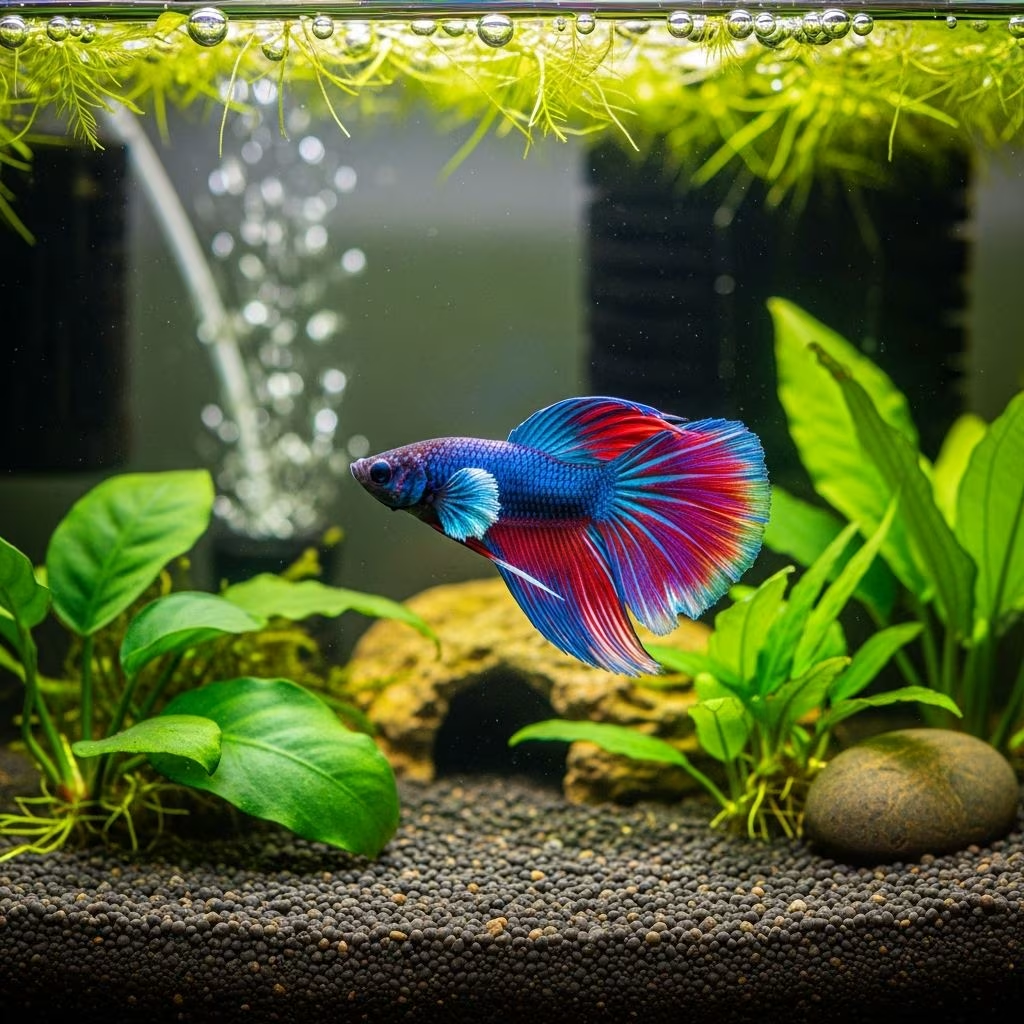
How to Keep Your Betta Fish Healthy and Happy
Betta fish are among the most popular aquarium pets, beloved for their vibrant colors and unique personalities. Whether you’re a seasoned aquarist or a beginner looking to bring home your first fish, understanding the fundamentals of betta care is essential for ensuring your pet enjoys a long, healthy, and fulfilling life. This comprehensive guide covers everything you need to know about maintaining an optimal environment for your betta fish, from setting up the perfect habitat to establishing a consistent care routine.
Essential Supplies for Your Betta Fish Tank
Before bringing home your betta fish, it’s crucial to gather all necessary supplies. Having everything prepared ensures your new pet will transition smoothly into its home and thrive from day one. Here are the must-have items for a successful betta aquarium setup:
- Aquarium (5 gallons or more) – A larger tank provides better water stability and allows your betta more space to explore
- Secure lid or hood – Essential to prevent your betta from jumping out of the tank
- Filter – Maintains water quality by removing harmful waste and promoting beneficial bacteria growth
- Heater and thermometer – Bettas are tropical fish requiring warm, stable water temperatures
- Decorations – Plants, caves, and hiding spots provide comfort and security for your betta
- Water conditioner – Removes chlorine and detoxifies heavy metals from tap water
- Water quality test strips – Monitor ammonia, nitrite, nitrate, and pH levels regularly
- LED light with timer – Supports live plants and maintains your betta’s natural day-night cycle
- Aquarium plants – Live plants are preferred for their oxygenation and aesthetic benefits
- Substrate – Sand, gravel, or rocks create a natural-looking bottom and help beneficial bacteria colonize
- Aquatic salt – Added to water to prevent disease and support respiratory function
Setting Up Your Betta Aquarium
Proper tank setup is the foundation of betta fish health. Taking time to establish your aquarium correctly will make ongoing maintenance significantly easier and contribute to your fish’s longevity.
Tank Placement and Preparation
Position your aquarium on a flat, stable surface that can support the weight of the filled tank, which weighs approximately 8.3 pounds per gallon. Never place your tank near direct sunlight, heaters, or air conditioning units, as these can cause temperature fluctuations that stress your fish. Before filling, thoroughly rinse all substrate and decorations with tap water—never use soap, as it can harm your fish. Arrange substrate, decorations, and plants to create an environment where your betta can feel secure and explore comfortably.
Water Chemistry and Conditioning
Fill your tank with tap water treated with a water conditioner such as API Tap Water Conditioner. This removes chlorine and detoxifies heavy metals that are toxic to fish. Bettas thrive in slightly acidic to neutral water with a pH between 6.8 and 7.5. Install your heater, filter, and thermometer according to manufacturer instructions. Maintain a consistent water temperature between 72–82°F, with 76°F being optimal for most bettas. Allow your aquarium to run for at least 24 hours before adding your fish, confirming that all equipment functions properly and temperature remains stable.
Cycling Your Tank
Tank cycling establishes colonies of beneficial bacteria that convert harmful ammonia and nitrite into less toxic nitrate. Add a biological conditioner or beneficial bacteria starter to your aquarium before introducing your betta. Monitor water quality daily during the cycling process, performing water changes if ammonia or nitrite exceed 0 ppm or nitrate exceeds 20 ppm. Allow this process to complete fully before adding your betta fish, as cycling is less stressful when done fishless. This typically takes 2–4 weeks but ensures a stable, healthy environment for your pet.
Water Maintenance and Quality Management
Maintaining pristine water conditions is perhaps the most critical aspect of betta fish care. Regular water changes prevent the accumulation of harmful toxins and keep your tank’s ecosystem balanced.
Water Change Schedule
In filtered aquariums, change 15–25% of the water volume weekly to remove accumulated waste and replenish important nutrients. In smaller, unfiltered containers, perform water changes every 3–4 days. Never perform a complete water change, as this removes beneficial bacteria necessary for your tank’s biological balance. Always treat new water with water conditioner before adding it to your tank. Keep a bucket of pre-conditioned water ready for scheduled maintenance.
Monitoring Water Parameters
Test your aquarium water weekly using water quality test strips or a comprehensive test kit. Monitor the following parameters:
| Water Parameter | Ideal Range for Bettas | What It Means |
|---|---|---|
| Temperature | 72–82°F (22–28°C) | Tropical fish require warm, stable temperatures |
| pH Level | 6.8–7.5 | Slightly acidic to neutral water is optimal |
| Ammonia | 0 ppm | Toxic waste product; should always be zero |
| Nitrite | 0 ppm | Toxic intermediate; should always be zero |
| Nitrate | Below 20 ppm | Less toxic but should be kept minimal |
High levels of ammonia or nitrite indicate the need for immediate water changes. If your test results are outside the ideal range, perform a partial water change and reassess in 24 hours.
Feeding Your Betta Fish
Proper nutrition is vital for maintaining your betta’s vibrant colors, energy levels, and overall health. Bettas are carnivorous fish with specific dietary requirements that differ from many other aquarium species.
Food Types and Feeding Frequency
Feed your betta high-quality floating pellets or flakes specifically formulated for bettas once or twice daily. The most important rule: only feed what your betta can consume in 2 minutes, as overfeeding pollutes the water and can cause serious health problems. Many betta owners make the mistake of feeding too much because these fish are charming and seem always hungry. Freeze-dried brine shrimp and tubifex worms make excellent occasional treats 2–3 times per week. Avoid fatty fish flakes and generic tropical fish food, as bettas often refuse these and they contribute to water pollution.
Feeding Schedule
Establish a consistent feeding routine as part of your daily care regimen. Feed your betta at the same time each day to help regulate its digestive system. Once weekly, skip a feeding day entirely to allow your betta’s digestive system to rest and recover. This practice also helps prevent obesity and related health issues.
Daily, Weekly, and Monthly Care Schedule
Establishing a routine maintenance schedule ensures nothing is overlooked and your betta remains in optimal health. Bettas are relatively low-maintenance pets, but consistency is essential.
Daily Tasks
- Feed your betta once or twice daily
- Check that all equipment is functioning properly, including filter, heater, and lights
- Verify water temperature is within the ideal range using your thermometer
- Observe your betta for signs of illness or stress
Weekly Tasks
- Test water quality using test strips or a comprehensive kit
- Siphon aquarium substrate to remove accumulated waste and debris
- Perform a partial water change of 15–25% of tank volume
- Clean visible algae from tank glass and decorations
Monthly Tasks
- Replace filter media as recommended by the filter manufacturer
- Deep clean decorations and the aquarium glass if needed
- Perform a larger water change of 25–50% of tank volume
- Inspect all equipment for signs of wear or malfunction
Tank Environment and Décor
Creating an enriching environment is crucial for your betta’s psychological well-being. Bettas are intelligent fish that benefit from stimulation and hiding places.
Plants and Decorations
Live aquatic plants are strongly preferred over plastic alternatives because they oxygenate the water, provide hiding spots, and create a more natural environment. Plastic plants can tear and damage your betta’s delicate fins. Choose soft, silk plants if you must use artificial décor. Add caves, tunnels, and floating décor to create multiple hiding spots where your betta can feel secure. These hiding places reduce stress and allow your fish to retreat when it needs rest.
Lighting and Day-Night Cycle
Install an LED light with a timer to maintain a consistent 12-hour day-night cycle. This natural rhythm supports your betta’s circadian rhythm and overall health. LED lights are preferred because they generate less heat than traditional incandescent bulbs and are energy-efficient. Avoid keeping lights on 24/7, as this can stress your fish and promote excessive algae growth.
Health and Disease Prevention
A well-maintained aquarium is the best disease prevention strategy. However, recognizing signs of illness and knowing when to take action is equally important.
Common Signs of a Healthy Betta
- Vibrant, bright coloring
- Responsive behavior and active swimming
- Regular eating and proper digestion
- Clear, alert eyes
- Intact fins without tears or deterioration
- Normal breathing rate without gasping
Disease Prevention Strategies
Prevention is always preferable to treatment. Adding aquarium salt to your betta’s water helps prevent most common diseases and parasites while supporting respiratory function. Follow product instructions carefully to avoid overdosing. Maintain excellent water quality through regular testing and water changes, as most fish diseases thrive in poor water conditions. Quarantine new fish or plants for 2–3 weeks before adding them to your main tank to prevent introducing pathogens. Keep your aquarium at the proper temperature, as cooler water temperatures make bettas lethargic and more susceptible to disease.
Common Betta Health Issues
Fin rot, constipation, and ich are among the most common problems affecting bettas. Fin rot often results from poor water quality and begins as fraying at fin edges. Constipation can develop from overfeeding or lack of dietary fiber and may cause your betta to lose appetite. Ich, caused by a parasite, appears as white spots on the body and fins. All these conditions can be prevented through proper care and, if they occur, should be treated promptly with appropriate medications or water changes.
Introducing Your New Betta to Its Tank
Acclimation is a critical process that helps your new betta adjust gradually to its new home environment. Rushing this process can shock your fish and cause stress-related illness.
Step-by-Step Acclimation Process
- Turn off your aquarium lights to minimize stress
- Float the closed bag or cup containing your betta in the aquarium for approximately 15 minutes
- Open the bag or cup and, using a clean cup, slowly collect aquarium water
- Gradually add collected aquarium water to the bag or cup, allowing your betta to acclimate to the new temperature and water chemistry
- Wait an additional 5–10 minutes to allow full adjustment
- Gently remove your betta using a soft fish net and allow it to enter its new tank
- Observe your new betta for several hours to ensure it’s eating and behaving normally
- After 15 minutes, you may turn on the aquarium lights
Understanding Betta Fish Lifespan and Development
With proper care, bettas typically live 3–5 years, though some individuals have been known to live longer. Adult bettas average 2.5 inches in length, not including their elaborate tail fins. Understanding your betta’s natural lifespan helps you plan for their long-term care and make informed decisions about your commitment to this beautiful fish.
Frequently Asked Questions About Betta Fish Care
Q: What is the minimum tank size for a betta fish?
A: While bettas can survive in smaller containers, a minimum 5-gallon tank is recommended for optimal health. Larger tanks provide better water stability and allow your betta more space to swim and explore, resulting in a healthier, happier fish.
Q: How often should I change my betta’s water?
A: In filtered tanks, perform a 15–25% water change weekly. In smaller, unfiltered containers, change water every 3–4 days. Never perform a complete 100% water change, as this removes beneficial bacteria necessary for tank stability.
Q: Can bettas live with other fish?
A: Male bettas are highly territorial and cannot be housed with other males. Some females can be kept in groups called “sororities,” but this requires careful management and risk of aggression. Most bettas do best when kept alone.
Q: What temperature should betta water be?
A: Maintain water temperature between 72–82°F, with 76°F being optimal. Bettas are tropical fish and require warm, stable water. Cooler temperatures make them lethargic and more susceptible to disease.
Q: How can I tell if my betta is sick?
A: Signs of illness include loss of appetite, faded coloring, torn or deteriorating fins, lethargy, gasping at the surface, and white spots on the body. Poor water quality is often the underlying cause. Perform an immediate water change and test your water parameters.
Q: Do I need a filter for my betta tank?
A: While bettas can survive in unfiltered tanks, a filter significantly improves water quality and reduces the frequency of water changes needed. Ensure your filter doesn’t create excessive water flow, as bettas prefer calm waters.
References
- Betta Fish Care Guide: Habitat, Feeding, and Health — Chewy. 2024. https://www.chewy.com/education/fish/betta-fish/how-to-keep-your-betta-fish-healthy-and-happy
- Betta Fish Care Sheet — PetMD. 2024. https://www.petmd.com/fish/betta-fish-care-sheet
- Betta Fish Care Guide — PetSmart Learning Center. 2024. https://www.petsmart.com/learning-center/fish-care/betta-care-guide
- Betta Care Guide — Aqueon. 2024. https://www.aqueon.com/resources/care-guides/betta
- Care Guide for Betta Fish – The Best Beginner Pet Fish — Aquarium Coop. 2024. https://www.aquariumcoop.com/blogs/aquarium/betta-fish-care-guide



