

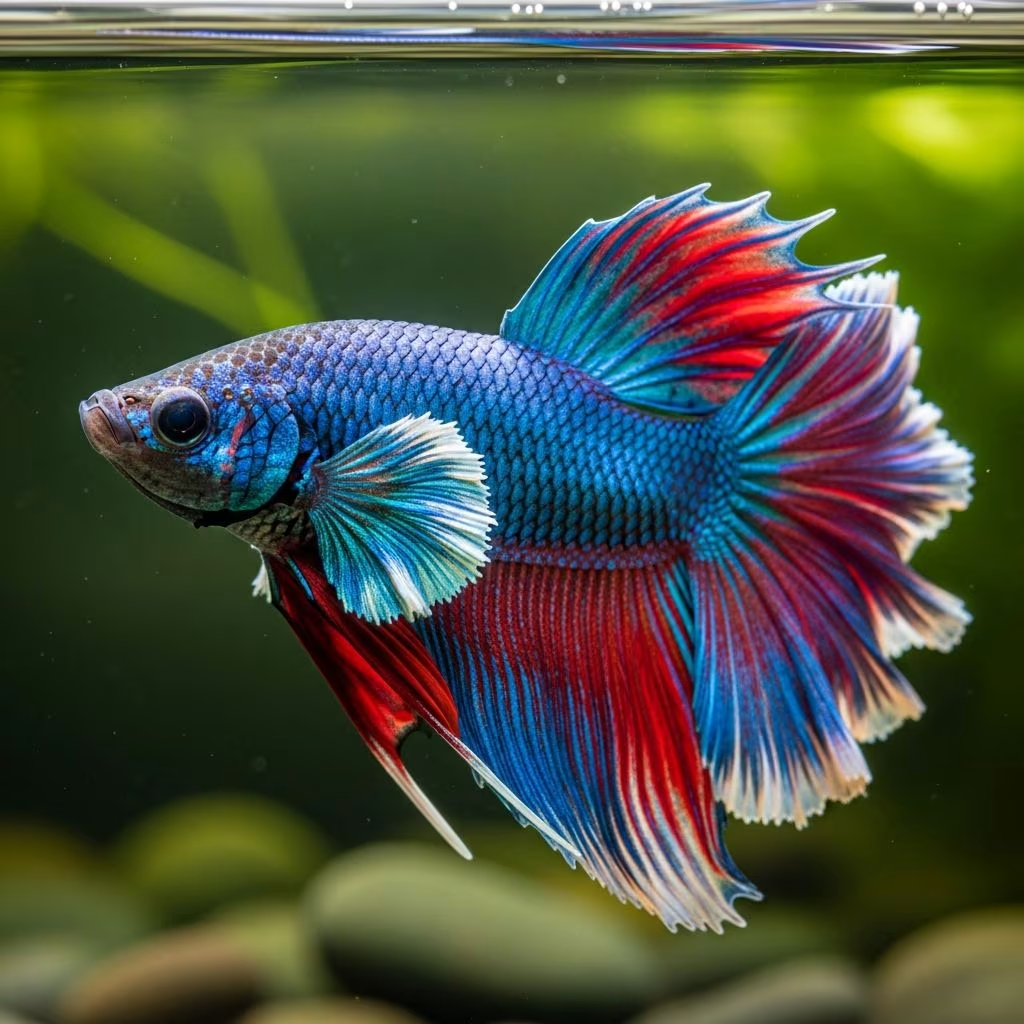
Betta fish are renowned for their spectacular coloration and elegant, flowing fins that gracefully extend throughout their tanks. When a betta displays its fins fully, it demonstrates confidence, health, and contentment. However, when you observe your betta’s fins held tightly against its body rather than spread wide, this behavioral change signals that something requires immediate attention. Clamped fins represent one of the most visible indicators that your fish is experiencing distress, whether from environmental stressors or underlying health complications.
What Clamped Fins Indicate About Your Betta’s Health
In their natural environment, healthy bettas demonstrate their full fin span as a display of dominance and reproductive readiness. This natural behavior is suppressed when a betta feels threatened, uncomfortable, or unwell. Clamped fins occur when the fish holds its fins in a contracted position, folded closely against the body. This is not a disease itself but rather a symptom indicating that your betta is reacting to adverse conditions or potential illness.
The manifestation of clamped fins typically suggests your fish is in a state of self-protection. By minimizing its surface area and reducing movement, the betta attempts to conserve energy and reduce visibility to potential threats. Understanding this behavior is crucial for any betta owner seeking to maintain optimal fish health.
Water Quality: The Primary Factor in Fin Clamping
Among all potential causes of clamped fins, water quality issues rank as the most common culprit. Bettas require clean, stable aquatic environments with carefully maintained chemical parameters. When water conditions deteriorate, bettas respond with visible behavioral changes, including fin clamping.
Chemical Imbalances and Toxin Accumulation
The accumulation of harmful substances in tank water represents a significant threat to betta health. Ammonia and nitrite, produced through fish waste decomposition and inadequate biological filtration, create toxic conditions that stress fish physiology. When these compounds exceed safe thresholds, bettas experience physiological stress that manifests in behavioral changes such as fin clamping, reduced appetite, and lethargy.
Regular water testing using aquarium test kits allows you to monitor these critical parameters. Most aquarium supply retailers stock comprehensive test kits that measure pH, ammonia, nitrite, and nitrate levels. Establishing a baseline understanding of your tank’s chemistry enables you to identify problems before they severely impact your betta’s health.
Temperature Stability and Thermoregulation
Bettas originate from Southeast Asian waters with warm, stable temperatures. Temperature fluctuations exceeding one to two degrees can trigger significant stress responses. When water temperature drops unexpectedly or oscillates throughout the day, bettas experience compromised immune function and increased susceptibility to disease.
Maintaining consistent water temperatures between 76-82°F prevents stress-induced fin clamping. Aquarium heaters with built-in thermostats provide reliable temperature regulation, particularly in cooler climates or during winter months. Regular temperature monitoring using reliable aquarium thermometers ensures your heating equipment functions properly.
Stress Factors and Environmental Challenges
Beyond water chemistry, various environmental and social stressors contribute to fin clamping behavior. Identifying and addressing these factors requires careful observation of your betta’s surroundings and social situation.
Tank Mates and Territorial Aggression
Bettas possess inherently territorial dispositions, particularly males who display aggressive tendencies toward other bettas and sometimes toward different species. Introducing incompatible tank mates without proper acclimation creates ongoing stress. Even species considered peaceful by general aquarium standards may trigger defensive responses in sensitive bettas.
When housing bettas with other fish, careful species selection and adequate tank space become essential. Creating visual barriers through plants and decorations allows stressed bettas to establish territories and reduce confrontational encounters. Observing behavioral changes following the introduction of new tank mates helps identify incompatibility before serious conflicts develop.
Overcrowding and Resource Competition
Tank overpopulation creates chronic stress through resource competition and reduced personal space. Overcrowded conditions elevate ammonia and nitrite production, compounding water quality problems. Additionally, increased social pressure from competing fish strains betta immune systems and trigger defensive behaviors including fin clamping.
Handling and Physical Disturbance
Frequent handling or aggressive netting stresses bettas considerably. While bettas tolerate occasional necessary handling, excessive contact causes prolonged stress responses. Minimizing unnecessary handling and using gentle techniques when necessary reduces stress-related fin clamping.
Disease and Parasitic Infections
While environmental factors represent the most common causes of clamped fins, various infections and parasitic infestations also produce this symptom. Recognizing disease-related fin clamping requires understanding the specific illnesses affecting bettas.
Bacterial Infections and Fin Rot
Bacterial infections manifest in multiple forms, with fin rot representing one of the most visible manifestations. Fin rot causes fin edges to appear frayed, discolored, or progressively destroyed. The pain and tissue damage associated with bacterial infections cause bettas to clamp fins while experiencing discomfort. Bacterial infections typically develop in poor water conditions where immune systems are compromised.
Parasitic Infestations
Ich, commonly known as white spot disease, ranks among the most prevalent betta infections. This protozoan parasite causes visible white spots on the fish’s body and fins while triggering irritation that prompts fin clamping. Velvet, another parasitic infection caused by dinoflagellates, produces similar symptoms alongside a characteristic gold or rust-colored coating on the skin.
Both parasitic infections severely compromise fish health and require prompt treatment. Affected bettas display clamped fins, reduced activity, and loss of appetite alongside the visible parasitic signs.
Fungal Infections
Fungal infections appear as white or grayish patches on the fish’s body and fins. These infections typically develop following physical injury or in immunocompromised fish. Discomfort from fungal growth contributes to fin clamping behavior.
Nutritional Deficiencies and Feeding Challenges
Proper nutrition directly impacts betta immune function and stress resilience. Poor quality diets or inadequate feeding create nutritional deficiencies that compromise overall health. Bettas experiencing nutritional stress demonstrate reduced appetite alongside visible behavioral changes such as fin clamping.
Feeding high-quality foods specifically formulated for bettas ensures adequate nutrition. Live or frozen foods supplement pellet-based diets and provide enrichment. Consistent feeding schedules establish routine and support digestive health.
Diagnostic Assessment and Problem Identification
Determining the underlying cause of clamped fins requires systematic observation and testing. Begin by evaluating water parameters using test kits, then examine your betta’s appearance for visible signs of disease or parasites.
Visual Inspection Protocol
Carefully observe your betta’s body and fins for:
- White spots or gold/rust coloration indicating parasites
- Frayed or discolored fin edges suggesting bacterial infection
- White or gray patches indicating fungal growth
- Physical injuries or torn fins
- Swelling or abnormal body shape
- Changes in coloration or pattern
Behavioral Observation
Monitor your betta for accompanying behavioral changes:
- Loss of appetite or reduced feeding interest
- Lethargy and reduced swimming activity
- Hiding behavior or avoidance of normal areas
- Gasping at the water surface
- Erratic or jerky swimming patterns
- Rapid gill movement or flaring
Treatment Strategies and Recovery Approaches
Treatment depends entirely on the underlying cause. Addressing environmental factors often resolves fin clamping within days, while infections require specific medical interventions.
Water Quality Restoration
If water quality issues are identified, implement immediate corrective measures. Perform partial water changes to reduce ammonia and nitrite concentrations. Clean tank filters and substrate to remove organic waste. Monitor parameters closely over the following week as biological filtration reestablishes equilibrium. Most bettas show improvement within 3-5 days of improved water conditions.
Environmental Modification
Address stress factors through tank restructuring. Remove incompatible tank mates or provide additional hiding spaces using plants and decorations. Reduce tank population if overcrowding exists. Ensure stable water temperatures and minimize unnecessary handling.
Disease Treatment
Parasitic infections like Ich respond to copper-based treatments or formalin-based medications according to manufacturer specifications. Velvet infections often respond to temperature elevation combined with darkness. Bacterial infections require appropriate antibiotics prescribed or recommended by aquatic veterinarians. Always follow medication dosage instructions precisely and consider quarantine tanks to prevent disease spread.
Quarantine Procedures
When contagious infections are suspected, move the affected betta to a separate quarantine tank. This prevents disease transmission to other fish while allowing focused treatment. Hospital tanks require basic equipment including heaters, filters, and hiding spaces. Maintain the same water parameters as the main tank while administering medications.
Prevention Strategies for Long-Term Health
Preventing fin clamping proves far easier than treating established problems. Implementing consistent care practices minimizes stress and disease risk.
Establish Regular Maintenance Schedules: Test water parameters weekly and perform partial water changes every 5-7 days. Clean filters and remove uneaten food promptly. Inspect your betta for health changes during each feeding.
Provide Optimal Tank Conditions: Maintain stable temperatures between 76-82°F using reliable heaters. Ensure efficient biological filtration through appropriately sized filters and substrate. Create a visually enriched environment with plants and decorations that reduce stress while providing hiding spaces.
Feed High-Quality Nutrition: Offer varied, species-appropriate foods that support immune function. Maintain consistent feeding schedules and avoid overfeeding, which degrades water quality.
House Bettas Appropriately: Keep male bettas in single-fish tanks or carefully select compatible species for community arrangements. Provide minimum tank volumes that meet space requirements, as larger tanks maintain more stable parameters.
Frequently Asked Questions About Betta Fin Clamping
How quickly do clamped fins resolve after addressing the cause?
Most bettas show improvement within 3-5 days when environmental stressors are removed or water quality is restored. Disease-related cases require longer recovery periods depending on infection severity and treatment effectiveness. Fin regeneration following damage takes weeks to months.
Can clamped fins indicate multiple simultaneous problems?
Yes, bettas experiencing poor water quality may simultaneously develop bacterial or parasitic infections. Compromised immune systems in stressed fish increase disease susceptibility. Comprehensive assessment and treatment of all identified issues produces the best outcomes.
Should I isolate a betta with clamped fins from tank mates?
If contagious disease is suspected, immediate isolation prevents spread. For stress-related cases, isolation in a smaller tank with enhanced care may benefit recovery. Consult observation results to determine whether isolation or environmental modification suits your situation.
What water parameters are most critical for preventing fin clamping?
Temperature stability (76-82°F), ammonia and nitrite levels near zero, pH between 6.0-7.5, and consistent water hardness prevent physiological stress. Regular testing identifies parameter drift before affecting your betta’s health.
Conclusion: Supporting Your Betta’s Recovery
Clamped fins represent your betta’s way of communicating distress. By systematically identifying underlying causes through water testing, visual inspection, and behavioral observation, you can implement targeted solutions that restore your fish’s health. Whether addressing environmental factors, removing stressors, or treating infections, prompt intervention produces the best recovery outcomes. Maintaining optimal tank conditions through consistent care prevents fin clamping and supports long-term betta health and vitality.
References
- Understanding Clamped Fins in Betta Fish: Signs of Stress or Illness — Oreate AI. 2024. https://oreateai.com/blog/understanding-clamped-fins-in-betta-fish-signs-of-stress-or-illness/
- Why Your Aquarium Fish Clips Its Fins — Hygger. 2024. https://www.hygger-online.com/why-your-aquarium-fish-clips-its-fins/
- Why Your Fish Has Clamped Fins (How To Fix It FAST) — YouTube Educational Content. 2024. https://www.youtube.com/watch?v=TadxYoze9FQ



