

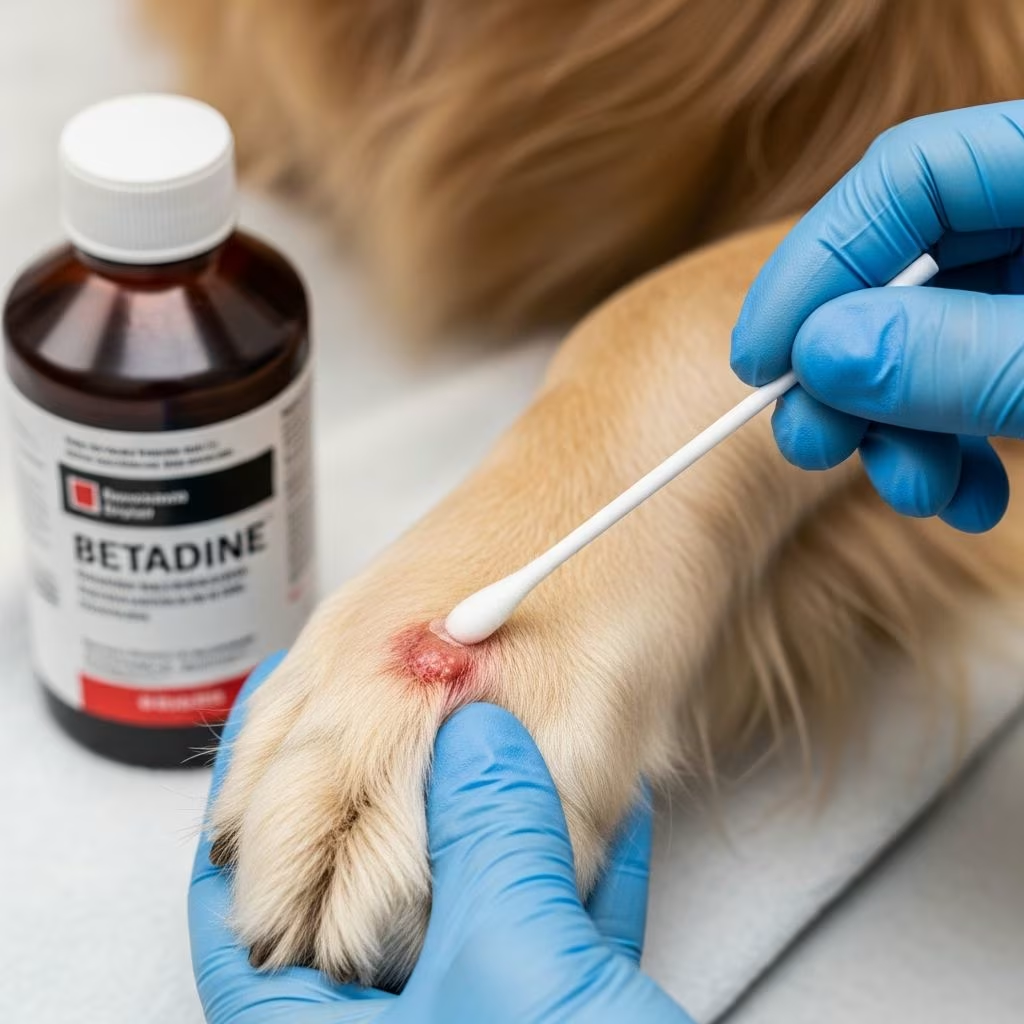
Bacterial infections in dogs often manifest as skin irritations, wounds, or hotspots that require prompt antiseptic treatment like Betadine (povidone-iodine) alongside veterinary care. This approach targets gram-positive bacteria common in pyoderma while minimizing resistance risks through topical use.
Understanding Bacterial Skin Issues in Canines
Dogs frequently develop bacterial skin infections known as pyoderma, ranging from surface-level issues to deeper folliculitis. These occur when bacteria like Staphylococcus exploit breaks in the skin barrier, leading to redness, pustules, and hair loss. Surface pyoderma responds well to topical antiseptics, while deeper cases demand systemic antibiotics guided by culture tests.
Common triggers include allergies, fleas, poor grooming, or moisture buildup in folds. Early signs include itchy patches, foul odors, and crusting, progressing to oozing lesions if untreated. Veterinary diagnosis via cytology confirms bacterial overgrowth, distinguishing it from fungal or parasitic causes.
Role of Betadine as a Topical Antiseptic
Betadine, a 10% povidone-iodine solution, acts as a broad-spectrum antiseptic effective against bacteria, fungi, and viruses without promoting resistance like antibiotics. Its iodine release disrupts microbial cell walls, ideal for cleaning dog wounds or infected skin before bandaging or medicating.
Vets recommend it for initial decontamination of hotspots, post-surgical sites, or minor cuts, often diluted to 0.5-1% to avoid irritation on sensitive canine skin. Unlike harsh bleaches, it penetrates biofilms while being non-toxic when used correctly.
Safe Preparation and Dilution Methods
Always dilute full-strength Betadine (10%) with sterile water or saline for dogs. A standard ratio is 1 part Betadine to 10 parts water for a 1% solution suitable for most skin applications. For sensitive areas like ears or faces, aim for 0.5% by doubling the water.
| Application Type | Dilution Ratio | Concentration | Use Case |
|---|---|---|---|
| Surface wounds | 1:10 | 1% | Cleaning hotspots, pyoderma |
| Sensitive skin | 1:20 | 0.5% | Eyes, ears, puppies |
| Deep infections | 1:5 (vet supervised) | 2% | Abscesses post-lancing |
| Full strength | Undiluted | 10% | Never on live tissue |
Test a small area first; discontinue if excessive drying or redness occurs. Fresh solutions prevent iodine degradation.
Step-by-Step Application Guide
- Clean the area: Gently clip fur around the lesion for better access, removing debris with saline.
- Apply diluted solution: Use a cotton ball or spray bottle to soak the site, ensuring 5-10 minutes contact time for efficacy.
- Rinse thoroughly: Flush with water after dwell time to remove residue, preventing thyroid interference from prolonged exposure.
- Dry and protect: Pat dry and apply a barrier like petroleum jelly if needed; repeat 2-3 times daily.
- Monitor progress: Improvement should show in 3-5 days; escalate to vet if worsening.
For ear infections, instill diluted drops after professional cleaning, avoiding deep canal probing. Combine with medicated shampoos like 4% chlorhexidine for synergistic effects.
Benefits Over Traditional Antibiotics
Topical Betadine reduces reliance on oral antibiotics like cephalexin or Clavamox, curbing resistance in staphylococci prevalent in recurrent pyoderma. Studies show chlorhexidine-iodine combos match systemic therapy efficacy for superficial cases, with fewer side effects. It’s cost-effective, available over-the-counter, and supports home management under vet guidance.
Potential Risks and Contraindications
While safe, undiluted Betadine can cause chemical burns or delay healing on open wounds. Avoid in iodinated thyroid conditions, kittens, or pregnant dogs without vet approval. Watch for allergic reactions like swelling or lethargy, and never ingest. Overuse dries skin, exacerbating cracks for reinfection.
- Puppies/elderly: Use weaker dilutions; monitor closely.
- Systemic illness: Pair with fluids if dehydrated.
- Resistance concerns: Culture first for chronic cases.
Integrating Betadine with Vet-Prescribed Therapies
For mild pyoderma, Betadine alone or with shampoos suffices 3-4 weeks. Deeper infections require antibiotics like cefovecin (8 mg/kg SC q14d) or enrofloxacin (5-10 mg/kg PO), continuing 7 days post-resolution. Vets may add antifungals if mixed infections suspected.
Supportive care boosts outcomes: high-protein diets, omega-3 supplements, and dry bedding prevent recurrence. Weekly baths with antibacterial shampoos maintain gains.
Home Care Tips for Prevention
Prevent pyoderma by routine grooming, flea control, and allergy management. Dry damp areas post-baths, and inspect skin weekly. A clean environment curbs bacterial spread.
- Bathe bi-weekly with chlorhexidine products.
- Trim nails to avoid self-trauma.
- Boost immunity via balanced nutrition.
When to Seek Professional Help
Consult a vet immediately for fever, lethargy, spreading redness, or no improvement in 48 hours. Deep pyoderma or resistant strains need cultures and tailored antibiotics. Never self-treat systemic signs like vomiting or lameness.
Frequently Asked Questions
Can I use Betadine on my dog’s open wound?
Yes, diluted to 1%; clean gently and rinse after 5 minutes to promote healing without tissue damage.
How often should I apply Betadine solution?
2-3 times daily for acute issues, tapering as symptoms fade; always vet-approved duration.
Is Betadine safe for puppies?
Use 0.5% dilution sparingly; consult vet for those under 8 weeks due to sensitivity.
Does Betadine kill fungal infections too?
It has some antifungal action but pair with specific shampoos for ringworm or yeast.
What if my dog licks the treated area?
A bitter cone prevents ingestion; small amounts are non-toxic but rinse well.
Long-Term Management Strategies
Recurrent infections signal allergies or hypothyroidism; allergy testing and hypoallergenic diets help. Rotate topicals to avoid resistance, and schedule cytology every 6 months for at-risk breeds like Bulldogs.
In summary, Betadine empowers proactive care for canine bacterial woes, bridging home remedies and professional interventions effectively.
References
- Treatment Options for Bacterial and Fungal Infections in Dogs — PetCareRx. 2023. https://www.petcarerx.com/article/treatment-options-for-bacterial-and-fungal-infections-in-dogs/6061
- Antibiotic Resistant Bacterial Infections in Dogs — VCA Animal Hospitals. 2024-01-15. https://vcahospitals.com/know-your-pet/antibiotic-resistant-bacterial-infections-in-dogs
- Bacterial Skin Infections Dogs — Animal Hospital of Montgomery. 2023-05-20. https://ahmontgomery.com/bacterial-skin-infections-dogs
- Canine superficial pyoderma and therapeutic considerations — PMC (NCBI). 2016-01-01. https://pmc.ncbi.nlm.nih.gov/articles/PMC4713004/
- Antibacterials for Integumentary Disease in Animals — Merck Veterinary Manual. 2024. https://www.merckvetmanual.com/pharmacology/systemic-pharmacotherapeutics-of-the-integumentary-system/antibacterials-for-integumentary-disease-in-animals
- Top 10 Common Antibiotics for Dogs — Wedgewood Pharmacy. 2023-11-10. https://www.wedgewood.com/blog/top-10-common-antibiotics-for-dogs/
- Pyoderma in Dogs — PetMD. 2024-02-01. https://www.petmd.com/dog/conditions/skin/c_multi_pyoderma



