

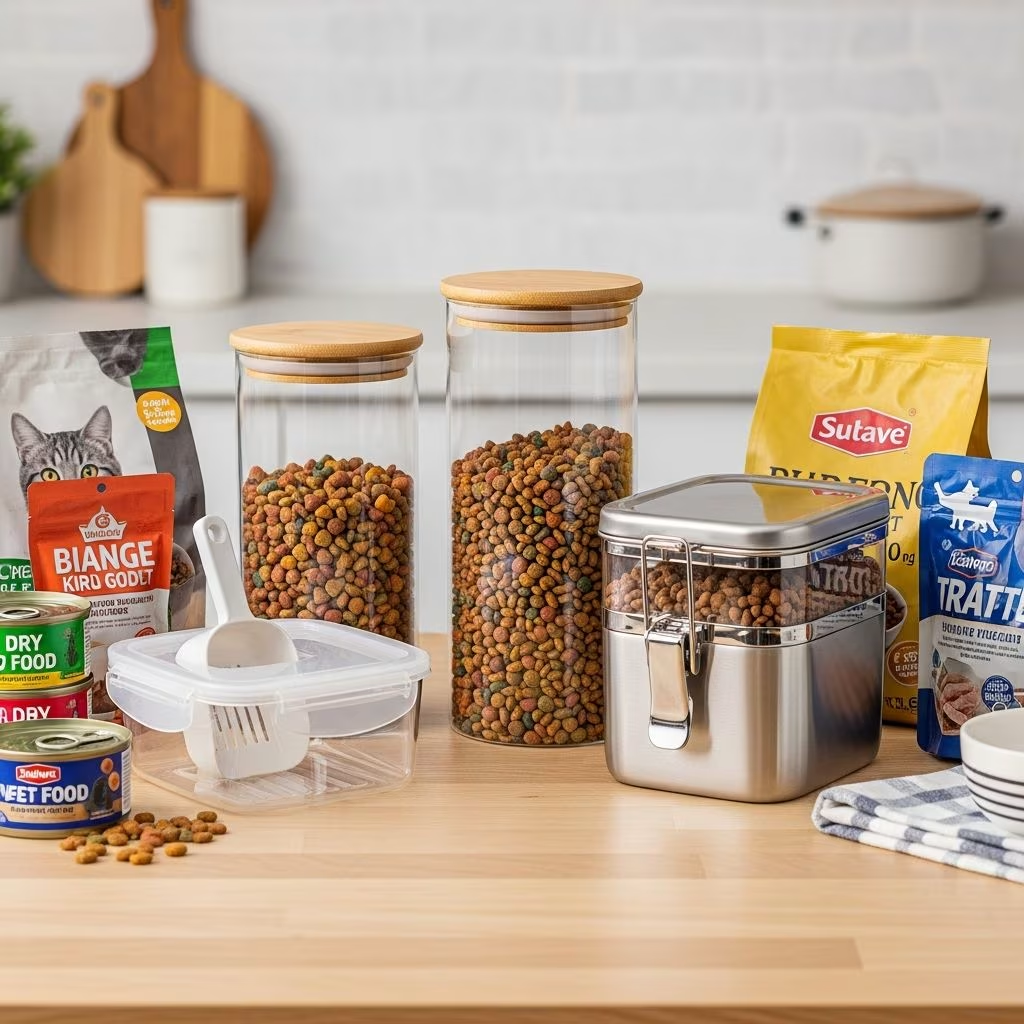
Proper storage of cat food is essential for preserving its nutritional value, preventing spoilage, and ensuring your pet’s health. Whether dealing with crunchy kibble or moist patties, understanding shelf life, environmental factors, and best practices helps maintain freshness and safety. This guide covers everything from unopened packages to daily portions, drawing on reliable recommendations to help cat owners avoid common pitfalls.
Understanding Cat Food Shelf Life
Cat food has varying shelf lives depending on whether it’s dry or wet and if the package is opened. Unopened dry cat food typically lasts 6-12 months, while unopened wet varieties can endure 2-5 years when kept in stable conditions. Once opened, dry food remains usable for 4-6 weeks or up to 2-3 months if stored correctly, but wet food shortens dramatically to 3-5 days in the fridge.
Always check the “best by” or “best before” date on packaging, which applies only to sealed containers. Select packages with the farthest future date and inspect for damage like dents or tears that could allow air or moisture entry, compromising quality regardless of the date.
| Type | Unopened Shelf Life | Opened Shelf Life | Ideal Conditions |
|---|---|---|---|
| Dry Food | 6-12 months | 4-6 weeks | Cool, dry, airtight |
| Wet Food | 2-5 years | 3-5 days | Refrigerated, sealed |
Optimal Storage Conditions for All Cat Food
Maintain a cool, dry environment below 80°F (27°C) to slow oxidation, bacterial growth, and nutrient degradation. Avoid garages, sheds, or sunny spots where heat accelerates spoilage. Humidity fosters mold, so keep food away from steamy kitchens or bathrooms.
- Temperature control: Ideal range is 50-70°F (10-21°C); extreme heat breaks down vitamins like those in fortified kibble.
- Humidity avoidance: Use desiccants if needed in humid areas, but prioritize airtight seals.
- Light protection: Store in dark pantries or opaque containers to prevent fat rancidity from UV exposure.
The FDA advises keeping pet food in its original packaging initially for traceability via UPC and lot numbers, especially for recalls.
Storing Unopened Cat Food Effectively
Before opening, place bags or cans in a pantry or cupboard away from heat sources like ovens or radiators. For bulk buys, transfer to larger airtight bins if the original bag is stable, but retain labeling info. Economy sizes are cost-effective but require quick use or superior storage to avoid waste.
Vertical stacking saves space, but ensure stability to prevent punctures. For wet food cans, avoid stacking too high to minimize dent risk.
Handling Opened Dry Cat Food
Dry kibble bags are engineered with liners to protect nutrients, but opening exposes contents to air. Fold the top multiple times, clip securely, and ideally transfer to an airtight container to expel excess air. This prevents staleness, rancidity, mold, pests, and odor absorption over weeks.
Choose containers made of durable plastic, stainless steel, or glass with tight silicone seals. Vacuum-sealed options remove air further, extending freshness up to 6 weeks. Push the bag inside the bin without emptying to preserve original protection, or decant fully while noting expiration details.
- Container tips: Select chew-proof, easy-clean models; dishwasher-safe is ideal.
- Labeling: Mark with contents, open date, and best-by for multiple bins.
- Cleaning routine: Wash with soap or vinegar, dry fully before refilling to halt mold.
Automatic feeders with vacuum tanks hold 6-10 lbs, dispensing fresh portions while sealing the rest, perfect for busy owners.
Managing Opened Wet Cat Food
Wet food spoils fast due to high moisture. After opening, cover uneaten portions tightly—use plastic lids for cans—and refrigerate immediately at 35-40°F (2-4°C). Consume within 3-5 days; some brands specify 5-7.
Scoop daily meals into separate airtight containers to avoid contaminating the rest with saliva bacteria. Visible fridge placement prevents forgetting. Discard if it smells off, changes texture, or shows mold.
How Long Can Cat Food Sit Out?
Room temperature exposure risks bacterial proliferation like Salmonella. Limit dry food to 2 hours max; wet to 1-4 hours. FDA guidance: toss anything out over 2 hours, especially above 90°F (32°C). For bowls, discard uneaten wet food after 1 hour and dry after several hours. Prompt cleanup maintains hygiene.
Common Storage Mistakes and Fixes
Avoid these pitfalls for optimal results:
- Leaving bags open: Causes rapid oxidation; fix with clips and bins.
- Storing near heat/humidity: Speeds spoilage; relocate to cool pantries.
- Overbuying without storage: Leads to waste; match purchases to consumption.
- Forgetting labels/dates: Risks expired use; always track.
- Poor cleaning: Breeds contaminants; sanitize regularly.
Advanced Storage Solutions
Portion control extends usability—divide bulk into weekly airtight packs. Vacuum sealers for dry food minimize air superbly. Smart feeders program meals, seal bulk, and deter pests with secure designs. For wet food, freeze portions in ice cube trays for thawing as needed, though check brand guidelines.
Impact of Proper Storage on Cat Health
Fresh food retains vitamins, proteins, and fats crucial for coat shine, energy, and immunity. Spoiled kibble loses palatability and nutrients; contaminated wet food risks illness. Consistent storage supports picky eaters and prevents obesity via controlled access.
Frequently Asked Questions
Can I store cat food in the garage?
No, temperature fluctuations promote spoilage. Opt for indoor cool spots.
Is it okay to mix dry and wet food for storage?
No, store separately; wet needs fridge, dry stays pantry.
How do I know if cat food has gone bad?
Look for off smells, discoloration, clumping, or bugs. Trust your nose.
Should I buy small bags or bulk?
Bulk saves money if stored airtight; otherwise, small for freshness.
Can automatic feeders replace manual storage?
They complement by keeping bulk sealed while portioning.
References
- Proper Storage of Pet Food & Treats — FDA. 2023. https://www.fda.gov/animal-veterinary/animal-health-literacy/proper-storage-pet-food-treats
- Cat Food Storage: How to Store Cat Food — Purina US. 2023. https://www.purina.com/articles/cat/feeding/guides/how-to-store-cat-food
- How to Store Dog and Cat Food So It Lasts Longer and Stays Fresh — OXO. 2023. https://www.oxo.com/blog/cleaning-and-organizing/how-to-store-dog-cat-food
- How to Safely Store Cat Food and Maximize Freshness — Petlibro. 2023. https://petlibro.com/blogs/all/how-to-safely-store-cat-food
- Storage Tips For Keeping Pet Food Fresh — Feline Natural. 2023. https://us.felinenatural.com/blogs/stories-and-pet-tips/storage-tips-for-keeping-pet-food-fresh



