

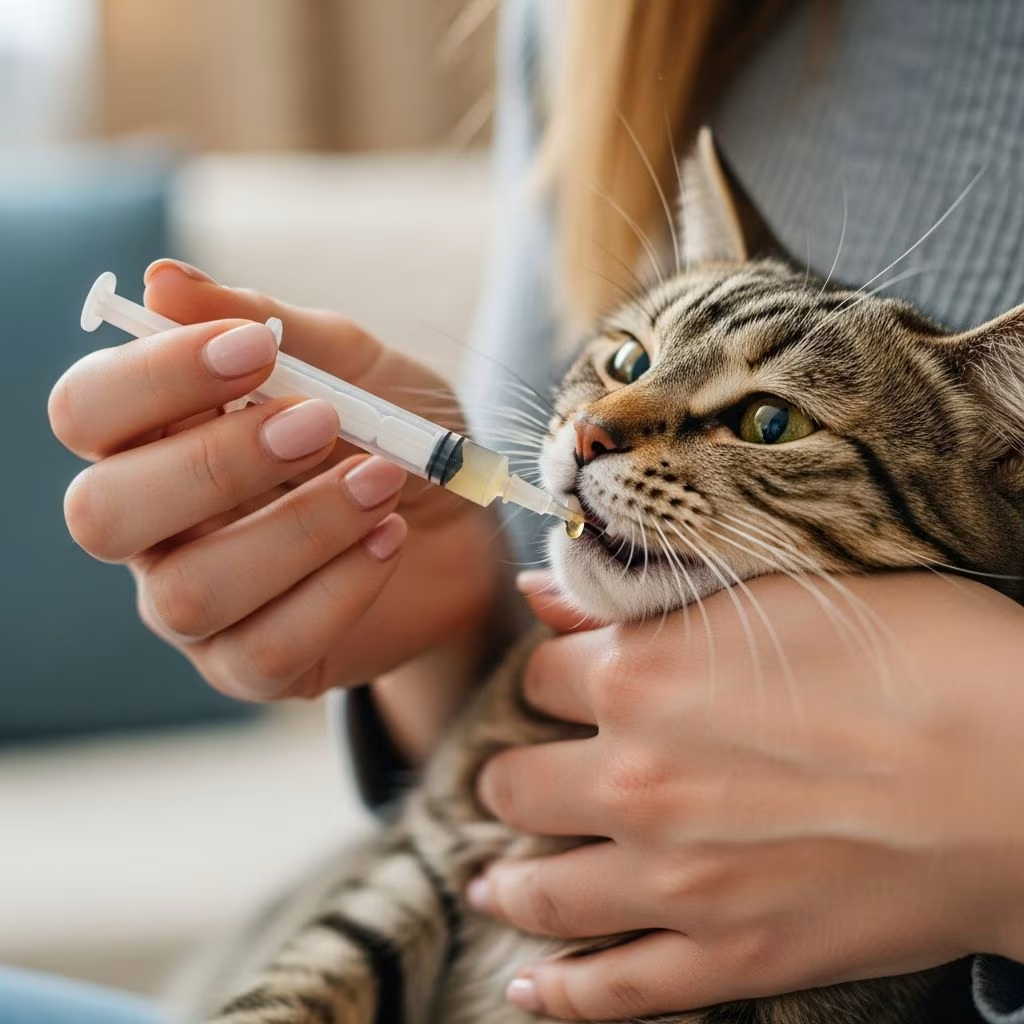
Best Way to Give Cats Liquid Medicine
Administering liquid medication to your cat can be challenging, but with the right techniques and preparation, you can make the process smoother for both you and your feline companion. Whether your cat is dealing with an infection, chronic condition, or other health issues, knowing how to properly give liquid medicine is essential for their wellbeing. This comprehensive guide will walk you through the most effective methods and strategies to ensure your cat receives their medication safely and completely.
Why Liquid Medicine for Cats?
Liquid medications are often prescribed for cats because they offer several advantages over pills. Many cats find it easier to take liquid medicine, especially when it’s compounded with flavoring agents like fish flavoring that appeal to their taste preferences. Liquid formulations also allow for precise dosing adjustments, which is particularly important for kittens, senior cats, or those with specific weight-based dosing requirements. Additionally, some cats have difficulty swallowing pills or may have conditions that make pill administration inadvisable.
Method 1: Mixing Liquid Medicine with Food
The easiest and least stressful way to give your cat liquid medicine is by incorporating it into their food. This method works best for cats who are food-motivated and enjoy regular meals.
Requirements for This Method
- Small amount of canned wet food (pâté or chunks in gravy work best)
- A shallow dish or plate
- Liquid medication in proper dosage
- Optional: a small spoon or dropper for mixing
Step-by-Step Instructions
Step 1: Prepare the food. Place a small amount of wet canned food in a shallow dish. The portion should be small enough that your cat will consume the entire amount in one sitting, ensuring they receive the complete medication dose.
Step 2: Mix the medication. Using a spoon or dropper, thoroughly mix the liquid medicine into the wet food. Ensure the medication is evenly distributed throughout the food to prevent your cat from consuming some doses without medication.
Step 3: Present to your cat. Offer the medicated food to your cat during their regular feeding time. Many cats will eat it without hesitation, especially if the medication is flavored.
Step 4: Monitor consumption. Watch your cat eat to ensure they consume the entire portion containing the medication.
Important Considerations
Before mixing medication with food, consult your veterinarian to confirm that the specific medication doesn’t require administration on an empty stomach. Some medications have specific requirements that could be compromised if taken with food. Additionally, be aware of any dietary restrictions your cat may have, as these could prevent you from using this method.
Method 2: Creating Medicated “Meatballs”
For cats that are more selective about their food or when you need to ensure complete medication consumption, the meatball method is highly effective.
How to Create Medicated Meatballs
Step 1: Form the base. Take a small amount of wet canned food and roll it into a ball shape using your fingers or a spoon.
Step 2: Create a pocket. Make a small indentation or pocket in the center of the meatball where you’ll insert the liquid medication.
Step 3: Add medication. Using a dropper or syringe, carefully place the prescribed amount of liquid medicine into the pocket you created.
Step 4: Seal the meatball. Gently close the opening by rolling the food around the medication to fully encase it.
Step 5: Hand-feed your cat. Offer the meatball directly to your cat by hand, ensuring they consume it completely before receiving any other food or treats.
Benefits of This Approach
Hand-feeding medicated meatballs gives you direct control and visibility over whether your cat has consumed the medication. It also reduces the risk of your cat selectively eating around the medication and missing doses entirely.
Method 3: Administering Liquid Medicine with a Syringe
When your cat won’t take medicine through food or treats, administering liquid medication directly with a syringe becomes necessary. While this method requires more patience and technique, it ensures your cat receives the complete dose.
Essential Equipment
- Oral syringe (provided by your veterinarian)
- Liquid medication in proper dosage
- A helper or assistant (strongly recommended)
- A towel or blanket for wrapping
- Treats for positive reinforcement
Detailed Syringe Administration Steps
Step 1: Prepare the medication. Gently shake or mix the liquid medication bottle as indicated on the label to ensure proper mixing. Draw the prescribed amount of liquid into the oral syringe according to your veterinarian’s dosage instructions.
Step 2: Warm if necessary. If the medication was refrigerated, hold the syringe in your hand for 1-2 minutes to warm it up, or place it in a warm water bath. Never microwave medication as this can damage the medication’s effectiveness and create hot spots that could harm your cat.
Step 3: Position your cat. Have your assistant gently hold your cat in their lap or against their body. For additional restraint and comfort, wrap your cat in a towel or blanket, leaving only their head exposed. This prevents scratching and helps your cat feel secure.
Step 4: Secure your cat’s body. Your assistant should place one arm around the cat’s chest and neck area while placing their other hand on the cat’s back. The cat should be held close to the assistant’s body for stability.
Step 5: Open the mouth gently. Using your non-dominant hand, gently place your fingers on your cat’s head, holding their cheekbones. If needed, you can gently tilt the head back, which will cause the mouth to open slightly. Never force the mouth open or insert your hands deeper into the mouth, as this risks accidental bites.
Step 6: Insert the syringe. Hold the syringe with your dominant hand and place its tip into the back corner of your cat’s mouth, just behind one of the canine teeth. This location helps prevent gagging and encourages swallowing.
Step 7: Dispense slowly. Slowly and gently depress the syringe plunger to dispense the medication into your cat’s mouth. Work at a pace that allows your cat time to swallow between squirts, preventing the medication from being spit out or aspirated.
Step 8: Allow for swallowing. Give your cat adequate time to swallow the medication between plunger depressions. You may notice licking of the lips, foaming, or drooling, especially if the medication has a bitter taste.
Step 9: Provide positive reinforcement. Once administration is complete, immediately offer your cat praise, treats, or playtime to create a positive association with receiving medication. This positive reinforcement makes future doses easier to administer.
Important Tips for Syringe Administration
Before attempting syringe administration, ask your veterinarian to demonstrate the technique for you. This hands-on guidance will boost your confidence and help you avoid mistakes. If your cat is struggling, distressed, or trying to bite, stop the process and contact your veterinarian for guidance. Never force medication administration if your cat is severely resistant, as this increases stress and can damage your relationship with your pet.
Advanced Technique: The Burrito Wrap Method
For cats that are particularly difficult or aggressive during medication administration, the burrito wrap method provides maximum control while keeping both you and your cat safe.
How to Perform the Burrito Wrap
Step 1: Prepare your towel. Lay out a large bath towel or blanket on a flat surface.
Step 2: Place your cat. Gently place your cat in the center of the towel, positioning them so they’re lying down with their body along the middle of the towel.
Step 3: Wrap the first side. Take one side of the towel and gently wrap it around your cat’s body, tucking it snugly under their opposite side. This should immobilize one front and back leg.
Step 4: Wrap the second side. Repeat the process with the other side of the towel, wrapping it around and tucking it under your cat’s body. The wrap should be snug enough to prevent your cat from freeing their legs, but not so tight as to cause discomfort or restrict breathing.
Step 5: Leave head exposed. Ensure your cat’s head remains completely exposed and free, allowing them to breathe comfortably and you easy access for medication administration.
Step 6: Get assistance. Have another person gently hold the wrapped cat while you administer the medication using the syringe method described above.
Preparing Your Cat for Medication Administration
Successful medication administration begins with proper preparation and training. In the days before your cat needs medication, practice handling their mouth and head gently. Offer treats by mouth using a syringe to familiarize them with the sensation of the syringe in their mouth without actual medication.
Practice Treats Strategy
To acclimate your cat to syringe administration, try this technique: water down a pureed treat like Churu, draw some into the syringe, follow it with the medication dose, then add more pureed treat. This creates a delicious “treat sandwich” around the medication, making the experience more positive and rewarding for your cat. This technique is particularly effective for cats that are resistant to medication administration.
Handling Spilled or Rejected Medication
Most cats will spit out some medication during administration, which is completely normal. The key is determining whether your cat actually received an adequate dose. Only re-medicate if you’re absolutely certain that none of the medication was swallowed. Watch for swallowing motions and listen for gulping sounds to confirm successful administration.
After medication administration, you can follow the dose with water or encourage your cat to drink to help flush the medication down. If your cat foams at the mouth excessively, this typically indicates the medication has a bitter taste but is not necessarily a sign that medication wasn’t swallowed.
Medication Storage and Handling
Proper storage of liquid medication is crucial for maintaining its effectiveness. After administration, rinse your dropper or syringe thoroughly with water. Return the medication bottle to storage as directed by your veterinarian, typically in the refrigerator. Check your medication label for specific storage instructions, and never use expired medication.
When to Contact Your Veterinarian
If you’re unsure whether your cat received the proper dose, don’t hesitate to contact your veterinarian. If your cat is struggling, distressed, or showing signs of illness after medication administration, seek immediate veterinary care. Additionally, if your cat consistently refuses liquid medication through food or treats, discuss alternative medication forms with your vet, such as pills, transdermal patches, or compounded medications with different flavors.
Frequently Asked Questions About Giving Cats Liquid Medicine
Q: Can I hide liquid medicine in treats other than wet food?
A: Yes, you can hide liquid medicine in various wet treats and foods, but always confirm with your veterinarian that the medication doesn’t require an empty stomach. Some options include wet food, pureed treats like Churu, or special treat compounds designed for medication administration.
Q: How do I know if my cat swallowed the medication?
A: Watch for swallowing motions, gulping sounds, and licking of the lips after administration. Some drooling or foaming is normal, especially with bitter-tasting medications. If you’re uncertain, contact your veterinarian.
Q: Should I refrigerate liquid cat medication?
A: Check your medication label for specific storage instructions. Many liquid medications should be refrigerated, but some can be stored at room temperature. Always follow your veterinarian’s guidance.
Q: What if my cat refuses medication every time?
A: Discuss alternative medication forms with your veterinarian. Options may include different flavored liquid compounds, pills, transdermal patches, or injections depending on the medication and your cat’s condition.
Q: How long does it take to get cats used to taking liquid medicine?
A: Many cats become accustomed to medication administration within a few doses, particularly with positive reinforcement. The process typically becomes easier with practice and consistency.
Q: Can I warm medication in the microwave?
A: No, never microwave medication. This can damage the medication’s effectiveness and create dangerous hot spots. Instead, hold the syringe in your hand for 1-2 minutes or place it in a warm water bath.
References
- How To Give a Cat Liquid Medicine: A Step-By-Step Guide — PetMD. 2024. https://www.petmd.com/cat/general-health/how-to-give-a-cat-liquid-medication
- Giving Liquid Medication to Cats — VCA Animal Hospitals. 2024. https://vcahospitals.com/know-your-pet/giving-liquid-medication-to-cats
- How to Give Your Cat Liquid Medications — Holly Ridge Veterinary Hospital. 2024. https://hollyridgevetcare.com/give-your-cat-liquid-medications/
- How to Give Liquid Medicine to a Cat or Dog — BluePearl Pet Hospital. 2024. https://bluepearlvet.com/how-to-videos/how-to-give-a-cat-or-dog-liquid-medicine/



