

Dog poop disposal is more than a chore—it’s essential for public health, environmental protection, and community cleanliness. With over 90 million dogs in the U.S., pet waste contributes significantly to landfill volume, water pollution, and greenhouse gas emissions. This guide covers why proper disposal matters, everyday methods, innovative solutions like DIY digesters, community programs, and future trends to help you manage dog poop responsibly.
Why Proper Dog Poop Disposal Matters
Dog waste isn’t harmless. When left on the ground, it harbors pathogens like hookworms (Ancylostoma spp.), roundworms (Toxocara spp.), and giardia, posing risks to humans, wildlife, and other pets. Rain washes it into storm drains, contaminating waterways with excess nitrogen and phosphorus, leading to algal blooms and dead zones. In landfills, it decomposes anaerobically, releasing methane—a potent greenhouse gas 25 times more effective at trapping heat than CO2 over a century, per EPA data.
Responsible disposal prevents these issues. The EPA recommends bagging and sending pet waste to landfills, as home composting risks pathogen spread. Yet, innovative alternatives are emerging to reduce landfill burden.
Standard Method: Bag It and Bin It
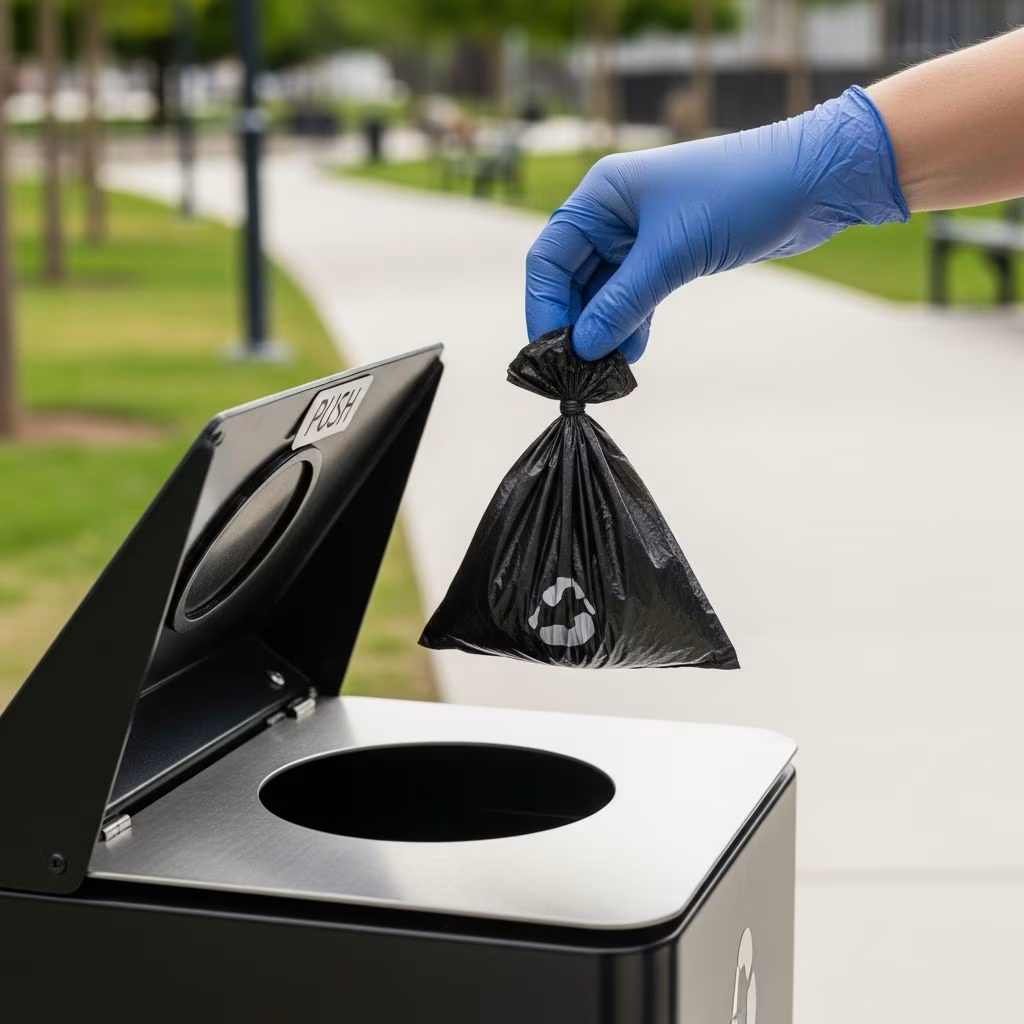
The simplest, most recommended approach is picking up immediately with a bag, tying it securely, and disposing in a trash bin. Use recycled plastic bags or repurposed grocery bags to minimize new plastic waste. Avoid “compostable” bags unless your area has industrial facilities—they break down no faster than regular plastic in landfills.
- Double-bag for odor control and leak prevention.
- Carry extras; surprise double-poops happen.
- Seek public bins or carry home if none available.
This method aligns with EPA guidelines, keeping waste out of ecosystems while awaiting better infrastructure.
DIY Dog Poop Digester: Compost at Home
For backyard owners, build an in-ground pet waste digester—a septic-like system that breaks down poop using bacteria, diverting it from landfills. It’s ideal for rural or suburban homes with space away from vegetable gardens.
How to Build a DIY Dog Poop Composter
- Take a 32-55 gallon plastic garbage can.
- Drill 12+ holes in sides and bottom for drainage and gas exchange.
- Dig a hole 3-4 feet deep, add gravel for drainage.
- Place can slightly above ground, secure lid (label “Dog Waste Only”).
- Add septic starter (non-caustic bacteria promoter) and water.
- Scoop poop daily, sprinkle starter, moisten.
Within 48 hours, bacteria activate, liquefying waste that leaches into subsoil. Maintain weekly: check decomposition, add starter. Products like Doggie Dooley 3000 simplify this with flip-top lids.
Community and Commercial Solutions
Cities are innovating beyond landfills. In Canada, Sutera’s in-ground units hold 500-600 lbs of bagged dog waste underground, preventing odors and heating. Emptied monthly by crane, waste goes to composting, waste-to-energy, or anaerobic digesters.
- Mississauga, ON: 24 units diverted 100 metric tonnes since 2019 pilot.
- Waterloo, ON: 22 bins produced energy for 25 homes/year, diverting 90,000 lbs by 2022.
- US Expansion: Portland, OR site underway; app locates bins, rewards usage.
These target parks/urban areas, marked “Dog Waste Only.” Petition for local installation to scale impact.
Advanced Composting and Waste-to-Energy
Specialized facilities compost dog poop, unlike standard programs excluding pet waste due to pathogens. US pilots exist: Colorado trails, Pacific Northwest pickups, NYC composting trial. Composting minimizes methane vs. landfills.
Waste-to-energy incinerates waste for power, reducing volume 90% but emitting pollutants—better than landfills for diversion.
Health and Environmental Risks of Neglect
Leaving poop behind contaminates soil/water, infects kids/pets via Toxocara (blindness risk in rare cases). It equals textile waste in scale, demanding attention. Always pick up.
Choosing the Right Method for You
| Method | Best For | Pros | Cons |
|---|---|---|---|
| Bag & Trash | Apartments, urban | Easy, EPA-approved | Landfill methane |
| DIY Digester | Backyards | Low-cost, eco | Pathogen risk, space |
| Community Bins | Parks, cities | Processed sustainably | Availability varies |
| Composting Programs | Select areas | Minimal methane | Limited access |
Frequently Asked Questions (FAQs)
Is it okay to leave dog poop in my backyard?
No—pathogens build up, rain spreads contamination. Scoop regularly.
Can I compost dog poop in my regular bin?
No, municipal composting excludes pet waste due to health risks. Use digester for non-edibles.
Are compostable poop bags better?
Not in landfills—they degrade slowly. Use recycled plastic.
How much dog waste goes to landfills yearly?
Millions of tons; programs divert thousands of lbs locally.
What’s the greenest disposal?
Local composting/waste-to-energy if available; otherwise, bag securely.
Future of Dog Poop Disposal
Apps, incentives, and bins expand. Pet parents drive change—advocate for programs. Small steps like DIY digesters reduce impact now.
(Word count: 1678)
References
- Does Your City Have a Dog Poop Problem? This Could Help — Kinship. 2023. https://www.kinship.com/dog-lifestyle/community-solutions-to-manage-dog-poop
- How to Compost Your Pet’s Poop — Kinship. 2023. https://www.kinship.com/dog-lifestyle/build-your-own-pet-waste-digester
- Why You Should Never, Ever Leave Dog Poop On The Ground — Kinship. 2023. https://www.kinship.com/dog-lifestyle/dog-poop-pick-up
- How to Dispose of Dog Poop the Green Way | One Small Step — YouTube. 2023. https://www.youtube.com/watch?v=iSUEYHAynJg
- Connections: Is Dog Poop The Final Composting Frontier? — BioCycle. 2023. https://www.biocycle.net/connections-is-dog-poop-the-final-composting-frontier/



