

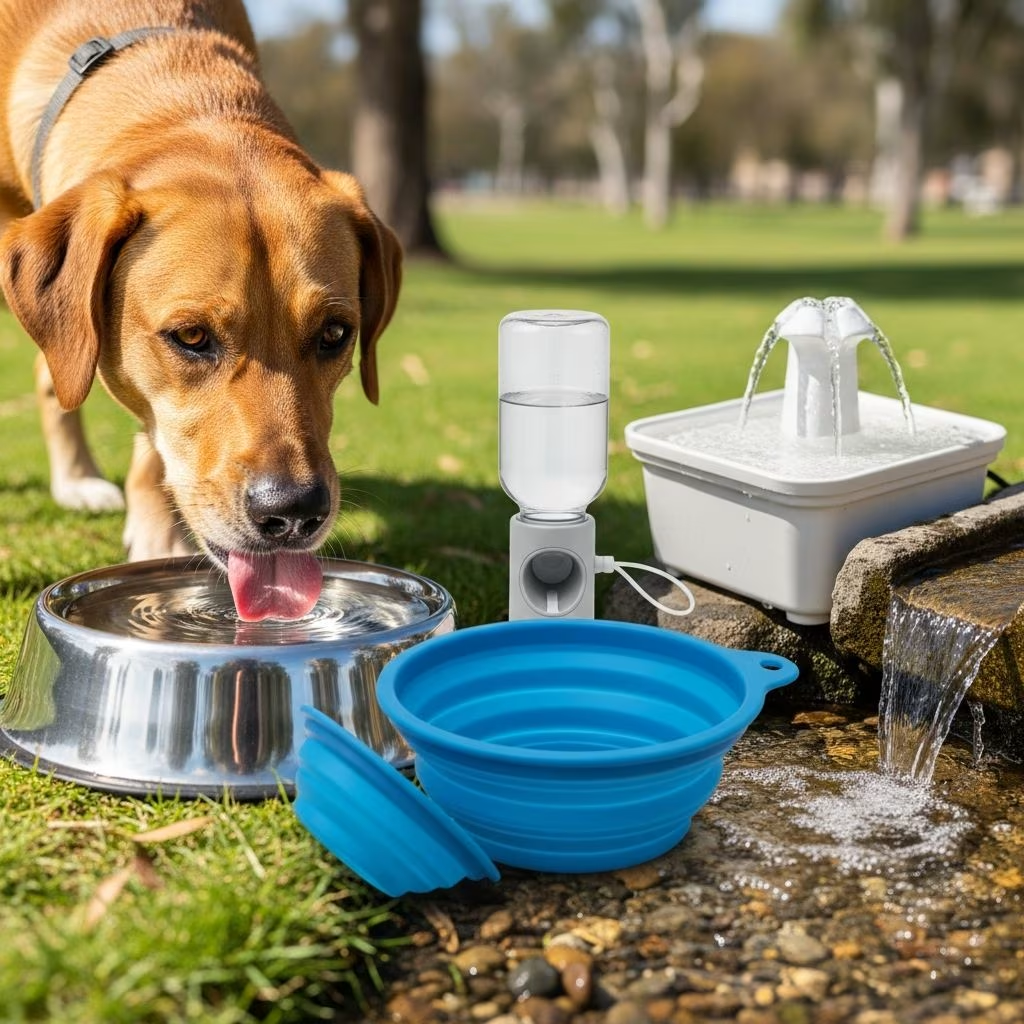
Providing your dog with the right water is essential for their health, supporting everything from digestion to temperature regulation. Different water sources offer varying levels of purity, minerals, and safety, influencing your pet’s well-being.
The Role of Hydration in Canine Wellness
Water is vital for dogs, comprising about 70% of their body weight and aiding in nutrient transport, joint lubrication, waste elimination, and immune function. Dehydration can lead to fatigue, dry gums, and serious issues like kidney problems, while proper hydration promotes shiny coats and energetic behavior.
Signs of good hydration include moist noses, elastic skin, and pink gums. Dogs typically need 1 ounce of water per pound of body weight daily, more during heat or activity. Poor water quality can cause vomiting, diarrhea, or urinary issues, making source selection critical.
Evaluating Common Water Sources for Pets
Several water types are available, each with unique pros and cons based on contaminants, minerals, and processing.
| Water Type | Pros | Cons | Best For |
|---|---|---|---|
| Tap Water | Accessible, often mineral-rich, safe if regulated | May contain chlorine, metals, pesticides | Healthy dogs in safe areas |
| Filtered Water | Removes impurities, improves taste | Requires maintenance | Sensitive or picky dogs |
| Distilled Water | Ultra-pure, detoxifying | Lacks minerals, not for long-term | Occasional use |
| Spring/Bottled | Natural minerals, palatable | Costly, variable quality, sodium | Short-term supplement |
Tap Water: Safety and Local Variations
Tap water is generally safe for dogs if it meets EPA standards, providing essential minerals like calcium and magnesium. However, regional differences in chlorine, hardness, or heavy metals can affect taste and health. High chlorine might deter drinking, leading to dehydration, while contaminants pose risks for sensitive pets.
Test your local supply via free municipal services. If your dog shows increased thirst, lethargy, or GI upset, switch sources. Veterinarians confirm tap water works for most dogs but recommend monitoring.
Filtered Water: A Reliable Upgrade
Filters remove chlorine, sediments, heavy metals, and pesticides, enhancing taste and encouraging intake. Reverse osmosis (RO) systems offer superior purification, potentially improving coat quality, digestion, and reducing UTI risks.
- Benefits: Better palatability, fewer irritants, longevity boost per studies.
- Types: Pitcher filters for basics, under-sink RO for thorough cleaning.
- Maintenance: Change cartridges regularly to prevent bacteria.
Filtered water suits dogs with allergies or in areas with poor tap quality, balancing purity and minerals.
Distilled Water: Purity vs. Nutrient Loss
Distillation boils and condenses water, stripping nearly all impurities for a ‘pure’ product ideal for short-term detox. Yet, it lacks vital minerals, risking deficiencies in calcium and magnesium if exclusive, potentially causing heart or bone issues.
Use sparingly, supplementing with mineral-rich food. Not recommended long-term by experts.
Natural Spring and Bottled Waters
Spring water retains natural minerals, appealing to fussy drinkers, but quality varies, and some brands add sodium unsuitable for heart or kidney cases. Bottled options are convenient but expensive and may include microplastics.
Choose low-sodium, tested brands. Better as occasional variety than daily staple.
Advanced Purification Methods
Beyond basics, RO and softeners address hardness and toxins comprehensively. UV filters kill bacteria, while alkaline options adjust pH for digestion, though evidence is mixed. pH between 6.5-8.5 suits most dogs.
Choosing Bowls and Stations for Optimal Intake
Stainless steel bowls resist bacteria, unlike plastic. Sized appropriately, elevated for large breeds, they promote drinking. Fountains circulate water, mimicking streams for appeal.
- Ceramic: Stylish but chip-prone.
- Glass: Clean but breakable.
- Auto-fillers: Ensure freshness.
Signs Your Dog Needs Better Water
Watch for dull coats, skin issues, excessive thirst, or appetite loss signaling poor quality. Chronic cases warrant vet checks for UTIs or kidneys.
Enhancing Hydration Habits
Mix water with food, add ice cubes, or use broth for flavor. Green tea (decaf, organic) in food boosts antioxidants, but consult vets. Track intake, especially seniors or athletes.
Special Needs: Puppies, Seniors, and Ailing Dogs
Puppies require contaminant-free water for development. Seniors benefit from filtered to ease kidneys. Those with cancer, liver issues, or sensitivities need purest options like RO. Low-sodium for heart conditions.
Cost-Effective Strategies
Filters start at $20, lasting months. Test water free locally. Bulk spring water beats daily bottles.
FAQs
Is tap water safe for my dog?
Yes, if regulated, but filter if contaminants are present.
Can dogs drink distilled water daily?
No, due to mineral deficiency risks; occasional only.
Does filtered water extend dog lifespan?
Studies suggest yes by reducing toxins.
What if my dog refuses water?
Improve taste with filters or fountains.
Is bottled water better?
Not necessarily; check sodium and cost.
References
- What Water is Best for Dogs: A Guide to Hydration Health — Parker & Sons. 2023. https://www.parkerandsons.com/blog/what-water-is-best-for-dogs-a-guide-to-hydration-health
- Is Tap Water Safe for Dogs? Risks, Benefits, and Making the Best — PetMD. 2024. https://www.petmd.com/dog/general-health/is-tap-water-safe-for-dogs
- Is Your Dog Getting Enough Water? — Mighty Paw. 2023. https://mightypaw.com/blogs/news/is-your-dog-getting-enough-water
- Drinking the Purest Water Possible is Important to Your Dogs Health — Whole Dog Journal. 2022. https://www.whole-dog-journal.com/health/drinking-the-purest-water-possible-is-important-to-your-dogs-health/
- Pet Hydration: What to Know About Water Safety — Clean Water Store. 2024. https://www.cleanwaterstore.com/blog/pet-hydration-what-to-know-about-water-safety/
- What’s the Right Drinking Water for Your Animals? — Southern Scientific Ireland. 2023-09-26. https://southernscientificireland.com/2023/09/26/water-for-your-animals/



