

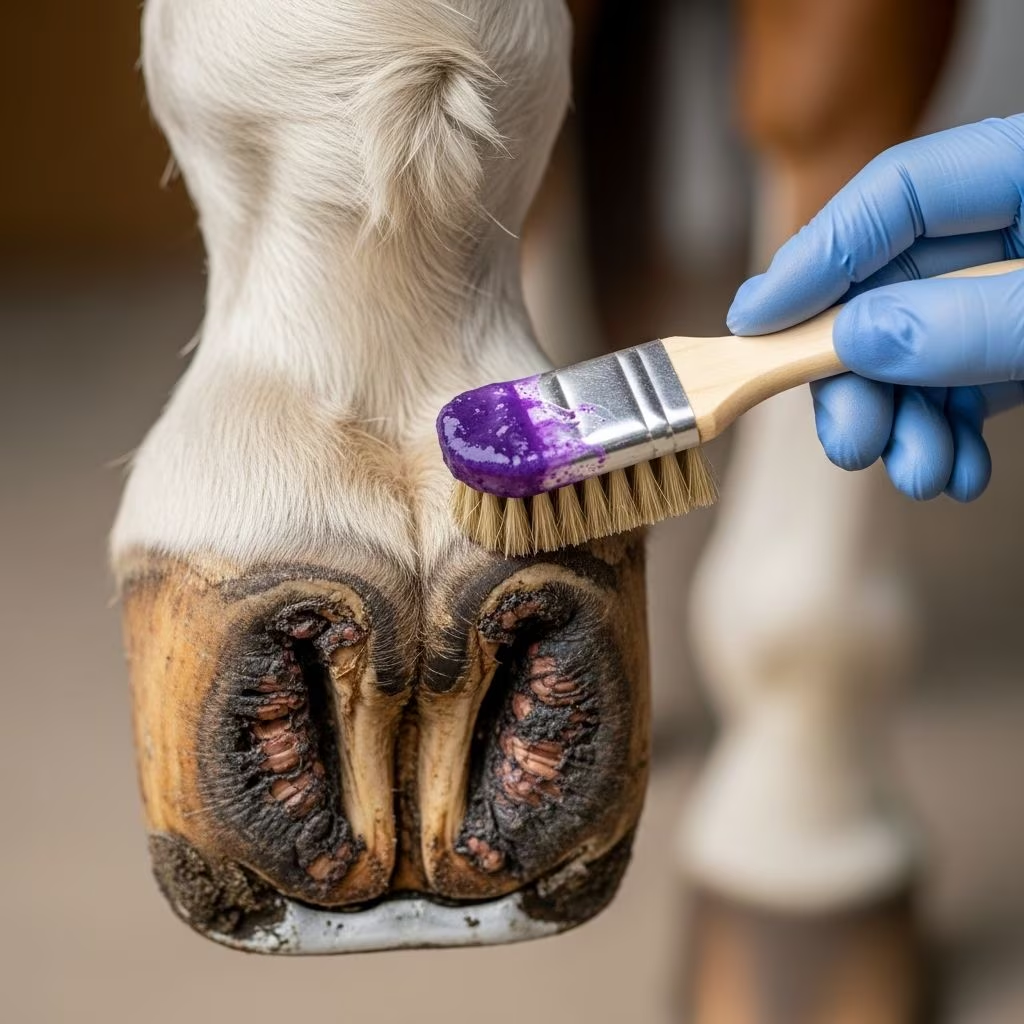
Best Treatments for Thrush in Horses
Thrush is one of the most common hoof conditions affecting horses, characterized by a degenerative infection of the frog—the soft, triangular structure on the underside of the hoof. This keratolytic condition results from anaerobic bacteria and fungi that thrive in dark, moist, oxygen-deprived environments. If left untreated, thrush can penetrate sensitive structures within the hoof and cause temporary to permanent lameness, making early detection and treatment essential for maintaining your horse’s health and soundness.
Understanding Thrush: Causes and Risk Factors
Thrush develops when specific environmental and anatomical conditions create an ideal breeding ground for disease-causing microorganisms. While poor stable hygiene and muddy pastures are commonly associated with thrush, the condition can occur in horses receiving excellent hoof care and living in immaculate environments. Understanding the various risk factors helps horse owners implement targeted prevention strategies.
Environmental Factors
Environmental conditions play a significant role in thrush development. Moisture combined with dirty conditions creates perfect circumstances for bacterial and fungal growth. Horses kept in deep-litter bedding, muddy pastures, or consistently wet ground face elevated risk. However, moisture alone does not cause thrush; rather, it’s the combination of dampness and poor sanitation that enables the disease to flourish. Regular hoof picking is critical, as horses whose hooves are not cleaned daily become more susceptible to infection.
Hoof Conformation and Structure
Certain hoof conformations predispose horses to thrush development. Horses with deep sulci (grooves on either side of the frog), narrow heels, and shallow frog grooves are significantly more prone to thrush because these structures trap dirt and moisture while limiting air exposure—conditions that anaerobic bacteria thrive in. Additionally, imbalanced feet or poor hoof conformation prevent the frog from effectively utilizing its natural self-cleaning system. The frog requires proper balance with the hoof plane to push out debris during ground contact.
Additional Risk Factors
Beyond environmental and structural factors, several other conditions increase thrush susceptibility. Insufficient exercise or excessive stall time reduces the heel expansion and movement necessary for natural frog cleansing. Chronic lameness and poor circulation in the foot compromise the hoof’s ability to resist infection. Improper trimming or inadequate hoof care by a farrier can also contribute to thrush development, as can poor nutrition that affects overall hoof health.
Recognizing Thrush Symptoms
Early identification of thrush is crucial for successful treatment. The condition typically presents with distinctive and recognizable signs that alert horse owners to seek intervention.
Primary Symptoms
The most obvious indicator of thrush is a thick, black, oily discharge emanating from the frog with a distinctive foul odor—often described as rotten or putrid. The affected frog becomes noticeably soft and overly moist, and the surface horn typically appears rough and deteriorated. Horses may also exhibit pain or sensitivity when the affected frog is subjected to pressure during hoof cleaning or normal handling. Bleeding often occurs when frog tissue is touched with a hoof pick, indicating tissue damage.
Additional Clinical Signs
In mild to moderate cases, lameness may not be present, as the infection has not yet extended to the dermal tissue. However, as thrush progresses and invades deeper tissues, affected horses may develop lameness or altered gait. The frog may recede and lose its structural integrity, with fissures or deep pockets developing that can extend toward the heels or hairline. Thrush typically affects the central sulcus of the frog initially before spreading to the collateral sulci and main portion of the frog.
Treatment Options for Thrush
Effective thrush treatment requires a multi-faceted approach combining mechanical cleaning, topical medications, and environmental management. The specific treatment protocol depends on the severity and depth of infection.
Initial Assessment and Debridement
The foundation of thrush treatment begins with professional assessment and mechanical cleaning by a farrier or veterinarian. Debridement of abnormal horn of the frog is necessary to allow access to deeper diseased tissue for topical treatment. The farrier will trim back the flaps of the frog where infection hides and remove all black debris associated with the disease. For stubborn debris, a wire brush, water flush, or hydrogen peroxide solution can help remove trapped material. This mechanical cleaning is essential regardless of which topical treatment is selected, as medications cannot penetrate through layers of dead, infected tissue.
Topical Treatment Options
Once the hoof is properly cleaned and debrided, topical treatments can be applied to disinfect, desiccate, and harden the frog horn. Treatment selection depends on the depth of tissue involvement and severity of infection.
Iodine-Based Treatments
Iodine is an effective germicidal agent commonly used for mild to moderate thrush cases. It works by killing bacteria and fungi while promoting tissue healing. Iodine solutions are particularly suitable for superficial infections that have not penetrated sensitive tissue. The product is typically applied directly to cleaned hoof areas and may be reapplied daily as recommended by your veterinarian or farrier.
Bleach-and-Water Solution
A diluted bleach-and-water mixture (50-50 ratio) serves as an inexpensive antimicrobial treatment for thrush. This solution is appropriate for superficial infections caught in early stages. However, bleach is caustic and can damage sensitive tissue, making it unsuitable for advanced cases where the infection has penetrated deeper into the hoof. If the thrush has spread into sensitive tissue, using bleach would be too harsh and could cause additional tissue damage and pain.
Commercial Over-the-Counter Products
Numerous commercial thrush treatments are available, with proven efficacy when used properly. Products containing iodine, vinegar, or hydrogen peroxide are popular choices. Brand names like Kopertox and Thrush Buster have demonstrated effectiveness in treating mild to moderate thrush cases. These products are typically applied daily to the affected areas following cleaning and picking out of the hoof. Many commercial treatments combine antimicrobial and drying agents to create an inhospitable environment for thrush-causing organisms.
Homemade Treatment Recipes
Your farrier or veterinarian may recommend homemade treatment options combining ingredients such as iodine, vinegar, or hydrogen peroxide. These recipes often prove cost-effective and can be customized based on individual horse needs. Some practitioners also utilize poultices or hoof packing as drawing agents to extract infection from the hoof. However, caustic substances like bleach or formalin should never be used as homemade treatments, as they cause harm to sensitive hoof structures.
Advanced Treatment for Severe Cases
Moderate to severe thrush cases or infections unresponsive to over-the-counter treatments require advanced veterinary intervention. A veterinarian may perform more extensive debridement involving removal of substantial amounts of dead and infected tissue. Prescription medications and systemic antibiotics may be necessary if the infection has invaded deeper tissues. In severe cases, a hospital plate or other protective hoof covering may be applied while healing occurs. Tetanus vaccination should be updated, particularly if significant tissue damage or bleeding has occurred.
Prevention Strategies
Preventing thrush is far more manageable than treating advanced cases. Implementing comprehensive prevention strategies protects your horse’s hoof health and reduces the likelihood of infection.
Environmental Management
Maintaining clean, dry hoof environments is paramount for thrush prevention. Regularly remove wet bedding and deep litter, as these create ideal conditions for thrush development. If possible, limit your horse’s exposure to muddy pastures or consistently wet ground. Provide well-drained paddocks and adequate shelter to keep hooves as dry as possible. When wet conditions are unavoidable, ensure more frequent hoof inspection and cleaning to catch any early signs of infection.
Routine Hoof Care and Maintenance
Daily hoof picking is one of the most effective prevention measures. Removing accumulated dirt and debris eliminates the organic material that thrush organisms feed on. Work with a qualified farrier to maintain proper hoof balance and trimming intervals, typically every 6-8 weeks. Proper trimming maintains hoof health and allows the frog to function optimally in its self-cleaning role. Address any imbalances or conformational issues that might trap moisture and debris.
Exercise and Activity
Adequate exercise and turnout promote heel expansion and natural frog cleansing through movement. Horses spending excessive time confined to stalls are at higher risk for thrush. Maximize your horse’s time in pasture and under saddle when weather and facilities permit. The movement and ground contact help the hoof maintain its natural cleaning mechanisms.
Nutritional Support
A well-balanced diet supporting hoof health can enhance your horse’s resistance to thrush infection. Adequate biotin, zinc, copper, and other minerals contribute to strong hoof growth and integrity. Consult with an equine nutritionist to ensure your horse’s diet supports optimal hoof health, particularly if dealing with recurring thrush despite good management.
When to Seek Veterinary Care
While many thrush cases respond well to owner-implemented cleaning and over-the-counter treatments, certain situations warrant professional veterinary attention. Consult your veterinarian if thrush does not improve within 2-3 weeks of consistent treatment, if lameness develops, if the infection appears to have penetrated deep into the hoof, or if your horse shows systemic signs of illness. Additionally, horses with predisposing hoof conformations prone to recurrent thrush may benefit from specialized podiatry consultation to address underlying structural issues.
Prognosis and Long-Term Management
With appropriate treatment and management, the prognosis for thrush is generally good. Most cases resolve completely when caught early and managed consistently. However, recurrence is more likely in horses with predisposing hoof conformations or those living in perpetually challenging environmental conditions. For these horses, enhanced prevention measures and more frequent professional hoof evaluation help minimize thrush episodes. It’s important to note that thrush is not so much a problem of dirty environments as it is a problem of hooves not being healthy enough to resist infection—addressing underlying causes rather than simply treating symptoms prevents chronic recurrence.
Frequently Asked Questions About Horse Thrush
Q: Can thrush spread between horses?
A: Thrush is caused by bacteria and fungi that are not contagious between horses. Each horse’s thrush results from environmental and anatomical factors specific to that individual. However, sharing equipment like hoof picks without proper cleaning could theoretically transfer debris, so maintain good hygiene practices.
Q: How long does it take to treat thrush?
A: Treatment duration depends on severity. Mild cases may resolve within 2-3 weeks with consistent cleaning and topical treatment. More advanced cases can take 4-8 weeks or longer to fully heal, particularly if deeper tissue involvement exists.
Q: Can I treat thrush myself without a farrier?
A: You can clean and maintain hooves daily using over-the-counter treatments, but professional farrier assessment is valuable for initial debridement and determining appropriate treatment based on infection severity. A farrier can remove diseased tissue more effectively and identify predisposing conformational issues.
Q: What should I do if my horse becomes lame from thrush?
A: Lameness from thrush indicates the infection has invaded sensitive tissue. Contact your veterinarian immediately for professional evaluation and treatment. This situation requires more aggressive intervention than mild cases and may necessitate prescription medications or hospital plate application.
Q: Why does my horse keep getting thrush despite treatment?
A: Recurrent thrush typically indicates underlying causes have not been addressed. Evaluate your horse’s environment, turnout schedule, hoof conformation, and nutrition. Work with your farrier and veterinarian to identify and correct predisposing factors rather than simply treating repeated episodes.
Q: Is thrush preventable in horses with deep sulci?
A: While horses with deep sulci are predisposed to thrush, the condition can be managed through excellent hoof care, regular picking, dry environments, and adequate exercise. These horses require more diligent prevention efforts and more frequent professional hoof evaluation.
References
- Treating Thrush — American Quarter Horse Association (AQHA). 2024. https://www.aqha.com/treating-thrush
- Thrush in Horses – Musculoskeletal System — Merck Veterinary Manual. 2024. https://www.merckvetmanual.com/musculoskeletal-system/disorders-of-the-foot-in-horses/thrush-in-horses
- Thrush in Horses – Farrier Tips for Treatment & Prevention — SmartPak Equine. 2024. https://www.smartpakequine.com/learn-health/thrush-horse
- Thrush in Horses – PetMD — PetMD. 2024. https://www.petmd.com/horse/conditions/skin/thrush-horses
- Thrush – The British Horse Society — The British Horse Society. 2024. https://www.bhs.org.uk/horse-care-and-welfare/health-care-management/hoof-care/thrush/
- Preventing and Treating Thrush in Horses — Michigan State University College of Agriculture and Natural Resources. 2024. https://www.canr.msu.edu/news/thrush_in_horses



