Best Toys for Rats and Why They’re Important
Complete guide to rat toys: enrichment, mental stimulation, and natural behavior support.
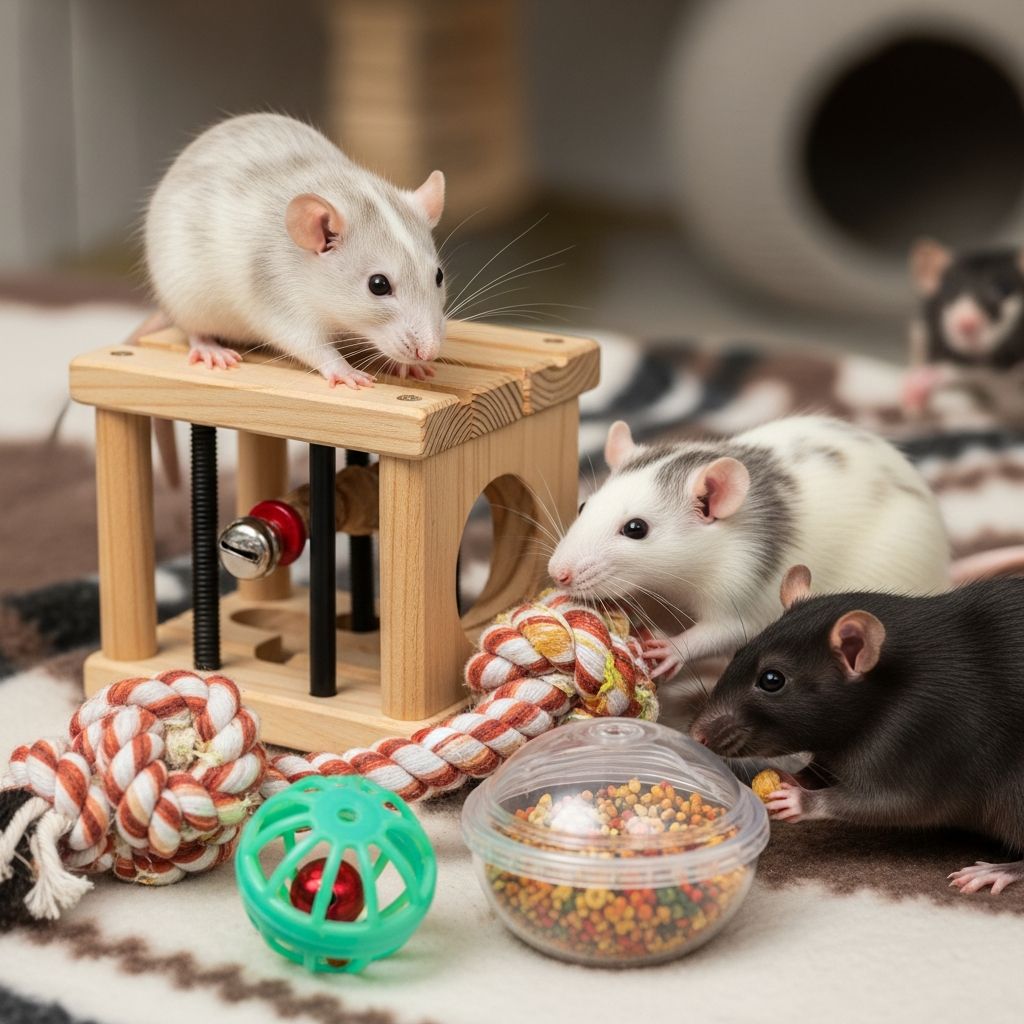
Rats are intelligent, curious, and social animals that require mental and physical stimulation to thrive in a captive environment. Providing appropriate toys and enrichment activities is not just about keeping your pet entertained—it’s about supporting their overall health, preventing behavioral problems, and allowing them to express natural instincts. Well-chosen rat cage accessories encourage exercise, prevent boredom, and support the natural behaviors that rats would engage in if they were living in the wild.
Why Do Rats Need Toys?
Rats are inherently active and intelligent creatures that need mental and physical stimulation to maintain good health and emotional well-being. In their natural habitat, rats spend much of their time foraging for food, digging burrows, exploring new environments, and socializing with their family groups. Without proper enrichment in a captive setting, rats can become bored, stressed, and may develop destructive or aggressive behaviors.
Toys help replicate a rat’s natural environment and stimulate a rat’s varying senses—including smell, sight, and touch—to mimic their natural behaviors as closely as possible. According to veterinary experts, toys provide opportunities for playing, exploring, and hiding, which are similar to activities rats would engage in during their daily lives in the wild, such as foraging for food, digging burrows, and socializing with their cage mates. This environmental enrichment is crucial for maintaining psychological health and preventing stress-related illnesses.
Beyond behavioral benefits, toys also support physical health. Activities like climbing, running, and chewing help rats maintain a healthy weight, develop strong muscles, and keep their teeth in good condition. Many rat toys are specifically designed to promote dental health by encouraging natural chewing behaviors, which helps wear down constantly growing teeth and prevents dental disease.
9 Best Toy Types for Rats
There are several different categories of rat toys, each providing unique benefits and addressing different aspects of your rat’s enrichment needs. Understanding each type will help you create a balanced and stimulating environment for your pet.
Puzzle Toys
Puzzle toys are designed to challenge your rat’s problem-solving abilities and keep their mind engaged. These toys typically require the rat to manipulate, roll, or move parts of the toy to access hidden treats or reveal compartments. Puzzle toys can provide extended periods of mental stimulation and are excellent for preventing boredom in captive rats.
The beauty of puzzle toys is that you don’t have to limit yourself to options specifically marketed for rats. Rats are intelligent enough to solve many types of puzzles designed for larger animals, including treat contraptions originally made for cats and dogs. Popular puzzle toy options include the Wheeky Pets Small Pet Wheeky Toy, the Catstages Kitty Cube Cat Treat Puzzle Toy, and the Nina Ottosson by Outward Hound Brick Puzzle Game Dog Toy. These toys provide mental enrichment while dispensing treats as rewards for successful problem-solving.
Burrow Boxes and Dig Boxes
Burrow boxes and dig boxes replicate the natural burrowing behavior that rats would engage in outdoors. These enclosed spaces with filling material—such as aspen shavings, paper bedding, or shredded paper—allow rats to satisfy their instinctive digging behaviors. Burrow boxes provide not only physical enrichment through digging activity but also a sense of security and a designated hiding space where rats can retreat and feel safe.
Chew Toys
Just like dogs, rats love chew toys and have a natural instinct to chew. Rats’ teeth continuously grow throughout their lives, and chewing helps them maintain appropriate tooth length and dental health. Safe chew toys for rats are made from natural materials such as soft wood sticks, hay, natural fibers, or corn leaf. These materials are non-toxic and allow rats to satisfy their natural chewing instincts while promoting good oral health.
Recommended chew toys include the Oxbow Apple Stick Bundle Small Animal Chew Toy, Frisco Trio Balls Small Pet Chew Toys, and Wild Harvest Colored Fruit Flavored Wood Chews. When selecting chew toys, it’s important to avoid plastic items that could splinter or be ingested, causing potential choking hazards or intestinal obstruction.
Hanging Chews
Hanging chews are made from chewable materials that are strung together and suspend from your rat’s cage, typically from the ceiling or upper levels. These hanging toys provide dual benefits: they offer dental enrichment through chewing while also encouraging physical activity and reaching movements. As rats must reach up and gnaw on these suspended toys, they engage their muscles and maintain physical fitness.
Popular hanging chew options include the Vila Colorful Hanging Teeth Grinding Rat Guinea-Pig & Small Animal Wooden Chew Blocks, Frisco Small Pet Hanging Ball and Grass Chew Toy, and Oxbow Enriched Life Hanging Bulrush Bunches Small Animal Toy. These toys add vertical enrichment to your rat’s habitat while serving important health functions.
Hammocks
Hammocks serve as comfortable resting spots and add a vertical dimension to your rat’s cage environment. Rats enjoy perching in elevated locations, and hammocks provide a cozy retreat where they can rest, observe their surroundings, and feel secure. Many rats use hammocks for sleeping or lounging with their cage mates, making these toys both functional and socially beneficial.
Treat Hangers
Treat hangers hold food items in suspended positions, encouraging rats to work for their food and engage in foraging behaviors. These toys make mealtime more enriching by turning eating into an interactive activity that requires problem-solving and physical effort. Treat hangers can hold various items including fresh vegetables, hay, or specially designed treats.
Forage Mats
Forage mats are made with soft felt strands that cover treats and food items, allowing your rats to satisfy their natural scavenging instincts. While it might seem easier to simply hand your rat a treat directly, these animals actually thrive on the hunt and the exploration required to find hidden food. Forage mats encourage natural foraging behaviors and provide mental enrichment during feeding times. The Oxbow Enriched Life Lettuce Forage Mat is a popular option that allows rats to dig through and manipulate the felt to uncover hidden treats and vegetables.
Run and Hides (Tunnels and Hideouts)
Tunnels and hideouts provide both physical and psychological enrichment. Rats naturally enjoy exploring small spaces and having secure areas where they can retreat. These items add complexity to the cage environment and encourage running, climbing, and investigating. Tunnels can connect different levels of the cage or create pathways between hiding spots, promoting physical activity and exploration.
Exercise Wheels
Exercise wheels provide an outlet for rats’ natural running behaviors and help maintain cardiovascular health and appropriate body weight. Solid-surface wheels (rather than wire wheels, which can cause injury) are the safest option for rats. An appropriately sized exercise wheel allows your rat to run with a natural gait without strain on the spine.
How To Enhance Your Rat’s Cage Accessories and Toys
Simply placing toys in a cage isn’t enough; you need to actively manage and rotate enrichment items to keep your rats engaged and mentally stimulated. Here are key strategies for maximizing the benefits of cage accessories:
Rotate Toys Regularly
Periodically update your rat’s cage by introducing new toys and removing old ones. This creates novelty and renewed interest in the environment. Even a toy your rat loved weeks ago can become exciting again if it’s been absent from the cage for a period of time. Additionally, rotation allows time for thorough cage cleaning and ensures that worn or damaged toys are removed before they pose a safety risk.
Modify Cage Layout
Change the physical arrangement of your cage regularly by repositioning existing toys, hideouts, and accessories. You might create mazes by arranging tunnels in new patterns, or connect multiple cages with tunnels if your setup allows. These modifications provide a fresh, stimulating environment that encourages new exploration and physical activity patterns.
Inspect Toys for Damage
Regularly check your rat’s toys for signs of urine soaking, deterioration, or damage that could pose a risk of injury. Any plastic items that you find your rat chewing on—including hideouts—should be removed immediately, as plastic bits ingested can become hazards for choking or intestinal obstruction. Replace damaged toys promptly to maintain a safe environment.
Balance Toy Selection
Rather than overwhelming your rats with dozens of toys, focus on providing a few quality toys that fulfill different activities: chewing, hiding, foraging, climbing, and running. This balanced approach keeps your rats mentally engaged while avoiding cage overcrowding, which can be overwhelming and make thorough cage cleaning more difficult.
Consider Individual Factors
The number and types of toys your rats need depends on several variables, including their age, the size of their enclosure, how much time they spend with their pet parents outside the cage, and the number of cage mates. Younger, more active rats may need more enrichment options, while senior rats might prefer gentler activities like accessible food foraging. Rats with cage mates may need fewer toys than solitary rats, as social interaction provides enrichment. Rats that spend considerable time outside their cage may need fewer cage-based enrichment options than rats that spend most of their time indoors.
Important Safety Considerations
When selecting toys for your rats, safety should always be your primary concern. Choose toys made from natural, non-toxic materials such as untreated wood, cardboard, hay, and grass. Avoid plastic toys that could splinter or be chewed into small pieces that could cause intestinal blockages. Regularly inspect all toys for signs of wear, damage, or contamination with urine or feces, and replace compromised items immediately.
Always supervise your rats with new toys initially to ensure they don’t have adverse reactions and that the toys are appropriate for their size and chewing habits. If a toy poses any risk to your rats’ safety, remove it from the cage regardless of whether it appears in toy guides or product recommendations.
Frequently Asked Questions (FAQs)
Q: What toys do rats like the most?
A: Rats enjoy a variety of toys, and preferences vary among individual animals. However, some favorites consistently include burrow boxes, chew toys, forage mats, puzzle toys, climbing toys, and hammocks. The key to keeping your rats happy and mentally stimulated is rotating through all the different types of toys to provide varied enrichment experiences. What one rat finds fascinating, another might ignore, so observe your individual rats’ preferences and tailor your toy selection accordingly.
Q: How can I entertain my rats?
A: Beyond providing a variety of toys, you can entertain your rats by creating an enriched environment that encourages exploration and natural behaviors. Rotate toys regularly to maintain novelty, modify cage layouts to present new configurations, provide foraging opportunities by hiding treats in creative places, and spend interactive time with your rats outside the cage. You can also create DIY enrichment using cardboard boxes, paper bedding materials, and safe household items. Observing your rats and their reactions to different enrichment options will help you identify what engages them most.
Q: How many toys should a rat have?
A: Rather than focusing on quantity, aim for quality and variety. Most rats do well with a few toys available that fulfill different activities—such as chewing, hiding, and foraging. Having three to five well-chosen toys is generally sufficient for most rats. Avoid overcrowding the cage with toys, as this can be overwhelming and make thorough cage cleaning difficult. The specific number depends on your individual rats’ needs, cage size, age, and whether they spend time outside the cage with their owners.
Q: Are there toys I should avoid for rats?
A: Yes, avoid plastic toys and plastic hideouts that your rats might chew on, as ingested plastic can cause choking or intestinal obstruction. Avoid toys with small parts that could be torn off and swallowed. Don’t use painted wood or chemically treated materials. Avoid wire exercise wheels that can pinch or injure rat feet and tails; solid-surface wheels are much safer. Additionally, avoid toys with sharp edges or protruding wires that could cause injury. Always prioritize toys made from natural, non-toxic materials.
Q: Can rats play with toys made for other animals?
A: Yes, rats can often enjoy toys designed for other small animals or even cats and dogs, particularly puzzle toys and treat dispensers. However, always ensure that any toy is appropriately sized for your rat and free from materials or small parts that could cause harm. Check that any toy you introduce is sturdy enough to withstand rat chewing and doesn’t contain toxic paints, adhesives, or materials. Always supervise your rats with new toys initially to ensure compatibility and safety.
Q: How often should I clean rat toys?
A: Toys should be cleaned regularly as part of your cage maintenance routine. The frequency depends on the toy material and how heavily used it is. Fabric toys like hammocks and forage mats may need cleaning weekly or as soon as they become soiled with urine. Wooden chew toys can be spot-cleaned and should be replaced when they become heavily soiled or deteriorate. Plastic and hard surfaces should be wiped down regularly. Always remove any toys that show signs of excessive soiling, mold, or damage, as these can harbor bacteria and pose health risks.
References
- Best Toys for Rats and Why They’re Important — Chewy Education. 2025. https://www.chewy.com/education/small-pet/health-and-wellness/rat-toys
- Pet Rat Chew Toys and Safety Guidelines — Chewy. 2025. https://www.chewy.com/b/rat-chew-toys-10985
- Exotic Pet Care and Enrichment Standards — Association of Exotic Mammal Veterinarians. 2024. https://aemv.org
References
- https://www.chewy.com/education/small-pet/health-and-wellness/rat-toys
- https://www.chewy.com/best/rat-tunnels-ball-toys_s129460
- https://www.chewy.com/f/pet-rat-chew-toys_c10983_f235v15668
- https://www.chewy.com/sp/hanging-rat-toys
- https://www.chewy.com/f/plastic-rat-toys_c10983_f7v17023
- https://www.chewy.com/b/rat-chew-toys-10985
- https://www.chewy.com/b/rat-toys-10983
- https://www.chewy.com/f/rat-tunnel-toys_c10983_f235v71973
- https://www.chewy.com/b/rat-supplies-and-accessories-10854
- https://www.chewy.com/best/rat-toys_s128324
Similar Articles








Read full bio of medha deb