

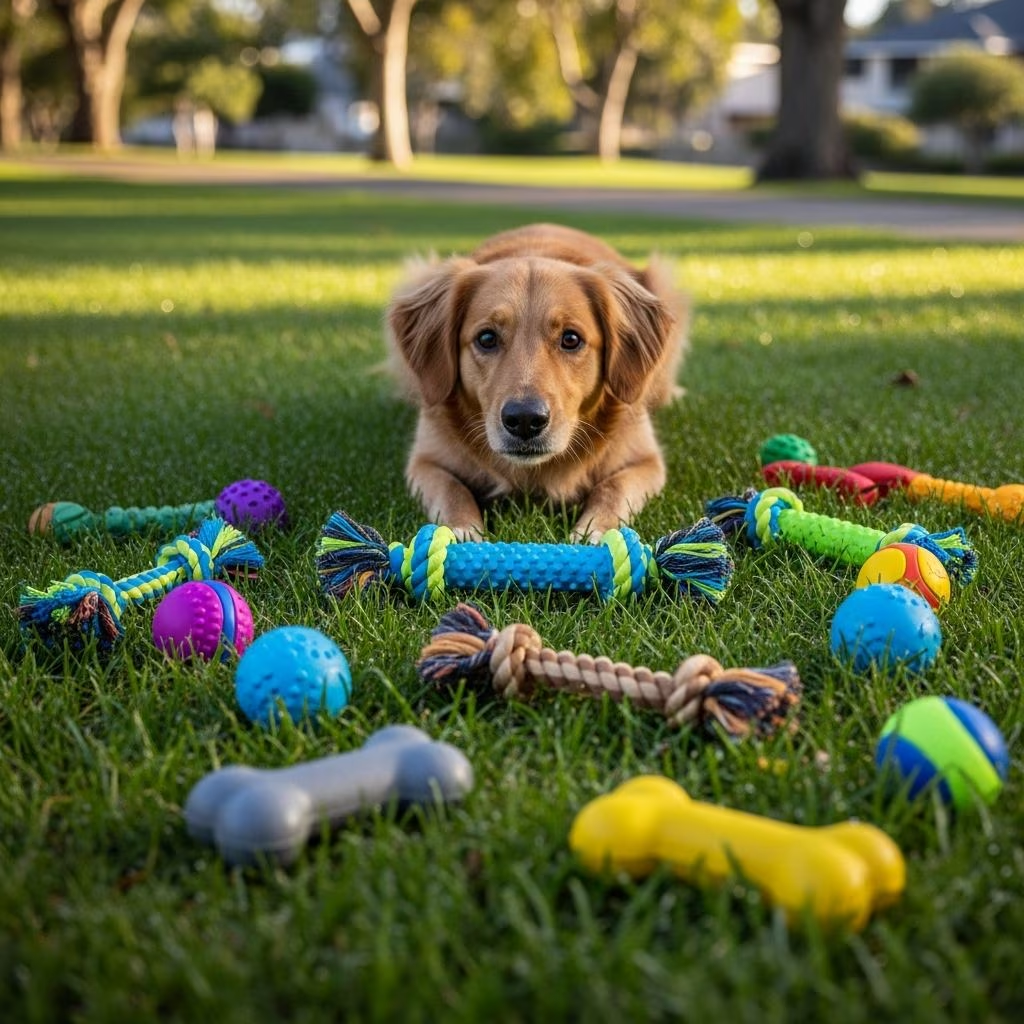
Dogs perceive colors differently from humans, with blue and yellow being the most distinguishable hues, making toys in these shades ideal for enhancing visibility and engagement during play.
Understanding Canine Color Perception
Dogs possess dichromatic vision, relying on two types of cone cells in their retinas that primarily detect blue and yellow wavelengths. This contrasts with human trichromatic vision, which includes red and green sensitivity. As a result, dogs see reds as dull grays or browns, greens as muted yellows, and oranges similarly indistinct.
Research confirms that dogs excel at discriminating blue from yellow, while struggling with red-green distinctions. A study on free-ranging dogs showed a preference for yellow in discrimination tasks, underscoring its salience. This limited palette means toy selection should prioritize high-contrast colors to match their visual strengths.
Why Blue and Yellow Dominate Toy Choices
Blue toys appear vivid and crisp to dogs, standing out against most backgrounds. Yellow provides bright contrast, especially in low-light conditions. These colors leverage dogs’ strongest visual receptors, promoting better tracking during fetch or tug games.[10]
- Blue: Offers sharp definition, ideal for motion detection.
- Yellow: Enhances visibility in varied lighting, boosting excitement.
- Avoid reds/greens: They blend into environments, reducing interaction.
Manufacturers often incorporate these insights, as measuring toy colors with spectrophotometers ensures appeal to both pets and owners.
Environment-Specific Toy Color Recommendations
Toy visibility varies by setting, so tailor choices to contrast with surroundings for optimal play.
| Environment | Best Colors | Why It Works |
|---|---|---|
| Grassy Outdoors | Blue, Yellow | Strong contrast against green; prevents blending. |
| Snowy Areas | Yellow, Orange-tinted Yellow | Bright pop against white; blue may shadow-blend. |
| Beaches/Sand | Blue, Dark Yellow | Stands out on beige; avoids washout. |
| Indoors (Carpet) | Yellow, Purple (as blue-ish) | Bright against muted floors; aids focus. |
| Water Play | Bright Yellow, Blue | Visible on surface; tracks floating toys. |
Boosting Engagement with Strategic Colors
Color-matched toys increase interaction rates. Dogs respond more enthusiastically to visible items, showing heightened excitement and focus. This visual stimulation supports cognitive development, particularly in puzzles where blue/yellow highlights treat compartments.
For chew toys, vibrant hues draw attention despite texture priority. Rotating colors prevents habituation, maintaining long-term interest and reducing boredom.
Indoor Play: Lighting and Contrast Matters
Inside homes, softer lighting amplifies yellow’s glow, making it perfect for evening sessions or senior dogs with diminished acuity. Purple registers as a blue variant, adding variety without confusion. These choices foster confident play, minimizing frustration from ‘lost’ toys in carpets or shadows.
- Puppies benefit from yellow for focus training.
- Seniors gain from high-contrast blues.
- Low-light rooms favor bright yellows.
Outdoor Adventures: Matching Nature’s Palette
Grass renders red/orange toys nearly invisible, frustrating fetch attempts. Blue cuts through greenery, while yellow shines in open fields. In snowy terrains, yellow’s luminosity trumps blue, ensuring safe retrievals.
Park play demands contrast; test toys in situ to confirm visibility, enhancing safety and enjoyment.
Toy Types and Color Synergy
Fetch and Retrieval Toys
High-speed games thrive on blue/yellow for trajectory tracking, reducing misses and building success.
Puzzle and Interactive Feeders
These demand visual cues; colored elements guide sniffing and solving, enriching mental workouts.
Tug and Chew Options
Black/white/blue provide grip contrast; yellow chewables sustain interest longer.
Beyond Vision: Color’s Role in Mood and Health
While vision drives selection, colors may influence mood via instinctual responses. Blue calms hyperactivity, yellow energizes lethargy—echoing color therapy principles for pets. Visible toys promote bonding, as dogs engage more readily, strengthening owner-pet ties and easing anxiety.
Practical Tips for Toy Selection
- Combine blue/yellow in multi-packs for versatility.
- Prioritize durable, non-toxic materials in preferred hues.
- Observe your dog’s reactions; adjust based on breed/environment.
- Incorporate patterns for extra motion appeal.
Marketing favors red for humans, but canine-centric designs prioritize science.
Frequently Asked Questions
Do all dogs see colors the same way?
Most dogs are dichromats, but breeds like those with merle coats may have variations. Blue/yellow remain safest bets.
Can color affect my dog’s training?
Yes, visible toys improve focus and reinforcement association, speeding learning.
Are expensive toys better if colored right?
No, prioritize visibility and durability over price; right color maximizes any toy’s value.
What if my dog ignores blue/yellow toys?
Consider scent/texture; rotate or add treats to build preference.
Is purple okay for toys?
Dogs see it as blue-ish, making it a good indoor alternative.
Creating an Enriched Play Routine
Integrate color wisdom into daily routines: morning yellow fetches for energy, evening blue tugs for wind-down. Track engagement to refine choices, fostering a stimulating environment. This approach not only entertains but supports holistic well-being, from mental sharpness to physical activity.
By aligning toys with canine vision, owners unlock fuller play potential, turning ordinary items into sources of joy and connection.
References
- What Colour Toys are Best for Dogs? — Happy Staffy Co. 2023. https://www.happystaffyco.com/blogs/news/what-color-toys-are-best-for-dogs
- Can Colors Really Boost Your Pet’s Mood and Health? — Bark and Whiskers. 2025-08-01. https://www.barkandwhiskers.com/2025-08-01-can-colors-boost-pets-mood-health/
- What Colour Toys Are Best for Dogs Indoors vs Outdoors? — Psychreg. 2024. https://www.psychreg.org/what-colour-toys-are-best-dogs-indoors-vs-outdoors/
- Why the Best Colors for Dog Toys are Blue and Yellow — Pet Assure. 2023. https://www.petassure.com/maxscorner/best-colors-for-dog-toys-are-blue-and-yellow/
- Ready, set, yellow! color preference of Indian free-ranging dogs — PMC (NCBI). 2024. https://pmc.ncbi.nlm.nih.gov/articles/PMC11794370/



