

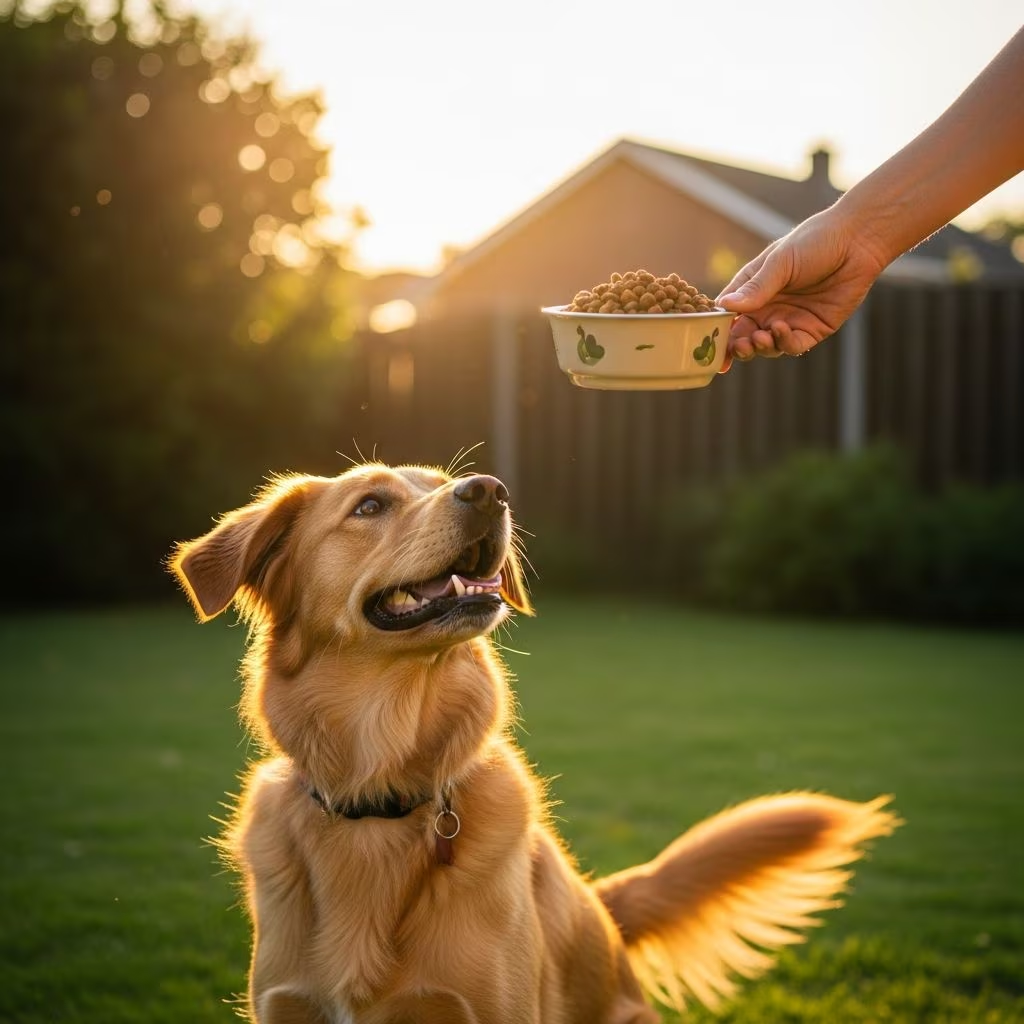
Establishing the right feeding schedule is essential for your dog’s health, digestion, and overall well-being. Dogs, unlike humans with three daily meals, thrive on a routine that aligns with their digestive system, which typically processes food in 4-6 hours. The best general approach for adult dogs is two meals per day, spaced 8-12 hours apart, such as morning around 7-9 AM and evening around 6 PM. This timing ensures steady energy levels, prevents begging, and reduces risks like gastric dilatation-volvulus (bloat).
Why Feeding Time Matters for Dogs
The canine digestive system differs significantly from humans. A dog’s stomach empties within 4-6 hours after eating, and hunger signals trigger after 8-10 hours of emptiness. Consistent meal timing supports better digestion, stable blood nutrient levels, and predictable bathroom habits. Irregular feeding can lead to digestive upset, obesity, or malnutrition. Factors like age, breed, activity level, and health conditions influence the ideal schedule.
- Digestion cycle: Food moves from stomach to intestines in 4-6 hours, prompting hunger after 8+ hours.
- Energy stability: Split meals prevent energy crashes and overeating.
- Health prevention: Proper timing lowers bloat risk in large breeds and aids weight management.
Feeding Schedules by Life Stage
Dogs’ nutritional needs evolve with age. Puppies require frequent meals for growth, adults need balanced portions, seniors may benefit from smaller feeds, and pregnant or nursing dogs demand adjustments.
Puppies
Puppies expend massive energy growing, necessitating smaller, more frequent meals. Under 4 months, feed 3-4 times daily; 4-6 months, 3 times; transition to 2 by 6 months. Morning, midday, afternoon, and evening slots work best. Use puppy-specific food rich in calories, proteins, and minerals.
| Age | Meals per Day | Example Schedule |
|---|---|---|
| <4 months | 3-4 | 7AM, 11AM, 3PM, 7PM |
| 4-6 months | 3 | 7AM, 1PM, 7PM |
| 6+ months | 2 | 7AM, 6PM |
Adult Dogs
Most adults (6 months to 7 years) do best with two meals, 8-12 hours apart. Aim for 7-9 AM and 5-7 PM to match human routines. This fits working owners: feed before leaving, then upon return. Split daily calories equally or adjust (e.g., 1/3 morning, 2/3 evening for firmer stools).
Senior Dogs
Seniors (7+ years) often suit two meals but may need 3 smaller ones for conditions like diabetes or kidney disease. Consult a vet for calorie-reduced senior food and timing to manage metabolism slowdown.
Pregnant or Nursing Dogs
Expectant mothers need smaller, frequent meals as puppies crowd the stomach. Nursing dogs may require free-choice or 3+ meals to fuel milk production. Increase calories gradually.
Feeding Methods Explained
Choose based on lifestyle and dog’s needs. Timed feeding suits most; others for specific cases.
Timed Feeding
Most popular: Offer food for 15-30 minutes, remove uneaten portions. Repeat 8-12 hours later. Builds hunger, prevents obesity, ideal for routine households.
Free-Choice Feeding
Food available all day. Best for highly active, nursing, or predictable eaters. Monitor to avoid overeating; not for weight-challenged dogs.
Portion Control
Measure exact daily intake, split into 2 meals. Vet-guided for overweight/underweight dogs.
Best Practices: When to Feed Relative to Activity
Timing around exercise prevents issues like bloat or vomiting. Feed 1+ hour before activity; wait 1 hour after vigorous exercise. Morning meal 6-9 AM before walks; evening before rest.
- Avoid pre-run feeding to promote fat energy use.
- Large breeds: Space meals to minimize torsion risk.
- Post-exercise: Hydrate first, then small meal.
Sample Daily Feeding Schedules
| Dog Type | Morning Meal | Midday (if needed) | Evening Meal |
|---|---|---|---|
| Adult | 7-8 AM | – | 6-7 PM |
| Puppy <4 mo | 7 AM | 12 PM, 4 PM | 8 PM |
| Athletic Adult | 6 AM | 2 PM | 7 PM |
| Senior | 8 AM | 2 PM (small) | 7 PM |
Common Mistakes to Avoid
- Feeding right before/after exercise: Raises bloat risk.
- Inconsistent times: Disrupts digestion.
- Overfeeding free-choice: Leads to obesity.
- Ignoring age/health: Puppies need more frequency.
- No vet consult: Essential for medical issues.
Adjusting for Special Needs
Athletic dogs may need 3 meals; working breeds like bird dogs benefit from feeding 17+ hours pre-exercise for fat utilization. Medical conditions (GERD, diabetes) require vet-prescribed frequency.
Frequently Asked Questions (FAQs)
What is the best time to feed my adult dog?
Twice daily, 8-12 hours apart, e.g., 7 AM and 6-7 PM for optimal digestion.
How often should I feed my puppy?
3-4 times/day under 4 months, reducing to 2 by 6 months.
Can I feed my dog once a day?
Possible for some, but two meals are better for steady energy and health.
Should I feed before or after walks?
At least 1 hour before; wait 1 hour after to avoid digestive issues.
What if my dog skips a meal?
Monitor; consult vet if persistent, as it may signal health problems.
Consult Your Vet
Individual factors like breed, weight, and health dictate perfect timing. A veterinarian provides personalized advice, especially for transitions or issues.
References
- Dog Food Nutrition & Diet | What to Feed your Dog — Medivet Group. 2023. https://www.medivetgroup.com/pet-care/pet-advice/your-complete-guide-to-dog-nutrition/
- What Time of Day Should I Feed My Dog? — James Wellbeloved. 2023. https://wellbeloved.com/blogs/dog-nutrition/what-time-of-day-should-i-feed-my-dog/
- What is the best daily feeding strategy for my dog? — Skinner’s. 2023. https://www.skinners.co.uk/advice-centre/what-is-the-best-daily-feeding-strategy-for-my-dog/
- What Is the Best Feeding Time for Dogs? — JustFoodForDogs. 2023. https://blog.justfoodfordogs.com/best-feeding-time-for-dogs.html
- Dog Feeding Time: How Much and How Often? — WebMD. 2023. https://www.webmd.com/pets/dogs/feeding-time
- Feeding Times and Frequency for Your Dog — VCA Animal Hospitals. 2023. https://vcahospitals.com/know-your-pet/feeding-times-and-frequency-for-your-dog



