

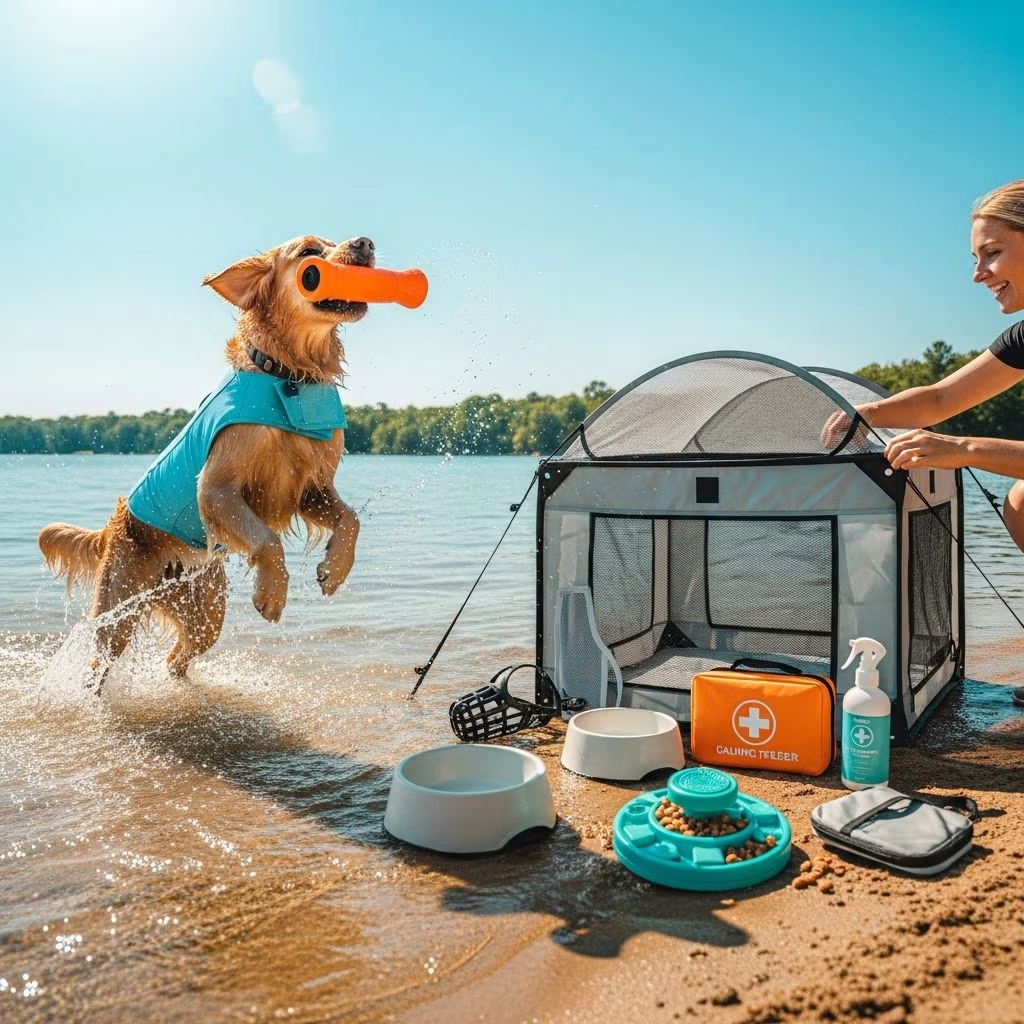
Best Summer Pet Gear: Training & Stress Relief Guide
Summer brings joy, adventure, and outdoor activities—but it also presents unique challenges for our furry companions. From scorching heat to unexpected stressors like fireworks and schedule changes, dogs often struggle during the warmer months. Whether your dog suffers from anxiety, experiences end-of-summer blues, or simply needs help staying cool and calm, having the right gear and training strategies makes all the difference. This comprehensive guide explores the best summer pet gear and proven training techniques to keep your dog comfortable, well-behaved, and stress-free throughout the season.
Understanding Summer Stress in Dogs
Summer can trigger various stressors for dogs that pet parents may not immediately recognize. Beyond the physical challenges of heat and humidity, dogs experience emotional stress from seasonal changes, schedule disruptions, and unexpected loud noises like fireworks. Dogs have incredibly sensitive hearing, making sudden, loud noises feel overwhelming, and they don’t understand what’s happening when unpredictable sounds activate their fight-or-flight response. Additionally, as summer winds down, many dogs experience end-of-summer sadness when family members return to school or work, disrupting the routines and relationships they’ve grown accustomed to during vacation time.
Common signs of summer stress include loss of appetite, separation anxiety, night pacing, digging, barking, excessive chewing, and even depression. If your normally well-behaved dog exhibits these behaviors and your veterinarian has ruled out underlying physical problems, seasonal stress is likely the culprit. The good news is that with proper gear and training strategies, you can significantly reduce your dog’s anxiety and help them thrive during summer.
Essential Summer Pet Gear for Anxiety Relief
Selecting the right gear is crucial for managing your dog’s summer stress. Quality products specifically designed for anxiety relief can provide comfort and support when your dog needs it most.
Anxiety Wraps and Vests
Anxiety wraps, such as ThunderShirt, are among the most effective tools for managing dog fear and stress. These snug-fitting vests apply gentle, constant pressure to your dog’s body, similar to swaddling an infant. The technique, known as deep pressure stimulation, has been shown to calm nervous systems and reduce anxiety. When introducing an anxiety wrap to your dog, start by showing it to them in a positive manner, then reward them with treats for allowing you to hold and eventually put it on. This positive reinforcement helps your dog associate the vest with good things. Anxiety wraps are particularly useful during fireworks season, thunderstorms, or when your dog experiences separation anxiety.
Calming Collars and Pheromone Diffusers
Calming collars infused with pheromones like Adaptil mimic natural calming scents that help soothe anxious dogs. These collars release synthetic versions of the pheromones mother dogs produce to calm puppies, creating a sense of security and comfort. Pheromone diffusers offer similar benefits for home environments, providing continuous calming support throughout your dog’s day. These products are particularly effective for dogs experiencing separation anxiety or general nervousness.
Cooling Gear and Heat Management
Summer heat poses real physical dangers to dogs, making cooling gear essential. Cooling mats, vests, and bandanas help regulate body temperature and prevent overheating, which can lead to heatstroke and dehydration. These products use gel or water-based technology to provide long-lasting cooling relief. Additionally, always ensure your dog has access to plenty of fresh, cool water, and consider placing multiple water bowls around your home during particularly hot days. Providing shaded areas where your dog can rest and escape direct sunlight is equally important.
Interactive Toys and Puzzle Games
Mental stimulation is as important as physical exercise for managing stress. Interactive toys, puzzle feeders, and sniff toys keep your dog’s mind engaged and help prevent boredom-related behavioral issues. Letting dogs engage in fun activities that require them to use their noses can help relieve stress effectively. Rotating toys regularly keeps them novel and interesting for your dog.
Comfort Items and Bedding
Familiar objects provide comfort during stressful periods. Soft bedding, favorite blankets, and comforting toys help create safe spaces for your dog. Items with familiar scents, such as a worn t-shirt with your scent, give your dog something to hold onto when you’re not around, reducing separation anxiety. Additionally, covering dog crates with blankets creates a “den” that offers extra comfort and security.
Calming Products and Supplements
Beyond physical gear, various calming products can support your dog’s mental health during summer stress. Options include calming chews and treats containing natural ingredients like L-theanine, valerian root, and CBD. Always consult your veterinarian before introducing any new supplement or medication, as they can recommend products suited to your dog’s specific needs and ensure compatibility with any existing medications.
Strategic Training Techniques for Summer Success
Proper training is fundamental to helping your dog navigate summer challenges. A well-trained dog is more adaptable to changing circumstances and better equipped to handle stress.
The BLUES Framework for End-of-Summer Stress
When your dog struggles with end-of-summer changes, the BLUES framework provides a structured approach to managing their stress:
B: Be Aware of Relationships
Pay attention to the close relationships your dog has formed with visiting family members or those preparing to leave. If a child is heading to college or a visiting relative is departing, foster new bonds with family members who will remain in the home full-time. Assigning a new family member to spend quality time with your dog before losing a loved one helps prevent the relationship rupture from becoming traumatic.
L: Leadership in the Whole Family
Leadership provides your dog with stability when routines and household members change. Ensure every family member participates in basic care routines like feeding time. Have your dog sit and perform basic obedience commands before receiving meals or treats from various family members. Teaching your dog to obey commands from everyone in the household helps them understand their job remains consistent regardless of who’s giving directions. This stability significantly reduces stress from seasonal household changes.
U: Use Familiar Objects
Keep your dog company with familiar objects during nighttime and when alone during the day. Calming products like treats, anxiety vests, collars, and sprays all provide comfort, but simple items like old t-shirts with your scent are equally effective. Dogs naturally search for their people in objects that smell like them, so dedicate an old piece of clothing to serve as a comforting companion.
E: Ease Into New Routines
Gradual transitions prevent shock to your dog’s system. If someone who regularly walks or sleeps with your dog will soon spend less time at home, begin assigning those tasks to someone more consistently present about a week or two before the change becomes necessary. Similarly, if your house will become quieter as children leave for school, gradually begin leaving your dog alone for short periods to acclimate them to the upcoming change.
S: Stimulate Your Dog With Exercise
Consistent exercise is key to solving many canine behavior issues, regardless of season. Daily physical exercise combined with mental stimulation through games and obedience training keeps your dog’s mind and body engaged. Indoor games of fetch and drilling basic commands prevent boredom and destructive behaviors. Rain or shine, warm or cold, regular exercise remains a non-negotiable component of summer dog care.
Exercise and Activity Recommendations
Summer offers excellent opportunities for outdoor activities with your dog, but proper planning ensures safety and success.
Brisk Walks and Running
When possible, choose soft, grassy terrain to protect your dog’s paw pads from hot pavement. Always ease your dog into increased exercise intensity to build stamina, as dogs may struggle to regulate body temperature in hot weather, risking overheating and dehydration. Exercise during cooler parts of the day—early morning or evening—whenever possible.
Hiking Adventures
For dogs living near forests or trails, hiking provides excellent physical and mental stimulation. The varied terrain helps boost coordination skills, while the environmental changes offer significant mental engagement. Incorporate command training like “sit” and “stay” during hikes, using positive reinforcement to make the experience enjoyable. Start slowly to teach your dog how to navigate different terrains safely.
Training in Real-World Conditions
Don’t limit training to quiet rooms. Practice commands when the doorbell rings or when other dogs are nearby, helping your dog learn to respond regardless of distractions. This real-world training builds reliability and confidence in your dog’s abilities.
Creating a Safe Space for Your Dog
A dedicated safe space is essential during stressful summer events like fireworks. Set up a calming, quiet zone away from windows and outside noise. Use soft bedding, white noise machines, fans, or dog-specific calming music to muffle external sounds. Covering crates with blankets creates a “den” where your dog feels secure. This sanctuary becomes your dog’s refuge during stressful periods.
Handling Fireworks and Loud Noises
Fireworks represent one of the most common summer stressors for dogs. Several weeks before July 4th or other celebrations, gradually expose your dog to recorded firework sounds at very low volumes while pairing the noise with high-value treats or play. This desensitization and counter-conditioning process reduces reactivity. However, proceed carefully—if your dog shows noise sensitivity, start at whisper-quiet volumes. Never punish your dog for panicking; they’re genuinely frightened, not misbehaving. Your presence and support actually help them feel safer and don’t reinforce fear.
Summer Pet Gear Comparison Table
To help you choose the right products for your dog’s specific needs, here’s a comparison of popular summer pet gear:
| Product Type | Best For | Pros | Cons |
|---|---|---|---|
| Anxiety Wraps/Vests | Fireworks, thunderstorms, anxiety | Drug-free, easy to use, portable | Not all dogs accept them; requires introduction period |
| Calming Collars | Mild anxiety, general nervousness | Continuous relief, no fitting required | May work less effectively for severe anxiety |
| Cooling Mats/Vests | Heat management, overheating prevention | Drug-free, reusable, affordable | Requires refrigeration; benefits diminish over time |
| Puzzle Toys | Mental stimulation, boredom prevention | Engaging, long-lasting, improves focus | Requires supervision; can become routine |
| Calming Supplements | Anxiety, stress management | Natural ingredients, vet-approved options | Results vary; requires consistency; vet consultation needed |
Frequently Asked Questions
Q: How can I tell if my dog has summer anxiety?
A: Watch for signs such as loss of appetite, separation anxiety, night pacing, digging, barking, chewing, and depression. If these behaviors coincide with summer changes and are uncharacteristic of your dog, summer anxiety may be the cause. Always consult your veterinarian to rule out physical health issues.
Q: What’s the safest way to exercise my dog in hot weather?
A: Exercise during cooler parts of the day—early morning or evening. Choose soft, grassy terrain when possible to protect paw pads from hot pavement. Start with shorter sessions and gradually increase intensity as your dog builds heat tolerance. Always provide plenty of fresh water and watch for signs of overheating like excessive panting or lethargy.
Q: Are calming supplements safe for dogs?
A: Many natural calming supplements like L-theanine, valerian root, and CBD are considered safe, but always consult your veterinarian before introducing any new supplement. Your vet can recommend products suited to your dog’s specific needs and ensure they don’t interact with existing medications.
Q: How do I introduce an anxiety wrap to my dog?
A: Start by showing the wrap to your dog in a happy, positive manner while offering treats. Gradually help your dog wear it for short periods, always pairing the experience with rewards and praise. Never force the wrap on your dog; patience and positive reinforcement make all the difference.
Q: Can I comfort my dog during fireworks without reinforcing fear?
A: Yes, absolutely. Your presence and support help your dog feel safer and do not reinforce fear. In fact, abandoning your dog during scary events can increase anxiety. Provide comfort through calm presence, familiar objects, and your steady demeanor.
Q: What should I do the day after fireworks?
A: Check your yard for firework debris before letting your dog outside. Reinforce calm behavior with praise, snuggles, or decompression walks. Reflect on what worked this year and begin preparing earlier next year with desensitization training.
Building Long-Term Resilience
While summer gear and immediate interventions provide relief, building your dog’s long-term resilience through consistent training, exercise, and positive reinforcement creates lasting benefits. Dogs trained to respond to commands from all family members adapt more easily to household changes. Dogs receiving regular physical and mental exercise experience less stress overall. And dogs accustomed to positive, gentle handling during stressful situations develop confidence and trust in their owners’ ability to keep them safe.
Remember that every dog is unique. What works wonderfully for one dog might need adjustment for another. Pay attention to your individual dog’s preferences and reactions, and work with your veterinarian to develop a customized summer strategy that keeps your furry companion happy, healthy, and stress-free all season long.
References
- How to Help Anxious Dogs Deal With End-of-Summer Sadness — American Kennel Club. https://www.akc.org/expert-advice/training/dogs-end-of-summer-blues/
- Helping Your Dog Survive the 4th of July: Tips for Firework Fear and Anxiety Relief — Tully’s Training. https://tullystraining.com/blog/helping-your-dog-survive-the-4th-of-july-tips-for-firework-fear-and-anxiety-relief
- How to Stay Fit With Your Dog This Summer — Dogtopia. https://www.dogtopia.com/blog/how-to-stay-fit-with-your-dog-this-summer/
- Summer Dog Training Tips for Real World Results — Performance K9 Training. https://performancek9training.com/summer-dog-training-tips-for-real-world-results/
- How to Keep Your Dog Cool in Hot Weather — ThunderShirt. https://thundershirt.com/blogs/news/how-to-keep-your-dog-cool-in-hot-weather
- How to Help Your Dog Through Summertime Stressors — Inquisitive Canine. https://inquisitivecanine.com/how-to-help-your-dog-through-summertime-stressors/
- Strategies to Help Pets Enjoy a Stress-Free Summer — Fear Free Happy Homes. https://www.fearfreehappyhomes.com/help-pet-enjoy-stress-free-summer/



