

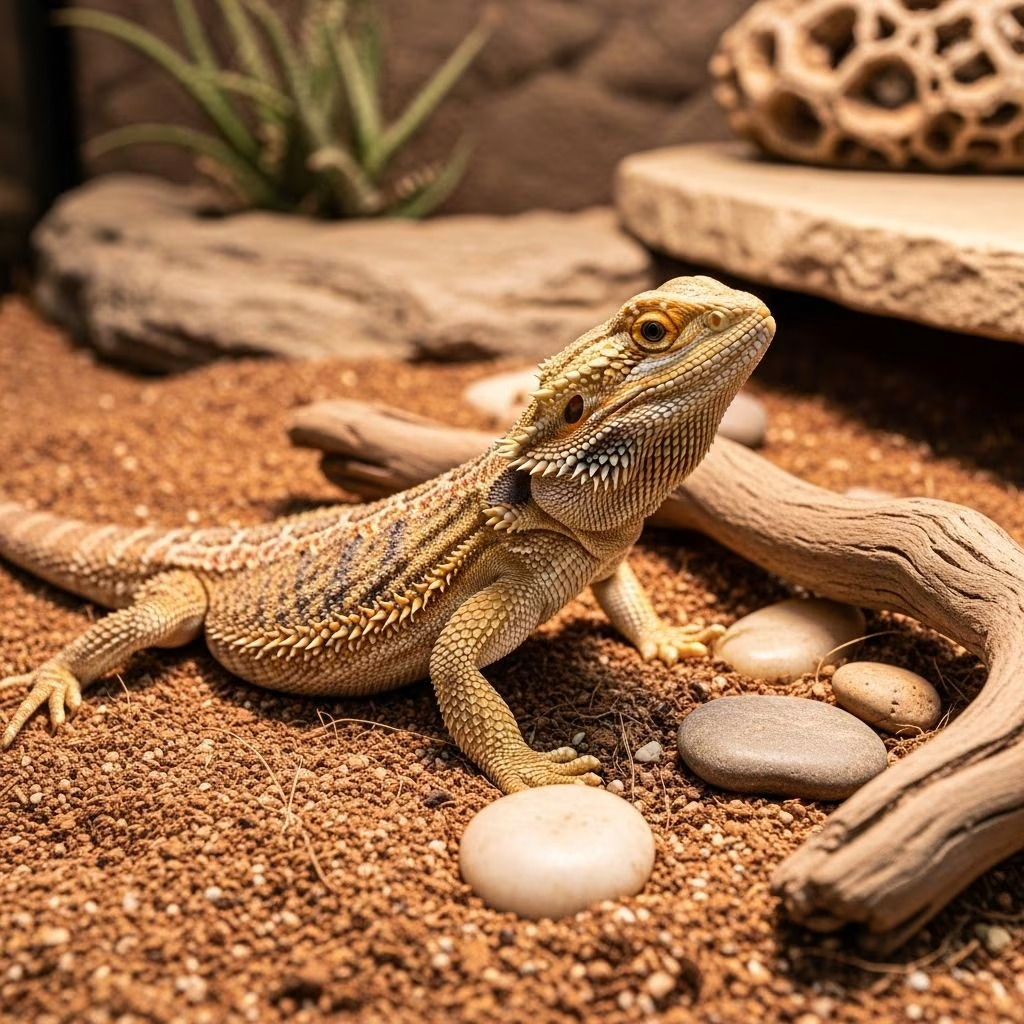
Best Substrate for Bearded Dragons: Complete Care Guide
Choosing the right substrate for your bearded dragon is one of the most important decisions you’ll make as a reptile keeper. The substrate forms the foundation of your dragon’s enclosure and directly impacts their health, behavior, and overall well-being. Unlike many other pet reptiles, bearded dragons have specific substrate needs that change throughout their lifecycle. Understanding these requirements and the various options available will help you create an optimal living environment for your scaly companion.
The natural habitat of bearded dragons in Australia consists primarily of fine sand mixed with soil and clay, creating a terrain that supports natural behaviors like digging and burrowing. By replicating these conditions in captivity, you provide enrichment opportunities and support your dragon’s physical and psychological health. However, the choice between different substrate types involves balancing enrichment, ease of maintenance, and safety considerations.
Understanding Bearded Dragon Natural Substrate
Bearded dragons originated from the arid regions of Australia, where the natural substrate composition plays a significant role in their evolutionary adaptation. Scientific analysis of their natural environment reveals that the ground where these dragons live consists of approximately 95.9% fine sand (quartz and iron oxide), 2.3% clay, 1.5% silt, and only 0.3% gravel. This composition creates a stable yet slightly yielding surface that allows for burrowing and digging behaviors while providing secure footing.
Understanding this natural composition is crucial because it informs the best practices for substrate selection in captivity. The emphasis on fine sand combined with clay creates a substrate that is neither entirely loose nor completely solid, offering the perfect balance between enrichment and practicality. When you select or create a substrate for your bearded dragon, aim to replicate these natural proportions as closely as possible.
Bearded Dragon Life Stage Considerations
One of the most important aspects of substrate selection is recognizing that your bearded dragon’s needs change as they grow. Young dragons and hatchlings require different substrate considerations than adult dragons, and this progression is essential for optimal health.
Substrate for Young and Baby Bearded Dragons
Baby bearded dragons and newly acquired juveniles benefit most from hard, flat surfaces during their first year of life. Substrates such as paper towels, newspaper, or solid tiles provide several advantages for young dragons. These surfaces minimize the risk of accidental substrate ingestion, which can lead to impaction—a serious digestive blockage. Young dragons may also be more prone to eating non-food items as they explore their environment, making solid substrates the safer choice during this developmental period.
Additionally, hard substrates make it easier to monitor your young dragon’s health, feeding habits, and waste production. You can quickly identify any changes in behavior or digestion without the complications of loose particles. Many experienced keepers recommend maintaining hatchlings and juveniles on solid substrates until they reach approximately 1 to 1.5 years of age, which marks their transition toward adulthood.
Substrate Transition to Adulthood
As your bearded dragon approaches adulthood around 1 to 1.5 years old, they can safely transition to more enriching substrate options. This is the ideal time to introduce a mixture of sand, topsoil, and excavator clay that allows for natural digging and burrowing behaviors. This transition mimics the natural progression these dragons would experience in the wild as they mature and begin establishing territories.
Solid Substrate Options for Bearded Dragons
Solid substrates represent the simplest and often the safest option for certain situations. These non-particulate materials offer distinct advantages in terms of cleanliness, health monitoring, and impaction prevention.
Types of Solid Substrates
Several solid substrate options work well for bearded dragons:
- Slate tile—Natural stone that provides an aesthetically pleasing appearance while offering easy cleaning and durability
- Zen Habitats Zen Mat—Specially designed reptile mat that provides cushioning while remaining easy to clean
- Newspaper—Economical option that is highly absorbent and simple to replace
- Paper towels—Single-ply or double-ply options that are easy to spot-clean and replace
Advantages of Solid Substrates
Solid substrates offer several compelling benefits. They are extremely easy to clean, requiring simple spot-cleaning and full replacements that take minimal effort. Because nothing can be ingested, the risk of impaction is virtually eliminated. These substrates are also cost-effective, particularly newspaper and paper towels, making them ideal for budget-conscious keepers or those maintaining multiple dragons.
Disadvantages and Limitations
The primary drawback of solid substrates is that they do not provide natural digging or burrowing opportunities. Extended use of hard surfaces may lead to toe deformities over time, as the repeated contact with unyielding surfaces can stress the delicate bones and joints in your dragon’s feet. Additionally, purely flat surfaces limit the environmental enrichment that contributes to psychological well-being. Several years on hard substrates may result in noticeable changes to your dragon’s toe structure and overall foot health.
Loose Substrate Options and Sand/Dirt Mixes
Loose substrates most closely replicate the natural environment of bearded dragons and provide essential enrichment opportunities. When properly selected and maintained, these substrates support natural behaviors while maintaining health and safety.
Creating Your Own Substrate Mix
Many experienced bearded dragon keepers prefer to create their own substrate mixtures rather than relying solely on commercially available options. A well-balanced homemade mix typically includes three primary components in equal proportions: sand, topsoil, and excavator clay. The recommended formula is 33% of each material, creating a substrate that mimics the natural composition of Australian dragon habitats.
For the sand component, use children’s play sand that has been well-sifted to remove large pieces or contaminants. Ensure the sand is fine-textured and dust-free. For topsoil, select organic, reptile-safe options that have not been treated with chemicals or pesticides. Zoo Med Excavator Clay is an excellent choice for the clay component, as it provides binding properties that help the substrate maintain its structure while remaining dig-able.
Commercially Available Sand and Soil Mixes
If you prefer not to mix your own substrate, numerous commercial products offer excellent alternatives: ProRep Beardie Life, HabiStat Bearded Dragon Bedding, Lucky Reptile Desert Bedding, and Arcadia EarthMix Arid are all formulated specifically for bearded dragons. These products incorporate various particle sizes and soil compositions designed to replicate natural terrain while minimizing potential health risks.
The advantage of commercial mixes is the convenience and assurance that materials have been vetted for reptile safety. These products are formulated by experts who understand the specific needs of bearded dragons and have eliminated potentially problematic components.
Individual Substrate Components
You can also use individual components as your primary substrate:
- Children’s play sand—Well-sifted to ensure no large pieces are present
- Excavator clay—Provides structure and natural burrowing capability
- Organic topsoil—Must be certified reptile-safe and free of chemicals
- Sphagnum moss—Can be used in place of soil by adjusting sand percentages higher
Advantages of Loose Substrates
Loose substrates provide natural digging opportunities that offer significant psychological enrichment for your dragon. These materials allow your dragon to engage in instinctive behaviors, reducing stress and promoting overall well-being. For bioactive setups, loose substrates require less frequent maintenance once the ecosystem is established, as beneficial insects process waste naturally.
Understanding Impaction Risk
While impaction is a concern when using loose substrates, research shows that the substrate alone does not cause impaction. Rather, multiple contributing factors working together create the risk. These factors include using incorrect substrate materials like calcium sands, inadequate hydration, insufficient basking temperatures, high parasite loads, and metabolic bone disease. By addressing these underlying causes and selecting appropriate substrate materials, you can safely use loose substrates throughout your dragon’s adult life.
Bioactive Substrates and Enclosures
Bioactive substrates represent an advanced approach to bearded dragon housing that creates a self-sustaining micro-ecosystem within the enclosure. These specialized setups offer exceptional enrichment and natural conditions.
What Makes a Substrate Bioactive
A bioactive substrate includes the same foundational mixture of sand, topsoil, and clay as standard loose substrates, but adds living components including beneficial insects and often live plants. These organisms work together to break down waste products, creating a more natural and self-cleaning environment. Common bioactive ingredients include isopods and millipedes, which consume feces and uneaten food, converting them into enriching nutrients.
Benefits of Bioactive Setups
Bioactive enclosures offer several distinct advantages. They provide the most natural environment possible, closely replicating the conditions bearded dragons experience in the wild. The living ecosystem creates a visually appealing display that enhances the aesthetic appeal of your dragon’s enclosure. Once established, bioactive setups require less frequent complete substrate changes, reducing ongoing maintenance demands. The decomposition of waste by beneficial organisms creates a nutrient-rich environment that supports plant growth and maintains excellent air quality.
Setup Considerations
Bioactive enclosures require more initial effort and investment than traditional setups. You must establish the ecosystem carefully, monitor temperature and humidity to support the beneficial organisms, and potentially manage live plants. However, many experienced keepers agree that the enrichment benefits and reduced long-term maintenance justify the initial effort. When setting up a bioactive enclosure, use commercially available bioactive substrate kits like Josh’s Frogs BioBedding Desert Bioactive Reptile Substrate or The BioDude Terra Sahara, which come pre-formulated with the necessary components.
Substrate Quantity and Depth Requirements
Proper substrate depth is essential for allowing your bearded dragon to engage in natural digging behaviors. The recommended depth for loose substrate is 4 to 6 inches, providing enough material for meaningful burrowing without excessive volume.
For a 4×2 foot enclosure using loose substrate, you will need approximately 80-120 quarts or 2.7-4 cubic feet of substrate to achieve the recommended depth. For a larger 6×2 foot enclosure, you will need approximately 120-180 quarts or 4-6 cubic feet of substrate. These calculations ensure adequate depth while accounting for substrate settling over time.
Substrates to Avoid
Certain substrate materials pose significant health risks to bearded dragons and should be avoided entirely:
- Calcium sand and silica sand—The uniformly fine particles can irritate eyes and ears
- Walnut sand—Sharp shells can cause cuts and bleeding; also tends to be dusty
- Wood chips and wood shavings—Including orchid bark; retain too much moisture and can cause respiratory issues
- Coconut fiber and coco soil—Can cause impaction if ingested; retain excessive moisture
- Potting soil and alfalfa pellets—Hold too much moisture for arid-dwelling dragons
- Bark and beech—Unnatural materials with sharp edges; can cause injury
- Corn cob litter—Tends to be dusty and can cause respiratory irritation
- Reptile carpet—Can trap bacteria and cause respiratory issues; fibers can be ingested
- Vinyl tiles—Slippery surface that is uncomfortable for walking and climbing
- Gravel—Poses impaction risk and contains sharp edges that irritate eyes
Feeding Considerations with Loose Substrates
When using loose substrates, feeding practices become especially important in preventing accidental substrate ingestion. Always feed your bearded dragon in a separate dish or, ideally, in a dedicated feeding tank separate from the main enclosure. This practice eliminates the risk of your dragon accidentally consuming substrate while striking at prey items. This simple but critical precaution significantly reduces the impaction risk associated with loose substrates.
Comparing Substrate Options
| Substrate Type | Enrichment | Ease of Cleaning | Impaction Risk | Best For |
|---|---|---|---|---|
| Paper Towels | Minimal | Very Easy | None | Babies, Quarantine |
| Slate Tile | Minimal | Easy | None | All ages |
| Sand/Topsoil Mix | Excellent | Moderate | Low with proper care | Adults |
| Bioactive Substrate | Excellent | Minimal (once established) | Low with proper care | Adults, long-term |
Frequently Asked Questions About Bearded Dragon Substrate
Q: Can I keep my adult bearded dragon on a hard substrate permanently?
A: While hard substrates are safe, extended use may cause toe deformities over several years. Adult dragons benefit greatly from the enrichment that loose substrates provide, so transitioning to a sand and soil mix around 1-1.5 years old is recommended.
Q: What is the safest loose substrate for bearded dragons?
A: A mixture of 33% sand, 33% organic topsoil, and 33% excavator clay replicates the natural habitat composition and minimizes health risks when proper care practices are followed, including separate feeding dishes and appropriate temperature maintenance.
Q: How often should I replace loose substrate?
A: For standard loose substrates, spot-clean daily and perform full replacements every 4-6 weeks. Bioactive substrates require less frequent changes due to the beneficial organisms breaking down waste.
Q: Does loose substrate cause impaction?
A: Substrate alone does not cause impaction. Multiple factors including incorrect material selection, dehydration, low basking temperatures, and parasites contribute to impaction risk. Using appropriate substrate and maintaining proper husbandry prevents impaction.
Q: Is reptile carpet safe for bearded dragons?
A: No, reptile carpet should be avoided. It can trap bacteria, potentially harbor parasites, cause respiratory issues, and fibers can be accidentally ingested, leading to impaction.
Q: Can I use play sand from the hardware store?
A: Yes, children’s play sand from the hardware store is an excellent, cost-effective option when it is well-sifted to remove large pieces. Many experienced keepers prefer hardware store materials due to their quality and affordability.
Q: What are the benefits of bioactive substrates?
A: Bioactive substrates create a self-sustaining ecosystem with beneficial insects that process waste, require minimal maintenance once established, provide maximum enrichment, and closely replicate natural conditions for psychological well-being.
References
- Bearded Dragon Substrate Options — ReptiFiles. https://reptifiles.com/bearded-dragon-care/bearded-dragon-substrate-housing/
- What is the Best Substrate for Bearded Dragons? — Swell Reptiles. https://www.reptiles.swelluk.com/help-guides/what-is-the-best-substrate-for-bearded-dragons/
- What Bearded Dragon Substrate Should I Choose? — Internet Reptile. https://internetreptile.com/blogs/reptile-learning-zone/what-bearded-dragon-substrate-should-i-choose
- Bearded Dragon Complete Substrate Guide — Zen Habitats. https://www.zenhabitats.com/blogs/reptile-care-sheets-resources/bearded-dragon-complete-substrate-guide
- What Is the Best Substrate for Bearded Dragons? — Chewy Education. https://www.chewy.com/education/reptile-and-amphibian/general/best-substrate-for-bearded-dragons



