

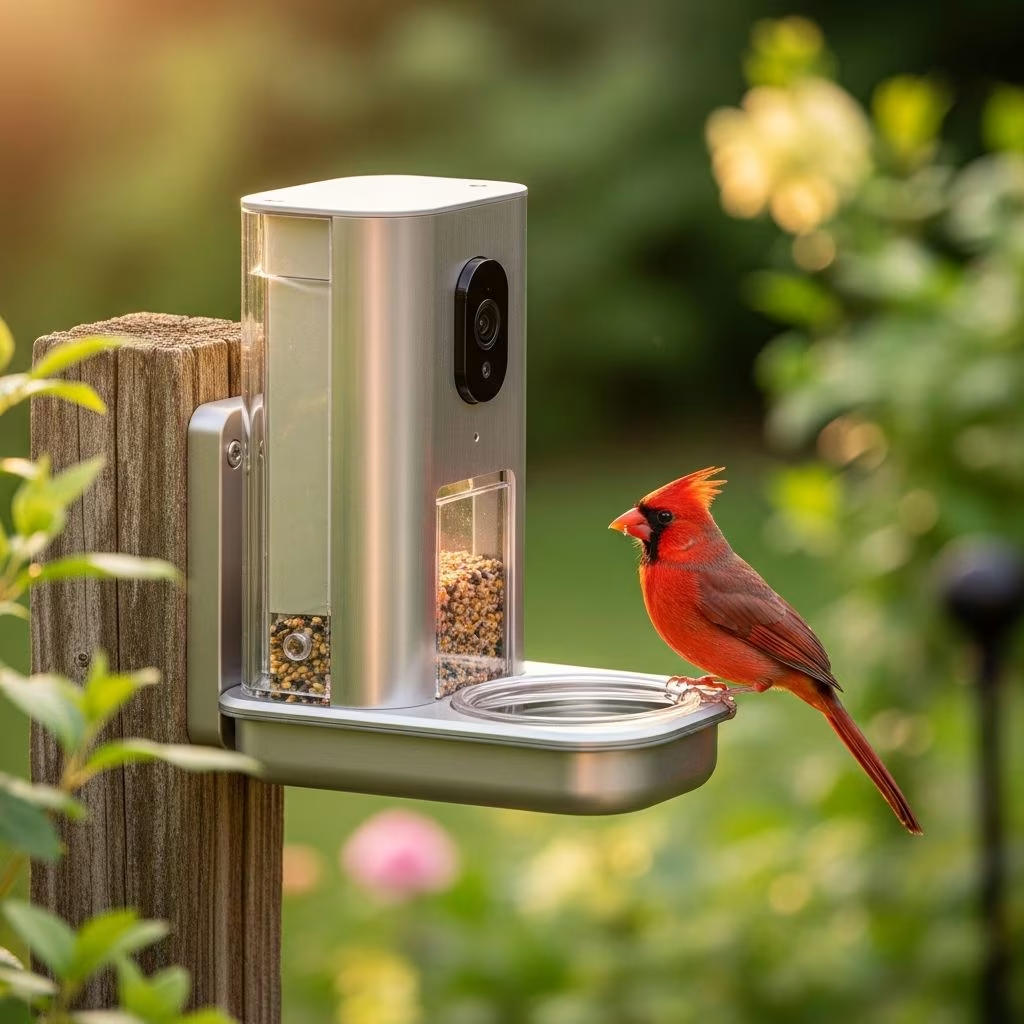
Best Smart Bird Feeders for Modern Birdwatching
Smart bird feeders represent the latest innovation in birdwatching technology, combining artificial intelligence, high-definition cameras, and wireless connectivity to transform how we observe and interact with wild birds. These sophisticated devices go beyond traditional feeders by offering real-time monitoring, bird species identification, and the ability to share your observations with a global community of bird enthusiasts. Whether you’re a seasoned ornithologist or just beginning to explore the world of backyard birdwatching, smart bird feeders provide an engaging and educational experience that connects you with nature in unprecedented ways.
What Is a Smart Bird Feeder?
A smart bird feeder is an intelligent feeding device designed for modern birdwatchers that integrates cutting-edge technology with traditional bird feeding practices. Unlike conventional feeders, smart bird feeders are equipped with built-in cameras, artificial intelligence software, and wireless connectivity features that allow users to monitor, identify, and document bird visitors in real-time. These devices serve multiple purposes: they attract birds to your backyard while simultaneously collecting valuable data about avian behavior, species diversity, and population patterns.
The primary appeal of smart bird feeders lies in their ability to make bird identification effortless and accessible to everyone. Through advanced AI algorithms and high-definition imaging, these feeders can automatically recognize over 10,000 different bird species, providing detailed information about each visitor to your backyard. This technology democratizes birdwatching, allowing individuals without extensive ornithological knowledge to participate meaningfully in bird observation and conservation efforts.
Key Features of Smart Bird Feeders
High-Definition Camera Technology
At the heart of every smart bird feeder is a sophisticated high-definition camera system capable of capturing stunning images and videos of visiting birds. Modern smart feeders employ AI-powered cameras that can record footage in various lighting conditions, including low-light environments during early morning and evening hours when birds are most active. The camera quality ensures that every feather, marking, and behavioral detail is clearly visible, allowing for accurate species identification and detailed observation of bird interactions.
The video and image resolution in premium smart bird feeders rivals professional wildlife photography equipment. Real-time streaming capabilities enable users to watch live feeds of birds visiting their feeders, creating an immersive and engaging birdwatching experience. This technology means you never miss a moment, even when you’re away from home or unable to look outside your window.
Artificial Intelligence and Bird Recognition
Advanced AI capabilities are what set smart bird feeders apart from conventional models. When a bird visits your feeder, the onboard artificial intelligence analyzes the captured images and automatically identifies the species, providing detailed information about the bird’s characteristics, behavior, and habitat preferences. This automatic identification system significantly enhances the educational value of birdwatching, especially for beginners who may struggle to identify species using traditional field guides.
Beyond simple identification, many smart feeders track visit frequency and duration, creating comprehensive records of bird activity over time. This data collection enables users to understand seasonal migration patterns, feeding preferences, and population trends in their local area.
Wireless Connectivity Features
Smart bird feeders incorporate Wi-Fi or Bluetooth connectivity to transmit data between the feeder and your personal devices. This wireless connection enables several critical functionalities including live streaming to your smartphone or tablet, instant notifications when birds arrive or the feeder requires refilling, and cloud storage for your bird photos and videos. A stable 2.4G WiFi connection ensures smooth video streaming without interruptions, allowing you to stay connected with your backyard birds regardless of location.
The connectivity features also facilitate community engagement. Many smart feeder platforms allow users to share their bird sightings with others, creating a virtual network of birdwatchers who exchange photos, observations, and bird-watching tips.
Smart Sensor Technology
Modern smart bird feeders incorporate sophisticated sensors that monitor various aspects of the feeder’s operation and environment. Food level sensors automatically detect when bird seed is running low and send alerts to your device, ensuring birds always have adequate nutrition. Weather sensors record temperature, humidity, and atmospheric conditions that can be correlated with bird activity patterns, providing valuable insights into how environmental factors influence bird behavior and feeding habits.
Customizable Feeding Options
Smart bird feeders offer numerous customizable features that allow you to tailor your birdwatching experience to specific preferences. Many models include add-on accessories such as honey jars for hummingbirds, fruit holders for species that prefer fresh produce, and specialized seed compartments for different bird types. This adaptability allows you to attract diverse bird species and create an inclusive feeding environment that welcomes various avian visitors.
Benefits of Using a Smart Bird Feeder
Enhanced Bird Identification and Learning
One of the most significant advantages of smart bird feeders is the ability to quickly and accurately identify bird species visiting your yard. The AI-powered recognition system removes the guesswork from bird identification, making the learning process enjoyable and rewarding. Users can rapidly expand their ornithological knowledge by learning about new species as they appear, complete with detailed information about the bird’s biology, behavior, and ecological role.
Remote Monitoring and Convenience
Smart bird feeders enable remote monitoring from the comfort of your home or while traveling away. You can access your bird feeder’s live feed and historical data from any location with internet connectivity, allowing you to observe your backyard birds anytime, anywhere. This convenience makes birdwatching more accessible for individuals with mobility limitations, busy schedules, or those living in urban environments with limited outdoor space.
Educational Value
Smart bird feeders serve as powerful educational tools for children, students, and adult learners interested in ornithology and ecology. The devices provide detailed information about bird species, their behaviors, migration patterns, and ecological relationships. This hands-on learning experience makes bird study engaging and interactive, potentially inspiring younger generations to pursue careers in environmental science or conservation.
Citizen Science Contribution
Many smart bird feeder platforms allow users to contribute their observational data to scientific research initiatives and conservation organizations. By sharing your bird sighting data with citizen science projects, you participate in large-scale research efforts that track bird population changes, migration patterns, and the impacts of climate change on avian ecosystems. This collective data becomes invaluable to ornithologists and conservation biologists working to protect bird species and their habitats.
Pest Deterrence and Monitoring
Smart bird feeder cameras help identify which animals are consuming your birdseed. If squirrels, raccoons, or other wildlife are raiding your feeder, the camera footage provides evidence of the culprits, allowing you to implement appropriate deterrent strategies. This monitoring capability ensures that bird seed reaches its intended avian recipients rather than being consumed by opportunistic mammals.
Minimal Maintenance Requirements
Automated alerts for low food levels and battery status minimize the maintenance burden associated with bird feeding. Rather than regularly checking your feeder manually, you receive notifications when action is needed, allowing you to spend more time enjoying the birds and less time on maintenance tasks.
Top Smart Bird Feeder Models
Bird Buddy Smart Bird Feeder with Solar Roof
Bird Buddy represents one of the most popular and highly-regarded smart bird feeder options available today. Known for its exceptional bird recognition capabilities and minimalist aesthetic design, the Bird Buddy feeder combines functionality with elegant styling. The device features a high-definition camera with AI-powered bird identification, a solar-powered roof for extended operation, and a user-friendly companion app that displays detailed information about visiting birds. When Bird Buddy’s camera detects motion in the feed tray, it begins recording video that is subsequently uploaded to the cloud via Wi-Fi, with notifications prompting users to review footage and download images.
The bird recognition feature utilizes advanced artificial intelligence algorithms that can identify an extensive range of bird species. Beyond simple identification, the app provides interesting facts about each bird, including behavioral characteristics and habitat information. The partnership between Bird Buddy and the National Audubon Society further emphasizes the device’s commitment to conservation and environmental education.
Lumary Smart Bird Feeder with Camera Pro
The Lumary Smart Bird Feeder offers a comprehensive bird-watching solution featuring a high-definition AI camera capable of identifying thousands of bird species. This model comes equipped with a user-friendly app that provides real-time video streaming and instant notifications when birds visit. The 2L food container offers substantial capacity, reducing the frequency of refilling while supporting a lively backyard bird population. Lumary’s feeder supports both indoor and outdoor use, with versatile installation options including wall, tree, and fence mounting, making it adaptable to various backyard configurations.
The Lumary feeder excels in energy efficiency, using minimal power during operation while maintaining extended functionality without frequent recharging. The stable 2.4G WiFi connection ensures reliable video streaming and timely notifications, while customizable feeding options with various add-ons allow users to attract different bird species.
Choosing the Right Smart Bird Feeder
Consider Your Specific Needs
When selecting a smart bird feeder, consider your primary objectives. Are you interested in species identification and learning, documenting bird behavior for conservation purposes, or simply enjoying the aesthetic experience of observing birds? Different models emphasize different features, so clarifying your priorities will guide your selection.
Evaluate Camera Quality and Resolution
The quality of the camera system directly impacts your bird-watching experience. Look for models offering high-resolution video, excellent low-light performance for dawn and dusk birdwatching, and clear still image capture. The ability to pause, enlarge, and study captured images enhances identification accuracy and observation quality.
Assess AI Identification Capabilities
Compare the number of bird species each feeder’s AI can recognize and evaluate the accuracy of species identification. Some models can identify over 10,000 species, while others may have more limited recognition databases.
Verify Connectivity and Reliability
Ensure the feeder offers stable Wi-Fi connectivity suitable for your home network. Look for models with reliable cloud storage, dependable notification systems, and user-friendly mobile applications.
Examine Power Options
Consider whether solar power, battery operation, or direct electrical connection best suits your installation location. Solar-powered models like Bird Buddy offer sustainability benefits, while battery-operated options provide flexibility for different mounting locations.
Installation and Setup Guide
Choosing the Optimal Location
Select a location that attracts birds while providing good viewing angles. Mount the feeder at least 5-6 feet high to protect visiting birds from ground predators. Ensure adequate WiFi signal strength at the installation site by testing connectivity before permanent mounting.
Setting Up Your Device
Follow manufacturer instructions for initial setup, which typically involves connecting the feeder to your home Wi-Fi network, downloading the companion app, and creating a user account. Most models guide users through setup via clear on-screen prompts.
Filling and Maintenance
Use high-quality bird seed appropriate for local species. The large capacity containers on most models mean less frequent refilling. Regularly clean the feeder according to manufacturer guidelines to prevent seed spoilage and disease transmission among bird populations.
Frequently Asked Questions (FAQs)
Q: How accurate are AI bird identification systems?
A: Modern AI bird identification systems are highly accurate, particularly for common species. Advanced models can distinguish between similar species based on subtle plumage differences and behavioral cues. Accuracy may vary for rare or regionally unusual birds, but continuous machine learning improvements are enhancing identification capabilities over time.
Q: Do smart bird feeders require a strong internet connection?
A: Smart bird feeders require a stable Wi-Fi connection for optimal functionality, including real-time streaming and instant notifications. A 2.4G WiFi connection is typically sufficient. Some models can buffer and store videos temporarily if connection drops, uploading data when connectivity is restored.
Q: Can smart bird feeders work indoors?
A: Yes, many models like Lumary’s feeder support both indoor and outdoor use, allowing apartment dwellers and those without traditional outdoor space to enjoy birdwatching. Indoor placement on windowsills or near windows provides viewing opportunities for those with mobility limitations or limited outdoor access.
Q: How often do I need to refill smart bird feeders?
A: Refill frequency depends on the feeder’s capacity and local bird populations. Models with 2L containers may require refilling weekly in moderate to high-traffic areas. The automatic food level sensors alert you when refilling is needed, eliminating guesswork about feeder status.
Q: What types of bird seed work best in smart feeders?
A: Use high-quality black oil sunflower seeds, nyjer seeds, or safflower seeds depending on target bird species. Many smart feeders accommodate various seed types through customizable compartments and add-on accessories designed for specific bird preferences.
Q: Can my bird feeder data contribute to scientific research?
A: Yes, many smart feeder platforms allow data sharing with citizen science initiatives and conservation organizations. Your observations contribute to large-scale research projects tracking bird populations, migration patterns, and environmental changes.
Q: Are smart bird feeders worth the investment?
A: Smart bird feeders provide exceptional value for serious birdwatchers and families interested in wildlife observation and education. While more expensive than traditional feeders, they offer unique capabilities including remote monitoring, automatic species identification, and scientific data contribution that enhance the birdwatching experience significantly.
References
- What Is A Smart Bird Feeder? A Guide To Modern Birdwatching — Birdfy. 2024. https://www.birdfy.com/blogs/blogs/what-is-a-smart-bird-feeder-a-guide-to-modern-birdwatching
- Smart Bird Feeder Features You Need to Know — Lumary Smart. 2024. https://www.lumarysmart.com/blogs/news-and-blogs/smart-bird-feeder-features-you-need-to-know
- Bird Buddy Smart Bird Feeder Review: Amateur Ornithology at Its Cutest — Android Police. 2024. https://www.androidpolice.com/bird-buddy-smart-bird-feeder-review/
- Smart Bird Feeders Are Connecting Us to Wildlife—and Each Other — National Audubon Society. 2024. https://www.audubon.org/magazine/smart-bird-feeders-are-connecting-us-wildlife-and-each-other-never
- 9 Great Reasons to Install a Bird Feeder Cam in Your Backyard — Feather Snap Cam. 2024. https://www.feathersnapcam.com/blog/post/9-great-reasons-to-install-a-bird-feeder-cam-in-your-backyard



