

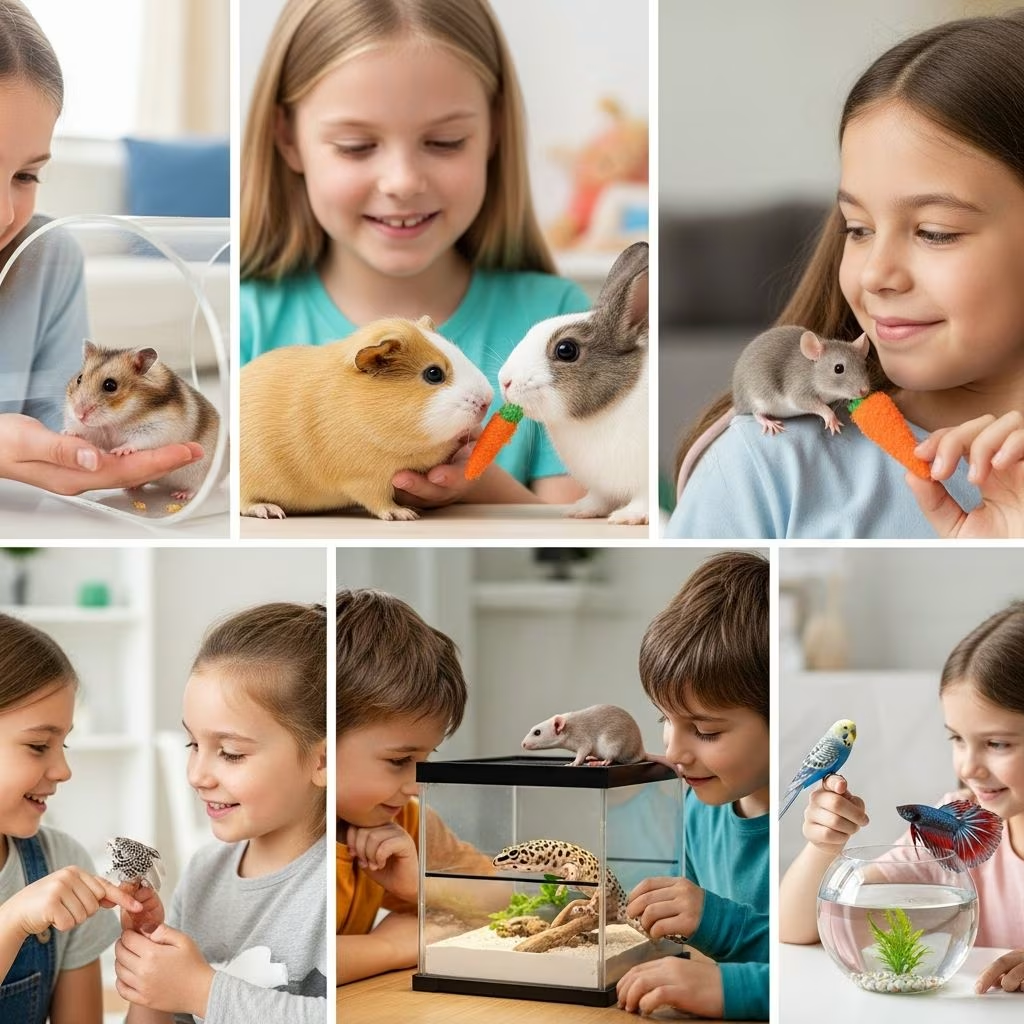
7 Best Small Animal Pets for Children
Choosing the right pet for your child is an important decision that requires careful consideration of various factors, including the animal’s temperament, care requirements, and suitability for your family’s lifestyle. Small animal pets can be wonderful companions for children, offering opportunities to learn responsibility, develop empathy, and enjoy the bond that comes with caring for another living being. This comprehensive guide explores seven of the best small animal pets that are particularly well-suited for children, helping you make an informed decision for your family.
Guinea Pigs: The Social and Gentle Companion
Guinea pigs stand out as one of the most popular and recommended small pets for children. These gentle, social creatures are known for their friendly and outgoing personalities, making them excellent companions for families. Guinea pigs, also known as cavies, are naturally affectionate animals that enjoy human interaction and form strong bonds with their owners.
One significant advantage of guinea pigs over other small pets is that they are diurnal, meaning they are active during the day, which aligns perfectly with children’s schedules. This makes them ideal for families who want a pet that can engage with them during waking hours. Additionally, their larger size compared to hamsters or mice makes them easier to handle and less likely to escape during playtime, providing greater peace of mind for parents.
Care Requirements
Guinea pigs require regular feeding, spacious enclosures, and daily interaction. They should ideally live in pairs or small groups to satisfy their social nature. Their diet consists primarily of hay, fresh vegetables, and specially formulated guinea pig pellets. Guinea pigs require no vaccines and are generally tolerant of being handled by young children, making them particularly suitable for this demographic.
Benefits for Children
These animals teach children about commitment and responsibility through daily feeding and cage maintenance. Their calm temperament and manageable care requirements make them ideal for first-time pet owners. Guinea pigs typically live 5-7 years, providing a meaningful long-term companionship during important developmental years.
Hamsters: The Classic First Pet
Hamsters have long been regarded as classic first pets for children, and their popularity is well-deserved. Their small size, independent nature, and simple care needs make them a manageable option for families new to pet ownership. Hamsters are incredibly entertaining to watch as they burrow, run on their wheels, and explore their habitats, providing endless amusement for children.
Advantages of Hamster Ownership
Hamsters offer several advantages for families with limited space or time:
- Small size requires minimal space and housing investment
- Low maintenance requirements make them ideal for busy families
- Simple diet and minimal grooming needs
- Independent nature means they don’t require constant attention
- Relatively inexpensive to house and care for
Important Considerations
It’s important to note that hamsters are nocturnal creatures, meaning they sleep during the day and are active at night. This can result in noise from their activities, which may disturb household sleeping patterns. Additionally, hamsters can be skittish and prone to biting if not handled gently, so they’re best suited for children old enough to understand and practice gentle handling techniques. The Syrian hamster is generally a better choice for children than dwarf varieties, as it is larger and easier to handle.
Rabbits: Gentle and Sociable Friends
Rabbits are among the most popular small pets for kids and for good reason. When handled properly, they are gentle, social, and easy to bond with. Their adorable appearance, coupled with their playful nature, makes them a delightful addition to any family. Many rabbit breeds, including dwarf varieties such as Holland Lops, Mini Rex, and Netherland Dwarfs, stay small and are well-suited to apartment living or smaller homes.
Temperament and Interaction
Rabbits are naturally social animals that enjoy companionship and can be trained to use a litter box, similar to cats. This makes them more convenient as indoor pets. They thrive when given attention and proper care, and they form lasting bonds with their owners. With patience and gentle handling, rabbits can become affectionate companions that seek out human interaction.
Care Considerations
Rabbits require spacious enclosures, a diet rich in hay and fresh vegetables, and regular exercise. They need supervision during playtime and should be handled with care, as their delicate spines are susceptible to injury if dropped or squeezed too tightly. These factors make rabbits better suited for families with older children who understand the importance of gentle handling.
Chinchillas: Unique and Playful Fluffballs
Chinchillas are less common than rabbits or hamsters, but they remain one of the best small pets for kids ready for a pet with specific needs. These soft, fluffy creatures are known for their incredibly thick fur and playful personalities. Chinchillas offer a unique pet-owning experience that sets them apart from more traditional small animals.
Special Characteristics
Chinchillas are highly active and entertaining, engaging in playful antics that captivate both children and adults. Their unique dustbathing behavior, where they roll in special chinchilla dust to clean their fur, is fascinating to observe. These animals are intelligent and can form bonds with their owners, often recognizing and greeting them when they approach.
Care Requirements and Challenges
However, chinchillas require more attention and specialized care than other small pets. They need specific temperature and humidity controls, as they are sensitive to heat and moisture. Their specialized diet includes hay, pellets, and specific supplements. Additionally, chinchillas require regular dental care and monitoring, as their teeth grow continuously throughout their lives. Due to these requirements, chinchillas are best suited for older children or families with experience in small pet care.
Rats: Intelligent and Social Companions
Rats may not be the first animal that comes to mind when considering small pets, but they are undoubtedly one of the best options for children ready for a more interactive companion. Unlike their wild counterparts, domesticated rats are clean, intelligent, and highly social animals that genuinely enjoy interacting with their owners.
Behavioral Benefits
Rats are remarkably intelligent creatures capable of learning tricks, responding to their names, and even playing games with their owners. They display personality, curiosity, and affection that often surprises people unfamiliar with pet rats. These animals form strong bonds with their caretakers and actively seek out interaction and play time.
Social and Care Needs
Rats are social animals and do best when kept in pairs or small groups to prevent loneliness and behavioral issues. They require spacious cages with enrichment activities, regular interaction with their owners, and a varied diet. Rats are surprisingly clean animals that groom themselves regularly, and their minimal odor when kept in clean cages makes them a pleasant pet choice.
Parakeets: Colorful and Interactive Birds
Parakeets, also called budgies, can be excellent options for children, particularly those between 4-7 years old who are developing an understanding of gentleness and pet care. These colorful birds are fairly low-maintenance, not particularly messy, and don’t require significant space compared to larger bird species.
Learning Opportunities
One of the most fascinating aspects of parakeet ownership is their remarkable ability to learn. With training, a parakeet can learn dozens or more words, enabling your child to actively engage with their bird in a fun and unique way. Parakeets are known to be very affectionate and respond well to regular, gentle handling, creating meaningful bonds with their owners.
Suitability for Children
Parakeets are an ideal pet for kids who can respect the bird’s small size and handle them with gentleness and care. They will not do well with children who handle them roughly or act unpredictably in ways that startle them frequently. With proper supervision and training, parakeets can provide years of companionship and learning opportunities.
Crested Geckos: Unique Reptilian Companions
For families comfortable with reptiles, the crested gecko represents a fun and unique pet option. These remarkable lizards are known for their soft skin—often described as the softest animal you will ever touch—and their adhesive feet that allow them to stick to glass surfaces.
Distinctive Features
Crested geckos are visually striking animals with a crest running along their heads and backs. They are relatively docile and enjoy simply perching in your hand, making them appealing for children who appreciate observation and gentle interaction. However, it’s important to understand that these are nocturnal animals, meaning they are most active during evening and early morning hours.
Care Requirements
While crested geckos can be seen during daytime, the best time to observe them is during the evening and early morning when they are naturally active. They require specialized humidity and temperature controls, a specific diet, and appropriate enclosure setup. These requirements make them better suited for older children or families with reptile experience.
Comparison Chart: Small Pets for Children
| Pet Type | Size | Activity Level | Lifespan | Care Difficulty | Best Age |
|---|---|---|---|---|---|
| Guinea Pig | Large (8-10 inches) | Moderate | 5-7 years | Easy to Moderate | 5+ |
| Hamster | Small (2-4 inches) | High (Nocturnal) | 2-3 years | Easy | 8+ |
| Rabbit | Large (8-12 inches) | Moderate to High | 8-12 years | Moderate | 8+ |
| Chinchilla | Medium (10-12 inches) | Very High | 15-20 years | Difficult | 10+ |
| Rat | Small (7-9 inches) | High | 2-3 years | Moderate | 8+ |
| Parakeet | Small (7-9 inches) | Moderate to High | 10-15 years | Moderate | 6+ |
| Crested Gecko | Small (6-10 inches) | Moderate (Nocturnal) | 10-20 years | Difficult | 10+ |
Choosing the Right Pet for Your Child
Selecting the best small pet for your child requires careful consideration of several important factors. Start by assessing your child’s age, maturity level, and interest in pets. Younger children generally do better with more robust, less fragile animals like guinea pigs, while older children can handle the more specialized care requirements of chinchillas or crested geckos.
Factors to Consider
- Child’s Age and Maturity: Younger children need hardy, forgiving pets; older children can manage more complex care routines
- Living Space: Apartment dwellers might prefer hamsters or parakeets; families with more space can accommodate rabbits or guinea pigs
- Time Commitment: Some pets require daily interaction and exercise; others are more independent
- Budget: Consider initial setup costs, ongoing care expenses, and veterinary needs
- Activity Level: Families wanting interactive pets should choose rats or parakeets; those preferring observation-based pets might prefer finches or geckos
- Allergies: Some family members might have pet allergies that influence your choice
Essential Care Tips for Small Pet Owners
Regardless of which small pet you choose, certain care principles apply universally. All pocket pets must be kept away from drafts and in well-ventilated spaces. They require regular cleaning of their enclosures and bedding to prevent respiratory infections, which can develop quickly if ammonia levels become too high from soiled bedding.
Establishing a consistent daily routine for feeding, water provision, and enclosure cleaning teaches children responsibility and ensures your pet’s health and wellbeing. Regular veterinary check-ups, even for small animals, help catch health issues early and ensure your pet receives appropriate care throughout its life.
Frequently Asked Questions
Q: What is the best small pet for a first-time pet owner?
A: Guinea pigs are often considered the best choice for first-time pet owners due to their gentle temperament, manageable size, and relatively straightforward care requirements. Hamsters are also excellent choices for those wanting a lower-maintenance option.
Q: How much space do small pets require?
A: Space requirements vary significantly by species. Hamsters need minimal space and can thrive in a 40-gallon breeder tank, while guinea pigs and rabbits benefit from larger enclosures. Chinchillas and crested geckos also require specialized, adequately-sized habitats for proper movement and enrichment.
Q: Are small pets suitable for very young children?
A: Small pets are best suited for children aged 5 and up, though supervision is essential. Guinea pigs and parakeets are more appropriate for younger children due to their durability and tolerance of handling, while more delicate species like crested geckos are better for older children.
Q: How long do small pets typically live?
A: Lifespans vary considerably. Hamsters live 2-3 years, guinea pigs 5-7 years, rabbits 8-12 years, and chinchillas can live 15-20 years. This is an important consideration when choosing a pet, as it represents a long-term commitment.
Q: What should I feed my small pet?
A: Dietary requirements vary by species. Guinea pigs and rabbits thrive on hay and fresh vegetables; hamsters prefer pellets, seeds, and vegetables; chinchillas need specific pellets and hay; and crested geckos require a specialized diet of fruits and insects. Always research your specific pet’s nutritional needs.
Q: Do small pets need veterinary care?
A: Yes, small pets benefit from regular veterinary check-ups with veterinarians experienced in exotic or small animal medicine. Regular care helps prevent health issues and ensures your pet receives appropriate treatment when needed.
References
- 5 Best Small Pets for Kids — Rabbit Hole Hay. 2025. https://www.rabbitholehay.com/blogs/rabbit-hole-hay-blog/best-small-pocket-pets-for-kids
- Best Pets for Kids: A Guide to Choosing the Perfect Family Pet — The Lifestyle Pocket Guide. 2025-02. https://www.thelifestylepocketguide.com/2025/02/lifestyle-articles/pets/pet-health-nutrition-training/best-pets-kids-guide/
- These Are the Best Pets for Kids at Each Age — PetMD. https://www.petmd.com/dog/pet-lover/these-are-best-pets-kids-each-age
- Top 7 Best Pets for Kids with Anxiety or ADHD — Founders Green. https://www.foundersgreen.com/best-pets-for-kids-with-anxiety-or-adhd/
- Low-maintenance pets for kids and those with space, budget and time restrictions — Times Online. 2023-03-27. https://www.timesonline.com/story/lifestyle/pets/2023/03/27/cynthia-maro-low-maintenance-pets-kids-space-budget-and-time-restrictions-beaver-lawrence-county/70039501007/
- 10 Easiest Pets to Take Care Of — HowStuffWorks Animals. https://animals.howstuffworks.com/pets/easiest-pets-to-take-care-of.htm



