

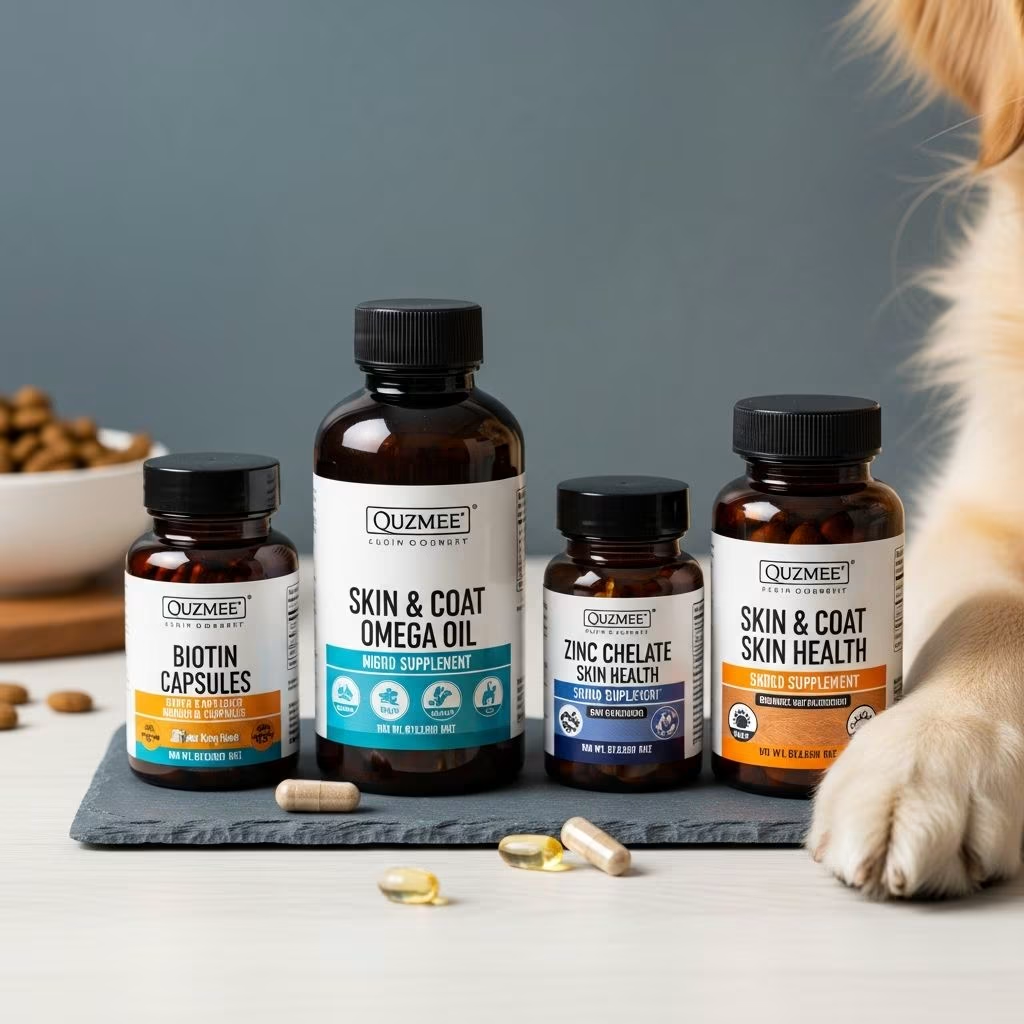
Best Skin and Coat Supplements for Dogs
A healthy, shiny coat and supple skin are often signs of a dog’s overall wellness and vitality. Just like humans, dogs require proper nutrition to maintain optimal skin and coat condition. While a balanced diet is the foundation of good health, many pet owners turn to targeted supplements to ensure their dogs receive all the essential nutrients needed for a lustrous coat and healthy skin. These specialized formulations work from the inside out, delivering concentrated doses of key ingredients that support skin integrity, reduce inflammation, and promote a naturally glossy appearance.
Whether your dog struggles with dull, flaky skin or you simply want to optimize their coat quality, understanding the right supplements and ingredients can make a significant difference. This comprehensive guide explores the most effective skin and coat supplements available for dogs and explains why each ingredient matters.
Understanding Dog Skin and Coat Health
Before selecting a supplement, it’s important to understand what makes a dog’s skin and coat healthy. A dog’s coat serves multiple purposes: it provides insulation, protects against environmental hazards, and reflects their internal nutritional status. Similarly, healthy skin acts as a barrier against irritants and supports the overall immune system.
Common skin and coat issues in dogs include dullness, excessive shedding, flakiness, itchiness, and hair loss. These problems can stem from nutritional deficiencies, allergies, environmental factors, or underlying health conditions. Skin and coat supplements are specifically formulated to address these issues by providing concentrated doses of nutrients that may be lacking in a dog’s regular diet.
Biotin: The Essential B Vitamin for Coat Health
Biotin, also known as vitamin H, is an essential B-complex vitamin that plays a crucial role in maintaining healthy skin and coat in dogs. This water-soluble vitamin helps the body metabolize carbohydrates, fats, and amino acids—all critical components for maintaining strong, healthy hair and skin.
The benefits of biotin for dogs are well-documented in veterinary research. Clinical studies have demonstrated that biotin supplements can effectively address common coat problems including dull coats, hair loss, and dermatitis. Biotin works by supporting keratin production, which is the primary structural component of hair. When dogs receive adequate biotin, their hair grows stronger and shinier, and skin conditions often improve noticeably.
Dogs cannot synthesize biotin on their own, making dietary supplementation essential, particularly for those with compromised coat quality. Biotin supplements are available in various forms, from chewable tablets to powders that can be mixed into food. Results are typically visible within 4-8 weeks of consistent supplementation.
Fish Oil and Omega-3 Fatty Acids
Fish oil stands as one of the most powerful and well-researched ingredients for supporting dog skin and coat health. Rich in omega-3 fatty acids, particularly EPA (eicosapentaenoic acid) and DHA (docosahexaenoic acid), fish oil provides anti-inflammatory benefits that directly improve skin condition and coat quality.
Omega-3 fatty acids work by reducing inflammation throughout the body, which is particularly beneficial for dogs suffering from allergies, dermatitis, or other inflammatory skin conditions. By decreasing inflammation, fish oil supplements help alleviate itchiness, redness, and irritation. Additionally, these fatty acids strengthen the skin barrier, reducing water loss and preventing dryness.
High-quality fish oil supplements should specify the concentrations of EPA and DHA, as these are the most bioactive compounds. When selecting a fish oil supplement, look for products derived from sustainably sourced wild-caught fish and those that undergo third-party testing for purity and quality. Many supplements use an encapsulation process to prevent oxidation and ensure maximum absorption.
The benefits of fish oil extend beyond skin and coat health—these fatty acids also support cognitive function, joint mobility, and overall immune health in dogs.
Flaxseed: Plant-Based Omega-3 Support
For pet owners seeking plant-based alternatives to fish oil, flaxseed offers an excellent option. Ground flaxseed is rich in alpha-linolenic acid (ALA), a plant-based omega-3 fatty acid that provides nourishing fats beneficial for skin and coat health. While ALA is not as potent as the EPA and DHA found in fish oil, it still contributes meaningfully to coat quality and skin condition.
Beyond skin support, flaxseed provides additional digestive benefits. The fiber content in flaxseed helps maintain a healthy digestive system, which indirectly supports overall skin health since a well-functioning digestive system improves nutrient absorption. Many commercial dog foods and treats now include flaxseed as a core ingredient specifically for these combined benefits.
Flaxseed can be included in a dog’s diet through specialized treats, supplements, or ground flaxseed powder mixed into meals. For optimal results, many veterinarians recommend combining flaxseed with fish oil for comprehensive omega-3 coverage, as this approach addresses both plant and marine-sourced fatty acids.
Omega-6 Fatty Acids and Safflower Oil
While often overshadowed by omega-3 fatty acids, omega-6 fatty acids play an equally important role in maintaining healthy dog skin and coats. These essential fatty acids support skin barrier function and help maintain skin elasticity and hydration.
Safflower oil is particularly rich in omega-6 fatty acids and has become a popular ingredient in premium dog skin and coat supplements. The combination of omega-3 and omega-6 fatty acids in balanced proportions creates an optimal environment for skin health. The ideal ratio of omega-3 to omega-6 fatty acids for dogs is approximately 1:5 to 1:10, which promotes healthy skin without excessive inflammation.
Many comprehensive skin and coat supplements now include both fish oil for omega-3s and safflower oil or other plant-based sources for omega-6s, ensuring dogs receive a complete profile of essential fatty acids.
Vitamin A: Supporting Skin Cell Production
Vitamin A is a fat-soluble vitamin that plays a critical role in skin cell production and maintenance. This vitamin regulates cell turnover and supports the health of the outermost skin layer, ensuring proper barrier function and moisture retention.
Dogs experiencing scaly, red, or irritated skin may benefit from vitamin A supplementation, as these symptoms often indicate a dietary deficiency in this essential nutrient. Vitamin A deficiency can lead to dry, flaky skin and a dull coat. However, it’s important to note that while vitamin A is essential, excessive amounts can be toxic, so supplementation should always be done at appropriate levels and ideally under veterinary guidance.
Vitamin A supports skin health through multiple mechanisms: it promotes proper sebaceous gland function, regulates immune responses in the skin, and supports the production of protective mucous barriers. Many premium skin and coat supplements include vitamin A in optimal, safe concentrations.
Zinc: The Micromineral for Skin Integrity
Zinc is a trace mineral essential for numerous bodily functions, including immune support, wound healing, and skin health. In the skin, zinc plays a vital role in maintaining skin barrier integrity, supporting protein synthesis, and reducing inflammation.
Dogs with zinc deficiency often present with poor coat quality, hair loss, and slow wound healing. Certain dog breeds and those on limited ingredient diets may be at higher risk for zinc deficiency. Zinc supplementation can help remedy scaly, irritated skin conditions and promote a more lustrous, healthy-looking coat.
When selecting zinc supplements, bioavailability is crucial. Zinc methionine and other chelated forms of zinc are absorbed more efficiently than simple zinc oxide, making them more effective for supporting skin and coat health. Look for supplements that specify the form of zinc included and dosing information.
Essential Nutrients and Key Ingredients Summary
The most effective dog skin and coat supplements combine multiple complementary ingredients that work synergistically. A well-formulated supplement should include:
| Ingredient | Primary Benefit | Key Function |
|---|---|---|
| Omega-3 Fatty Acids (EPA/DHA) | Anti-inflammatory | Reduces itching and promotes shiny coat |
| Biotin (Vitamin H) | Keratin synthesis | Strengthens hair and prevents brittleness |
| Vitamin E | Antioxidant protection | Protects skin cells from damage |
| Vitamin A | Cell production | Maintains healthy skin turnover |
| Zinc | Skin barrier support | Maintains structural integrity |
| Omega-6 Fatty Acids | Skin elasticity | Improves hydration and flexibility |
Choosing Quality Supplements for Your Dog
Not all skin and coat supplements are created equal. When selecting a supplement for your dog, consider the following factors to ensure you’re choosing a high-quality product:
Quality and Sourcing
Look for supplements made with human-grade ingredients and sourced from reputable suppliers. The quality of raw materials directly impacts the efficacy of the final product. Fish oil should come from sustainably sourced, wild-caught fish, and plant-based ingredients should be non-GMO when possible.
Third-Party Testing
Reputable supplement manufacturers conduct third-party testing to verify that their products contain the ingredients and concentrations listed on the label. This testing also ensures the product is free from contaminants and meets safety standards.
Manufacturing Standards
Products manufactured according to strict quality standards and GMP (Good Manufacturing Practices) certifications are more likely to deliver consistent results. Check for manufacturing facility certifications when available.
Bioavailability Considerations
The form in which supplements are delivered affects how well a dog’s body can absorb and utilize them. Liquid formulations often provide superior absorption rates compared to tablets or powders, particularly for dogs with digestive sensitivities. Some supplements use special encapsulation or chelation processes to maximize bioavailability.
Ingredient Specifications
Quality supplements provide specific information about key ingredients. For example, fish oil products should list EPA and DHA concentrations, and zinc supplements should specify the form (such as zinc methionine) used.
How Skin and Coat Supplements Work
Skin and coat supplements work through a multifaceted approach, supporting skin health from the inside out. These supplements work by:
– Reducing inflammation: Omega-3 fatty acids and anti-inflammatory compounds help calm irritated skin and reduce itching caused by allergies or dermatitis.- Supporting nutrient absorption: Key vitamins and minerals ensure the body has the raw materials needed for healthy skin cell production and hair growth.- Strengthening skin barrier: Essential fatty acids and minerals like zinc maintain the structural integrity of the skin barrier, preventing moisture loss and irritant penetration.- Promoting immune function: Nutrients like zinc and vitamin A support local immune responses in the skin, helping prevent infections and inflammation.- Providing antioxidant protection: Vitamins C and E protect skin cells from oxidative damage caused by environmental stressors and free radicals.
Results from supplementation typically become visible within 4-12 weeks, depending on the dog’s starting condition and the severity of any existing skin issues. Consistency is key—dogs receiving daily supplementation show the most significant improvements in coat quality and skin health.
When to Consult Your Veterinarian
While skin and coat supplements are generally safe and beneficial for most dogs, consulting with a veterinarian before starting any new supplementation regimen is advisable. This is particularly important if your dog has existing skin conditions, takes medications, or has known allergies. A veterinarian can recommend the most appropriate supplements for your individual dog’s needs and help rule out underlying health issues that may be causing coat or skin problems.
Certain conditions, such as food allergies, parasitic infections, or hormonal imbalances, may require veterinary treatment in addition to or instead of supplementation. A professional assessment ensures your dog receives comprehensive care tailored to their specific situation.
Frequently Asked Questions
Q: How long does it take to see results from skin and coat supplements?
A: Most dogs show visible improvements in coat quality and skin condition within 4-8 weeks of consistent daily supplementation. However, some dogs may take up to 12 weeks to show significant changes, depending on the severity of their initial condition and the quality of the supplement.
Q: Are skin and coat supplements safe for all dogs?
A: Skin and coat supplements are generally safe for most dogs; however, dogs with fish allergies should avoid fish oil-based supplements. Additionally, dogs taking blood-thinning medications should consult a veterinarian before starting omega-3 supplementation. Always introduce new supplements gradually and monitor for any adverse reactions.
Q: Can I give my dog multiple skin and coat supplements together?
A: Yes, you can combine supplements as long as they’re designed to work together and don’t create overlapping nutrient amounts that could lead to toxicity. Many comprehensive supplements are formulated with multiple beneficial ingredients. However, it’s best to discuss specific combinations with your veterinarian.
Q: What’s the difference between fish oil and flaxseed supplements?
A: Fish oil contains EPA and DHA, which are highly bioavailable omega-3 fatty acids with strong anti-inflammatory properties. Flaxseed contains ALA, a plant-based omega-3 that’s less potent but still beneficial. Many dogs benefit from a combination of both for comprehensive omega-3 coverage.
Q: Do I need to give my dog supplements if they eat high-quality dog food?
A: While high-quality dog food provides a solid nutritional foundation, targeted skin and coat supplements deliver concentrated doses of specific ingredients that may not be present in adequate amounts in regular food. Many veterinarians recommend supplements for dogs with compromised coat quality or sensitive skin.
Q: Are there any side effects from skin and coat supplements?
A: Most dogs tolerate skin and coat supplements well. Potential minor side effects may include mild digestive upset when first introducing supplements. Starting with a lower dose and gradually increasing to the recommended amount can minimize this risk. Always consult your veterinarian if your dog experiences persistent side effects.
Q: Can supplements help with allergies and itching?
A: Yes, omega-3 fatty acids and other anti-inflammatory ingredients in skin and coat supplements can help reduce itching and inflammation associated with allergies. However, supplements work best as part of a comprehensive approach that may include dietary changes, environmental modifications, and veterinary treatment if necessary.
References
- Best Skin and Coat Supplements for Dogs — Chewy Education. 2024. https://www.chewy.com/education/dog/health-and-wellness/5-supplements-and-ingredients-for-a-healthy-coat
- Best Dog Skin Supplements for Healthy Coat — K9 Performance. 2024. https://k9performance.com/blogs/news/dog-skin-coat-supplements-that-work
- Foundation of Fur: The Optimal Ingredients for Dog Skin & Coat Health — Nutri-Vet. 2024. https://nutri-vet.com/blogs/news/skin-coat-ingredients-guide-dogs
- The Ultimate Guide to the Best Skin and Coat Supplement for Dogs — Scent Hound. 2024. https://www.scenthound.com/dogblog/the-ultimate-guide-to-the-best-skin-and-coat-supplement-for-dogs
- Healthy Skin & Coat for Dogs — VetriScience. 2024. https://www.vetriscience.com/healthy-skin-coat-for-dogs.html
- How Can I Help Improve My Dog’s Coat & Skin — Cawlm Vet. 2024. https://cawlmvet.com/how-can-i-help-improve-my-dogs-coat-skin/



