

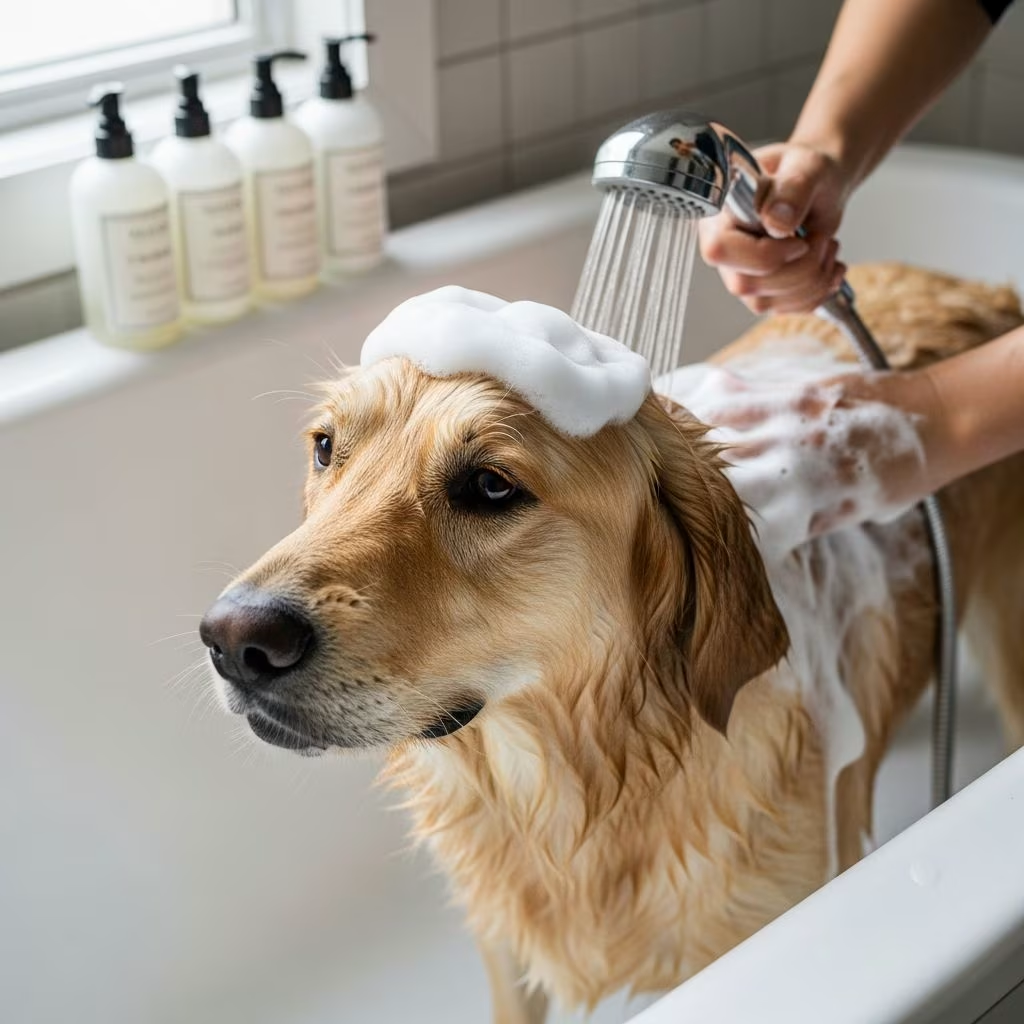
Seborrhea in dogs manifests as a persistent skin disorder characterized by excessive scaling, oily or dry coat, and often unpleasant odors, requiring targeted shampoos to alleviate symptoms and promote skin health.
Understanding Canine Seborrhea: A Common Skin Challenge
Seborrhea, also known as seborrheic dermatitis, disrupts the normal production of keratin in a dog’s skin, leading to abnormal flaking and oil buildup. This condition affects the epidermis, hair follicles, and sometimes nails, making it a visible and distressing issue for pets and owners alike. Primary seborrhea stems from genetic factors and appears early in life, typically before 24 months, while secondary forms arise from treatable underlying issues.
Dogs with this condition often exhibit a dull coat despite greasiness, heavy shedding, and skin that feels waxy or crusty beneath the fur. Early intervention with appropriate shampoos can prevent escalation to infections, improving quality of life significantly.
Recognizing the Signs: Symptoms to Watch For
- Excessive flaking and dandruff: White or yellowish scales cover the skin, resembling severe dandruff.
- Oily or dry skin extremes: Some dogs produce too much sebum, leading to greasy fur and odor; others have overly dry, brittle skin.
- Itching and discomfort: Mild to intense pruritus, especially in secondary cases linked to allergies or infections.
- Secondary issues: Crusting, pus-filled lesions, ear wax buildup, and hair loss from bacterial or yeast overgrowth.
- Odor and coat changes: A musty smell accompanies the greasy feel, with fur appearing lifeless.
These symptoms can mimic other dermatological problems, so veterinary diagnosis through skin scrapings, cytology, or biopsies is crucial before starting shampoo therapy.
Root Causes Behind Seborrhea in Dogs
Primary seborrhea is idiopathic and hereditary, common in breeds like West Highland White Terriers, English Springer Spaniels, and Cocker Spaniels. It demands lifelong management since no cure exists. Secondary seborrhea, more prevalent, links to diverse triggers:
| Cause Category | Examples | Treatment Approach |
|---|---|---|
| Hormonal Imbalances | Hypothyroidism, Cushing’s disease, diabetes | Medications like levothyroxine or Vetoryl |
| Allergies | Food, environmental, contact dermatitis | Diet changes, hypoallergenic foods, avoidance |
| Infections | Malassezia yeast, bacterial pyoderma | Antifungals, antibiotics (e.g., cephalexin, itraconazole) |
| Parasites | Fleas, mites, ticks | Topical preventatives, medicated baths |
| Nutritional/Environmental | Omega-3 deficiency, low humidity, obesity | Supplements, diet improvement, grooming aids |
Addressing these root causes enhances shampoo efficacy, preventing recurrence.
Why Medicated Shampoos Are Essential for Management
Shampoos form the cornerstone of seborrhea treatment, acting as keratolytics to dissolve scales, antiseborrheics to regulate oil, and antimicrobials to combat overgrowth. Unlike regular baths, these formulations penetrate the skin barrier, normalizing cell turnover and reducing inflammation.
Frequent use—every 2-3 days initially for 2-3 weeks—removes excess keratin buildup, a hallmark of the disease. Maintenance bathing reduces to 1-2 times weekly, tailored to response. Combining with omega-3 supplements further supports barrier function.
Top Ingredients in Effective Seborrhea Shampoos
- Salicylic Acid: Keratolytic that breaks down scales and enhances penetration of other actives.
- Coal Tar: Reduces scaling, itching, and sebum production; use cautiously due to odor and staining.
- Sulfur and Selenium Sulfide: Degrease skin, control yeast, and soothe irritation.
- Benzoyl Peroxide: Antibacterial for pyoderma-prone skin, also degreasing.
- Chlorhexidine, Miconazole, Ketoconazole: Target bacterial and fungal elements in secondary infections.
- Phytosphingosine: Restores lipid barrier, anti-inflammatory.
Veterinarians recommend rotation of shampoos to prevent resistance and irritation, always rinsing thoroughly to avoid dryness.
Step-by-Step Guide to Bathing Your Dog
- Prepare supplies: Lukewarm water, medicated shampoo, conditioner if prescribed, towels, and ear cleaner.
- Wet thoroughly: Soak coat from neck to tail, avoiding eyes and ears.
- Lather generously: Massage shampoo into skin for 10 minutes for efficacy.
- Rinse completely: Prevent residue buildup that worsens symptoms.
- Repeat if needed: For heavy scaling, double-shampoo.
- Dry gently: Towel or low-heat blow-dry; moisturize hotspots.
- Follow-up: Brush daily, clean ears 2-3 times weekly.
Consistency yields visible improvements in weeks, with reduced flaking and brighter coats.
Supportive Home Care Strategies
Beyond shampoos, integrate these for holistic relief:
- Omega-3 fatty acid supplements (fish oil) to combat dryness and inflammation.
- Balanced diet rich in zinc, vitamin A; consider hydrolyzed protein for allergies.
- Regular grooming to distribute oils and remove debris.
- Humidifiers in dry climates; weight management for obese dogs.
- Topical sprays or mousses for hard-to-bath areas.
Monitor for hotspots, treating promptly with vet-approved ointments.
When to Seek Professional Veterinary Help
Consult a vet if symptoms persist post-shampooing, worsen, or include lethargy, appetite loss—signaling systemic issues like cancer or autoimmune disease. Diagnostics may include bloodwork for hormones, allergy testing, or biopsies. Prescription options like oral cyclosporine or retinoids aid severe cases.
Preventing Seborrhea Flare-Ups Long-Term
Proactive routines minimize episodes: monthly vet check-ups, flea preventatives, hypoallergenic bedding, and prompt allergy management. Breeds prone to primary forms benefit from early screening. With diligence, dogs lead comfortable lives despite the condition.
Frequently Asked Questions (FAQs)
What is the best frequency for seborrhea shampoo baths?
Start with every 2-3 days for 2-3 weeks, then taper to 1-2 times weekly based on improvement.
Can seborrhea in dogs be cured completely?
Primary seborrhea requires lifelong management; secondary types resolve with underlying cause treatment.
Are there breed-specific risks for seborrhea?
Yes, Shar-Peis, Spaniels, and Terriers are genetically predisposed.
Is over-the-counter shampoo sufficient?
For mild cases, yes; severe or infected skin needs vet-prescribed formulas.
How do I know if it’s primary or secondary seborrhea?
Vet diagnostics differentiate; primary lacks itch, appears young; secondary often itches with identifiable triggers.
References
- Seborrhea in Dogs: Symptoms, Treatment, And Cost — Safari Vet. 2023. https://www.safarivet.com/blog/seborrhea-in-dogs-symptoms-treatment-and-cost/
- Seborrhea in Dogs — VCA Animal Hospitals. 2024. https://vcahospitals.com/know-your-pet/seborrhea-in-dogs
- Canine Seborrhea: Symptoms, Causes & Solutions — Lavengel. 2023. https://lavengel.com/pages/skin-issues-seborrhea
- Seborrhea in Dogs: Symptoms and Treatment — PetMD. 2024. https://www.petmd.com/dog/conditions/skin/c_dg_canine_seborrhea
- Seborrhea in dogs — Douxo. 2023. https://www.douxo.com/sg_en/your-dog-s-skin/seborrhea
- Seborrhea in Dogs – Dog Owners — Merck Veterinary Manual. 2024. https://www.merckvetmanual.com/dog-owners/skin-disorders-of-dogs/seborrhea-in-dogs



