

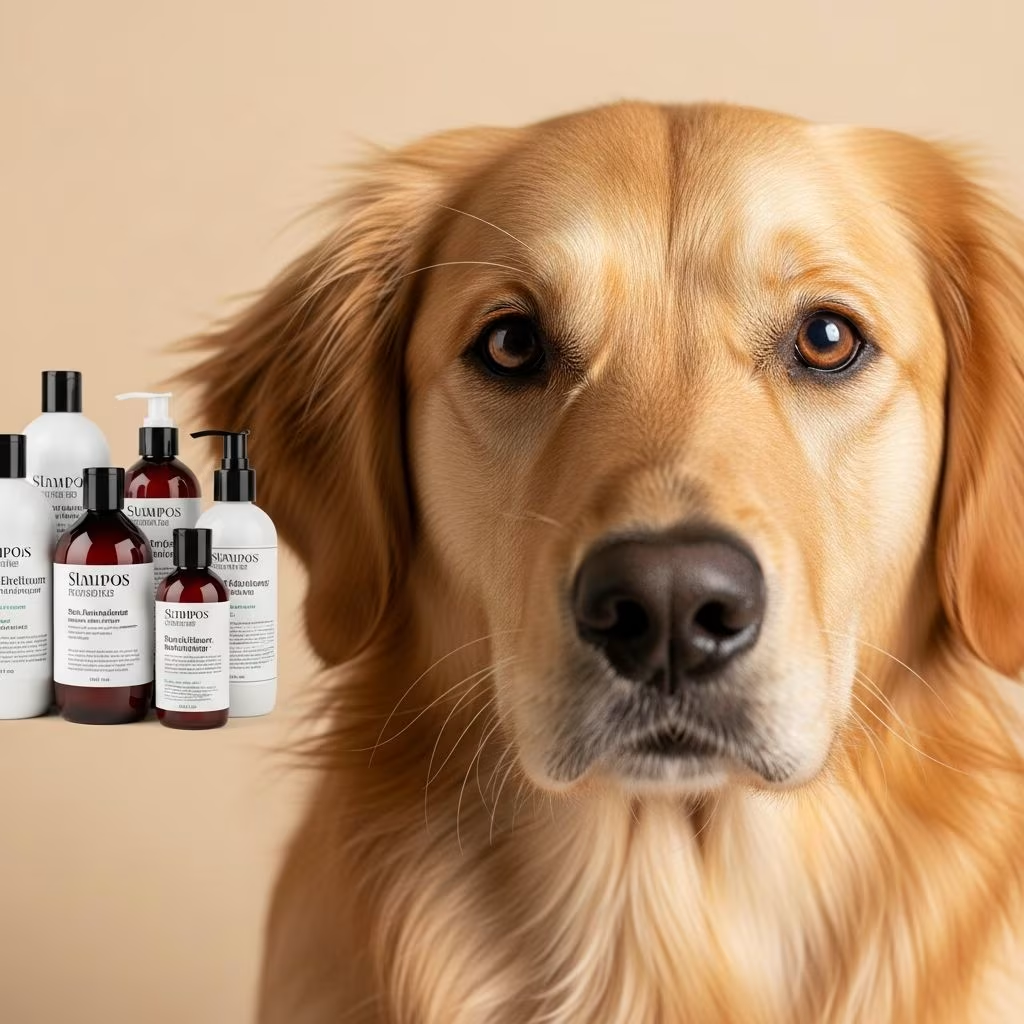
Seborrhea, a prevalent skin disorder in dogs, results in excessive scaling, greasiness, and persistent itching that impacts your pet’s comfort and appearance. Effective management often hinges on specialized shampoos designed to normalize skin cell turnover and control oil production.
Recognizing Seborrhea in Your Dog
Early detection of seborrhea allows for prompt intervention. Common indicators include a dull, oily coat accompanied by a foul odor, widespread flaking resembling dandruff, and intense scratching that leads to secondary infections. Affected dogs may develop crusty patches, particularly around the ears, elbows, and hocks, with hair loss in severe instances. Dry-type seborrhea presents as powdery scales, while the oily variant leaves a sticky residue on the fur.
- Visual cues: White or yellowish flakes scattered across the back and tail base.
- Tactile signs: Greasy feel to the skin despite regular grooming.
- Behavioral changes: Excessive rubbing against furniture or licking paws raw.
These symptoms differentiate seborrhea from simpler issues like dry winter skin, warranting a veterinary evaluation for confirmation.
Primary vs. Secondary Forms of Canine Seborrhea
Understanding the type of seborrhea guides treatment choices. Primary seborrhea stems from genetic defects in skin barrier function, common in breeds like Cocker Spaniels, West Highland White Terriers, and Shar-Peis. It manifests early in life and persists lifelong without a cure.
Secondary seborrhea arises from treatable underlying conditions, broadening management options. Key triggers include:
| Underlying Cause | Common Breeds Affected | Treatment Approach |
|---|---|---|
| Hypothyroidism | Golden Retrievers, Dobermans | Hormone supplements like levothyroxine |
| Cushing’s disease | Poodles, Dachshunds | Trilostane (Vetoryl) therapy |
| Food allergies | Labradors, Bulldogs | Hypoallergenic diet trials |
| Parasitic infestations | All breeds | Flea control and medicated dips |
Addressing these root causes can resolve secondary seborrhea, but primary cases demand ongoing symptomatic control.
Key Ingredients in Anti-Seborrheic Shampoos
Medicated shampoos form the cornerstone of seborrhea therapy, targeting hyperkeratosis—the overproduction of keratin scales. Essential active components include:
- Salicylic acid: A keratolytic agent that softens and sheds dead skin layers, promoting smoother epidermis.
- Coal tar: Reduces scaling and inflammation while degreasing oily coats; use cautiously due to potential staining.
- Sulfur and selenium sulfide: Antibacterial properties combat secondary infections common in folded skin areas.
- Benzoyl peroxide: Powerful degreaser for severe oily seborrhea, though it may dry out sensitive skin.
Veterinarians often recommend rotating shampoos to prevent tolerance buildup and optimize results. Phytosphingosine variants soothe irritation without harsh chemicals.
Step-by-Step Guide to Shampoo Application
Proper technique maximizes efficacy. Begin with a veterinary prescription or over-the-counter anti-seborrheic formula suited to your dog’s variant.
- Pre-bath prep: Brush thoroughly to loosen scales; use lukewarm water to avoid exacerbating itchiness.
- Lather generously: Focus on high-scale areas like armpits, groin, and paws; massage for 10 minutes to allow penetration.
- Initial frequency: Bathe every 2-3 days for 2-3 weeks until flakes diminish and odor fades.
- Rinse meticulously: Residual shampoo irritates skin; follow with a conditioner if prescribed.
- Drying: Towel or low-heat blow dry, preventing chilling that worsens dryness.
For dual-shampoo protocols, apply the first (e.g., coal tar) for 5-10 minutes, rinse, then the second (e.g., antifungal). Taper to weekly baths as improvement occurs.
Addressing Secondary Infections and Complications
Seborrhea predisposes dogs to bacterial pyoderma and Malassezia yeast overgrowth, signaled by redness and pustules. Integrate antifungal shampoos with ketoconazole or miconazole alongside antibiotics like cephalexin for 3-4 weeks. Ear canals, often involved, require daily cleaning with medicated wipes to prevent otitis.
Hot spots—acute moist dermatitis—demand soothing sprays or silver sulfadiazine ointments post-bathing.
Supportive Therapies for Optimal Results
Shampoos alone suffice for mild cases, but adjuncts enhance outcomes:
- Omega-3 supplements: Fish oil reduces inflammation; dose at 100mg EPA/DHA per 10lbs body weight daily.
- Dietary adjustments: Zinc-responsive diets for deficient breeds; novel protein trials for allergies.
- Retinoids or cyclosporine: Oral options for refractory primary seborrhea in select breeds.
- Grooming routine: Weekly brushing distributes oils evenly; paw soaks for interdigital scales.
Consistent ear cleaning every 2-3 days prevents recurrent infections.
Choosing the Right Shampoo for Your Dog’s Needs
Product selection depends on seborrhea type and skin sensitivity. For oily coats, prioritize benzoyl peroxide or coal tar blends; dry scalers benefit from salicylic acid with moisturizers.
| Shampoo Type | Best For | Frequency | Potential Drawbacks |
|---|---|---|---|
| Coal tar + Salicylic | Oily, scaly | Every 2 days | May stain light fur |
| Sulfur-based | Infected scales | Weekly | Strong odor |
| Benzoyl peroxide | Greasy buildup | 2-3x/week | Drying effect |
| Phytosphingosine | Sensitive skin | Daily | Milder action |
Consult your vet for breed-specific recommendations, as Shar-Peis tolerate less aggressive formulas.
Long-Term Management and Prognosis
Primary seborrhea requires lifelong vigilance, with most dogs achieving 80-90% symptom control via biweekly baths and supplements. Secondary cases often remit fully upon resolving triggers like hypothyroidism. Monitor via monthly vet check-ups; sudden worsening signals new issues like diabetes.
Prognosis excels with compliance: consistent routines yield comfortable, flake-free lives. Neglect fosters chronic infections, eroding quality of life.
Frequently Asked Questions (FAQs)
Can seborrhea in dogs be cured completely?
Primary idiopathic seborrhea cannot be cured but is well-managed with shampoos. Secondary forms resolve by treating root causes.
How often should I bathe my dog with seborrhea?
Start every 2-3 days, reducing to weekly as symptoms improve. Overbathing strips natural oils.
Are there home remedies for dog seborrhea?
Oatmeal baths offer temporary relief, but medicated shampoos are essential for control. Avoid unproven oils that clog pores.
Which breeds are prone to seborrhea?
Cocker Spaniels, Basset Hounds, and Chinese Shar-Peis show genetic predisposition.
Does diet influence seborrhea severity?
Yes; omega-rich foods and allergy avoidance improve skin health.
References
- Seborrhea in Dogs: Symptoms, Treatment, And Cost — Safari Veterinary Care Centers. 2023. https://www.safarivet.com/blog/seborrhea-in-dogs-symptoms-treatment-and-cost/
- Seborrheic Dermatitis — Animal Dermatology Clinic. Accessed 2026. https://animaldermatologypdx.com/seborrheic-dermatitis/
- Seborrhea in Dogs: Symptoms and Treatment — PetMD. 2023-02-17. https://www.petmd.com/dog/conditions/skin/c_dg_canine_seborrhea
- Canine Seborrhea: Symptoms, Causes & Solutions — Lavengel. Accessed 2026. https://lavengel.com/pages/skin-issues-seborrhea
- Seborrhea in Dogs – Dog Owners — Merck Veterinary Manual. Updated 2024. https://www.merckvetmanual.com/dog-owners/skin-disorders-of-dogs/seborrhea-in-dogs
- Seborrhea in dogs — Douxo S3. Accessed 2026. https://www.douxo.com/sg_en/your-dog-s-skin/seborrhea



