8 Best Senior Dog Foods for 2025 | Vet-Recommended
Discover vet-recommended senior dog foods to support your aging pet's health and longevity.
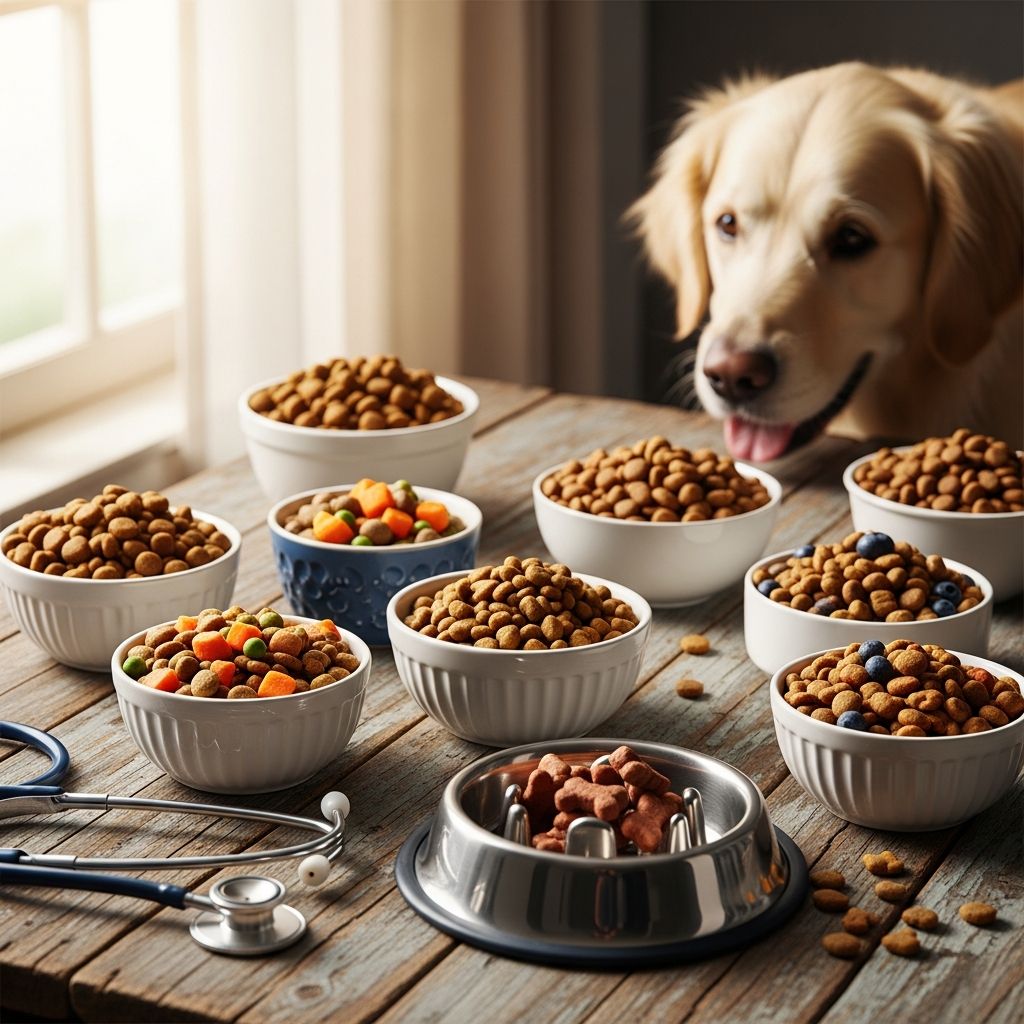
Understanding Senior Dog Nutrition Needs
As your dog enters their senior years, their nutritional requirements change significantly. Dogs are generally considered seniors between the ages of 6 to 8 years old, depending on their breed and size. Large breed dogs may transition into their senior years earlier than small breed dogs. Recognizing when your dog has entered this life stage is the first step toward providing them with the specialized nutrition they need to maintain optimal health and quality of life.
Senior dogs face unique health challenges, including decreased metabolism, joint deterioration, cognitive decline, and digestive changes. A well-formulated senior dog food can help address these concerns by providing targeted nutrition that supports joint health, cognitive function, digestive health, and immune system strength. The goal of feeding a senior dog is twofold: to prevent or manage existing diseases and to increase longevity, allowing your furry companion to enjoy their golden years comfortably.
What Makes Senior Dog Food Different
Senior dog foods are specifically formulated to meet the changing needs of aging dogs, though the differences may not always be obvious at first glance. While the protein content in senior dog foods typically ranges from 18-23% on a dry matter basis—similar to adult dog foods which range from 18-30%—senior formulations often differ in other important ways.
One key distinction is that senior dog foods may be somewhat lower in fat compared to traditional adult foods. This helps accommodate the slower metabolism that comes with aging. However, the most significant differences often relate to the addition of specialized nutrients and ingredients designed to address age-related health concerns. These may include:
– Glucosamine and chondroitin for joint support- Omega-3 and omega-6 fatty acids for brain, skin, and joint health- Antioxidants like vitamins E and C to promote immune function- Added fiber for digestive health- Prebiotics and probiotics for digestive and immune system support- Ingredients to support cognitive function in aging dogs
Key Nutrients to Look For in Senior Dog Food
When selecting a senior dog food, understanding which nutrients matter most for aging dogs can help you make an informed decision. The veterinary community has identified several critical components that should be present in quality senior dog formulations.
Omega-3 Fatty Acids
Omega-3 fatty acids are essential for maintaining brain and heart health in senior dogs. These nutrients are known to boost the immune system and reduce inflammation throughout the body. Senior pets require higher levels of omega-3s than younger dogs. Sources such as fish oil, sardines, and other marine ingredients provide these beneficial fatty acids. However, it’s important to consult with your veterinarian about the appropriate amount, as excessive fatty acids can be problematic.
Joint Support Ingredients
Senior dogs often experience joint and mobility issues due to arthritis and age-related cartilage deterioration. Quality senior dog foods should include ingredients specifically formulated to benefit joints, such as glucosamine hydrochloride and chondroitin sulfate. Long-chain omega-3 fatty acids, particularly eicosatetraenoic acid (ETA), EPA, and docosahexaenoic acid (DHA), also play crucial roles in maintaining joint health and reducing inflammation.
Antioxidants and Brain Health Support
Antioxidants help protect your senior dog’s cognitive function and support overall immune health. Look for foods containing vitamins E and C, as well as other naturally occurring antioxidants. Some senior dog foods are supplemented with ingredients like turmeric and dark leafy greens, which provide additional antioxidant benefits. Mental stimulation combined with proper nutrition helps keep your aging dog’s mind sharp and engaged.
High-Quality Protein
Despite common misconceptions, senior dogs still require adequate protein levels to maintain muscle mass and support overall health. Switching to a higher-quality protein source can provide better nutrient absorption and support your dog’s changing dietary needs. Quality protein sources help maximize digestibility and reduce the formation of potentially damaging metabolic byproducts.
AAFCO Approval and Food Safety Standards
All senior dog foods, regardless of brand or formulation, should provide the recommended amounts of required nutrients as established by the Association of American Feed Control Officials (AAFCO). When shopping for senior dog food, prioritize products that carry AAFCO approval, as this indicates the food meets established nutritional standards for dogs at that life stage.
It’s important to note, however, that AAFCO approval does not guarantee that a food will be effective in preventing or managing a specific disease. This is why consulting with your veterinarian remains essential when selecting a senior dog food, especially if your dog has existing health conditions.
Choosing the Right Senior Dog Food for Your Pet
Selecting the best senior dog food requires careful consideration of your individual dog’s needs, health status, and preferences. Here are several strategies to help you make the right choice:
Start with Your Veterinarian’s Recommendations
Before making any dietary changes, consult with your veterinarian. They understand your dog’s unique health status, disease risk factors, and lifestyle requirements. If your dog has been diagnosed with a condition known to be influenced by nutrition, such as arthritis, dental disease, or digestive issues, your vet can recommend specific formulations designed to manage these concerns.
Try the Senior Version of Your Dog’s Current Food
If your dog has been eating a particular brand or formula successfully, consider switching to the senior version of that same food. Many major brands offer senior formulations of their popular adult dog foods. This approach helps minimize digestive upset associated with sudden diet changes while providing the specialized nutrition your aging dog needs.
Look for Size and Breed-Specific Formulations
Senior dog foods are often available in small breed and large breed varieties. Small breed senior foods are formulated with size-specific nutritional needs in mind, including appropriately sized kibble and ingredients to support the particular health concerns common in small dogs. Similarly, large breed senior foods address the specific needs of bigger dogs, such as joint support for breeds prone to hip dysplasia.
Pay Attention to Kibble Texture and Size
Dogs with dental disease may benefit from senior dry foods with specific kibble shapes, sizes, and textures designed to reduce plaque buildup while being easier to chew. Alternatively, if your senior dog has lost most or all of their teeth, your veterinarian may suggest switching to a canned food variety for easier eating and better comfort during meals.
Consider Caloric Content
Senior dogs tend to be less active than their younger counterparts, and their metabolism naturally slows with age. Some senior dogs, particularly those who are overweight, require fewer calories than they did during their adult years. However, other senior dogs may have difficulty maintaining weight and may require more calories. Your veterinarian can help determine the appropriate caloric intake for your individual dog based on their weight, activity level, and health status.
Making the Transition to Senior Dog Food
Once you’ve selected an appropriate senior dog food with your veterinarian’s guidance, it’s important to transition gradually to the new formula. A rushed transition can cause digestive upset, including vomiting and diarrhea. Ideally, the transition should take place over 7-10 days or longer, with a complete transition to the new food by day 14.
Start by mixing a small amount of the new senior dog food with your dog’s current food, gradually increasing the proportion of new food while decreasing the old food over the transition period. This gradual approach allows your dog’s digestive system to adjust to the new formula without disruption.
Enhancing Your Senior Dog’s Diet
Beyond selecting a quality senior dog food, there are several ways to enhance your dog’s nutrition and support their health during their golden years.
Adding Omega-3 Supplements
If your chosen senior dog food doesn’t provide adequate omega-3 levels, consider adding fish oil supplements or including fish in your dog’s diet. Sardines are an excellent choice due to their omega-3 content and relatively low heavy metal contamination compared to larger fish species. Fish oil supplements are another convenient option, though you should consult with your veterinarian about appropriate dosing.
Incorporating Fruits and Vegetables
Antioxidant-rich fruits and vegetables can provide additional support for your senior dog’s health. Berries, turmeric, and dark leafy greens offer powerful antioxidant benefits. However, some dogs may not tolerate or enjoy these foods. If your dog is resistant to eating whole fruits and vegetables, antioxidant supplements in capsule form can provide similar benefits.
Managing Weight and Portion Control
Weight management becomes increasingly important for senior dogs. As your dog becomes less active, they require fewer calories. Weight-loss formulas for senior dogs are often bulked up with healthy, low-calorie fiber, allowing your dog to eat nearly the same amount of kibble while consuming fewer calories. This approach keeps your dog feeling satisfied while supporting healthy weight maintenance.
Avoiding Table Scraps and Excessive Treats
While occasional treats are acceptable, avoid feeding your senior dog table scraps or excessive treat portions, as this can lead to unwanted weight gain and unnecessary strain on aging joints. A well-balanced senior dog food should provide complete nutrition, with treats making up no more than 10% of their daily caloric intake.
Addressing Specific Health Conditions
Senior dogs with specific health conditions benefit from targeted nutritional support. If your dog has been diagnosed with a condition influenced by nutrition, a therapeutic diet may be recommended by your veterinarian.
Dental Disease
Dogs with dental disease may benefit from senior dry foods with specific kibble characteristics designed to reduce plaque buildup. These formulations may include added ingredients specifically formulated to control dental disease. For dogs with severe tooth loss, transitioning to canned or softened food options makes eating more comfortable.
Arthritis and Joint Problems
Senior dogs with arthritis benefit significantly from foods containing joint-supporting ingredients like glucosamine hydrochloride, chondroitin sulfate, and long-chain omega-3 fatty acids. If a therapeutic diet is not recommended, supplements containing these ingredients may be prescribed by your veterinarian.
Quality Indicators in Senior Dog Food
When evaluating senior dog food options, look for these quality indicators:
– AAFCO approval for completeness and balance- High-quality protein sources listed as primary ingredients- Added antioxidants such as vitamins E and C- Joint support supplements like glucosamine and chondroitin- Omega-3 and omega-6 fatty acids from quality sources- Prebiotics and probiotics for digestive health- Absence of artificial preservatives, colors, and flavors- Formulations specific to your dog’s size or breed- Clear ingredient lists with identifiable protein sources
The Importance of Individual Assessment
There is no one-size-fits-all approach to senior dog nutrition. Each dog ages differently based on genetics, overall health, activity level, and existing medical conditions. This is why veterinarian guidance remains essential when choosing the right diet for your beloved senior dog. Your veterinarian can evaluate your dog’s specific health needs and recommend formulations designed to address their individual concerns and support optimal quality of life during their golden years.
Frequently Asked Questions About Senior Dog Food
Q: At what age should I switch my dog to senior food?
A: Most dogs are considered seniors between 6-8 years old, depending on their breed and size. Large breeds may transition earlier than small breeds. Consult with your veterinarian to determine the right time for your individual dog.
Q: Is senior dog food necessary if my dog is still healthy?
A: While not always necessary, senior dog food can provide preventive benefits through specialized nutrients that support joint health, cognitive function, and immune system strength. Your veterinarian can advise whether switching to senior food is appropriate for your healthy aging dog.
Q: What should I look for on senior dog food labels?
A: Look for AAFCO approval, high-quality protein sources, added antioxidants, omega-3 fatty acids, and joint-supporting ingredients like glucosamine and chondroitin. Read ingredient lists carefully and consult with your vet about your dog’s specific needs.
Q: Can I add supplements to my senior dog’s food?
A: Yes, supplements can enhance your senior dog’s nutrition. Fish oil, glucosamine, chondroitin, and antioxidant supplements can provide additional health benefits. Always consult with your veterinarian about appropriate supplements and dosages.
Q: How should I transition my dog to a new senior food?
A: Transition gradually over 7-10 days or longer, mixing increasing amounts of new food with decreasing amounts of old food. Complete the transition by day 14. This prevents digestive upset and helps your dog adjust to the new formula.
Q: Do senior dogs need fewer calories than adult dogs?
A: Many senior dogs require fewer calories due to decreased activity and slower metabolism. However, some senior dogs have difficulty maintaining weight and may need more calories. Your veterinarian can recommend appropriate portion sizes for your individual dog.
Q: What if my senior dog has specific health conditions?
A: If your dog has been diagnosed with a condition influenced by nutrition, such as arthritis or dental disease, consult with your veterinarian about therapeutic diet options. They can recommend specialized formulations designed to manage your dog’s specific health concerns.
References
- Does My Dog Need Senior Dog Food? — PetMD. 2025. https://www.petmd.com/dog/nutrition/does-my-dog-need-senior-dog-food
- 8 Best Foods for Senior Dogs in 2025, Recommended by Vets — PetMD. 2025. https://www.petmd.com/dog/vet-verified/best-senior-dog-food
- 8 Tips for Feeding Your Senior Dog — PetMD. 2025. https://www.petmd.com/dog/slideshows/8-tips-feeding-your-senior-dog
- Feeding the Older Dog — PetMD. 2015. https://www.petmd.com/blogs/nutritionnuggets/dr-coates/2015/january/how-feed-older-dogs-32373
- How to Care For Your Senior Dog — PetMD. 2025. https://www.petmd.com/dog/general-health/how-to-care-for-senior-dog
- 5 Things You Need to Know about Senior Dog Food — PetMD. 2025. https://www.petmd.com/dog/general-health/things-to-know-about-senior-dog-food
- Basic Care Requirements for Senior Dogs — Hill’s Pet Nutrition. 2025. https://www.hillspet.com/dog-care/routine-care/senior-dog-care-basics
Similar Articles








Read full bio of medha deb