

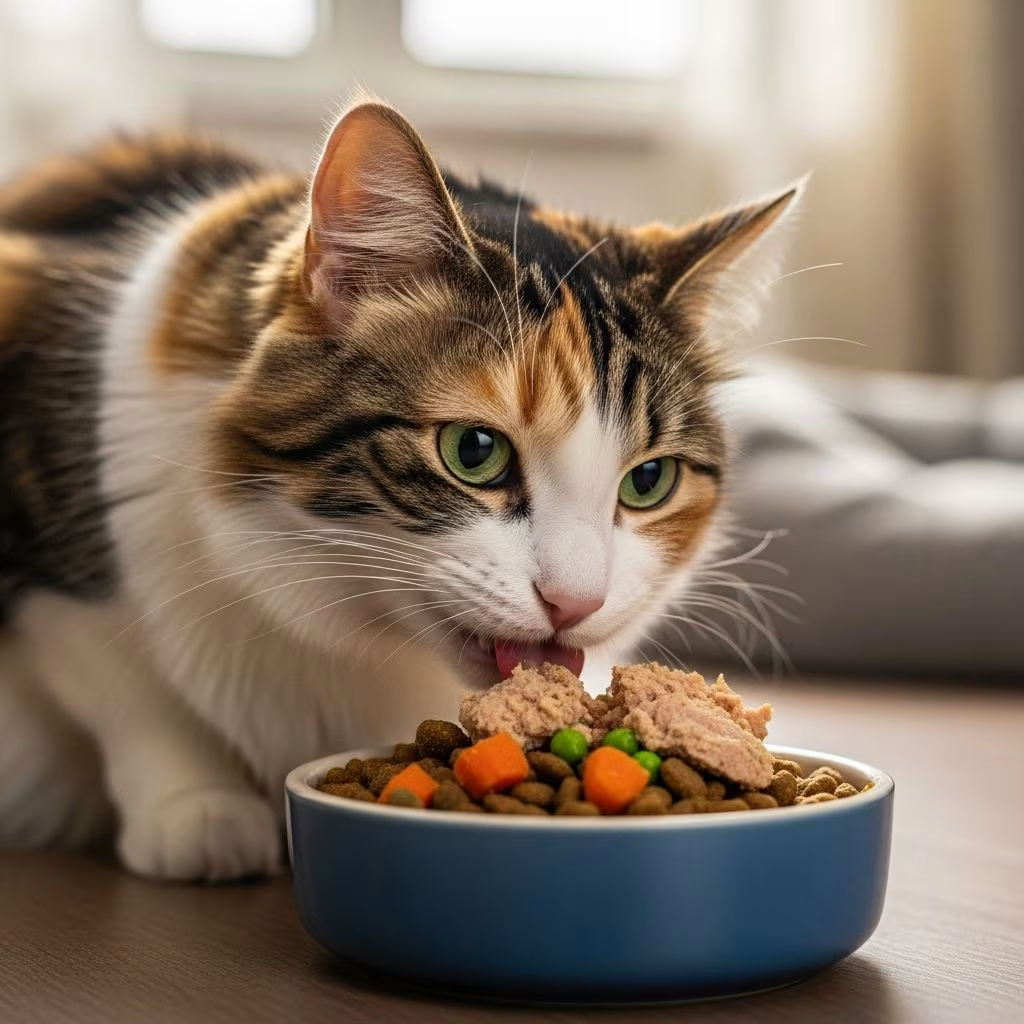
The Best Senior Cat Food: A Guide to Feeding Your Older Cat
As your feline companion enters their golden years, their nutritional needs change significantly. Senior cats require specially formulated diets that address age-related health concerns such as joint stiffness, declining kidney function, sensitive digestion, and weight management. Selecting the right senior cat food is one of the most important decisions you can make to ensure your older cat remains healthy, active, and comfortable throughout their later years. This comprehensive guide will help you navigate the options and find the perfect nutrition plan for your senior cat.
Understanding Your Senior Cat’s Nutritional Needs
Senior cats typically require a different balance of nutrients compared to younger adults. As cats age, their metabolism slows, their activity levels often decrease, and their bodies become less efficient at processing certain nutrients. Understanding these changing needs is crucial for maintaining optimal health and preventing age-related complications.
Protein Requirements for Aging Cats
Protein remains one of the most critical nutrients for senior cats. While some manufacturers reduce protein content in senior formulas, older cats actually need high-quality protein to maintain lean muscle mass and support bodily functions. High-quality animal protein sources such as chicken, fish, turkey, and duck help preserve muscle tissue and keep your senior cat strong and active. Look for foods that list real meat as the primary ingredient rather than meat by-products or plant-based proteins.
Fat Content and Essential Fatty Acids
The National Research Council recommends that an adult cat’s diet contain at least 5.5 grams of total fat per 250 calories consumed. For senior cats, healthy fats are especially important because they support cognitive function, maintain a healthy coat, and reduce inflammation in aging joints. Omega-3 and omega-6 fatty acids are particularly beneficial, as they promote brain health, support immune function, and help reduce joint inflammation. Foods containing fish oil, flaxseed, and other natural fat sources provide these essential nutrients your senior cat needs.
Fiber and Digestive Health
As cats age, their digestive systems become more sensitive. Fiber plays an important role in maintaining digestive health and preventing constipation, a common issue in senior cats. However, cats don’t require carbohydrates for survival, as they’re obligate carnivores. When carbohydrates are included in senior cat food, they should come from quality sources and be balanced with adequate fiber. Prebiotics and probiotics added to senior formulas help optimize digestion and nutrient absorption, making it easier for your older cat’s body to process and utilize nutrients from their food.
Key Ingredients to Look for in Senior Cat Food
When evaluating senior cat food options, understanding which ingredients support aging cats’ health is essential. The following components should be present in quality senior cat formulas:
- Real meat proteins – Look for named meat sources like chicken, salmon, turkey, or duck as the first ingredients
- Joint support supplements – Glucosamine hydrochloride and chondroitin sulfate help maintain joint flexibility and reduce arthritis pain
- Antioxidants – Vitamins E and C, selenium, zinc, and plant extracts support immune function and cognitive health
- Omega-3 and omega-6 fatty acids – Essential for brain function, joint health, and coat quality
- Taurine – An essential amino acid crucial for heart and eye health in cats
- Moisture content – Especially important in wet foods to support kidney function and hydration
- Reduced phosphorus – Helps support kidney health in aging cats prone to kidney disease
- Added probiotics – Support digestive health and nutrient absorption in sensitive senior digestive systems
Avoiding Unhealthy Senior Cat Food Ingredients
While knowing what to look for is important, understanding what to avoid is equally critical. Senior cats with sensitive systems don’t benefit from foods high in starchy fillers, artificial preservatives, or low-quality protein sources. Avoid cat foods that list corn, wheat, soy, or generic meat by-products as primary ingredients. These ingredients provide little nutritional value and may trigger allergies or digestive upset in aging cats. Additionally, foods with excessive carbohydrates can contribute to weight gain and exacerbate diabetes, a condition that becomes more common in senior cats.
Dry Food Options for Senior Cats
Dry cat food offers convenience and can help maintain dental health through natural chewing action. However, it contains less moisture than wet food, which can be a concern for senior cats who don’t drink enough water. When selecting dry senior cat food, prioritize formulas specifically labeled for senior or adult 7+ cats.
Now Fresh Grain-Free Senior Weight Management Recipe
For senior cats needing weight management, Now Fresh offers a protein-packed dry food formulated with turkey, egg, salmon, and duck. This zero-grain formula includes pea fiber along with nutrient-rich vegetables and fruits such as spinach, cranberries, blackberries, pumpkin, lentils, and carrots. The recipe contains necessary vitamins, minerals, and amino acids cats require, plus omega-3 and omega-6 fatty acids that promote a soft, shiny coat. Added prebiotics and probiotics support digestion and nutrient absorption, making it an excellent choice for weight-conscious seniors.
Wellness Complete Health Chicken & Deboned Chicken Grain-Free Senior Dry Cat Food
Designed to support healthy joints and a strong immune system, this senior formula includes glucosamine hydrochloride and chondroitin sulfate for joint support. The recipe features deboned chicken as the main protein source, complemented by potatoes, lentils, tomato pomace, flaxseed, chicory root extract, and cranberries. These ingredients provide energy and metabolism-boosting fiber while supporting overall health. The formula contains antioxidants like zinc, yucca, rosemary, kelp, and green tea extract, along with probiotics for optimal digestive health.
Wet Food Options for Senior Cats
Wet senior cat food provides superior hydration and is often easier for cats with dental issues to consume. The higher moisture content supports kidney function and encourages adequate water intake, a critical concern for aging felines. Wet food also tends to have a stronger aroma and flavor that appeals to senior cats with declining appetites.
Purina Pro Plan Prime Plus Adult 7+ Salmon & Tuna Entree
This wet food combines salmon and tuna with a comprehensive blend of vitamins, minerals, healthy omega-3 and omega-6 fats, and fiber-rich chicory root to aid digestion. The antioxidant-packed formula supports a strong immune system and helps maintain lean body mass. The higher moisture content compared to dry food ensures your senior cat receives the extra water their aging kidneys need to function optimally.
Royal Canin Aging 12+ Thin Slices in Gravy
Specifically formulated for very senior cats aged 12 years and older, this wet diet provides a balanced ratio of protein, fat, and carbohydrates tailored to the needs of the very aged. The formula includes healthy fats and glucosamine to support joint health, along with vitamins, minerals, and antioxidants. Importantly, it features reduced phosphorus to support kidney health, a critical consideration for cats in their twilight years. The chunky slices in gravy are designed for easy consumption by cats with sensitive teeth and gums, and you can serve it mixed with kibble or alone.
Chicken Soup for the Soul Weight & Mature Care Ocean Fish, Chicken & Turkey Recipe Pate
This wheat-, corn-, and soy-free wet diet contains fewer calories for senior cats requiring weight management. Multiple protein sources including saltwater fish, turkey, duck, chicken, and chicken liver provide complete amino acid profiles, while chicken and turkey broth add moisture. The formula includes brown rice, oatmeal, and pea fiber, supplemented with carrots, peas, apples, and cranberries for plant-based nutrients. Healthy fats support aging brains, while a comprehensive mix of vitamins, minerals, and antioxidants promotes overall health.
Freeze-Dried Raw Food for Senior Cats
Freeze-dried raw cat food offers another nutritious option for senior cats. Made with 98% meat, organs, and bone, these foods should be rehydrated with warm water or broth to achieve your cat’s preferred texture. Raw diets are naturally rich in nutrients that support lean muscle, joint comfort, oral health, and digestive function—all key areas of concern for older adult cats. Freeze-dried raw options come in both soft and crunchy varieties, including high-protein freeze-dried raw morsels you can hydrate to any consistency, wet foods with savory shreds and smooth pâtés, and dry options including raw-coated kibble or raw blend kibble with extra freeze-dried raw pieces mixed in. These foods are typically pea-free, lentil-free, and potato-free, making them excellent choices for cats with food sensitivities or allergies.
What Makes Food Ideal for Senior Cats
The best foods for senior cats share several essential characteristics, regardless of whether they’re labeled “senior” on the package:
- High-quality animal protein to maintain lean muscle and support bodily functions
- Easily digestible ingredients and adequate fiber for sensitive stomachs and optimal nutrient absorption
- Moisture-rich meals to support hydration and kidney health
- Calorie-appropriate formulas designed for weight gain or loss depending on your individual cat’s needs
- Omega-3s and antioxidants to promote brain, immune, and joint health throughout the aging process
Addressing Common Senior Cat Feeding Challenges
Senior cats often face unique feeding challenges that quality nutrition can help address. Appetite decline is common in aging cats, and the irresistible taste and aroma of freeze-dried raw and wet foods can tempt waning appetites and highly selective seniors. For cats with food allergies, sensitivities, or itchy skin, grain-free formulas with limited ingredients provide excellent alternatives. Additionally, specialized toppers that support skin and coat health can be added to regular meals to provide extra nutrition and palatability.
Creating a Feeding Schedule for Your Senior Cat
Beyond selecting the right food, establishing a consistent feeding schedule supports digestive health and helps you monitor your senior cat’s appetite and eating habits. Consider using an automatic pet feeder or measuring out portions at mealtime to track consumption. Special cat food bowls and feeders designed for portion control and meal timing can be beneficial, and high-tech smart feeders allow you to monitor exactly how much your senior kitty is consuming. Proper feeding management helps you detect early signs of appetite changes that might indicate health issues requiring veterinary attention.
Transitioning to Senior Cat Food
When switching your cat to a new senior formula, transition gradually over 7-10 days. Mix increasing amounts of the new food with the old food, slowly reducing the proportion of the previous diet. This gradual transition helps prevent digestive upset and allows your cat’s system to adjust to the new formula. Some senior cats may be pickier about food changes, so patience and a gradual approach work best.
Frequently Asked Questions About Senior Cat Food
Q: At what age should I switch my cat to senior food?
A: Most cats are considered seniors around age 11 years old, though some formulas are labeled for cats aged 7 and up. Consult with your veterinarian to determine the best time to transition based on your individual cat’s health and activity level.
Q: How much should I feed my senior cat daily?
A: Feeding amounts depend on your cat’s weight, activity level, and the specific food’s calorie content. Your veterinarian can recommend appropriate portion sizes, though most senior cats require fewer calories than younger adults due to decreased activity.
Q: Is wet food better than dry food for senior cats?
A: Both wet and dry foods can be appropriate for senior cats. Wet food provides superior hydration and is easier for cats with dental issues, while dry food may help maintain dental health through natural chewing action. Many owners find a combination of both works best.
Q: Can I give my senior cat treats?
A: Yes, but treats should comprise no more than 10% of your senior cat’s daily calorie intake. Choose treats formulated for senior cats, such as hydration-boosting lickable treats that add moisture and extra vitamins to their diet.
Q: What should I do if my senior cat has a poor appetite?
A: A poor appetite can indicate various health issues. Consult your veterinarian to rule out underlying conditions. Meanwhile, try warming wet food slightly to enhance its aroma and palatability, or experiment with different protein sources to find foods your cat finds irresistible.
Q: How often should I feed my senior cat?
A: Many veterinarians recommend feeding senior cats twice daily to make calories more manageable and easier to digest. However, individual cats may have different preferences, so discuss the best feeding schedule with your vet.
Q: Are grain-free foods better for senior cats?
A: Grain-free foods aren’t inherently better, but they’re excellent for cats with grain sensitivities or allergies. Ensure the food is complete and balanced regardless of whether it contains grains.
Conclusion
Choosing the best senior cat food is one of the most meaningful ways to support your aging feline companion’s health and happiness. By understanding your senior cat’s changing nutritional needs and selecting foods rich in quality proteins, essential fatty acids, joint-supporting supplements, and digestive aids, you can help ensure their golden years are truly golden. Whether you choose dry food, wet food, or freeze-dried raw options, prioritize foods specifically formulated for senior cats with ingredients that address age-related health concerns. Combine quality nutrition with regular veterinary care, appropriate portion control, and a consistent feeding schedule, and you’ll be providing your beloved senior cat with the best possible foundation for a comfortable, healthy, and happy life in their later years.
References
- The Best Senior Cat Food: A Guide to Feeding Your Older Cat — Chewy. 2025. https://www.chewy.com/education/cat/food-and-nutrition/best-senior-cat-food
- Nutrient Requirements of Dogs and Cats — National Research Council. 2006. National Academies Press. https://doi.org/10.17226/10668
- Senior Cat Food: Freeze-Dried Raw, Wet & Dry — Stella and Chewy’s. 2025. https://www.stellaandchewys.com/collections/senior-cat-food
- 10 Tips to Keep Your Senior Cat Healthy — Chewy. 2025. https://www.chewy.com/education/cat/health-and-wellness/health-pet-fitness-10-tips-to-keep-your-senior-cat-healthy
- How Much to Feed a Cat: Portions, Calories, and More — Chewy. 2025. https://www.chewy.com/education/cat/food-and-nutrition/how-much-should-i-feed-my-cat



