The Best Room for a Hamster Cage: Placement Guide
Learn where to place your hamster cage for optimal health and comfort
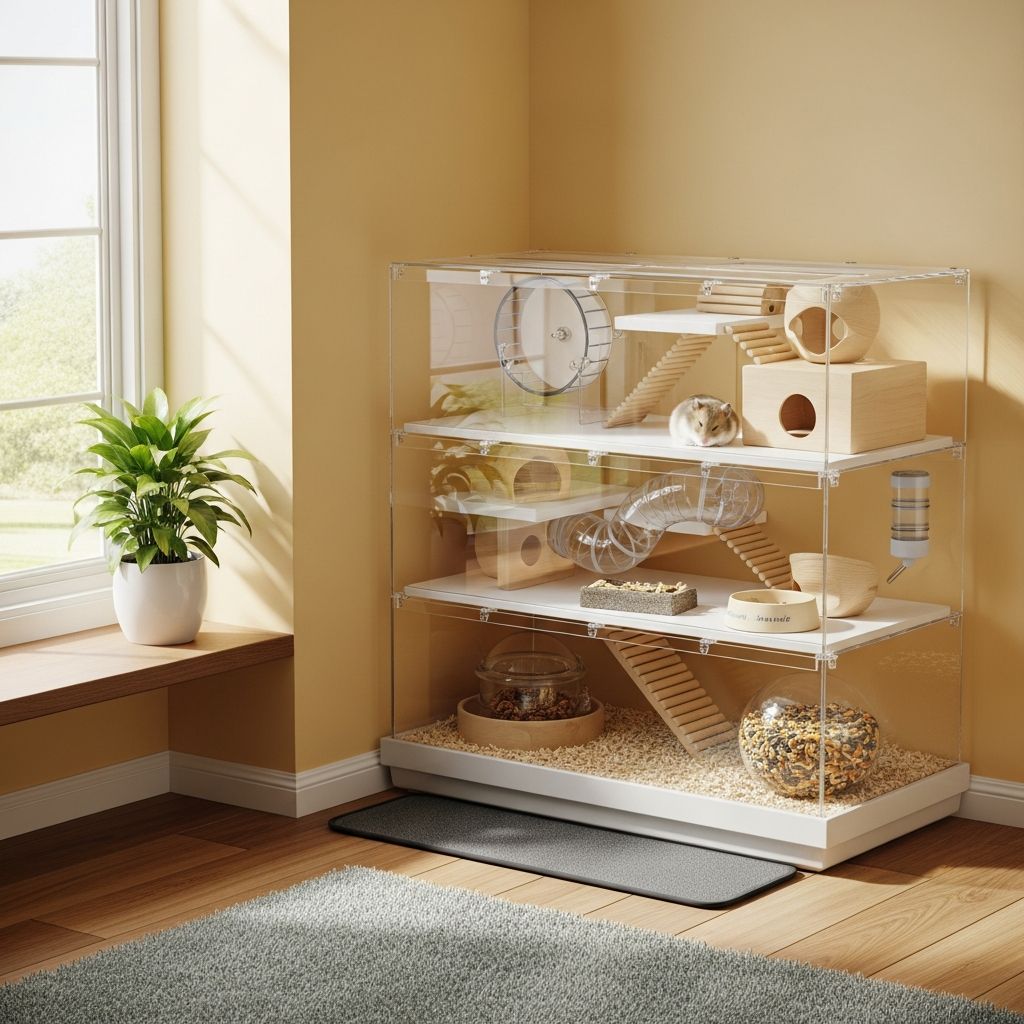
Choosing where to place your hamster cage is just as important as selecting the cage itself. The location you choose will significantly impact your hamster’s stress levels, health, and overall happiness. Many new hamster owners focus on the size and design of the enclosure but overlook how critical room placement is for their pet’s wellbeing. Understanding the key factors that influence cage placement will help you create an optimal environment for your hamster to thrive.
The process of finding the perfect spot for your hamster cage involves evaluating three main categories: air quality, sound and light conditions, and human activity levels. Each of these factors plays a crucial role in determining whether your hamster will feel safe, secure, and comfortable in their new home. By considering these elements carefully, you can avoid common mistakes that lead to stressed or unhealthy hamsters.
Understanding the Three Basic Categories for Cage Placement
When deciding where to place your hamster cage, it’s essential to evaluate your home environment systematically. The three fundamental categories that should guide your decision-making process are air quality, sound and light exposure, and human activity. These categories encompass all the major factors that influence your hamster’s comfort and health. Let’s explore each one in detail to help you make an informed decision about the best location for your hamster’s home.
Air Quality and Ventilation
The air quality in your hamster’s environment is absolutely critical to their health and longevity. Hamsters are sensitive creatures that require clean, well-ventilated air without drafts or harmful substances. When hamsters experience elevated stress levels, their resistance to temperature fluctuations and airborne pathogens significantly decreases, making them more susceptible to respiratory infections and other health issues.
One of the most dangerous considerations is cross-drafting. Cross-drafts occur when air flows from one area to another, creating inconsistent temperature zones in your hamster’s enclosure. These drafts can cause stress and make your hamster vulnerable to illness. You should position the cage away from windows, doors, air conditioning vents, and heating vents whenever possible. These are the primary sources of drafts in most homes.
An often-overlooked invisible danger is the presence of carbon monoxide. Fireplaces and furnaces can emit small bursts of carbon monoxide periodically, which can be harmful to your hamster’s health over time. If your home has these features, ensure they are far away from your hamster’s cage location. Additionally, avoid placing the cage near areas where there might be poor air circulation, such as inside closets or small enclosed spaces.
The ideal location for your hamster cage should have consistent temperatures without fluctuations. Hamsters prefer temperatures between 65 and 75 degrees Fahrenheit. A room with stable temperature control, away from external walls where temperature extremes are more common, is an excellent choice.
Sound and Light Considerations
Hamsters have unique behavioral patterns that are directly influenced by their sensory environment. Unlike humans, hamsters don’t see well, but they are highly sensitive to light and sound. In the wild, hamsters are nocturnal creatures who spend their days underground to protect themselves from predators. This natural behavior means they instinctively avoid bright light and may become stressed in noisy environments.
Sound sensitivity is particularly important to understand. When hamsters first come home, they often maintain an erratic schedule as they adjust to their new environment. A hamster in a bedroom that runs on its exercise wheel from midnight to dawn can create significant noise disturbances, especially on school nights. This noise can disrupt family sleep schedules and create stress for both the hamster and human residents.
A family room is often an ideal location because it typically has plush furnishings such as couches, cushions, and carpets that naturally absorb ambient sound. These soft furnishings help muffle noise, allowing your hamsters to remain calm and composed. If you place your hamster cage in an area with hard floors or minimal soft furnishings, consider placing folded towels beneath the cage to help absorb vibrations and reverberating noises from the exercise wheel.
Light management is equally important for hamster wellbeing. Bright lights force hamsters into the darkest, most obscure sections of their cages, preventing them from exploring their environment and reducing their quality of life. Instead of placing the cage in direct sunlight or under bright artificial lights, choose a location with soft, indirect light during the day. This allows your hamster to follow their natural nocturnal instincts while still having the option to explore when they choose to do so.
Human Activity and Disturbance Levels
The amount of human activity near your hamster’s cage significantly impacts their stress levels and behavior. Hamsters need a quiet space where they can rest undisturbed and feel secure. High-traffic areas where people are constantly walking by, talking loudly, or engaging in various activities can cause chronic stress in your hamster, leading to behavioral problems and health issues.
A hallway, for example, might seem like a neutral location but it’s typically a high-traffic area where people pass by frequently. This constant movement and activity can stress your hamster. Similarly, kitchens where cooking happens regularly expose hamsters to strong odors, temperature fluctuations, and potential airborne particles that can harm their respiratory system.
However, complete isolation isn’t ideal either. A quiet family room where members of the household spend time together can be a good compromise. Family members can interact with and observe the hamster, but the environment remains relatively calm and controlled. The key is finding a balance between allowing your hamster to feel part of the family and ensuring they have a peaceful, low-stress environment.
Locations to Avoid for Your Hamster Cage
Understanding which locations are unsuitable for hamster cages is just as important as knowing where to place them. Certain areas in your home present specific hazards or drawbacks that make them poor choices for hamster housing.
Bedrooms
While bedrooms might seem like quiet, isolated spaces, they can be problematic for hamster placement. As mentioned earlier, hamsters are nocturnal and extremely active during nighttime hours. A hamster running on its exercise wheel from midnight onwards can create significant noise disturbances. For families with school-aged children who need uninterrupted sleep, a bedroom location is generally not recommended unless the hamster owner is a light sleeper or can tolerate the noise.
Kitchens
Kitchens are among the worst locations for hamster cages. They expose hamsters to cooking odors, grease particles, temperature fluctuations from ovens and refrigerators, and potential chemical fumes from cleaning products. The constant activity and noise in a kitchen create stress, and the high human traffic increases the risk of accidental cage disturbance or knocking over water bottles and food dishes.
Basements
Basements typically have poor air circulation, higher humidity levels, and inconsistent temperatures. Damp environments can promote respiratory infections in hamsters. Additionally, basements often have limited natural light and may contain chemical odors from stored items, creating an unhealthy environment for your pet.
Bathrooms
Bathrooms experience extreme humidity fluctuations, particularly during and after showers. This moisture can damage bedding, promote mold growth, and create respiratory issues for hamsters. The frequent temperature changes from hot water use also stress hamsters accustomed to stable conditions.
Garages
Garages expose hamsters to car exhaust fumes, gasoline vapors, and other toxic chemicals. Temperature fluctuations are extreme, and the noise from car engines and tools can create significant stress. This location is unsuitable for hamster housing.
Ideal Room Characteristics for Hamster Cages
The best room for your hamster cage should have several characteristics that create an optimal environment. A quiet family room with soft furnishings, stable temperature control, and moderate lighting conditions is typically ideal. This location balances your hamster’s need for a calm, secure environment with the ability for family members to interact with and observe their pet.
Consider a room that has the following qualities:
- Consistent temperature between 65-75 degrees Fahrenheit
- Minimal drafts and cross-ventilation issues
- Soft furnishings that absorb sound naturally
- Moderate, indirect lighting
- Low to moderate human traffic
- Distance from air vents, windows, and doors
- Away from kitchens, bathrooms, and garages
- Protection from direct sunlight
Positioning Within the Chosen Room
Even after selecting the best room, proper positioning within that room matters. Avoid placing the cage directly on the floor, as this can expose your hamster to drafts and make them feel vulnerable. Instead, place the cage on a sturdy table or shelf at a moderate height, ideally between 2-4 feet off the ground. This positioning allows your hamster to observe their surroundings while feeling secure, and it prevents floor-level drafts from affecting them.
Ensure the cage is not placed near windowsills where direct sunlight can create temperature fluctuations and overheat the enclosure. Similarly, avoid positioning the cage where it receives direct heat from vents or radiators. If you’re concerned about noise, you can further reduce vibrations by placing the cage on a rubber mat or foam padding beneath its support surface.
Seasonal Considerations for Cage Placement
Your hamster’s ideal cage location may need slight adjustments seasonally. During winter, ensure the cage is not near external walls or windows where cold drafts are more prevalent. During summer, be cautious about placing the cage in areas that become too warm, as hamsters are susceptible to heat stress. A consistent, moderate climate is best maintained in a central interior room away from external walls and windows.
Creating a Comfortable Cage Setup
Beyond room selection and positioning, creating a comfortable cage setup requires attention to several elements. Your hamster’s enclosure should include at least 600 square inches of unbroken floor space to meet minimum requirements, with 900 square inches or more being ideal for optimal wellbeing. The cage floor should be solid to allow for adequate bedding material that absorbs urine and provides digging opportunities.
Deep bedding is essential for hamster health. A layer of at least 6-8 inches allows hamsters to engage in their natural burrowing behavior, which is important for their physical and mental health. Provide a variety of enrichment items including cardboard tubes, tunnels, platforms, a solid exercise wheel, and nesting materials. These elements allow your hamster to establish their own toilet area, nesting area, eating area, and playing area within the cage.
Ensure your hamster has access to fresh water via a water bottle positioned at an appropriate height, and scatter food throughout the cage rather than placing it all in one location. This encourages natural foraging behavior. A nesting box or shelter provides a secure space where your hamster can feel protected and rest undisturbed.
Frequently Asked Questions
Q: Can I place my hamster cage near a window?
A: No, windows should be avoided. Direct sunlight creates temperature fluctuations, and windows are common sources of drafts. These conditions stress hamsters and make them susceptible to illness. Position the cage at least 3-4 feet away from any windows.
Q: Is a living room or family room better for hamster placement?
A: A family room is often ideal. It typically has soft furnishings that absorb sound, moderate human activity that allows for observation and interaction while maintaining a calm environment, and generally better temperature control than other areas of the home. Just ensure it’s away from doors, vents, and direct sunlight.
Q: How can I reduce noise from my hamster’s exercise wheel?
A: Place folded towels or foam padding beneath the cage to absorb vibrations. Choose a quality exercise wheel with a solid structure and smooth, quiet operation. Ensure the wheel is properly mounted and lubricated to minimize squeaking sounds.
Q: What should I do if my hamster cage is in a noisy area?
A: Use soft furnishings, towels, or foam padding to absorb sound. Consider moving the cage to a quieter location if possible. If relocation isn’t an option, provide extra hiding spots and nesting materials where your hamster can retreat to feel safe and secure.
Q: Can I keep my hamster in a bedroom if I’m a light sleeper?
A: Even light sleepers might find hamster noise disruptive over time. A bedroom can work if you have a separate room away from where the hamster’s wheel activity would be heard. However, a family room or quiet living area is generally a better choice.
Q: How do I know if my hamster’s location is causing stress?
A: Signs of stress include excessive bar biting, aggressive behavior, lethargy, and refusing to explore their cage. If you notice these behaviors, evaluate the cage location for drafts, noise, excessive light, or high human traffic. Adjusting the location often improves behavior significantly.
Q: Should I place my hamster cage away from family activities?
A: While your hamster needs a calm environment, complete isolation isn’t necessary. A moderate-activity family room where household members spend time together is ideal. This allows your hamster to feel part of the family while maintaining a relatively peaceful environment.
Conclusion
Selecting the best room for your hamster cage is a crucial decision that impacts your pet’s health, behavior, and longevity. By carefully evaluating air quality, sound and light conditions, and human activity levels, you can identify the optimal location in your home. Avoid problem areas like kitchens, bathrooms, basements, and garages, and instead choose a quiet family room or living area with stable temperature control and moderate lighting. Position the cage away from windows, vents, and doors, and support it on a table or shelf at a moderate height. With thoughtful placement and a well-designed enclosure, you’ll create an ideal environment where your hamster can thrive and enjoy a healthy, stress-free life.
References
- Hamster Enclosures — Rachel Got Hamsters. Accessed November 2025. https://www.rachelgothamsters.com/hamster-enclosures
- Best Hamster Cages: A Guide for Pet Parents — PetScript Pharmacy. Accessed November 2025. https://www.petscriptpharmacy.com/blogs/all/best-hamster-cages-a-guide-for-pet-parents
- Creating a Good Home for Hamsters — RSPCA. Accessed November 2025. https://www.rspca.org.uk/adviceandwelfare/pets/rodents/hamsters/environment
- The Best Room For A Hamster Cage — Chewy. Accessed November 2025. https://www.chewy.com/education/small-pet/hamster/the-best-room-for-a-hamster-cage
- Hamster Housing Guide: Size & Cleaning Advice for Hamster Cages — Burgess Pet Care. Accessed November 2025. https://www.burgesspetcare.com/pet-care/hamsters/housing-hamster/
- Debate Thread – Cage Standards and Socialising of Hamsters — The Hamster Forum. Accessed November 2025. https://www.thehamsterforum.com/threads/debate-thread-cage-standards-and-socialising-of-hamsters.1379/
Similar Articles








Read full bio of medha deb