

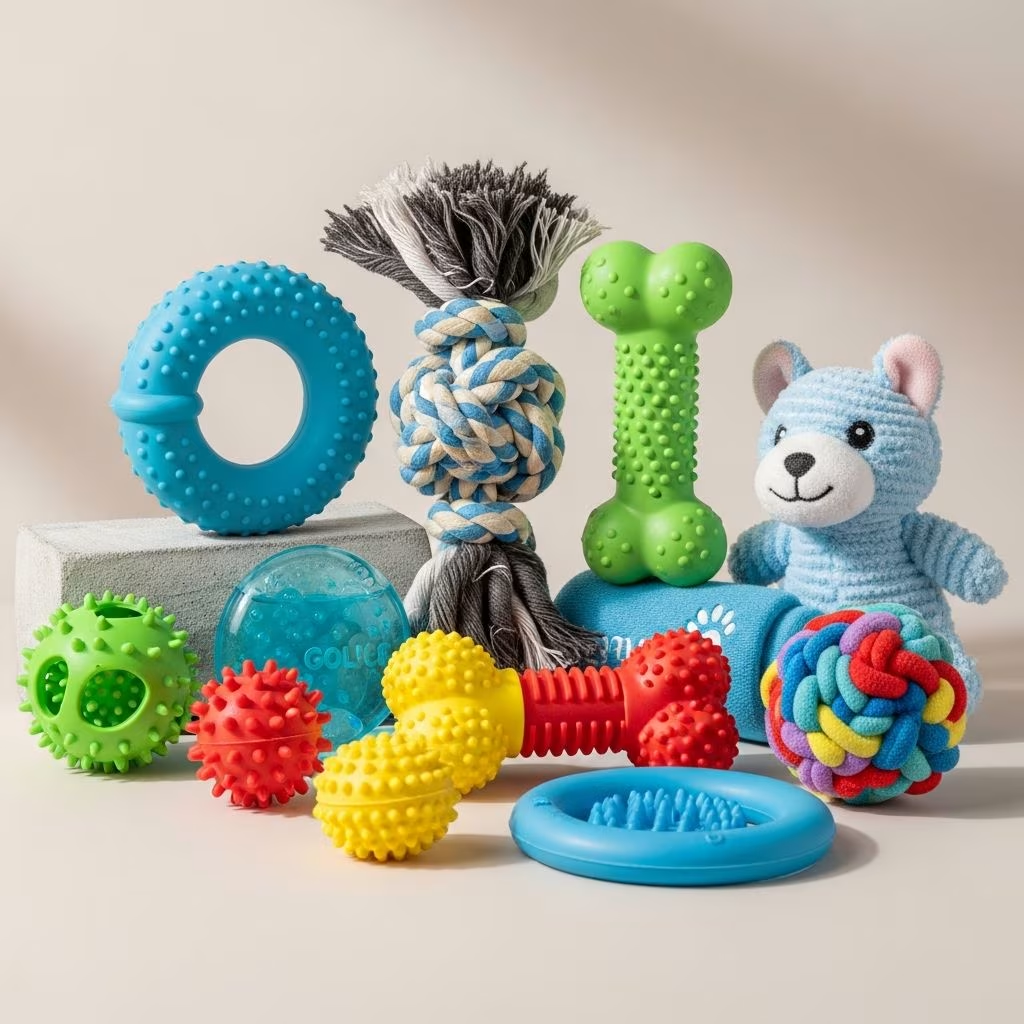
Puppies experience intense teething between 3 to 6 months, driving them to chew for gum relief and tooth eruption. Selecting appropriate toys redirects this instinct from household items to safe outlets, supporting oral health and behavior training.
Understanding Puppy Teething Challenges
Teething triggers discomfort from swelling gums and emerging adult teeth, pushing puppies to gnaw vigorously. This phase aids jaw strengthening but risks damaged furniture or ingestion hazards without guidance. Proper toys massage inflamed areas, reduce pain, and foster positive habits like chew redirection.
Benefits extend to mental stimulation, anxiety reduction, and plaque control through textured chewing. Veterinary input emphasizes supervision to avoid broken pieces causing blockages.
Key Features of Effective Teething Toys
Ideal toys balance durability, safety, and appeal. Prioritize these traits:
- Material Safety: Non-toxic rubber or soft nylon flexes under pressure, avoiding tooth fractures from rigid items like antlers.
- Size Matching: Proportion to breed—large enough against swallowing, manageable for carrying.
- Texture Variety: Ridges or nubs soothe gums; avoid smooth surfaces lacking massage.
- Cleanability: Dishwasher-safe designs prevent bacteria buildup.
- Durability Test: Withstand puppy bites without shredding.
Test flexibility by pressing a fingernail into the surface; it should yield slightly.
Top Categories of Teething Toys
Diverse options suit varying preferences and stages. Here’s a breakdown:
| Type | Best For | Key Benefits | Safety Notes |
|---|---|---|---|
| Rubber Chews | Gum massage, daily use | Bouncy, freezable for cooling relief; infused scents engage interest | Check for BPA-free; supervise initially |
| Nylon Bones | Moderate chewers | Long-lasting, gentle on new teeth | Not too hard; discard if splintering |
| Textured Balls | Active play, fetch | Spikes stimulate; promotes exercise | Size prevents choking |
| Rings & Loops | Transition to adult teeth | Dual-layer for grip; soothes transitioning gums | Inspect for wear |
| Frozen Treat Holders | Intense discomfort | Numbs pain like human baby toys | Use puppy-safe fillings |
Safety Guidelines from Veterinary Experts
Vets at facilities like North Keller Animal Hospital stress toys designed for puppy dentition: soft yet resilient. VCA Hospitals warn against overly firm products risking enamel cracks, recommending bendable items and constant monitoring. American Kennel Club endorses nylon/rubber for endurance without harm.
- Supervise all sessions; remove frayed toys promptly.
- Match to breed size—small for toys, larger for giants.
- Avoid real bones or hooves; synthetic safer.
- Rotate toys to sustain interest and even wear.
Enhancing Toys for Maximum Relief
Boost effectiveness with simple hacks:
- Freezing: Wet and freeze for numbing effect on sore spots.
- Scent Infusion: Puppy-safe flavors like peanut butter keep engagement high.
- Treat Stuffing: Kong-style toys hold kibble or pastes, merging chew with reward.
- Training Integration: Use during sessions to teach “take” and “drop” commands.
These methods not only alleviate pain but build owner-puppy bonds through interactive play.
Addressing Common Teething Behaviors
Puppies may target shoes or hands; provide 5-10 toys for choice, praising appropriate selections. If destructive persists, consult vets for underlying issues like nutritional gaps. Track progress: reduced crying and calmer nights signal success.
Long-Term Dental and Behavioral Gains
Beyond relief, consistent chewing cleans teeth, curbs tartar, and develops jaw power. It channels energy positively, minimizing separation anxiety or boredom-induced destruction. Transition gradually to adult toys as milk teeth shed around 7 months.
Frequently Asked Questions
How long does puppy teething last?
Typically 3-6 months, peaking at 16 weeks with full adult teeth by 7 months.
Are natural chews safe for teething?
Opt for soft, digestible ones; avoid hard naturals like antlers.
Can I microwave teething toys?
No—stick to freezing; heat risks material breakdown.
What if my puppy swallows a piece?
Monitor for vomiting or lethargy; seek vet if symptoms appear.
How often to replace toys?
Inspect weekly; replace when teeth marks deepen or pieces loosen.
Building a Teething Toy Collection
Start with 3-5 versatile pieces covering chew, fetch, and soothe. Budget options from reputable makers ensure value. Observe preferences—some favor squeakers, others silence—and adjust accordingly. This investment protects home while nurturing a happy, healthy pup.
References
- Benefits of Chew Toys for Dogs: Transform Health and Well-Being — Bew Dogs. 2023. https://bewdogs.co.uk/blog/benefits-of-chew-toys-for-dogs/
- Vet-Safe Toys for Puppies — North Keller Animal Hospital. 2024. https://northkellervet.com/vet-safe-toys-for-puppies/
- Toys for Teething Puppies: The Best Chew Toys for Comfort and Relief — Playology Pets. 2023. https://playologypets.com/blogs/tips-tricks/toys-for-teething-puppies-the-best-chew-toys-for-comfort-and-relief
- Dos and Don’ts of Puppy Teething Toys — VCA Animal Hospitals. 2024. https://vcahospitals.com/pediatric/puppy/prep-supplies/puppy-teething-toys
- The Benefits of Using Puppy Teething Rings During Training — The Better Bone. 2023. https://thebetterbone.com/blogs/news/the-benefits-of-using-puppy-teething-rings-during-training
- Which Dog Toys Are Right for Your Puppy? — American Kennel Club. 2025-03-01. https://www.akc.org/expert-advice/puppy-information/best-puppy-toys/
- The Best Puppy Chews for Teething Relief and Safe Play — Dog Chits. 2024. https://dogchits.com/blogs/news/the-best-puppy-chews-for-teething-relief-and-safe-play



