

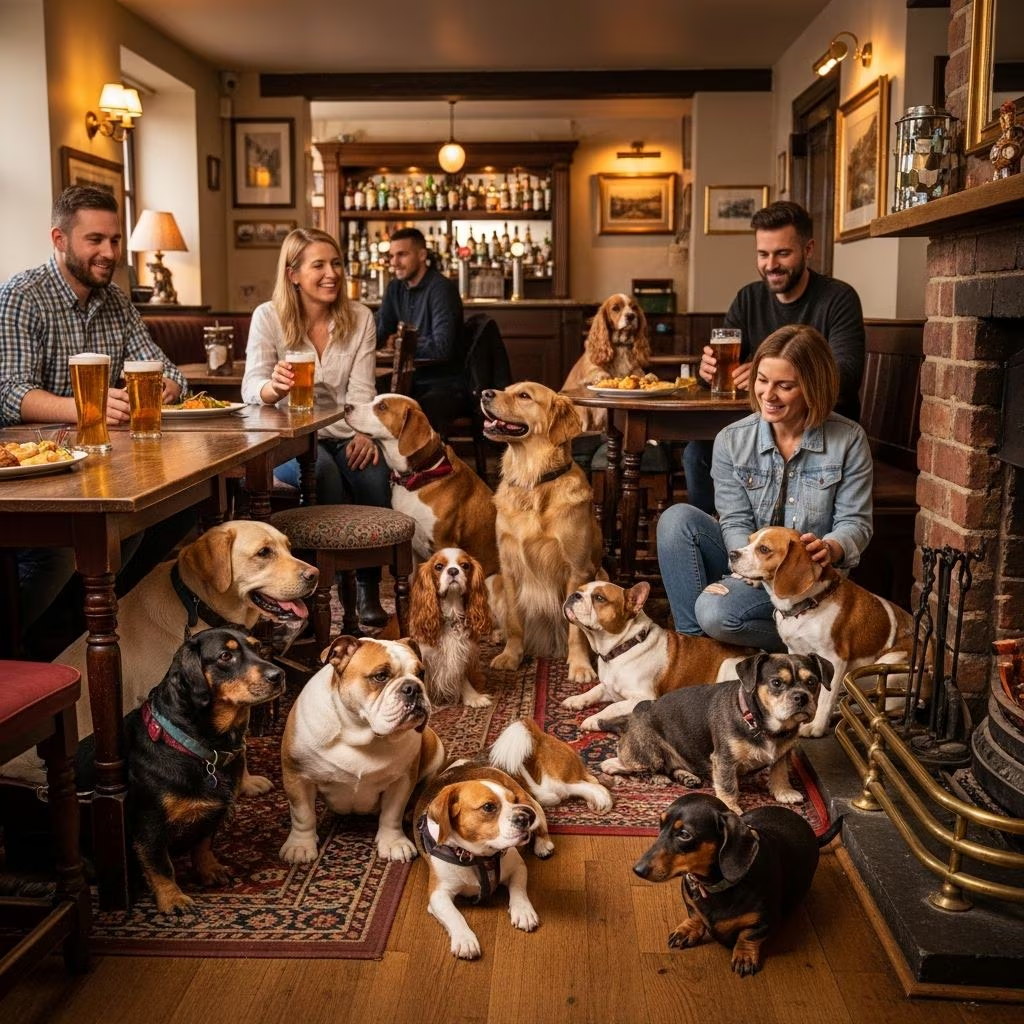
10 Best Pub Dog Breeds for Your Next Outing
Planning a trip to your local pub but wondering if you should bring your furry friend along? While the decision to adopt a dog should never be based solely on pub compatibility, some breeds are naturally better suited to social environments than others. This guide explores ten dog breeds that excel as pub companions, though it’s important to remember that individual personality traits vary significantly within breeds. Each dog is unique, and the best approach is to observe your own pet’s behaviour and adapt accordingly.
Why Choose a Pub-Friendly Dog Breed?
Taking your dog to the pub can be a wonderful social experience for both you and your pet. Dogs that are naturally friendly, adaptable, and calm in busy environments tend to enjoy pub visits more than anxious or hyperactive breeds. The right pub dog should be comfortable around strangers, able to settle down calmly, and not easily startled by noise or movement. Before heading to any pub with your dog, ensure they’re well-exercised and that your chosen venue welcomes dogs and has adequate space.
1. Poodle
Poodles are intelligent, trainable dogs that adapt well to various social situations, making them excellent pub companions. Available in standard, miniature, and toy sizes, they offer flexibility depending on your pub environment. Their keen intelligence means they respond well to commands and can settle calmly in busy settings. Poodles are also hypoallergenic, making them suitable for pubs with diverse clientele. Their elegant appearance often draws admiration, and their balanced temperament ensures they won’t become overwhelmed by pub activity. However, ensure they receive adequate mental stimulation before your visit, as boredom can lead to restlessness.
2. Labrador Retriever
Labrador Retrievers are renowned for their friendly, outgoing nature and genuine love of human interaction. These dogs are nearly as fond of strangers as they are of their owners, making them naturally sociable pub companions. Labs are exceptionally patient and adaptable, willing to settle contentedly by your side while you enjoy your drink. Their eagerness to please and responsiveness to training make them reliable in public settings. They’re particularly excellent if you’re looking to meet new people, as their approachable demeanor naturally invites conversation. To ensure your Lab is calm at the pub, take them for a long walk beforehand so they’re suitably tired and relaxed.
3. Bassett Hound
Bassett Hounds possess a naturally calm and laid-back temperament that suits pub environments perfectly. Their low-to-the-ground build and typically friendly disposition make them appealing to other pub-goers. These hounds are generally content to lounge on the floor beside you, requiring minimal interaction while you socialise. Their gentle nature means they’re unlikely to cause disruptions, and their distinctive appearance often becomes a conversation starter. However, Bassett Hounds can be stubborn, so early training is beneficial. Their drooping ears and soulful eyes give them an irresistible charm that endears them to fellow patrons.
4. Cavalier King Charles Spaniel
Cavalier King Charles Spaniels are small, affectionate dogs that take pub visits in their stride with remarkable composure. Their kind and loyal nature, combined with their manageable size, makes them ideal for various pub settings. These spaniels are small enough to snuggle on your lap, fit comfortably in a dog carrier bag, or sit contentedly beside you while you watch the world go by. Their even temperament and docile behaviour around children and other animals mean they can handle most pub scenarios with ease. However, Cavaliers can be prone to separation anxiety, so it’s wise to have a companion who can order drinks while your dog remains comfortable with you. Their affectionate nature ensures they’ll be happy simply being in your presence.
5. Greyhound
Well-trained Greyhounds adapt remarkably well to pub environments, demonstrating impressive composure in busy social settings. However, rescue Greyhounds or puppies may require special consideration due to their strong hunting instincts. When visiting a pub with a younger or newly-rescued Greyhound, consider securing their lead to the table leg to prevent them from chasing smaller dogs, birds, or squirrels that might attract their prey drive. Once properly trained and socialised, Greyhounds become excellent, unobtrusive companions. Their calm demeanor and typically quiet nature make them well-suited to indoor pub spaces. Their sleek appearance and gentle disposition often make them favourites among pub regulars.
6. Dachshund
Dachshunds are affectionate lap dogs with a deep love for their owners and an adventurous spirit that makes pub visits exciting for them. These little dogs are easy to transport in a stylish dog carrier bag, providing both convenience and a fashionable accessory. Their compact size means they won’t take up much space, and their charming appearance virtually guarantees they’ll attract attention and spark conversations with other pub patrons. However, despite their small stature, Dachshunds possess significant energy and a strong-willed personality. To ensure a calm, bark-free experience, provide plenty of playtime and a lengthy walk before your pub visit. Their determination and boldness mean they’re never afraid to make themselves known, so preparation is key for an enjoyable outing.
7. Golden Retriever
Golden Retrievers are sociable, devoted, and remarkably intelligent dogs that seem capable of thriving in virtually any situation, including pub environments. These friendly dogs genuinely love meeting people and will happily bound around the pub, making new friends among patrons and other dogs alike. Golden Retrievers are well-behaved, responsive to commands, and eager to please their owners, making them reliable in social settings. Their gentle nature and patience with both adults and children make them universally loved. To keep your Golden Retriever engaged during your visit, bring a chew toy or a treat-filled Kong to occupy them during quieter moments. Their combination of intelligence, friendliness, and obedience makes them one of the best choices for pub outings.
8. Border Terrier
Border Terriers are fun-loving, excitable dogs who are simply happy to be wherever their owners are. These adaptable and versatile companions are known for their friendliness toward children and other animals, creating win-win situations in pub settings. Border Terriers demonstrate a genuine enthusiasm for whatever activity their owner is engaged in, including a casual pub visit. However, these energetic dogs are less likely to sleep peacefully while you socialise, preferring to stay engaged and active. Border Terriers are particularly well-suited to country pubs with outdoor space where they can burn off some of their considerable energy. Their compact size and robust personality make them engaging companions that often become the heart of the gathering.
9. German Shepherd
German Shepherds are loyal, obedient dogs that make excellent pub companions when properly trained and socialised. These intelligent animals are unlikely to become bored if they’ve received adequate training and mental stimulation. A well-trained German Shepherd will happily watch over you at the pub, providing a reassuring presence. However, German Shepherds can appear intimidating to those unfamiliar with the breed, particularly around small children or other dogs. To ensure everyone feels comfortable, prioritise extensive socialisation to demonstrate that your German Shepherd is a friendly, well-mannered companion. Due to their size, German Shepherds are best suited to pub gardens with ample seating and space rather than cramped indoor venues. Their protective nature and composure make them excellent choices for outdoor pub settings.
10. Staffordshire Bull Terrier
Staffordshire Bull Terriers are incredibly loving, gentle, and sweet-natured dogs that genuinely adore people, embodying the spirit of a true pub dog. These dogs seem born to be fixtures at their local, becoming familiar faces that everyone knows and loves. Staffies have an innate air of belonging in pub environments and thrive on being the centre of attention. Their deep affection for people and adaptable nature make them wonderful companions for social gatherings. These dogs love being doted on and appreciate the interaction that pub visits provide. Their reputation as gentle and devoted companions makes them perfect for owners who want a dog that’ll be welcomed and celebrated by their pub community.
Essential Tips for Taking Your Dog to the Pub
- Pre-Visit Exercise: Ensure your dog has been thoroughly exercised before your pub visit, ideally with a long walk. A tired dog is a well-behaved dog and more likely to settle calmly.
- Bring Refreshments: Always carry fresh water for your dog. Communal water bowls at pubs can harbour parasites and infectious diseases such as kennel cough and leptospirosis, so it’s safest to provide your own water supply.
- Choose the Right Venue: Select pubs that welcome dogs and have adequate space, whether indoors or in a garden area. Check ahead to ensure the venue is dog-friendly.
- Bring Entertainment: Pack chew toys or treat-filled Kongs to keep your dog engaged during your visit, preventing boredom and restlessness.
- Monitor Behaviour: Watch your dog’s body language closely. If they seem stressed, anxious, or overwhelmed, be prepared to leave early. Not every dog enjoys pub environments, and that’s perfectly acceptable.
- Socialisation Matters: Regardless of breed, well-socialised dogs are more likely to enjoy pub visits. Expose your dog to various people, animals, and environments during puppyhood and beyond.
- Know Your Dog: Remember that individual personalities vary greatly. Go at your dog’s pace and take your cues from their behaviour rather than assuming breed characteristics will apply universally.
Frequently Asked Questions
Q: Can I let my dog drink from communal water bowls at pubs?
A: No, it’s not recommended. Communal water bowls can harbour parasites and spread infectious diseases such as kennel cough, leptospirosis, and canine papilloma virus. Instead, bring your own fresh water from home.
Q: How long should I exercise my dog before taking them to the pub?
A: Take your dog for a long walk or vigorous play session before your pub visit. The exact duration depends on your dog’s breed and energy level, but aim to make them sufficiently tired so they’ll settle calmly.
Q: Are all dogs suited to pub environments?
A: No, not all dogs enjoy pubs. While certain breeds tend to be more adaptable, individual temperament is crucial. Anxious, reactive, or highly energetic dogs might find pubs stressful. Always observe your specific dog’s behaviour and preferences.
Q: What should I do if my dog becomes anxious at the pub?
A: If your dog shows signs of stress or anxiety, leave early. Signs include excessive panting, trembling, attempting to hide, or reactive behaviour. Your dog’s comfort and safety are more important than staying longer.
Q: Can I take a puppy or rescue dog to the pub?
A: Puppies and newly-adopted rescue dogs may not be ready for pub environments without proper training and socialisation. Spend time building their confidence in calmer settings first before introducing them to busy pub atmospheres.
Q: Are garden pubs better than indoor pubs for dogs?
A: Garden pubs generally offer advantages for dogs, including fresh air, more space to move around, and escape routes if they feel overwhelmed. However, many well-behaved, calm dogs do fine in smaller indoor spaces too.
References
- 10 Best Pub Dog Breeds — Kinship. 2024. https://www.kinship.com/uk/dog-lifestyle/best-pub-dogs
- Are Communal Water Bowls At the Pub Safe For Your Dog? — Kinship. 2024. https://www.kinship.com/uk/dog-health/communal-dog-water-bowl-safety
- Guidelines for Pet Health in Public Spaces — Royal Veterinary College. 2024. https://www.rvc.ac.uk



