

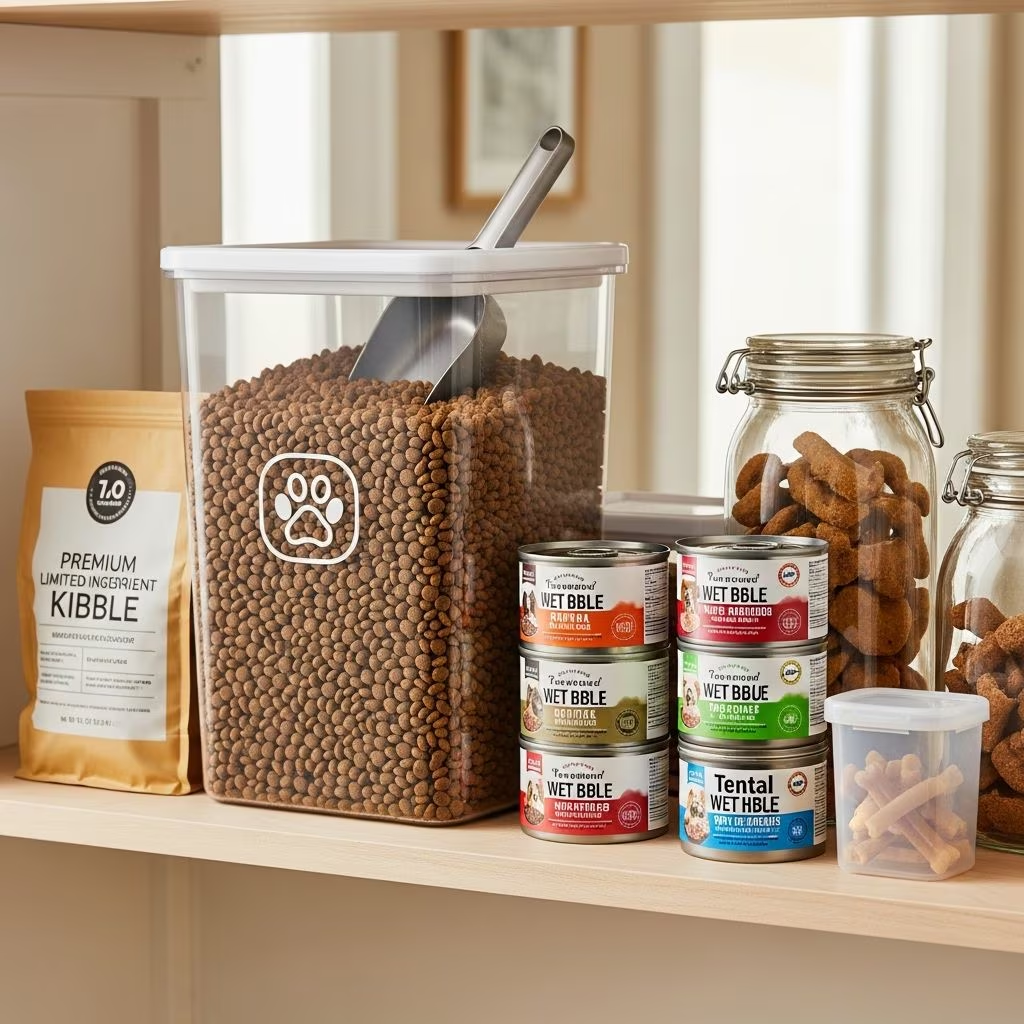
Best Practices for Proper Dog Food Storage
Proper dog food storage is a crucial aspect of pet care that many dog owners overlook. Whether you feed your furry companion dry kibble, wet canned food, or fresh meals, understanding how to store each type correctly ensures your dog receives optimal nutrition while minimizing waste. Storage mistakes can lead to nutritional degradation, bacterial contamination, mold growth, and pest infestations. By following expert-recommended storage practices, you can extend your dog’s food shelf life, maintain its nutritional integrity, and keep your pet healthy and happy.
Why Proper Dog Food Storage Matters
Storage plays a vital role in maintaining the quality and safety of your dog’s food. Understanding the importance of proper storage helps you make informed decisions about how to care for your pet’s nutrition.
- Preserves freshness and nutrients: Exposure to air, heat, and moisture can degrade essential vitamins and fats in dog food, reducing its nutritional value.
- Prevents spoilage: Improper storage conditions can lead to mold growth, rancidity, or bacterial contamination that could harm your dog.
- Keeps pests away: Rodents, insects, and other pests can be attracted to improperly sealed food, creating health risks for your pet.
- Reduces food waste: Storing food correctly helps extend its shelf life, allowing you to use the entire bag before it expires.
- Keeps it tasty: Stale or spoiled food may become unappetizing to your pet, potentially leading to reduced appetite.
How To Store Dry Dog Food
Dry dog food, or kibble, requires specific storage considerations because it is particularly vulnerable to environmental factors. Air, moisture, and high temperatures all affect kibble once a bag has been opened, making proper storage essential for maintaining its quality.
Seal Your Bag
The U.S. Food and Drug Administration (FDA) and dog food companies recommend sealing your dog food bag to minimize its exposure to air and moisture, which can contaminate your dog food with bacteria. When a bag of kibble is opened and left exposed, oxygen begins breaking down the oils that coat the kibble, leading to oxidation and rancidity. To seal your dog food bag properly, roll down the sides tightly and use a bag clip to close the opening securely. This simple step can significantly extend the freshness of your dog’s food.
Use Airtight Dog Food Storage Containers
For protection against contaminants, veterinarians recommend using airtight plastic or stainless steel pet food containers. According to Katy Nelson, DVM, a Chewy veterinarian, “Dry dog food is extruded and then sprayed with oils that start to break down and go rancid once the food is exposed to air, so kibble needs to be kept in an airtight container.” Stainless steel containers are often preferred for easier cleaning and longer-term durability compared to plastic alternatives. Look for containers that feature secure sealing mechanisms and are made from BPA-free materials to ensure your dog’s safety.
Store the Bag Inside in an Airtight Container
For maximum freshness, the Association of American Feed Control Officials (AAFCO) recommends storing the whole bag of dog food inside an airtight dog food storage container. The original bag provides an added barrier that helps seal in fats and oils to prevent them from becoming rancid. This two-layer approach offers superior protection compared to using a container alone, as the original packaging is specifically designed to preserve freshness during manufacturing and shipping.
Clean Containers Between Refills
Always thoroughly wash out your storage container between refills with hot, soapy water or white vinegar. The oils from the kibble tend to accumulate on container surfaces, and if not properly cleaned, rancid oil from the old bag can contaminate fresh food. After washing, rinse and dry the container completely before refilling. This hygiene practice prevents bacterial growth and maintains the quality of your new food supply.
Store in a Cool, Dry Place
Store all unopened and opened bags of kibble in a dry place where the temperature is less than 80 degrees Fahrenheit, according to the FDA. Moisture can lead to mold growth, and high temperatures can speed up the degradation process, causing the nutrients within the food to break down more rapidly. Avoid storing your dry dog food in places where temperatures can exceed 100 degrees Fahrenheit, like a garage or shed during summer months. Instead, choose an interior pantry, closet, or climate-controlled storage area.
How To Store Wet Dog Food
Wet dog food requires different storage considerations than dry kibble because of its high moisture content and the presence of meat and other perishable ingredients. Proper handling after opening is essential to prevent bacterial growth and spoilage.
Seal It Tightly
Cover opened wet dog food with a can cover and/or plastic wrap to ensure freshness and prevent contamination. Silicone can covers are excellent options as they are reusable, easy to clean, and provide a secure seal. For fresh or frozen foods packaged in tubes, veterinarians recommend wrapping the open end in foil and securing it with a rubber band. This method can keep the food fresh for up to one week in the refrigerator.
Keep It in the Fridge
Unfinished canned food should be stored in a refrigerator to slow bacterial growth and prevent spoilage. At proper refrigerator temperatures between 35-40 degrees Fahrenheit, opened wet dog food can last for three to five days. However, before feeding the opened dog food to your pup, take a good look at it. If it appears watery, has changed in smell, or has an altered texture, throw it out immediately. These signs indicate bacterial contamination or spoilage.
How To Store Fresh Dog Food
Fresh dog food, whether homemade or commercially prepared, offers excellent nutritional benefits but requires careful storage due to its perishable nature. Fresh food should be treated similarly to wet food in terms of refrigeration and freezing practices.
Refrigerator Storage
Fresh dog food should continue to be refrigerated between 35-40 degrees Fahrenheit after opening, as it typically comes refrigerated from the manufacturer. Fresh dog food should be consumed within three to four days of opening if kept in the fridge. Store it in a separate, solid-sided airtight container to preserve its taste and prevent spoilage.
Freezer Storage
You can portion out servings of fresh dog food into bags and freeze at 0 degrees Fahrenheit or below for later use. Fresh dog food stored in the freezer can last for up to three months, providing you with convenient meal options for your pet. When ready to use, thaw the food in the refrigerator rather than at room temperature to prevent bacterial growth.
Can You Freeze Dog Food?
Yes, you can freeze both wet and dry dog food to help preserve it longer and extend its shelf life. Make sure frozen food is stored in an airtight bag or container to prevent freezer burn and oxidation. Frozen dog food can last between six to nine months when stored properly at 0 degrees Fahrenheit or below. Freezing is an excellent strategy for bulk storage and can help you save money by purchasing larger quantities when sales occur.
Best Dog Food Storage Containers
Selecting the right storage container is fundamental to maintaining your dog’s food quality. The best dog food containers share several key characteristics that make them ideal for food preservation.
| Container Type | Advantages | Disadvantages | Best For |
|---|---|---|---|
| Stainless Steel | Durable, easy to clean, long-lasting, doesn’t retain odors, non-reactive | More expensive, heavier | Long-term storage, frequent use |
| Plastic (BPA-Free) | Affordable, lightweight, various sizes available, easy to store | Can retain odors and stains, may scratch over time, less durable | Budget-conscious pet owners, smaller quantities |
| Glass | Non-reactive, easy to see contents, doesn’t retain odors | Breakable, heavier, can be expensive | Premium storage, if budget allows |
Look for containers with secure sealing mechanisms that create an airtight seal. The container should be hard-sided to provide maximum protection and prevent crushing. Choose a size appropriate for your dog’s food quantity, ensuring you can store an entire bag if possible. Ensure the container is easy to clean between refills, either by hand or in the dishwasher for added convenience.
Signs Your Dog’s Food May Be Spoiled
Regular inspection of your dog’s food helps you identify spoilage before it causes health problems. Learn to recognize the warning signs that indicate food should be discarded immediately.
- Unusual odor: Any rancid, sour, or musty smell indicates spoilage or contamination.
- Discoloration: Changes in color or the appearance of dark spots may indicate mold or bacterial growth.
- Change in texture: Clumping, moisture, or an overly soft or hard consistency suggests improper storage or contamination.
- Visible mold: Any fuzzy growth or discoloration indicating mold should result in immediate disposal.
- Pest evidence: Droppings, insects, or other signs of pest activity warrant discarding the entire batch.
Dog Food Shelf Life Guidelines
Understanding how long different types of dog food remain fresh is essential for planning purchases and preventing waste.
- Unopened dry dog food: 12-18 months when stored properly in a cool, dry place
- Opened dry dog food: 4-6 weeks for maximum freshness and nutritional value
- Unopened canned food: Shelf-stable at room temperature according to package directions
- Opened canned food: 3-5 days when refrigerated properly
- Fresh dog food: 3-4 days in the refrigerator or up to 3 months in the freezer
- Frozen dog food: 6-9 months at 0 degrees Fahrenheit or below
Frequently Asked Questions
Q: Can I store dog food in a plastic container?
A: Yes, it is safe to store dog food in plastic containers. Plastic can be a great, economical choice for dog food storage. However, look for BPA-free plastic to reduce your pup’s exposure to potentially harmful chemicals, and wash and dry the plastic container thoroughly between bags of food.
Q: Is it better to keep dog food in a bag or a container?
A: It is best to keep dog food in an airtight, solid-sided container to keep it fresh and safe from spoilage. For maximum protection, store the original bag inside the airtight container. This two-layer approach provides superior preservation of the food’s nutritional value and freshness.
Q: How long can I keep opened dry dog food fresh?
A: Once opened, dry kibble is best used within 4-6 weeks for maximum freshness and nutritional value. Even in a quality storage container kept in optimal conditions, the food gradually loses its nutritional potency over time.
Q: Can Purina ONE be stored in the refrigerator?
A: Purina ONE dry dog food does not require refrigeration. Store it in a cool, dry place in its original bag and/or an airtight container. For Purina ONE wet food, unopened cans can be kept at room temperature, while opened cans should be refrigerated and used within five days.
Q: What temperature should I store dog food at?
A: Store dry dog food in a location where the temperature stays below 80 degrees Fahrenheit. Avoid storage areas where temperatures exceed 100 degrees Fahrenheit. For wet and fresh dog food, maintain refrigerator temperatures between 35-40 degrees Fahrenheit, or freeze at 0 degrees Fahrenheit or below.
Q: Why does my dog’s food smell rancid?
A: Rancid smell indicates that the fats and oils in the kibble have oxidized due to exposure to air, heat, or moisture. This occurs when food is not stored in an airtight container or when the storage environment is too warm or humid. Discard food with a rancid odor and switch to an airtight container in a cooler location.
Q: Is it safe to store dog food in a garage or shed?
A: It is not recommended to store dog food in a garage or shed because these locations often experience temperature extremes, particularly in summer when temperatures can exceed 100 degrees Fahrenheit. High heat accelerates nutrient degradation and increases the risk of spoilage. Choose an interior pantry, closet, or climate-controlled storage area instead.
Conclusion
Proper dog food storage is a simple yet essential aspect of pet care that directly impacts your dog’s health and nutrition. By implementing these best practices—using airtight containers, maintaining appropriate temperatures, cleaning containers thoroughly, and monitoring for signs of spoilage—you ensure that your dog receives fresh, nutritious meals every time. Whether you feed dry kibble, wet food, or fresh meals, following these expert-recommended storage guidelines will help you maintain food quality, reduce waste, and keep your beloved companion healthy and happy. Take the time to invest in quality storage containers and establish good storage habits today for your dog’s benefit tomorrow.
References
- Best Practices for Proper Dog Food Storage — Chewy Education. 2024. https://www.chewy.com/education/dog/food-and-nutrition/best-practices-for-proper-dog-food-storage
- How To Store Dog Food — PetMD. 2024. https://www.petmd.com/dog/nutrition/how-to-store-dog-food
- Dog Food Storage & Accessories — Chewy. 2024. https://www.chewy.com/b/dog-food-storage-341
- Food Storage Guidelines — U.S. Food and Drug Administration (FDA). 2024. https://www.fda.gov/food
- The Ultimate Guide to Dog Food Storage Containers — Earthborn Holistic Pet Food. 2024. https://www.earthbornholisticpetfood.com/blog/dog-cat-tips/the-ultimate-guide-to-dog-food-storage-containers/



