

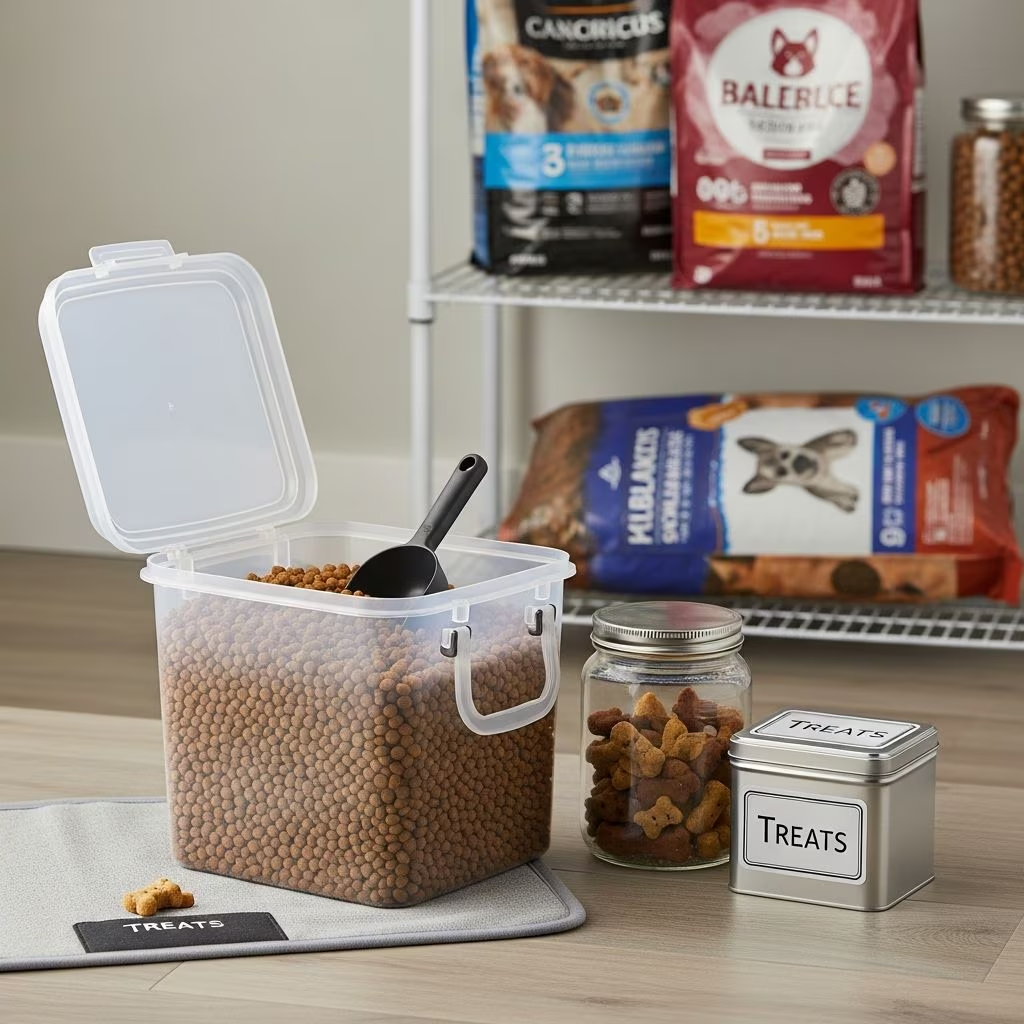
Proper storage of dog food is crucial to maintaining its nutritional value, flavor, and safety. Whether dealing with dry kibble, canned varieties, or raw diets, incorrect handling can lead to oxidation, bacterial growth, or pest infestations, compromising your dog’s health. This comprehensive guide outlines effective strategies drawn from veterinary and pet nutrition expertise to help you store food optimally.
Understanding Why Storage Matters for Dog Nutrition
Dog food contains essential fats, proteins, and vitamins that degrade when exposed to air, heat, light, or moisture. Oxidation of fats, particularly polyunsaturated ones in poultry or fish formulas, causes rancidity, reducing palatability and potentially harming your pet’s digestive system. Moisture promotes mold, while pests introduce contaminants. By following best practices, you extend shelf life post-opening from weeks to months, ensuring every meal delivers maximum benefit.AVMA guidelines emphasize cool, dry conditions below 80°F to safeguard dry pet food.
Selecting the right bag size based on your dog’s consumption rate minimizes waste. Small breeds may need 5-15 lb bags, while large ones suit 30+ lb options, used within 4-6 weeks of opening to avoid degradation.PetMD recommends checking expiration dates and sealing tightly after each use.
Optimal Conditions for Dry Kibble Storage
Dry dog food, the most common type, requires protection from environmental factors. Store unopened bags in a pantry away from sunlight, ovens, or humid areas like laundry rooms. Ideal temperature is under 80°F (27°C), with low humidity to prevent fat rancidity and vitamin loss. Hill’s Pet Nutrition specifies under 100°F (38°C) for their formulas to avoid accelerated degradation.Hill’s Pet
- Maintain consistent cool temperatures to slow oxidation.
- Elevate bags off the floor using shelves or pallets to deter pests and absorb stray moisture.
- Avoid garages or outdoor sheds due to temperature fluctuations.
Preserving Kibble in Its Original Packaging
Manufacturer bags feature specialized liners with grease-resistant properties and oxygen barriers that plastic bins lack. Transferring kibble exposes it to plastic chemicals that leach into fatty components, per Whole Dog Journal insights cited in pet storage guides. Instead, place the entire bag inside a larger airtight container.
| Storage Method | Pros | Cons |
|---|---|---|
| Original Bag Only | Retains built-in protections; cost-effective | Less convenient for scooping; prone to tears |
| Bag Inside Container | Combines protection and pest-proofing | Requires larger container space |
| Direct to Plastic Bin | Easy access | Risk of chemical migration and bacteria |
Volhard Dog Nutrition advises this hybrid approach for premium kibble, noting microscopic scratches in plastics harbor residues.Volhard
Shelf Life Guidelines After Opening
Once opened, kibble’s freshness window narrows due to air exposure. Experts vary slightly: Volhard suggests 2-3 weeks, Nature’s Logic up to 2 months, and Loyal Biscuit around 6 weeks if clipped properly. To play safe, aim for 4 weeks maximum, buying appropriately sized bags. Seal with clips, rubber bands, or the bag’s zipper after each serving.
- Small dogs (under 20 lbs): Use 5-15 lb bags.
- Medium (20-50 lbs): 15-30 lb bags.
- Large (50+ lbs): 30-40 lb bags.
Monitor for off odors, discoloration, or clumping as spoilage signs.
Choosing the Right Storage Containers
Airtight containers enhance preservation when used correctly. Prioritize food-grade, BPA-free materials that resist odors and scratches.
- Stainless Steel: Durable, non-porous, recyclable; ideal for long-term use.
- Glass: Transparent, non-toxic, easy to sanitize; heavy but stylish.
- Ceramic: Attractive, sturdy; check for airtight seals.
- Plastic: Affordable, lightweight; select high-quality, thick-walled BPA-free only.
Earthborn Holistic recommends airtight seals for freshness and pest control. Clean monthly for dry food, more often for others, washing with hot soapy water and drying fully.Earthborn
Handling Wet and Canned Dog Food
Unopened cans store at 50-100°F in stable environments. Avoid freezing, as it alters texture. Post-opening, refrigerate covered portions up to 5-7 days using plastic lids, foil, or transfer to glass/pyrex. PetMD suggests fridge storage for up to a week or freeze meal-sized aliquots for months, thawing in fridge.PetMD
Hill’s advises against garage storage for cans due to uncontrolled temps, and using lids to block odors and moisture loss.
Special Considerations for Raw and Fresh Diets
Raw food demands rigorous hygiene to prevent bacterial proliferation like Salmonella. Refrigerate prepared meals 2-3 days at 40°F or below; freeze portions labeled by date for 3-6 months. Thaw overnight in fridge, discarding leftovers. Vacuum sealing removes air, curbing freezer burn and oxidation—Volhard endorses this for bulk raw storage.
- Portion before freezing to match daily needs.
- Use separate cutting boards/tools for raw prep.
- AVMA stresses prompt refrigeration of moist foods.AVMA
Pest Prevention and Hygiene Protocols
Pests thrive on pet food; airtight containers and elevation thwart them. Inspect bags for tears monthly. Wash containers between bags to eliminate mites or mold—Loyal Biscuit warns of cross-contamination risks. Store away from human food to avoid allergen transfer.
Advanced Techniques for Bulk Buyers
For multi-bag purchases, vacuum seal extras before opening, storing in cool, dark places. Rotate stock: first in, first out. Some use oxygen absorbers in mylar bags for extended unopened life, though not necessary for standard kibble.
Common Storage Mistakes to Avoid
- Leaving food in bowls overnight—discard uneaten portions daily.
- Storing near heat sources, accelerating rancidity.
- Using thin zip bags without fat barriers.
- Ignoring cleaning, fostering bacteria.
FAQs on Dog Food Storage
How long does opened kibble last?
Typically 4-6 weeks in proper conditions; check for rancid smells.
Can I store dog food in the fridge?
Dry kibble no, due to moisture; wet/raw yes, refrigerated promptly.
What’s the best container material?
Stainless steel or glass for durability and safety.
Does freezing kibble ruin it?
Avoid for dry food; it absorbs moisture upon thawing.
How to tell if dog food is spoiled?
Look for oiliness, mold, pests, or foul odor—discard immediately.
References
- Safe handling of pet food and pet treats — American Veterinary Medical Association (AVMA). 2023. https://www.avma.org/resources-tools/pet-owners/petcare/safe-handling-pet-food-and-pet-treats
- 7 Ways To Keep Your Pet’s Food Fresh and Safe — PetMD. 2024. https://www.petmd.com/nutrition/how-to-store-pet-food
- Tips on How to Store Your Dog or Cat Food Properly — Hill’s Pet Nutrition. 2023. https://www.hillspet.ca/en-ca/pet-care/nutrition-feeding/cat-and-dog-food-storage-tips
- 8 Ways to Properly Store Your Dog’s Food — Volhard Dog Nutrition. 2024. https://www.volharddognutrition.com/8-ways-properly-store-dog-food
- The Ultimate Guide to Dog Food Storage Containers — Earthborn Holistic Pet Food. 2023. https://www.earthbornholisticpetfood.com/blog/dog-cat-tips/the-ultimate-guide-to-dog-food-storage-containers/



