

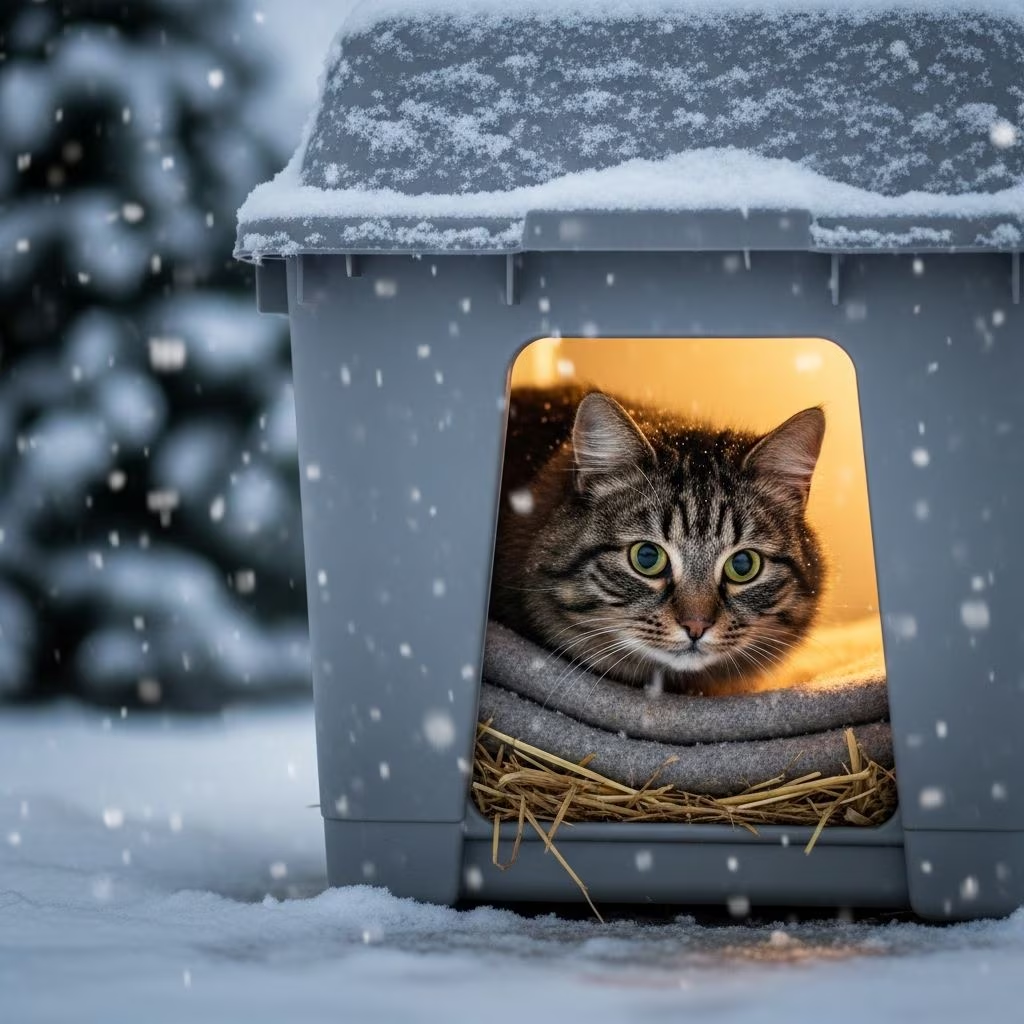
Best Practices for Feral Cat Care in Winter
Winter presents significant challenges for feral cats living outdoors. While these resilient animals develop thicker coats during fall months, they cannot survive extreme cold without proper support and resources from their human caretakers. Understanding and implementing best practices for winter feral cat care is essential to prevent illness, injury, and mortality among outdoor cat colonies. This comprehensive guide covers everything you need to know to help feral cats thrive during the coldest months of the year.
Understanding Feral Cat Winter Challenges
Feral cats face multiple challenges during winter that can threaten their survival. Beyond the obvious cold temperatures, these challenges include limited access to liquid water, reduced availability of food sources, increased energy requirements to maintain body heat, and exposure to hazardous weather conditions including ice, snow, and wind. Additionally, feral cats may seek shelter in dangerous locations such as under vehicle hoods or in warm engine compartments, putting them at risk of injury. By providing proper shelter, nutrition, and water, you can significantly improve their chances of surviving winter safely.
Building Effective Winter Shelters
Shelter Design Fundamentals
An effective winter shelter for feral cats must be insulated, waterproof, elevated off the ground, and positioned to minimize wind exposure. The most successful designs use two storage bins nested together with insulation material between them. This dual-bin approach creates an air pocket that traps body heat while allowing cats to maintain their natural body temperature. Cut an opening in the short side of both bins and the insulation material to create an entrance, then invert the bins and fill them with straw bedding. This simple yet effective design can be constructed quickly and affordably using materials available at most hardware stores.
Critical Shelter Features
Proper elevation is crucial for winter shelters. Raising shelters off the ground using wooden shipping pallets or similar materials prevents moisture from seeping up from snow and ice. Angle the front of the shelter box away from prevailing wind direction to reduce direct wind exposure. Position the entrance on the side facing away from dominant winds. If possible, add a door flap made from plastic or rubber to help retain heat while still allowing easy access for the cats. Clear paths leading to and from shelters so cats can navigate safely without becoming trapped or disoriented by accumulated snow.
Bedding Materials: What Works and What Doesn’t
The type of bedding material you use directly impacts shelter effectiveness and cat safety. Straw is the gold standard for feral cat shelter bedding because it provides excellent insulation, repels moisture, and maintains its insulating properties even when slightly damp. The phrase “hay is for horses, straw is for strays” reflects this distinction perfectly. Hay, by contrast, becomes moldy when wet and absorbs water, creating a damp environment where cats can lose body heat dangerously. Never use blankets, towels, or carpets in winter shelters. These materials absorb moisture and retain dampness, which can lower a cat’s body temperature and create conditions for hypothermia and illness.
Shelter Placement and Maintenance
Optimal Positioning
Location significantly affects shelter effectiveness. Aim for full southern exposure whenever possible to maximize solar heat gain during daylight hours. Position feeding stations separately from sleeping areas to prevent food odors from attracting predators or unwanted animals to the shelter. Surround shelters with straw bales, which provide additional insulation—research shows that straw insulation can reduce heating costs by up to 75 percent, demonstrating its remarkable insulating properties. Consider solar-warmed feeding stations positioned at a distance from shelters to encourage cats to move around and maintain circulation while still having access to warmth and food.
Regular Monitoring and Maintenance
Check shelters regularly throughout winter, ideally before major weather events. Clear accumulated snow and ice from shelter entrances and surrounding areas to maintain access. During severe weather forecasts, stock shelters with extra bedding and ensure all waterproofing is intact. Check temperature inside shelters occasionally—on mild winter days, solar-heated shelters can sometimes become too warm, so ventilation considerations are important. Clear any paths where snow blocks access and inspect for water leaks or moisture infiltration.
Winter Feeding Strategies
Food Selection and Nutrition
Winter feeding requires different approaches than warm-weather feeding. Always provide dry cat food during winter months, as wet or canned food freezes in cold temperatures and becomes inedible. Supplement adult food with kitten formula dry food, which contains additional calories and nutrients necessary to maintain body heat and energy levels during cold weather. The extra calories in kitten food help feral cats meet their increased metabolic demands for thermoregulation. Feed daily during winter, and consider increasing feeding frequency to twice daily if possible and safe to do so.
Feeding Station Design
A properly designed feeding station protects both food and cats from the elements. Build a simple partially enclosed structure with a roof and sides that shields food from rain, snow, and wind. Ensure the floor is elevated off the ground using shipping pallets or similar materials to keep paws warmer and protect food from moisture. A Rubbermaid storage bin with the top removed works efficiently as a feeding station because of its ease of cleaning and quick assembly. Position the feeding station so it receives some sun exposure when possible, which helps keep food from freezing and provides incidental warmth.
Managing Food and Weather Challenges
Before major snowstorms or cold snaps, top off food supplies in shelters and feeding stations. Prior severe weather prevents caretakers from visiting colonies, so planning ahead ensures cats have adequate food during dangerous conditions. Keep feeding areas clean to maintain cat health and reduce disease transmission. Remove any uneaten food after one hour to prevent spoilage and contamination, though this may be challenging during extreme weather. Always have backup food supplies stored safely for emergency feeding situations.
Providing Fresh Water in Winter
The Challenge of Frozen Water
Water access becomes critical and challenging during winter. Feral cats have reduced natural water sources, as most outdoor water freezes solid in cold temperatures. Dehydration is a serious winter risk for outdoor cats, making consistent water provision essential. Many colony caretakers underestimate the importance of water access, focusing primarily on food provision.
Water Bowl Selection and Strategies
Use deep rubber bowls or heated electric bowls specifically designed for outdoor pet use. Deep bowls maintain water longer than wide, shallow ones because they reduce surface area exposure to cold air. Heated electric bowls are excellent if electrical outlets are available near feeding stations. Position water bowls to receive some sun exposure when possible and shield them from wind by placing them inside small styrofoam coolers or other windbreaks. Change water twice daily, refilling with hot or warm water to both provide fresh water and reduce freezing time. If changing water twice daily isn’t possible, prioritize morning and evening refills.
Emergency Water Solutions
In extreme cold or during storms when you cannot access the colony, ensure backup water sources are available. Some caretakers use heated water bowls on timers to provide periodic fresh water. Others leave multiple deep bowls filled with water, understanding that some will freeze but at least one might remain partially accessible. Planning for weather that prevents your visits ensures cats have emergency water access during your absence.
Nutrition and Caloric Needs
Winter significantly increases feral cats’ caloric requirements because their bodies must work harder to maintain core body temperature. A feral cat that requires 200 calories daily during mild weather may need 400-500 calories in harsh winter conditions. Providing kitten formula dry food supplemented with adult food helps meet these increased nutritional demands. Monitor for signs of weight loss, which indicates insufficient caloric intake. During particularly harsh winters, consider increasing food quantities or feeding frequency to ensure cats maintain adequate body condition.
Special Considerations for Young and Vulnerable Cats
Caring for Feral Kittens in Winter
While cats typically don’t give birth during cold months, it occasionally happens and requires special intervention. Kittens born during cold snaps face extreme danger if they’re under eight weeks old. If kittens are younger than three weeks, they must remain with their mother for survival, as bottle-fed kittens have extremely high mortality rates. Provide a warm nesting place inside a shelter for the mother and young kittens. Avoid trapping kittens during snow or when temperatures drop below 20 degrees Fahrenheit—wait for milder weather before attempting rescue or relocation.
Caring for Older and Sick Cats
Senior feral cats and those with existing health conditions face elevated winter risks. These cats may struggle to maintain body temperature or access food and water. Increase monitoring frequency for vulnerable individuals, and consider providing shelters specifically positioned for easier access if mobility is an issue.
Safety Hazards and Prevention
Vehicle-Related Dangers
One of the most dangerous winter situations for feral cats involves vehicles. Cats seek warmth by curling up under car hoods or in engine compartments on cold days. Before starting your vehicle, bang on the hood or honk the horn to scare out any hidden cats. This simple practice saves lives by preventing injury or death from fan belts, moving engine parts, and exhaust heat. Encourage others in your community to do the same during winter months.
Chemical and Salt Hazards
Road salt and chemical de-icing products are toxic to cats and can harm their paws. Use pet-safe alternatives in areas where feral cats frequent. Pet-safe antifreeze contains propylene glycol instead of ethylene glycol, which tastes sweet to cats but is highly poisonous. Store antifreeze safely and dispose of spills completely. Educate neighbors about using pet-safe snow removal products in shared community areas.
Documentation and Health Monitoring
Keep detailed records of your feral cat colony, noting individual cats, their appearance, behavior, and any signs of illness or injury. Winter is when illness becomes more apparent, and close monitoring allows early intervention. Document weather conditions and your feeding and watering schedules. This information helps you identify patterns and adjust care strategies based on what works best for your specific colony. Photograph cats regularly to track changes in body condition or health status.
Community Resources and Support
Many organizations provide resources and guidance for feral cat winter care. Alley Cat Allies, Feral Cat Focus, and similar groups offer detailed shelter construction plans, printable guides, and colony management advice. Local animal welfare organizations may provide financial assistance for shelter materials or food. Connect with other feral cat caretakers in your community to share resources, strategies, and support during winter months.
Frequently Asked Questions
Q: Can I bring feral cats inside for winter?
A: No. Feral cats are not socialized to humans and bringing them inside causes extreme stress and trauma. They thrive best outside where they’re accustomed to living. Instead, provide warm, secure outdoor shelters and adequate resources.
Q: What’s the difference between hay and straw for cat shelters?
A: Straw is bedding material that repels moisture and provides insulation. Hay is feed that absorbs water, becomes moldy when wet, and can actually cause hypothermia. Always use straw for feral cat shelter bedding.
Q: How often should I check on the feral cats?
A: Check daily if possible, ideally twice daily to replenish food and water. Before major weather events, do extra checks to ensure shelters are prepared and stocked with emergency supplies.
Q: Can I use heated pet bowls for water?
A: Yes, heated electric bowls are excellent for preventing water from freezing, especially if an electrical outlet is available near the feeding station. Ensure the cord is safely managed and weatherproofed.
Q: What should I do if I find a feral cat injured in winter?
A: Contact a local animal rescue or veterinary clinic that works with feral cats. Attempting to handle an injured feral cat yourself is dangerous for both you and the cat. Professional help is necessary for safe capture and treatment.
Q: Is it normal for feral cats to lose weight in winter?
A: Some weight loss may occur, but significant weight loss indicates insufficient food intake. Increase food quantity or frequency, and ensure you’re providing high-calorie kitten formula food supplemented with adult food.
References
- How to Care for Local Feral Cats in Your Community in Winter — Cat Care Society. https://www.catcaresociety.org/how-to-care-for-local-feral-cats-in-your-community/
- Cold Weather Tips for Feral and Stray Cats — Colony Cats. https://www.colonycats.org/coldweather.html
- Colony Management – Winter Weather Tips — Feral Cat Focus. https://feralcatfocus.org/colony-management-winter-tips/
- Winter Care for Ferals — Homeless Cat Management Trust. http://www.homelesscat.org/winter-care-for-ferals.html
- Cats in Winter — Feral Cat Coalition of Oregon. https://www.feralcats.com/winter
- Winter Shelters — Bideawee. https://www.bideawee.org/programs/feral-cat-initiative/colony-care/food-and-shelter/shelters/
- Top Ten Tips: Caring For Community Cats in Winter — ASPCApro. https://www.aspcapro.org/resource/top-ten-tips-caring-community-cats-winter



