

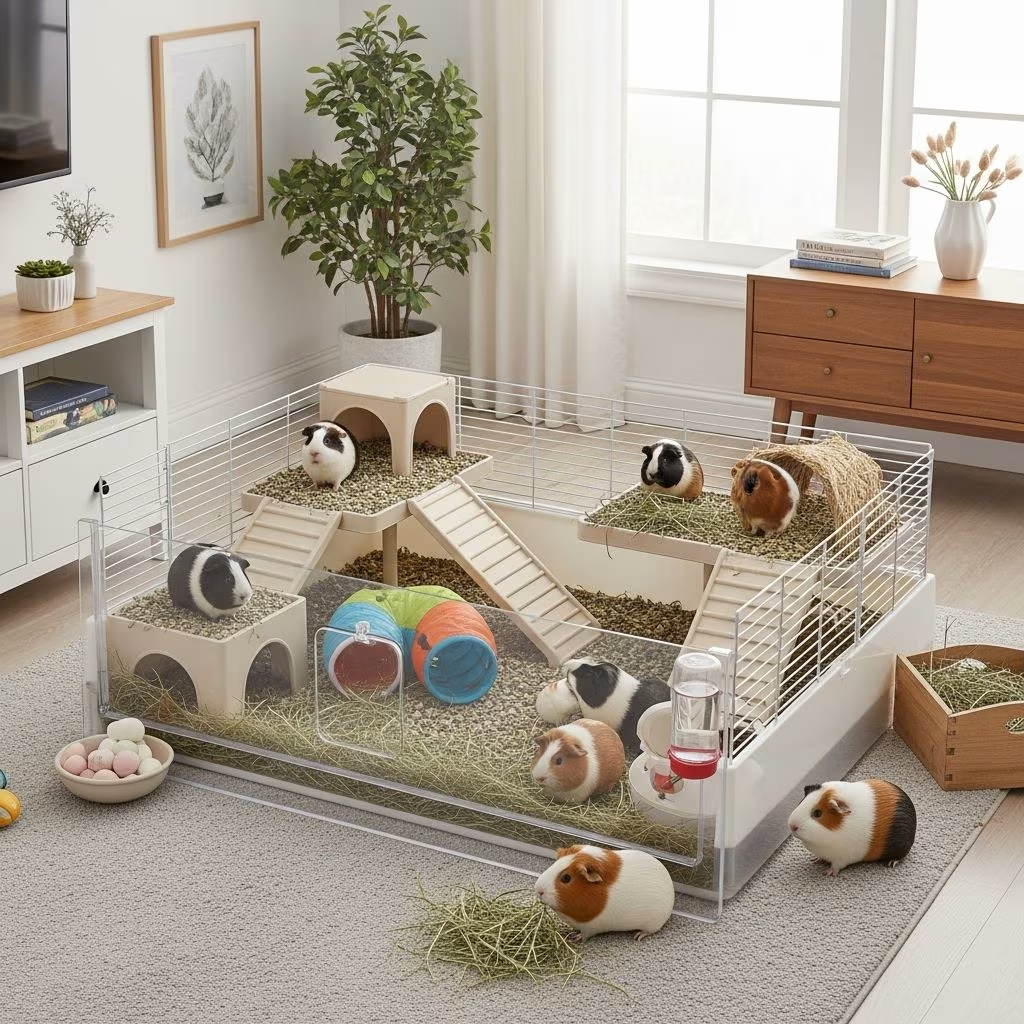
How to Choose the Best Place for a Guinea Pig Cage
Selecting the right location for your guinea pig’s cage is one of the most important decisions you’ll make as a pet owner. While many people focus on the size and setup of the cage itself, the placement of the enclosure plays an equally critical role in your guinea pig’s overall health, happiness, and well-being. Guinea pigs are social creatures that thrive when they feel integrated into family life, and they have specific environmental needs that must be met to prevent stress and illness. This comprehensive guide will help you understand all the factors involved in choosing the perfect spot for your guinea pig’s home.
Why Location Matters for Guinea Pigs
Guinea pigs are sensitive animals that require a carefully controlled environment. Unlike some other pets, they cannot regulate their body temperature effectively and are prone to stress-related illnesses. The location of their cage directly impacts their exposure to temperature fluctuations, humidity levels, light exposure, noise, and most importantly, their social interaction with their human family. A poorly chosen location can lead to health problems, behavioral issues, and an unhappy pet. Conversely, the right location creates an environment where your guinea pig can thrive physically and emotionally.
Ideal Room Locations for Guinea Pig Cages
Not all rooms in your home are equally suitable for guinea pig housing. Understanding which areas of your home provide the best environment is essential for your pet’s welfare.
Primary Recommendations: Kitchen and Dining Room
The best location for your guinea pig cage is in an area near the kitchen or dining room, where there is frequent family traffic and time spent hanging out. These spaces are ideal because they naturally integrate your guinea pig into daily family life. When your guinea pig is located near your own food source, they will help remind you when they want their food and attention. You’ll have easy access to your pet without even thinking about it, making it easier to monitor their behavior, clean the cage more often, and interact with your guinea pig more frequently simply because they’re nearby. This proximity encourages regular feeding, watering, and social interaction that guinea pigs need to remain happy and healthy.
Secondary Options: Living Room and Family Room
The commonly used living areas in your home, such as the living room and family room, can also make good locations for guinea pig cages. These areas typically have consistent family activity throughout the day and evening, providing your guinea pigs with the social stimulation they require. Guinea pigs become more friendly and tame when they are in areas of the home that the entire family frequents regularly.
Locations to Absolutely Avoid
Do not place your guinea pig cage in children’s bedrooms. This placement isolates your pet from the rest of the family, reducing their social interaction and enrichment opportunities. Additionally, children’s bedrooms are problematic for another important reason: guinea pigs are naturally active throughout the night and early morning hours, and this activity can keep children awake and disturb their sleep. Since children should be supervised when handling these small pets, bedroom placement also makes it more difficult for parents to monitor interactions. Guinea pig cages should be family pets, and the cage location should reflect this philosophy by keeping them in communal spaces rather than isolated rooms.
Environmental Considerations for Cage Placement
Beyond choosing a room, you must carefully evaluate the specific environmental conditions of your chosen location. Guinea pigs are sensitive to temperature, light, and humidity changes.
Lighting Requirements: Brightness Without Direct Sunlight
Choose a bright room with indirect sunlight for your guinea pig cage. This means avoiding placing the cage next to bright windows and glass doors where direct sunlight streams in consistently. Why is this important? Small pets are prone to overheating. While you can expose the cage to occasional direct sunlight such as morning light, it cannot be consistent or prolonged. Think of it this way: if it’s too hot or cold for you to sit comfortably for extended periods, it’s too hot or cold for a guinea pig. Guinea pigs lack the ability to cool themselves efficiently through sweating or panting like humans and dogs do, making them vulnerable to heat stress. A room that receives bright, indirect natural light provides the illumination guinea pigs need for their circadian rhythms without exposing them to dangerous temperature spikes.
Temperature Control and Stability
Guinea pigs are extremely sensitive to temperature fluctuations. The ideal temperature range for guinea pigs is between 60-75 degrees Fahrenheit. Avoid placing the cage in areas prone to drafts, such as near windows, doors, air conditioning units, or heating vents. Sudden temperature changes stress guinea pigs and can make them susceptible to respiratory infections and other illnesses. Look for a room in your home that maintains a relatively stable temperature throughout the day and night.
Humidity Levels: Maintaining Stability
Don’t house a guinea pig in a room with high humidity or significant fluctuations in humidity levels. Humidity is just as problematic for your guinea pig as drafts are. Avoid areas that are close to showers and laundry rooms, where moisture levels constantly rise and fall. High humidity can promote respiratory problems and fungal infections in guinea pigs. Basements can be considered if they have acceptable, stable humidity and receive indirect light, but ensure they don’t become damp during rainy seasons. Measure humidity levels in your chosen room; aim for 40-60% relative humidity.
Noise Levels and Stress Reduction
While guinea pigs should be in an area with regular family activity, they should not be subjected to constant, loud noise. High noise levels cause stress and can lead to behavioral problems and health issues. Place the cage away from stereo systems, televisions at high volume, or areas where loud activities occur regularly. Guinea pigs can be prone to stress, so the cage should be placed in an area where there is regular visitation but not constant traffic or noise. A hide box inside the cage, such as an upside-down cardboard box with a door cut in one side, will also help control stress by giving your guinea pig a place to retreat when they feel overwhelmed.
Cage Elevation and Floor Placement
The vertical placement of your guinea pig cage is just as important as the room selection.
Don’t Place Your Guinea Pigs on the Floor
Putting the guinea pig’s cage directly on the floor is not recommended. Several important reasons support this guideline: cages on the floor receive drafts from under doors and windows, can accumulate dust and debris, and make it harder for you to interact with your guinea pigs without bending down constantly. Additionally, floor-level cages are more vulnerable to predators like dogs and cats, and they’re less visible, which means you may interact with your guinea pigs less frequently.
Optimal Elevation Solutions
Placing the cage on top of a desk, table, or sturdy stand provides several advantages. This elevation gives your guinea pigs better views of their surroundings and of the outside world through windows, which provides visual enrichment. It also provides easy access when you need to interact with, hold, or play with your guinea pigs, and the increased visibility encourages more frequent interaction and observation. Make certain that whatever surface you use is sturdy, level, and stable enough to safely support the cage’s full weight, especially when filled with bedding, water, food, and enrichment items.
Essential Cage Size and Specifications
Understanding appropriate cage sizes ensures your guinea pigs have adequate space in their chosen location.
Minimum Space Requirements
Guinea pigs don’t require enormous amounts of space—only about 7.5 to 10.5 square feet, depending on the number of guinea pigs. For a single guinea pig, 8 square feet is the minimum. For two guinea pigs, you should provide a minimum of 10.5 square feet of space. The cage should be a minimum of 50 x 24 inches for a single pig, with additional space for each additional guinea pig. If you choose a topless guinea pig cage, ensure the wire sides are at least 10 inches high. The bars should be spaced about 1 inch apart to prevent your guinea pig from squeezing through and escaping.
Cage Types and Ventilation
Different cage types offer various advantages. While guinea pig hutches are an option, cages provide better ventilation, which is crucial for your guinea pig’s respiratory health. C&C cages, which stands for cubes (the grids assembled to create the structure of the cage) and coroplast (the plastic base used in the cage), offer an excellent alternative to traditional cages. C&C cages tend to be larger, modular, and allow you to change the configuration or shape to fit your available space. Glass aquariums and plastic tubs might meet size requirements, but they limit ventilation and are better avoided.
Flooring Considerations
The flooring of your guinea pig’s enclosure should be solid to prevent harming your guinea pig’s tiny feet. Avoid grates or wire flooring, as these can cause foot injuries and sores. Be sure the cage has a solid bottom and that any wire doesn’t contain metals such as zinc, which guinea pigs can become sick from by chewing on. Additionally, guinea pigs don’t make as much use of vertical space as other small rodents do, so horizontal cages are much better than tall, multi-level enclosures.
Bedding and Flooring Options
Once you’ve chosen your location and set up your cage, selecting the right bedding is essential for comfort and health.
Add 1 to 2 inches of bedding such as Carefresh, kiln-dried pine, or aspen shavings, or use a towel or other absorbent layer with a layer of fleece on top. Never use cedar bedding as it is toxic for guinea pigs. Fleece is an increasingly popular choice among guinea pig owners because it’s inexpensive, produces zero waste, and guinea pigs love it. Ready-made fleece liners are convenient and can be easily washed and reused.
Creating a Guinea Pig-Friendly Layout
Once you’ve selected your location, optimize the cage layout to support your guinea pigs’ well-being.
Essential Cage Components
Your guinea pig’s cage should include:
- A hide box or house for each guinea pig, providing security and comfort
- A food bowl for fresh vegetables and pellets
- A water bottle or water dish for fresh water
- A hay pile with plenty of timothy hay, which should make up the majority of their diet
- Bedding material for comfort and absorption
Enrichment and Furniture
Beyond basic requirements, guinea pigs benefit from enrichment items. Tunnels, hammocks, and cage furniture provide physical activity and mental stimulation. Small hideaways and beds are good for corners, but double-entrance hides should be placed in the middle with some space either side so the guinea pigs can run laps through them and do lots of “popcorning.” It’s beneficial to change the cage layout every couple of days to keep things interesting, including switching the positions of hides and beds. Provide more sleeping areas at nighttime when guinea pigs are naturally more active.
Housing Multiple Guinea Pigs
If you have more than one guinea pig, space becomes even more important.
It’s not necessary to use a divider if you house more than one guinea pig together. Just don’t place two unaltered males in the same living space, as they may become aggressive and fight. Two guinea pigs need a minimum of 10.5 square feet of space, three guinea pigs need a minimum of 13 square feet of space, and four guinea pigs need a minimum of 16 square feet of space. With less space for them to separate themselves from time to time, it can lead to fighting and turf wars over their cage. Proper spacing helps maintain harmony between guinea pig companions.
Frequently Asked Questions
Q: Can I put my guinea pig cage outside?
A: While outdoor housing is possible during warm months, it exposes guinea pigs to temperature fluctuations, humidity changes, predators, and parasites. Indoor placement in a climate-controlled environment is generally safer and allows for better family interaction and monitoring.
Q: Is a basement a good location for a guinea pig cage?
A: Basements can work if they have acceptable, stable humidity levels and receive indirect light. However, many basements are damp, dark, or prone to temperature fluctuations, making them unsuitable. Ensure your basement meets all environmental requirements before choosing it as your guinea pig’s home.
Q: How often should I interact with my guinea pigs if their cage is in the living room?
A: Placing the cage in a common family area like the living room encourages more frequent interaction naturally. Aim for at least one hour of daily interaction, including handling, floor time for exercise, and companionship. More frequent short interactions are better than one long session.
Q: What should I do if my current cage location has temperature fluctuations?
A: Move the cage to a more stable location or use a space heater or fan to regulate temperature. Maintaining a consistent temperature between 60-75°F is crucial for your guinea pig’s health and reducing stress-related illnesses.
Q: Can guinea pigs live in a garage?
A: Garages are generally not recommended because they often have chemical fumes from cars, cleaning supplies, and gasoline, which are toxic to guinea pigs. They also typically have poor temperature control and humidity regulation. Indoor locations away from potential toxins are much safer.
Q: Should the cage be away from the television?
A: Yes, while gentle background noise is fine, loud television sounds can stress guinea pigs. Place the cage in a location where it receives family activity but is away from the direct speakers or can be in a room where television volume remains moderate.
References
- How to Choose the Best Place for a Guinea Pig Cage — Chewy. 2024. https://www.chewy.com/education/small-pet/guinea-pig/where-to-place-guinea-pig-cage
- Guinea Pig Cage Guide — Southern California Guinea Pig Rescue. 2024. https://www.socalguineapigrescue.org/cage-guide
- How to Set Up the Perfect Guinea Pig Enclosure — PetMD. 2024. https://www.petmd.com/exotic/care/how-set-perfect-guinea-pig-enclosure
- How to Set up the Perfect Guinea Pig Cage — YouTube. 2024. https://www.youtube.com/watch?v=IEi_IOxPn9o
- The Ultimate Guide To Cages For Guinea Pigs — GuineaDad. 2024. https://www.guineadad.com/blogs/news/the-complete-guide-to-cages-for-guinea-pigs



