

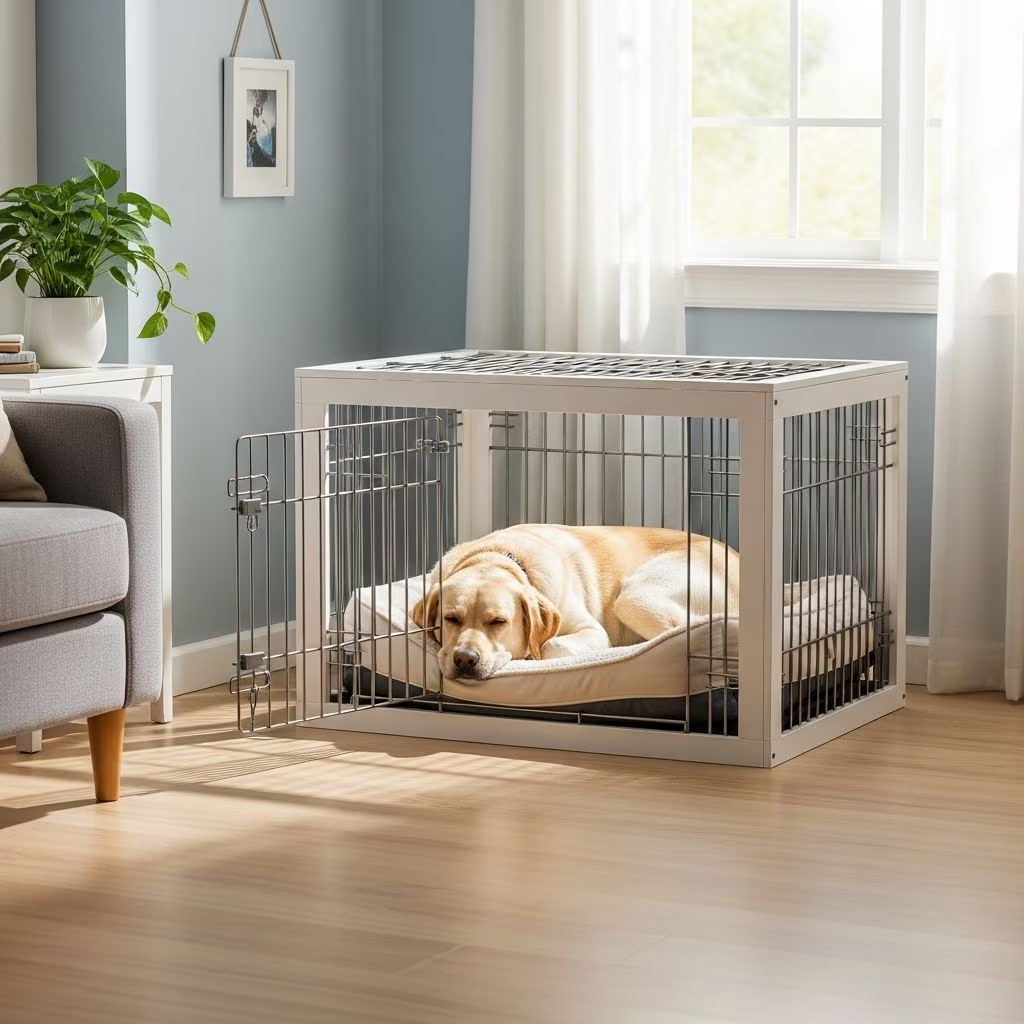
The Best Place for a Dog’s Crate: A Complete Guide to Positioning Your Pet’s Safe Haven
Dog crates serve as essential tools for pet parents, providing a safe, comfortable space where your canine companion can rest, relax, and feel secure. Often referred to as a dog’s “castle,” the crate becomes a sanctuary for your pet when properly introduced and positioned. However, choosing the right location for your dog’s crate is just as important as selecting the crate itself. The placement of your dog’s crate significantly impacts its effectiveness for training, your dog’s comfort level, and the overall success of your crate training journey.
The location where you position your dog’s crate can influence how quickly your pet adapts to it, how well they respond to crate training, and their general sense of security and belonging within your home. This comprehensive guide explores the various considerations for crate placement, examines the best locations for different situations, and provides practical advice to help you make the optimal choice for your household and your furry friend’s needs.
Understanding the Purpose of Crate Placement
Before selecting a location for your dog’s crate, it’s important to understand why placement matters. Dogs are den animals by nature, and a crate replicates this instinctive need for a secure, enclosed space. Your dog’s crate becomes more than just a containment tool—it becomes a refuge where your pet feels protected and at ease.
The placement of your crate directly affects your dog’s anxiety levels, their sense of security, and their willingness to spend time inside voluntarily. A poorly positioned crate in a high-traffic, noisy area might increase your dog’s stress, while a strategically placed crate in a calm, quiet location can encourage your pet to use it willingly as their personal retreat. Additionally, crate placement plays a crucial role in house training success, behavioral management, and establishing healthy routines for your dog.
The Best Place for Your Dog’s Crate at Night
When considering where to place your dog’s crate during nighttime hours, the bedroom is typically the optimal choice for most dog owners. Placing your dog’s crate in your bedroom allows your pet to feel the comfort and security of being near you during sleep time, which is especially important for puppies and anxious dogs. This proximity helps reduce separation anxiety, provides reassurance that help is nearby if needed, and strengthens the bond between you and your canine companion.
Keeping your dog’s crate in your bedroom also offers practical benefits for pet parents. If your puppy needs to go outside for a bathroom break during the night, having the crate nearby makes it easier to respond quickly. For house training purposes, this proximity allows you to monitor your puppy’s behavior and respond immediately to signs that they need to go outside, significantly accelerating the house training process.
Your dog will associate their crate with your presence, making it a place of comfort rather than isolation. This positive association is fundamental to successful crate training. As your dog matures and becomes more confident and accustomed to the crate, you can gradually move it to other locations if desired.
Daytime Crate Placement Considerations
During daytime hours, crate placement should be different from nighttime positioning. The ideal daytime location for your dog’s crate balances several factors: maintaining a connection to family activities while providing a quiet escape when needed, allowing your dog to observe household happenings without being overwhelmed, and preventing excessive isolation.
High-Traffic Family Areas
Many pet parents find success placing their dog’s crate in a family room, living room, or kitchen area during the day. These central locations allow your dog to feel part of the household action while still maintaining their own secure space. Your dog can observe family members moving about, hear familiar voices, and feel included in daily life without being directly involved in every activity.
Placing the crate in a family-centered location also facilitates better behavior management. You can keep an eye on your dog, ensure they’re following house rules, and provide immediate positive reinforcement when they make good choices. This visibility helps you respond quickly to any issues and maintain consistent training.
Proximity to Natural Light
Consider placing your dog’s crate in an area that receives natural light during the day. Natural light helps maintain your dog’s circadian rhythm, supports mood regulation, and creates a more welcoming environment. However, avoid placing the crate in direct sunlight for extended periods, as this can cause overheating and discomfort.
Temperature Control
Choose a location that maintains a comfortable, consistent temperature throughout the day. Avoid placing your dog’s crate near heating vents, air conditioning units, or drafty windows. Extreme temperature fluctuations can cause discomfort and potentially create health concerns for your dog. The ideal location should be neither too hot nor too cold, providing a climate-controlled environment where your dog can rest comfortably.
Locations to Avoid for Dog Crate Placement
Just as important as knowing where to place your dog’s crate is understanding where not to position it. Certain locations can create stress, anxiety, or safety concerns for your pet.
High-Noise Areas
Avoid placing your dog’s crate near sources of loud, sudden noises such as washing machines, dishwashers, televisions at high volume, or music equipment. Continuous or unexpected loud sounds can stress your dog and prevent them from using the crate as a peaceful retreat. A crate placed in a quiet, calm area is much more likely to become your dog’s preferred safe space.
Direct Sunlight and Extreme Temperatures
Never place your dog’s crate in direct sunlight throughout the day, as this can cause excessive heat buildup inside the crate, potentially leading to heat stress or heat stroke. Similarly, avoid locations prone to drafts or extreme cold. Basements without proper climate control, garages, or uninsulated areas should be avoided, especially during winter or summer months.
Isolation and Punishment Zones
Do not place your dog’s crate in a basement, garage, or other isolated area where your dog cannot see or hear family members. Using the crate as a punishment tool by isolating your dog creates negative associations and undermines all your crate training efforts. The crate should always be presented as a positive, safe space, not a place of exile.
Hazardous Locations
Avoid placing the crate near toxic substances, electrical cords, sharp objects, or other potential hazards. Keep the crate away from areas where your dog might be exposed to household chemicals, cleaning supplies, or medications. Safety should be your primary concern when selecting any location for your dog’s crate.
Multi-Crate Strategy for Different Areas of Your Home
Many pet parents find success using multiple crates positioned in different areas of their home. This strategy allows your dog to have a dedicated resting space no matter where family activities are taking place. Having multiple crates eliminates the need to constantly move a single crate around your home and allows your dog to have consistent access to their secure space.
Bedroom Crate
Position one crate in your bedroom for nighttime sleeping and early morning rest periods. This should be a sturdy, well-ventilated crate that provides enough space for your dog to stand, turn around, and lie down comfortably.
Main Living Area Crate
Place a second crate in your family room or living area where most daytime activities occur. This crate allows your dog to remain close to family members while having their own designated space.
Exercise or Training Area Crate
Consider positioning an additional crate in areas where training sessions occur or where your dog spends significant time during the day. This might be a kitchen crate, office crate, or any other frequently used space in your home.
Crate Placement and House Training Success
For puppies and newly adopted dogs undergoing house training, crate placement becomes critically important. Dogs naturally resist soiling the area where they sleep, making the crate an effective house training tool. However, the crate must be positioned strategically to maximize this natural instinct.
Place the crate in a location where you can easily monitor your puppy and respond quickly to signals that they need to go outside. The crate should be near an exit to your yard or the area where you want your puppy to eliminate. Quick access to the designated potty area is essential for reinforcing good house training habits and preventing accidents inside the home.
Considering Your Home’s Layout and Space Constraints
Your specific home layout significantly influences where you can position your dog’s crate. Consider the size and shape of your living space, the number of rooms, and how your family typically moves through your home. In smaller homes or apartments, you might need to be more creative about finding appropriate crate locations. In larger homes, you have more flexibility in positioning multiple crates throughout different areas.
Measure the area where you plan to place the crate to ensure it fits comfortably without blocking doorways, creating tripping hazards, or interfering with traffic flow through your home. The crate should be positioned in a way that doesn’t disrupt your daily routines or cause inconvenience to family members.
Accessibility and Safety Considerations
Ensure that the crate location is easily accessible for daily use, cleaning, and maintenance. You should be able to open the door without difficulty, remove and clean the plastic pan regularly, and provide your dog with easy access to food, water, and comfort items. Consider using crate casters, which are wheels designed to fit onto the bottom of wire crates, if you need to move your dog’s crate frequently between different rooms or locations.
Make sure the crate is positioned securely and won’t tip over if your dog leans against it or moves around inside. The area surrounding the crate should be free from hazards, and the crate should not block emergency exits or fire escapes.
Using Crate Covers and Environmental Modifications
Crate covers slip over your crate to enhance that den-like feel and create a quiet, private sanctuary for your dog. These covers provide visual privacy and help reduce external stimuli that might distract or stress your pet. Many crate covers feature tabs that hold them in place while remaining lightweight enough to provide adequate airflow, ensuring your dog stays cool and comfortable.
The addition of a crate cover can make a significant difference in your dog’s willingness to spend time in the crate, especially in high-activity family areas or open-concept homes. Crate covers come in various sizes, colors, and patterns to match your home décor while serving a functional purpose for your dog’s comfort and security.
Adjusting Crate Placement as Your Dog Grows
Your dog’s crate placement needs may change as your pet grows and develops. Puppies often benefit from bedroom placement for security and house training purposes. As your dog matures, becomes more confident, and completes house training, you can gradually adjust crate placement or move the crate to different areas of your home.
Adult dogs may be satisfied with a crate positioned in a family living area where they can observe household activities while still having their own secure retreat. Senior dogs might benefit from a crate placement that minimizes travel distance and provides easy access to frequent bathroom breaks and rest areas.
Frequently Asked Questions About Dog Crate Placement
Q: Can I move my dog’s crate to different locations?
A: Yes, you can move your crate to different locations as needed. Many pet parents use multiple crates in different areas of their home, or they move a single crate between rooms depending on the time of day and family activities. If you frequently move your crate, consider using casters or a collapsible crate for easier portability.
Q: Is the bedroom the only good place for a dog’s crate at night?
A: While the bedroom is typically the best location for nighttime crating due to the proximity and security it provides, some dogs may do well in other locations once they’re fully trained and comfortable with their crate. However, puppies and anxious dogs usually benefit most from bedroom placement during the night.
Q: Should I move my puppy’s crate away from my bedroom as they grow?
A: As your puppy matures, completes house training, and becomes more confident, you can gradually transition the crate to another location if desired. Make this transition slowly and ensure your dog remains comfortable with the change. Some owners prefer to keep the crate in their bedroom indefinitely, which is perfectly fine if both the dog and owner are satisfied.
Q: What if I live in a small apartment with limited space?
A: In small spaces, choose a location that balances your dog’s need for security with your living requirements. A corner of your bedroom or a quiet area of your main living space works well. Consider using a collapsible crate that can be folded and stored when not in use, or a compact crate design that fits your space constraints.
Q: Can I place the crate outside or on a patio?
A: While some outdoor crates exist, most dogs benefit from being inside your home where they feel part of the family. If you do use an outdoor crate, ensure it’s covered, provides protection from weather extremes, and never leave your dog unattended for extended periods. Indoor crate placement is generally recommended for most dogs.
References
- The Best Place For A Dog’s Crate — Chewy. 2025. https://www.chewy.com/education/dog/pet-parenting/the-best-place-for-a-dogs-crate
- How to Choose the Perfect Dog Crate | BeChewy Buying Guide — Chewy. 2025. https://www.chewy.com/education/dog/general/dog-crate-buying-guide
- All-In-1 Multi-Stage 3 Door Collapsible Wire Dog Crate Use and Care Instructions — Chewy. 2021-03-16. https://image.chewy.com/is/content/catalog/247914_UseAndCareInstructions._V1615902982_.pdf
- Ultimate Heavy Duty Steel Metal Dog Crate Assembly Instructions — Chewy. 2018-06-28. https://image.chewy.com/is/content/catalog/141204_UseAndCareInstructions._V1530038515_.pdf



