

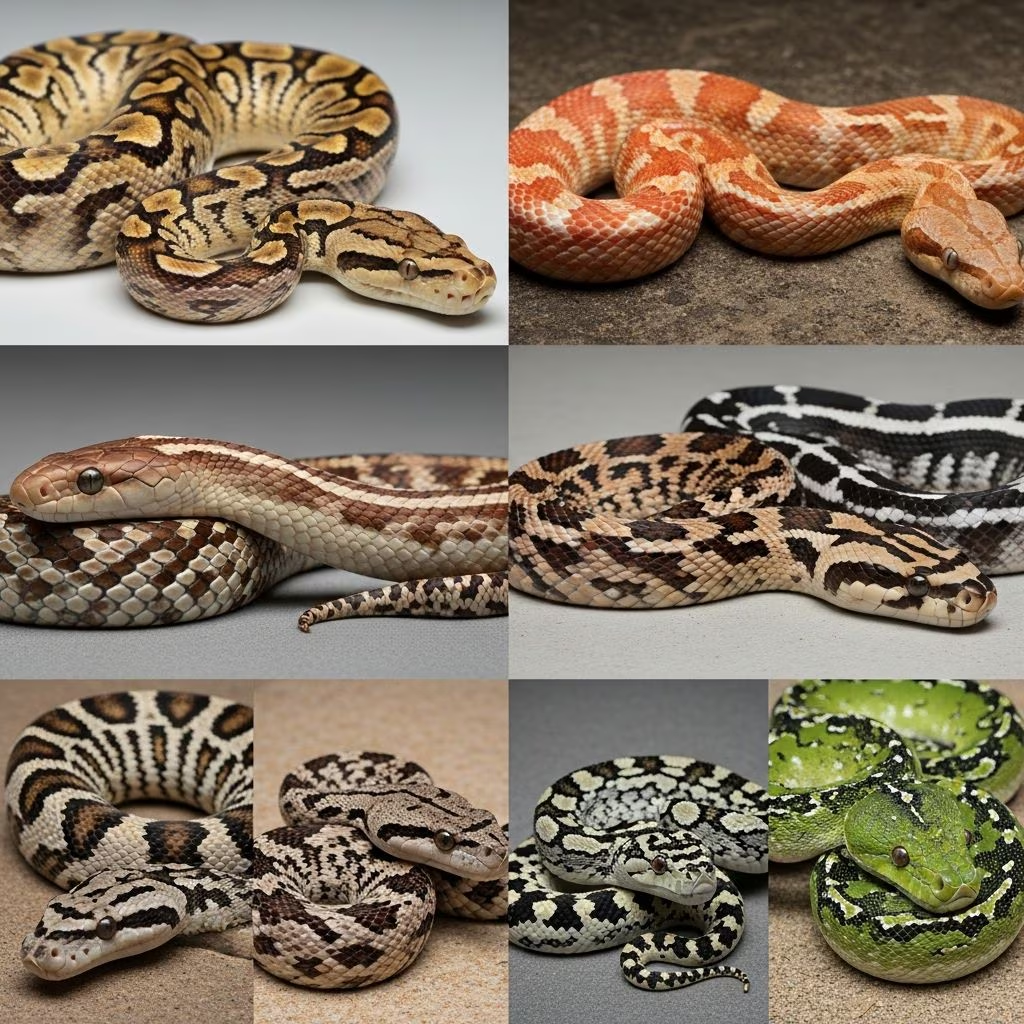
Selecting the right pet snake can be an exciting journey, whether you’re a first-time reptile owner or an experienced herpetologist. With so many species available, understanding the characteristics, care requirements, and temperament of different snakes is essential to finding your perfect match. This comprehensive guide explores the 10 best pet snake species that make excellent companions for various skill levels.
Why Choose a Pet Snake?
Snakes make wonderful pets for those willing to provide proper care. They require less space than many mammals, don’t need daily interaction, and can live for many years with appropriate husbandry. Each species has unique characteristics, colors, and care needs, allowing potential owners to find a snake that matches their lifestyle and experience level.
1. Corn Snake
The corn snake consistently ranks as the number one choice for the best pet snake, and for good reason. These North American natives are considered the most docile and gentle snakes available, making them perfect for beginners. Corn snakes are exceptionally easy to handle and simple to feed, displaying excellent temperament even with frequent interaction.
Corn snakes typically display vibrant red to brick-red coloring with tan to reddish base colors, though they come in a remarkable rainbow of color morphs, including axanthic, albino, lavender, and many others. These nocturnal creatures love to burrow and can grow up to six feet in length, living up to 25 years in captivity. Their moderate size makes them ideal for handling without being too intimidating.
2. Ball Python
The ball python ranks as the second most popular pet snake species and holds the title of the most popular python species overall. These snakes earned their name from their characteristic behavior of curling into a tight ball when they sleep or feel threatened, seeking security through this unique defensive posture. Ball pythons are easygoing, fairly calm, and beginner-friendly, making them excellent choices for novice snake keepers.
What truly sets ball pythons apart is the incredible diversity of color morphs available. Breeders have developed hundreds of color combinations, from albino and blue-eyed leucistic to orange dream morphs, creating what many enthusiasts call a “designer snake paradise.” In many parts of the world, they’re called royal pythons, reflecting their scientific name Python regius. Despite their popularity, owners should be prepared to spend significant time building trust with their ball python, as these shy snakes require patient, consistent handling.
3. California Kingsnake
The California kingsnake represents the most popular kingsnake species for pet ownership, primarily due to their variable and attractive color palette. These hardy snakes are native to the western United States and northern Mexico and are subspecies of the king snake family, sharing some characteristics with milk snakes.
California kingsnakes are known for their resilience and adaptability to captive environments. However, potential owners should note an important behavioral consideration: these snakes can eat one another, so they must be housed individually and never kept together. This cannibalistic tendency is a critical factor in their management and care planning.
4. Milk Snake
Milk snakes represent another excellent option in the kingsnake family, native to the United States and Mexico. These snakes are distinguished by their striking rings of red, orange, yellow, white, and black coloring, which sometimes causes confusion with the venomous coral snake. However, milk snakes are completely non-venomous and are actually praised for their docile and gentle temperament.
Multiple subspecies of milk snakes exist, including the Pueblan milk snake and Sinaloan milk snake, and most make exceptional pets. The only exception is the Eastern milk snake, which displays shades of brown, black, and grey rather than the vibrant reds and yellows of other subspecies. Their beautiful coloration combined with manageable size and calm disposition makes them popular among both beginners and experienced collectors.
5. Western Hognose Snake
The Western hognose snake is immediately recognizable by its distinctive upturned nose, which serves a practical purpose for burrowing in the wild. Native to North America, these snakes are among the smaller options available for pet ownership, typically reaching four to five feet in length. They come in a variety of colors and patterns, providing aesthetic appeal to their keepers.
When setting up an enclosure for a Western hognose snake, providing several inches of substrate is essential, as these snakes have a natural inclination to burrow. This behavioral accommodation is crucial for their overall well-being and stress reduction in captivity.
6. Black Rat Snake
Black rat snakes are hardy, low-maintenance species that make excellent pets for those seeking an easy-to-keep companion. These snakes are valued for their resilience and straightforward care requirements. They adapt well to captive environments and are relatively forgiving of minor husbandry variations, making them suitable for intermediate keepers transitioning from beginner species.
Their dark coloration and substantial size make them visually impressive, while their generally calm disposition ensures they can be handled with appropriate caution and respect.
7. Garter Snake
Garter snakes represent one of the most common snakes in the United States, with dozens of subspecies available in the pet trade. Though historically dismissed by some breeders and enthusiasts, these snakes have proven to be amazing captive reptiles with tame and docile temperaments. They’re often found in the wild across territories ranging from southern Alaska to Central America, providing significant variety for collectors.
Garter snakes are typically small and slender, reaching about two to four feet in length, and come in a variety of colors and patterns. Each species and subspecies exhibits slight behavioral and environmental differences based on their natural habitats, so understanding the specific needs of your chosen garter snake variety is important for creating the proper living space.
8. Kenyan Sand Boa
Kenyan sand boas are another excellent choice for beginners, being easy to keep and straightforward to handle. These snakes stay remarkably small compared to other species, making them ideal for keepers with limited space or those seeking a more manageable pet.
These docile snakes should be provided with sand substrate that allows them to burrow underneath, encouraging natural behaviors. During feeding time, you might even observe them emerging from hiding to actively grab their prey—a fascinating display of their predatory instincts. Kenyan sand boas are attractive, featuring light-colored bellies with brown or black splotches over yellow or orange backs. Captive-bred individuals can showcase additional color morphs, providing visual interest and variety in the pet trade.
9. Rosy Boa
Rosy boas rank among the most beautiful snakes on any beginner’s list, displaying striking coloration in brown, white, or rosy pink hues. What makes this species particularly popular is its tame, calm, and docile attitude. These snakes rarely bite, are exceptionally easy to care for, and have only basic care requirements, making them perfect for first-time snake owners seeking a low-stress experience.
Native to the western United States and Mexico, rosy boas are small to medium-sized, with fully-grown specimens reaching approximately four feet in length. These snakes display various eye-catching color combinations, with striped bodies featuring colors like rose, orange, beige, blue-gray, and brown. A secure enclosure with rocks and hiding places is necessary to prevent escape, and they tend to be active during nighttime hours. With proper care, rosy boas can live up to 25 years in captivity.
10. Gopher Snake
Gopher snakes complete our list as hardy, low-maintenance constrictors that are easy to keep and purchase as pets. These snakes are often seen in western North America and include nine subspecies, with the bull snake being the largest. Multiple subspecies of gopher snakes exist, including the bull snake, which represents the biggest variant. These constrictors are considered low-maintenance, hardy, and easy to keep.
Gopher snakes display yellow or beige coloring with brown or black blotches and light-colored bellies. They can grow to about three to six feet in length and come in a variety of colors. These snakes have an interesting defensive behavior: when threatened, they try to mimic rattlesnakes by coiling, flattening their head, and making a rattling sound. Though they can sometimes be confused with venomous rattlesnakes because of this behavior, gopher snakes are completely non-venomous and lack the specialized fangs of their venomous counterparts. They love to bask in the sun, so providing a basking lamp is essential. Gopher snakes can live up to 20 years in captivity.
Comparative Overview of Pet Snake Species
The following table provides a quick reference for comparing key characteristics of these top pet snake species:
| Species | Adult Size | Lifespan | Temperament | Skill Level |
|---|---|---|---|---|
| Corn Snake | Up to 6 feet | Up to 25 years | Docile, gentle | Beginner |
| Ball Python | 3-5 feet | 15-20 years | Calm, shy | Beginner |
| California Kingsnake | 3-4 feet | 15-20 years | Hardy, variable | Intermediate |
| Milk Snake | 2-3 feet | 15-20 years | Docile, calm | Beginner |
| Western Hognose | 4-5 feet | 15-20 years | Calm, docile | Beginner |
| Black Rat Snake | 4-6 feet | 15-20 years | Calm, hardy | Intermediate |
| Garter Snake | 2-4 feet | 10-15 years | Docile, tame | Beginner |
| Kenyan Sand Boa | 2-3 feet | 15-20 years | Docile, calm | Beginner |
| Rosy Boa | Up to 4 feet | Up to 25 years | Tame, docile | Beginner |
| Gopher Snake | 3-6 feet | Up to 20 years | Hardy, low-maintenance | Beginner |
Essential Considerations for Snake Ownership
Enclosure Setup: Each snake species has specific environmental requirements. Some species, like Western hognose snakes and Kenyan sand boas, require substantial substrate for burrowing, while others like rosy boas need secure enclosures with hiding places to prevent escape. Providing appropriate vertical space for climbing species and proper temperature gradients is essential for all snakes.
Feeding Requirements: Most pet snakes eat pre-killed or frozen-thawed rodents, with prey size increasing as the snake grows. Ball pythons are notorious for being picky eaters, sometimes requiring extra patience, while corn snakes are generally enthusiastic feeders.
Handling and Temperament: While many species on this list are docile and handle well, individual snakes may have different personalities. Frequent, gentle handling from a young age helps acclimate snakes to human interaction, reducing stress for both snake and owner.
Space Requirements: Contrary to popular belief, snakes need adequate space to thermoregulate, hide, and exercise. Larger species like corn snakes and gopher snakes benefit from more spacious enclosures than smaller species like Kenyan sand boas.
Frequently Asked Questions About Pet Snakes
Q: What is the best pet snake for a complete beginner?
A: Corn snakes are widely considered the best beginner snake. They’re exceptionally docile, easy to feed, tolerate frequent handling, and have straightforward care requirements. Ball pythons and milk snakes are also excellent beginner choices.
Q: How long do pet snakes typically live?
A: Most pet snake species live 15-25 years in captivity with proper care. Corn snakes and rosy boas can live up to 25 years, while others like garter snakes may live 10-15 years. Longevity varies by species and individual care quality.
Q: Can I keep multiple snakes together?
A: Generally, no. Most snakes are solitary and territorial. Some species, like kingsnakes, are cannibalistic and will eat other snakes. Individual housing is safest for all pet snakes to prevent stress, injury, or predation.
Q: How often should I feed my pet snake?
A: Feeding frequency depends on the snake’s age and species. Juveniles typically eat every 5-7 days, while adults may eat every 7-10 days. Always use appropriately-sized prey—prey should be roughly the same diameter as the thickest part of the snake’s body.
Q: What temperature does my pet snake need?
A: Most pet snakes require a warm side (85-90°F) and a cool side (75-80°F) within their enclosure. Specific temperature requirements vary by species and their natural habitats. Proper temperature gradients allow snakes to thermoregulate effectively.
Q: Do snakes require live plants in their enclosures?
A: While not strictly necessary, many snakes benefit from live plants and naturalistic décor that provides hiding spots, reduces stress, and improves air quality. Climbing species particularly appreciate branches and plants for enrichment.
Q: Are any of these snakes venomous?
A: No, none of the 10 pet snake species listed here are venomous. While milk snakes and coral snakes share similar coloring, milk snakes are completely harmless. Gopher snakes may mimic rattlesnakes defensively but are non-venomous.
Q: How can I tell if my snake is healthy?
A: Healthy snakes have clear eyes (except just before shedding), smooth scales, a healthy body weight without visible ribs or spine, regular feeding responses, and normal shedding cycles. Regular veterinary check-ups with a reptile specialist ensure optimal health.
References
- The Top 10 Best Snake Pets to Own — Allan’s Pet Center. Accessed 2025. https://allanspetcenter.com/the-top-10-best-snake-pets-to-own/
- 8 Popular Pet Snake Species — PetMD. Accessed 2025. https://www.petmd.com/reptile/popular-pet-snake-species
- The 10 Best Pet Snake Species — Chewy. Accessed 2025. https://www.chewy.com/education/reptile-and-amphibian/snake/best-pet-snakes
- Your First Pet Snake – The Best Choices — Tampa Vet. Accessed 2025. https://www.tampavet.com/exotics-blog/best-beginner-snakes/



