

Best Pet Fish for Children: A Complete Guide
Introducing your child to the world of aquarium keeping can be an enriching and educational experience. Watching fish swim and interact with their environment can reduce stress, lower blood pressure, and help manage hyperactivity in children. However, selecting the right fish species is crucial to ensure a positive and manageable first experience. The ideal pet fish for children should be hardy, easy to care for, visually interesting, and forgiving of beginner mistakes. This comprehensive guide covers the best fish species for kids, their specific care requirements, and helpful tips for setting up a successful aquarium.
Why Fish Make Great Pets for Children
Fish offer unique advantages as first pets compared to other animals. They require less physical interaction than mammals, making them suitable for families with limited time or space. Additionally, observing fish in an aquarium provides calming benefits that can help children develop patience and responsibility. Unlike more demanding pets, fish can tolerate minor care inconsistencies while still thriving in a well-maintained environment. These characteristics make fish ideal for teaching children about commitment, biology, and ecological systems in a low-pressure setting.
Top Fish Species Recommended for Children
1. Neon Tetras
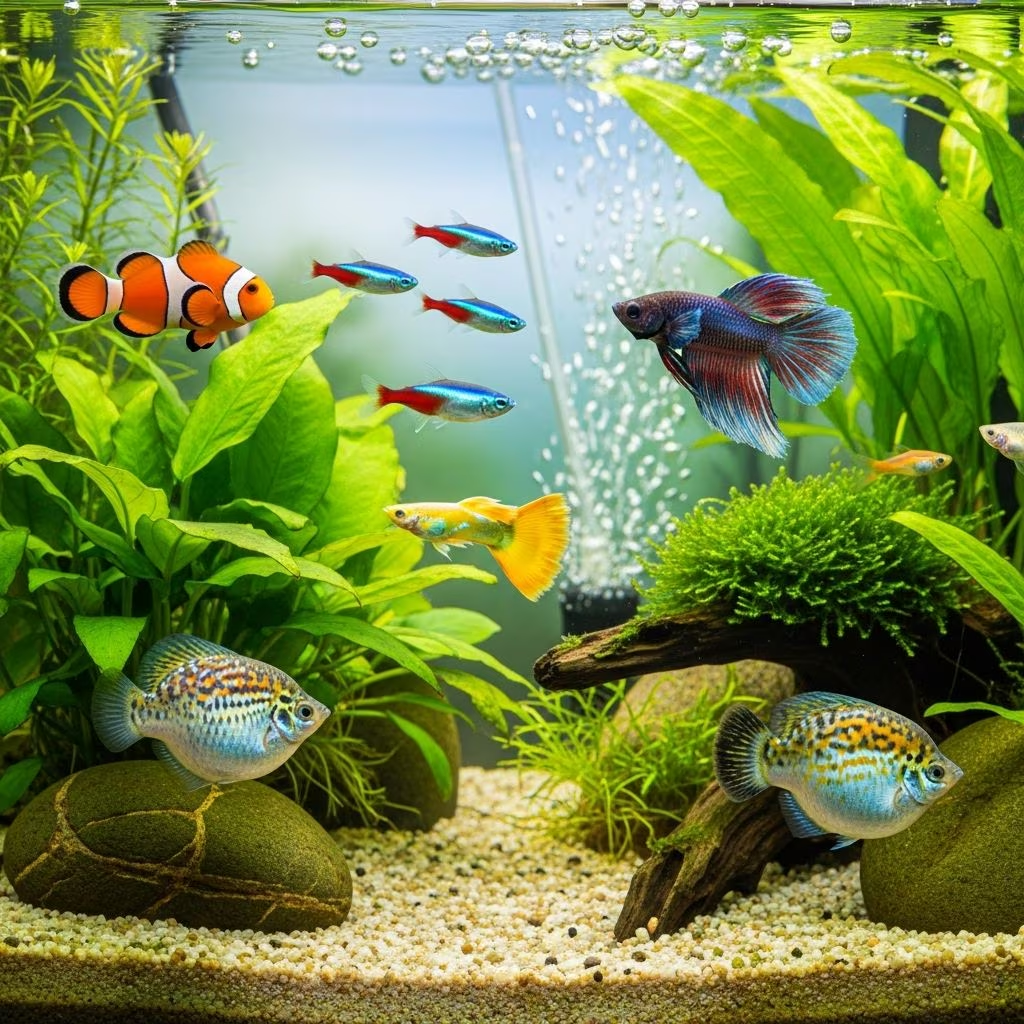
Neon tetras are among the best options for beginner aquarists of all ages. These small, active fish display striking colors with bright red and neon blue stripes that immediately capture children’s attention. Neon tetras are schooling fish, meaning they thrive in groups rather than alone. You will need at least five individual neon tetras to establish a healthy school, though larger aquariums can accommodate multiple dozens. These quick-swimming fish love exploring tank decorations and are constantly active, providing excellent entertainment value for young observers.
Neon tetras are exceptionally easy to care for and can thrive in smaller aquariums. A 5-gallon tank can comfortably house five to eight neon tetras, making them perfect for children with limited space. These fish typically live five to eight years, providing a moderate-term commitment that teaches children about pet ownership without requiring a decades-long dedication.
2. Goldfish
Goldfish are the most recognizable and commonly chosen pet fish for children worldwide. Their bright coloration, availability, and affordability make them attractive choices for new aquarium hobbyists. However, goldfish require significantly more space and care than many people realize. Many goldfish become ill or die prematurely because they are kept in tanks that are far too small for their needs.
To maintain healthy goldfish, provide at least 20 gallons of water per fish. Goldfish grow quite large and produce substantial waste, requiring excellent filtration and water quality management. When properly cared for, goldfish can live 20 years or more, making them an impressive long-term commitment for dedicated families. Long-bodied varieties like comet goldfish are recommended over fancy varieties such as orandas and ranchus, as they have fewer health concerns and tolerate less-than-perfect water quality better. Feed your goldfish a high-quality, low-protein pellet to support good health without overstimulating excessive growth.
3. Betta Fish
Betta fish, also known as Siamese fighting fish, are excellent choices for children seeking interactive and visually striking pets. Male bettas display spectacular coloration and long, flowing fins that captivate observers. Unlike most fish species, some bettas will respond when you approach the tank, swimming directly to you in recognition. Some betta fish can even learn simple tricks, such as following a prop as you move it through the water, adding an interactive dimension to fish keeping.
Male bettas must be kept in individual tanks due to their highly aggressive nature toward other males. Female bettas, which have duller coloration and shorter fins, may sometimes coexist with other peaceful fish, though individual personalities vary and some females can also display aggression. Bettas are remarkably hardy and resilient, tolerating various water conditions and requiring minimal space. A single betta can thrive in a 5-gallon aquarium with a gentle filter, making them ideal for busy parents and classroom settings. These engaging fish combine low maintenance requirements with high visual appeal and interactive behavior, making them outstanding first pets for children.
4. Tetras
Beyond neon tetras, the broader tetra family offers numerous beginner-friendly options for children. Tetras are small tropical community fish that can be mixed with various other peaceful tropical species in a shared tank environment. These active schooling fish require at least five individuals to maintain their natural behavior and reduce stress.
Modern tetra varieties include the innovative GloFish®, which have been genetically modified to contain jellyfish DNA that produces bright fluorescent colors visible under black lights or blue LEDs. These fish glow under specialized lighting without any harm to the animal, creating a visually spectacular display that children find absolutely mesmerizing. Whether glowing or traditional varieties, tetras are easy to keep and enjoy a wide range of tank decorations and vegetation. They accept small tropical pellets and tolerate a broad spectrum of water quality conditions, making them forgiving of beginner mistakes. Expect your tetras to live five to eight years with proper care.
5. Guppies
Guppies are colorful, vibrant fish that come in numerous color patterns and are exceptionally easy to maintain. These peaceful community fish are highly adaptable to various freshwater setups and thrive in most standard aquarium conditions. Guppies have a shorter lifespan than many other beginner fish, averaging around two years, making them suitable if you prefer a shorter-term commitment.
One important consideration with guppies is their reproductive behavior. These are live-bearing fish that reproduce readily, and you may inadvertently acquire a pregnant female without realizing it, suddenly resulting in dozens of offspring. If you do not keep males and females separated, expect rapid population growth over successive generations. This characteristic can actually be educational for children, though it requires thoughtful planning and space management.
6. Rasboras
Rasboras are hardy, peaceful nano fish that make excellent beginner choices for children’s aquariums. Species like the harlequin rasbora display bright orange coloration with distinctive black triangular patches and typically grow to about two inches, making them visually interesting without requiring excessive space. Rasboras are readily available in most pet stores and are very affordable options. These schooling fish should be kept in groups of at least five to display natural behavior and reduce stress. They work exceptionally well in community aquarium setups with other peaceful fish species.
7. Danios
Danios are recommended by aquarium professionals as excellent hardy species for beginners of all ages. These schooling fish are very active and zoom rapidly throughout the tank, providing constant visual entertainment. They tolerate a wide range of water conditions and are forgiving of beginner mistakes. Danios should be kept in schools of at least five individuals to encourage natural schooling behavior and reduce stress on individual fish.
Freshwater vs. Saltwater Fish for Kids
When selecting fish for children, freshwater species are strongly recommended over saltwater varieties. Freshwater aquariums are significantly easier to maintain, require less specialized equipment, and cost substantially less to establish and operate. Freshwater fish species like goldfish, guppies, and tetras are hardy and forgiving, making them ideal for young aquarists still developing their skills.
Saltwater fish are more colorful and exotic but require advanced care knowledge, specialized equipment, and higher ongoing expenses. Saltwater aquariums demand precise water chemistry management, more frequent maintenance, and specialized feeding protocols. These systems are best suited for experienced aquarists rather than beginners, making them inappropriate for children’s first aquarium experiences.
Setting Up a Child-Friendly Aquarium
Choosing the Right Tank Size
Tank size should match both your space constraints and the specific fish species you plan to keep. Small, hardy fish like neon tetras can thrive in 5-gallon aquariums, while larger species like goldfish require at least 20 gallons per fish. Starting with a reasonably sized tank (10-20 gallons) provides flexibility for adding multiple fish species and allows room for children to observe natural behaviors without overcrowding.
Essential Equipment and Supplies
Proper equipment ensures a stable environment for your fish. A reliable filter maintains water quality by removing waste products and uneaten food. A heater maintains appropriate water temperature for tropical species. An air stone or aerator provides oxygen and water circulation. A thermometer helps monitor temperature stability. Quality lighting enhances fish colors and supports aquatic plant growth if you choose to include live plants.
Decorations and Tank Landscaping
Children enjoy aquariums with interesting decorations and varied landscapes. Safe options include smooth rocks, driftwood, plastic plants, and specially designed aquarium decorations. These elements provide hiding places that reduce fish stress and create visual interest. Avoid sharp or rough decorations that could injure delicate fish fins. Live plants can enhance the aquarium environment, though beginner-friendly species require minimal special care.
Essential Fish Care Tips for Children
Feeding Guidelines
Feed fish appropriate amounts of high-quality food once or twice daily. Most beginner fish thrive on small tropical pellets or flakes formulated for their species. Overfeeding is a common beginner mistake that pollutes the water and causes illness. Feed only what your fish can consume in a few minutes. Many children benefit from using a small measured scoop to prevent overfeeding.
Water Quality Management
Regular water testing ensures optimal conditions for your fish. Perform 25-30% water changes weekly to remove accumulated waste products. Use a water conditioner to remove harmful chlorine and chloramine from tap water before adding it to the tank. Check pH, ammonia, and nitrite levels regularly using simple test kits. These basic maintenance tasks teach children about responsibility while ensuring fish health.
Tank Maintenance Schedule
Establish a regular maintenance routine that children can follow. Daily tasks include observing fish behavior and feeding. Weekly tasks include partial water changes and filter cleaning. Monthly tasks include deeper tank cleaning and equipment inspection. A clear schedule helps children develop responsibility and ensures consistent care.
Selecting Multiple Fish Species
Many aquariums benefit from multiple compatible fish species. When choosing community fish, ensure all species have similar temperature and pH requirements. Peaceful species like tetras, guppies, and rasboras generally coexist well. Avoid combining aggressive species with peaceful ones. Ask pet store staff which specific species thrive together before purchasing. Schooling fish like tetras, rasboras, and danios require groups of at least five individuals to display natural behavior and remain healthy.
Common Beginner Mistakes to Avoid
Understanding common pitfalls helps ensure aquarium success. Overcrowding the tank with too many fish creates poor water quality and stressed animals. Overstocking decoration reduces swimming space and creates clutter. Inconsistent feeding leads to either starvation or overfeeding. Neglecting water changes allows toxic compounds to accumulate. Choosing inappropriate species for your tank size dooms them to failure. Introducing fish before the tank is established (cycled) exposes them to ammonia and nitrite spikes. With awareness and planning, these mistakes are easily preventable.
Educational Benefits of Fish Keeping
Maintaining an aquarium teaches children valuable lessons about ecology, biology, and personal responsibility. Observing fish behavior develops scientific observation skills. Learning about different species and their requirements builds research and organizational abilities. Regular maintenance tasks instill discipline and commitment. The calming effects of aquarium observation support emotional wellbeing and stress management. Fish keeping provides an accessible entry point to biology and environmental science that engages many children.
Frequently Asked Questions About Fish for Children
Q: What fish is best for children?
A: The best fish for children are hardy and low-maintenance species like neon tetras, goldfish, guppies, and betta fish. These species are forgiving of beginner mistakes while remaining visually interesting and educational.
Q: What is the easiest fish to care for for kids?
A: Betta fish and goldfish are among the easiest to care for due to their resilience and minimal specific requirements. Neon tetras and guppies are also exceptionally easy options that thrive in small aquariums.
Q: What is the friendliest fish as a pet?
A: Betta fish are known for their vibrant colors and interactive behavior, actually responding when children approach the tank and sometimes learning simple tricks. They form a unique bond with their caregivers compared to most other fish species.
Q: Can goldfish live in small tanks?
A: No, goldfish require at least 20 gallons of water per fish despite their common portrayal in small bowls. Improper tank sizing leads to frequent illness and premature death.
Q: How many fish should I start with?
A: Start with 3-5 hardy fish rather than overstocking your aquarium. Schooling species like tetras require at least five individuals but benefit from proper tank sizing before adding more fish.
Q: How often should children feed their fish?
A: Most aquarium fish should be fed once or twice daily, with only the amount they can consume in a few minutes. Overfeeding is a primary cause of water quality problems.
Conclusion
Choosing the right fish species transforms a child’s aquarium experience from stressful to rewarding. Neon tetras, goldfish, betta fish, tetras, guppies, rasboras, and danios each offer unique advantages for young aquarists. By selecting hardy, easy-to-care-for species and following proper maintenance practices, you create an environment where children develop responsibility, scientific knowledge, and appreciation for aquatic life. Start with manageable species in appropriately sized tanks, maintain consistent care routines, and watch your child’s confidence and skills grow alongside their aquatic pets. Fish keeping provides an accessible gateway to environmental science education while offering the calming benefits of nature observation.
References
- 5 Best Pet Fish for Kids — PetMD. 2024. https://www.petmd.com/fish/best-pet-fish-kids
- Best Pet Fish for Kids: A Parent’s Guide to Low-Maintenance Choices — Petful. 2024. https://www.petful.com/misc/best-pet-fish-for-kids/
- Best First Pet for a Child – Betta Fish — Good Days with Kids. 2023. https://gooddayswithkids.com/2023/10/18/best-first-pet-for-a-child-betta-fish/
- 10 Best Aquarium Fish for Beginners | Easy Fish for Freshwater Tanks — Aquarium Coop. 2024. https://www.aquariumcoop.com/blogs/aquarium/10-best-aquarium-fish-for-beginners



