

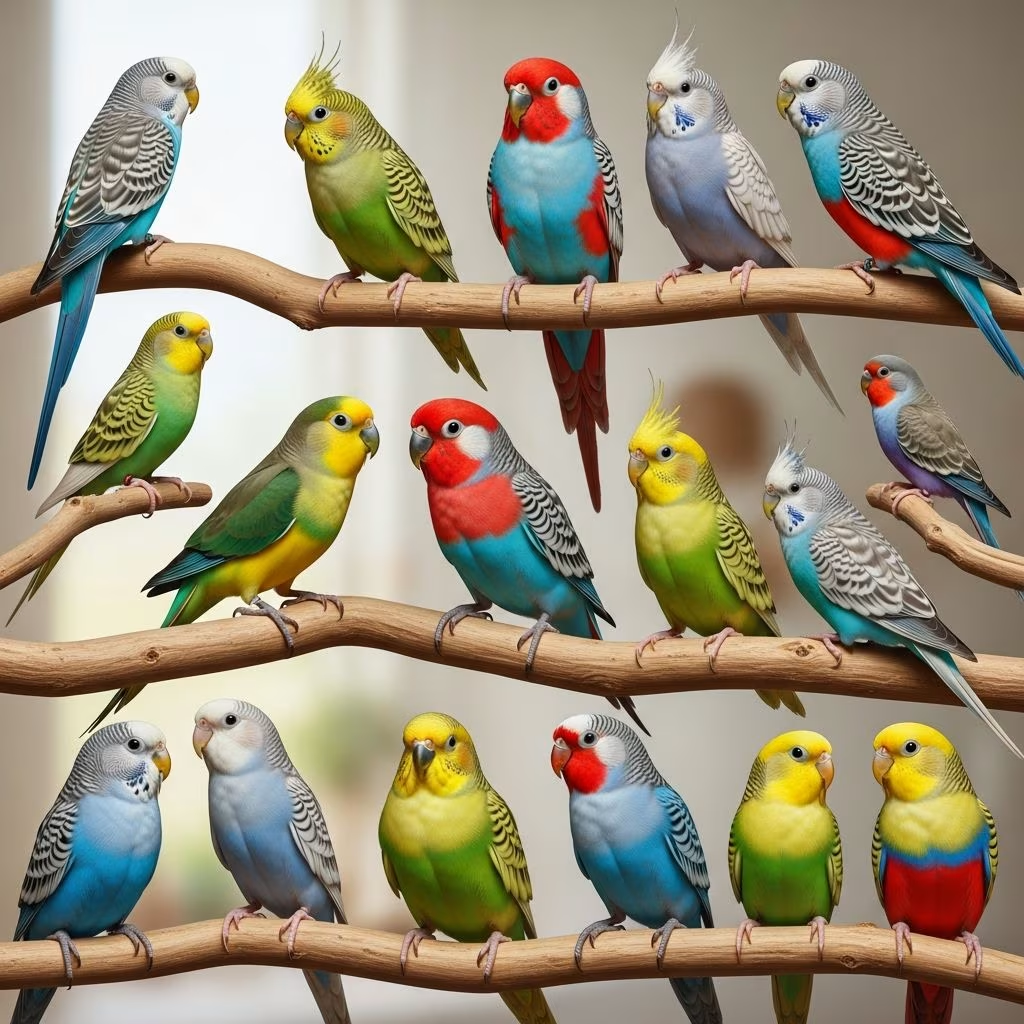
The 13 Best Pet Birds: Parakeets, Cockatiels, and More
From small finches to large Amazon parrots with even larger personalities, birds can make wonderful pets for those willing to provide proper care and attention. However, before getting a new feathered friend, it’s essential to conduct thorough research. Some birds, like parakeets and canaries, are great for beginners, while others, like cockatoos and macaws, are better suited for experienced bird owners with significant time and resources to dedicate to their care.
To provide comprehensive guidance, we consulted with two bona fide bird experts: Dr. Laurie Hess, DVM, DABVP (Avian Practice), owner of Veterinary Center for Birds & Exotics in Bedford Hills, New York, and Long Island Parrot Society’s former president Susan Chamberlain. Their insights help identify the best pet birds and match each species with the right owner type, ensuring successful and fulfilling relationships between birds and their human companions.
Understanding Your Bird Ownership Readiness
Before selecting a pet bird, it’s crucial to assess your lifestyle, living situation, and commitment level. Different bird species have vastly different requirements regarding time, space, noise tolerance, and specialized care. Your living environment, whether an apartment, townhouse, or house, significantly impacts which birds are suitable. Similarly, your experience with pet ownership and willingness to learn bird-specific care techniques will determine whether you should start with beginner-friendly species or venture into more challenging options.
The Top 13 Pet Birds: Expert Recommendations
1. Parakeets
Best For: First-time pet bird parents with time to teach these fun birds tricks and tricks.
Parakeets are chatty but not screechy, making them appropriate for most apartment and townhouse dwellers. These small, intelligent birds are incredibly popular and hold the world record for the largest vocabulary of any bird at 1,728 words. While their tiny voices can make them difficult to hear, their trainability and playful nature make them excellent starter birds. Parakeets thrive on interaction and can learn to mimic sounds and simple words, providing endless entertainment for their owners. They are also relatively low-maintenance compared to larger parrot species, making them ideal for new bird owners.
2. Cockatiels
Best For: New pet owners seeking an interactive, social companion that’s manageable in size.
Cockatiels are among the most popular pet birds in America, and for good reason. They’re just big and smart enough to be fun, interactive, and social, but small enough to be manageable for most households. These cuddly parrots are silky soft thanks to their powder down, which helps keep their feathers waterproof. Prepare to give them at least an hour or two of out-of-cage time daily, plus as much quality attention as possible. The more attentive you are, the stronger and better your bond will be. Male cockatiels tend to be better whistlers and talkers, while females are typically more docile and cuddly but may lay eggs. They can live for 15-20 years with proper care.
3. Canaries
Best For: Busy first-time bird owners who aren’t looking for a talking bird but enjoy beautiful singing.
Smaller in size and relatively quiet, canaries are suitable for apartment dwellers who appreciate passive bird companionship. These gentle-natured birds don’t typically like to be held but provide tremendous enjoyment through their sweet songs and vibrant colors. Canaries are hands-off pets, meaning they don’t require extensive interaction or training. They’re perfect for people who love the chatter and energy birds bring to life without demanding constant attention. Their low noise level and minimal space requirements make them excellent choices for noise-sensitive environments.
4. Conures
Best For: Owners who understand vocal bird behaviors and have space away from close neighbors.
While you don’t need prior bird experience to own a conure, it helps to know what you’re in for: a very vocal companion. Conures can screech loudly, so they’re better for homes without close neighbors. They need plenty of quality time, enriching toys, and one-on-one attention to remain happy and well-adjusted. Green-cheeked conures, a smaller variety, have been described as the perfect pet bird and great family birds. They’re active little parrots who love to play with toys and explore, and they’ll gladly cuddle up on your shoulder when settling down for a nap.
5. African Greys
Best For: Experienced pet bird parents comfortable keeping super-smart parrots mentally stimulated.
African greys are among the most intelligent birds in the world, possessing cognitive abilities comparable to a 4-6 year old child. They’re perfect for experienced bird owners who are patient enough to handle a pet that loves to mimic any sound at top volume. These birds require significant mental stimulation, social interaction, and specialized care. They can live 40-60 years in captivity, making them a lifetime commitment. Their ability to learn and problem-solve makes them incredibly rewarding for dedicated owners, but their demands make them unsuitable for casual bird enthusiasts.
6. Parrotlets
Best For: Newbie pet bird parents with young families.
Parrotlets are a fantastic addition to families with elementary-aged children. Their small size and moderate noise level mean you can keep them in apartments and townhouses without disturbing neighbors. Despite their diminutive stature, they have big personalities and can be affectionate and playful. They require regular interaction and mental stimulation but are less demanding than larger parrot species. Parrotlets are excellent for teaching children responsibility while being forgiving of the learning curve that comes with young pet owners.
7. Pionus Parrots
Best For: First-time bird owners seeking a gentle, less-noisy parrot with couple hours available daily.
Pionus parrots are known for their gentle, easygoing temperament and lower noise levels compared to other parrot species. They can be chatty, so they’re not ideal if you live in an apartment or townhouse with sound-sensitive neighbors. However, for those with appropriate living situations, they make wonderful, affectionate companions. They require a couple of hours of daily interaction and playtime to remain healthy and content. Their calm demeanor and social nature make them excellent middle-ground birds for those seeking something more engaging than canaries but less demanding than African greys.
8. Finches
Best For: First-time bird owners without time for training but who love chatter and energy.
Finches have been kept as pets for many years, with the first domesticated finch likely being the Bengalese or society finch. These hands-off pets don’t require training or extensive interaction but bring tremendous delight through their chirps, songs, varied colors, and active personalities. They’re easy to care for, with lifespans around 10 years. Popular finch varieties include zebra finches with their gray and white plumage and bright orange beaks, society finches known for their gentle natures, and Lady Gouldian finches with eye-popping colors. Finches are perfect for smaller spaces such as apartments and require minimal one-on-one attention while providing constant entertainment.
9. Ring-Necked Doves
Best For: First-time bird owners seeking a quiet, devoted companion with minimal noise.
Ring-necked doves are ideal for those seeking a quiet, devoted companion who can learn a trick or two but will mainly just hang out with you. Their cooing has an almost ASMR quality that many find soothing rather than annoying. These gentle birds bond well with their owners and don’t require the constant stimulation and interaction that larger parrots demand. They’re perfect for quieter households and seniors seeking avian companionship without overwhelming vocal demands. Their calm, peaceful nature provides a meditative presence in the home.
10. Lovebirds
Best For: Owners seeking small, playful birds with moderate care requirements.
Lovebirds are small parrots known for their vibrant colors and playful personalities. These birds can be quite affectionate once tamed and form strong bonds with their owners or with other lovebirds. They require adequate space, toys, and mental stimulation but are less demanding than larger parrot species. Their moderate noise level makes them suitable for most living situations, though they can be territorial and vocal during breeding season. Lovebirds typically live 10-15 years and make colorful, engaging companions for patient owners.
11. Bourke’s Parakeets
Best For: Owners seeking beautiful, sweet birds with low noise levels.
Bourke’s parakeets are beautiful and sweet parrots native to Australia. Bigger than budgies but still small at around 7.5 inches long, they offer the best of both worlds. It’s important to acquire hand-tamed ones as they can be flighty. Their low noise level makes them excellent for apartment living. They require daily feeding, water changes, and cage cleaning but are generally less demanding than other parrot species. Their soft colors and gentle dispositions make them appealing to owners seeking quiet, manageable companions.
12. Cockatoos
Best For: Experienced bird owners home frequently with significant love and attention to give.
Cockatoos don’t like being left alone and need substantial attention or else they might scream and pick at themselves. These large, white parrots are beautiful but demand considerable time and energy. A pellet diet formulated specifically for cockatoos is ideal, supplemented with fresh fruits and vegetables, with seeds as occasional treats. Cockatoos can live 40-60 years, making them a serious lifetime commitment. They’re best suited for experienced bird owners who can provide constant companionship, mental stimulation, and appropriate behavioral management.
13. Macaws
Best For: Executive-level bird owners willing to devote extensive time, energy, and space.
Macaws are among the most impressive birds available as pets, but they’re not for casual bird owners. Due to their noise levels and size, they’re not suitable apartment pets. These magnificent birds require significant space, specialized diet, extensive socialization, and constant mental stimulation. Macaws can live 50 years or more, demanding an exceptional long-term commitment. Their striking appearance and intelligent personalities make them incredibly rewarding for dedicated, experienced owners with the resources to meet their complex needs.
Comparing Bird Species: A Quick Reference
| Species | Size | Noise Level | Social Needs | Best For | Lifespan |
|---|---|---|---|---|---|
| Parakeets | Small | Low-Moderate | High | Beginners | 5-10 years |
| Cockatiels | Small-Medium | Moderate | High | New Owners | 15-20 years |
| Canaries | Small | Low | Low | Busy Owners | 10-15 years |
| Conures | Small-Medium | High | High | Experienced Owners | 20-30 years |
| African Greys | Large | High | Very High | Experienced Owners | 40-60 years |
| Finches | Tiny | Low | Low | Hands-off Owners | 10 years |
| Macaws | Very Large | Very High | Very High | Expert Owners | 50+ years |
Key Considerations for Pet Bird Ownership
Time Commitment
Different bird species require varying amounts of daily interaction and attention. Small finches and canaries are relatively hands-off, while parrots require several hours of daily interaction, training, and enrichment. Consider your schedule and lifestyle when selecting a species.
Living Space and Noise Levels
Apartments and townhouses may have restrictions on noise levels. Large parrots like macaws and cockatoos can be extremely loud, while canaries and finches are relatively quiet. Choose a bird whose natural vocalizations match your living situation and neighbor proximity.
Long-Term Commitment
Many bird species live 20-60 years or longer. This represents a significant lifetime commitment requiring consistent care, veterinary attention, and financial investment. Ensure you’re prepared for this extended responsibility.
Diet and Nutrition
Different species have specific dietary requirements. Larger parrots need species-specific pellets, fresh fruits, and vegetables, while smaller birds like finches and canaries have simpler dietary needs. Research nutritional requirements before bringing a bird home.
Space Requirements
While smaller birds can thrive in modest cages, larger parrots need spacious aviaries or dedicated rooms. Ensure you have adequate space for the bird’s species, including room for toys, perches, and exercise.
Bird Care Essentials
Proper bird care requires attention to several key factors. All birds need daily fresh water and appropriate food for their species. Regular cage cleaning maintains health and prevents disease. Different species require varying amounts of out-of-cage exercise and socialization. Mental enrichment through toys, training, and environmental variation prevents behavioral problems like feather plucking and excessive screaming. Veterinary care from an avian specialist is essential for maintaining bird health, as birds often hide illness until problems become serious.
Frequently Asked Questions
Q: What’s the best pet bird for a beginner?
A: Parakeets, cockatiels, and canaries are excellent beginner birds. Parakeets and cockatiels offer interactive companionship with moderate care requirements, while canaries provide passive companionship with minimal interaction demands.
Q: How much daily attention do pet birds need?
A: This varies by species. Finches and canaries need minimal interaction, while parakeets and cockatiels need 1-2 hours daily. Larger parrots like African greys and cockatoos require 4+ hours of daily attention and stimulation.
Q: Can pet birds live in apartments?
A: Yes, many species are apartment-suitable. Quieter birds like canaries, finches, and ring-necked doves work well. Avoid loud species like macaws, cockatoos, and conures if you have close neighbors.
Q: How long do pet birds typically live?
A: Lifespans vary dramatically. Small birds like finches live 10 years, while parakeets and cockatiels live 10-20 years. Large parrots like African greys, cockatoos, and macaws can live 40-60+ years.
Q: What’s the most affordable pet bird to keep?
A: Finches and canaries are among the most economical, requiring simple housing and basic food. While initial purchase price is important, factor in lifelong food, supplies, and veterinary care when budgeting.
Q: Do all birds talk?
A: No. While parakeets, cockatiels, and some parrots can learn to mimic sounds and words, canaries, finches, and doves primarily sing or coo without talking capabilities.
Q: How do I choose between different bird species?
A: Consider your lifestyle, living situation, time availability, noise tolerance, and long-term commitment. Match these factors to the species’ requirements using the expert recommendations in this guide.
References
- The 13 Best Pet Birds: Parakeets, Cockatiels and More — Chewy Education, 2025. https://www.chewy.com/education/bird/general/the-top-10-best-pet-birds
- Top 5 Small Pet Birds — Chewy Education, 2025. https://www.chewy.com/education/bird/general/top-5-small-pet-birds
- The Best Pet Birds For Kids — Chewy Education, 2025. https://www.chewy.com/education/bird/general/the-best-pet-birds-for-kids
- 8 Signs You Should NOT Get a Pet Bird — PetMD. https://www.petmd.com/bird/slideshows/8-signs-you-should-not-get-pet-bird
- Top 10 Cockatiel Questions Answered — Chewy Education, 2025. https://www.chewy.com/education/bird/cockatiel/top-10-cockatiel-questions-answered



