

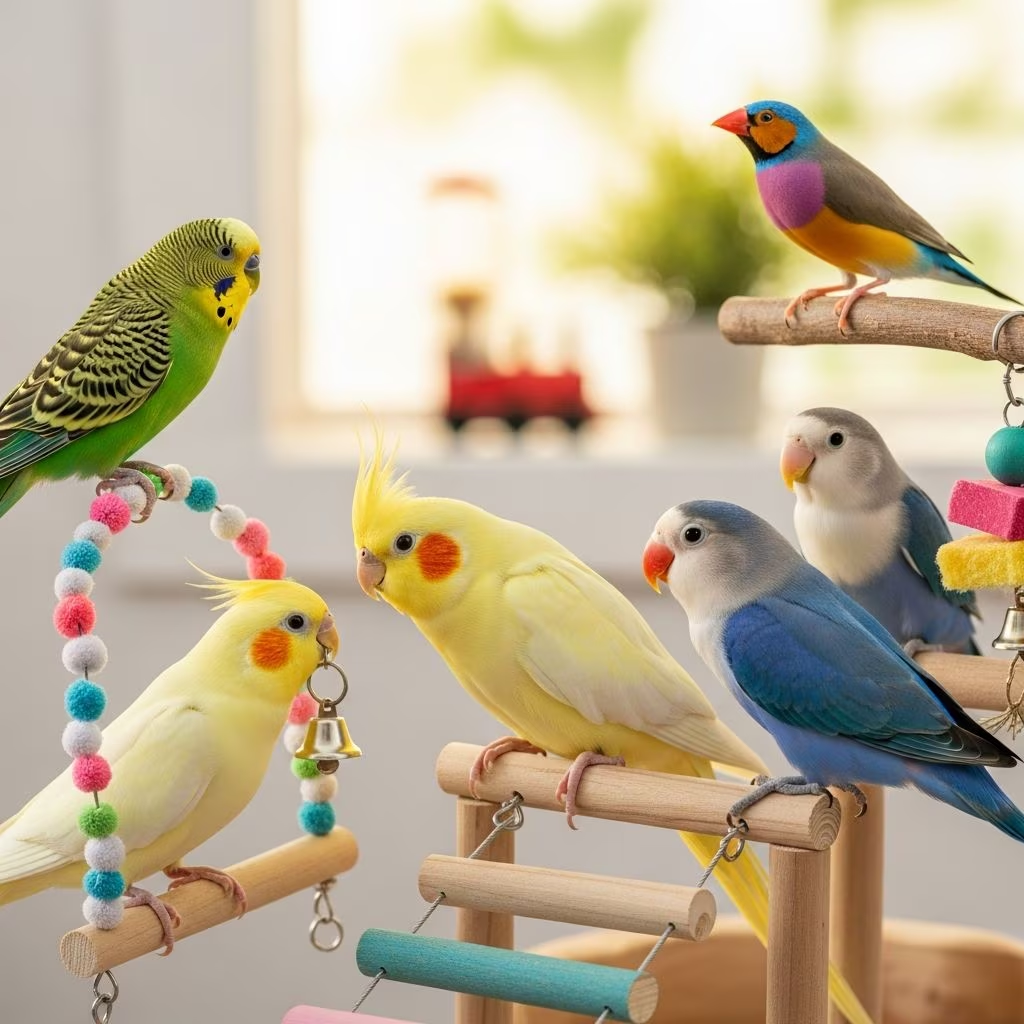
The Best Pet Birds for Kids: A Complete Guide
Choosing a pet bird for your child is an exciting decision that comes with important considerations. Before bringing a feathered friend home, it’s essential to evaluate your family’s lifestyle, your child’s age and maturity level, and the time commitment you can dedicate to bird care. A well-chosen pet bird can teach children responsibility, provide companionship, and create lasting memories. This comprehensive guide explores the best bird species suitable for families, focusing on those with lower noise levels, manageable care requirements, moderate size, and reasonable lifespans.
Canaries: The Singing Songbirds
Canaries are among the most popular pet birds for families with younger children who may not be ready for hands-on interaction. These melodious birds are prized for their beautiful songs and vibrant plumage, making them a delight to observe. Canaries are ideal for children who enjoy watching and listening rather than handling, as they are more independent birds that don’t require constant interaction.
With lifespans ranging from 5 to 10 years, canaries offer a moderate commitment level. They produce moderate noise levels and require basic care including daily food and water changes, along with regular cage cleaning. Their smaller size makes them suitable for bedrooms or smaller living spaces. Canaries thrive best when kept in horizontal cages that allow them to fly and exercise, promoting better physical health and mental stimulation.
Society Finches: Low-Maintenance Companions
Society finches represent an excellent choice for families seeking low-maintenance, peaceful birds. These charming creatures must be kept in pairs, as they are highly social with other finches. They are readily available at most pet stores and produce minimal noise, making them perfect for apartments or homes where quiet is valued.
One of the primary advantages of society finches is their low mess and undemanding care routine. They require daily food and water changes along with cage floor cleaning, but they don’t need one-on-one interaction or specialized handling. These birds can live up to seven years, providing a consistent yet unobtrusive presence in your home. A roomy, horizontal-shaped cage allows them adequate space to fly and exercise, supporting their natural behaviors and well-being.
Budgies: Australia’s Beloved Parakeets
Budgerigars, commonly known as budgies or parakeets, are wonderful small parrots native to Australia that make excellent pets for older children. Their smaller size means their cage can fit comfortably in a child’s bedroom, fostering a sense of personal responsibility and connection. What makes budgies particularly special is their potential to become a child’s best friend through proper taming and consistent interaction.
Younger children require supervision with budgies, as they may accidentally injure these delicate birds if not gentle. Older children, however, can successfully bond with budgies through patient handling and training. These intelligent birds can learn to mimic sounds and words, providing interactive entertainment and educational value. Budgies require a mixed diet of seeds, pellets, and vegetables, along with daily care including food and water changes. With proper care and attention, budgies can become affectionate, engaging companions that help develop a child’s nurturing and responsibility skills.
Bourke’s Parakeet: Quiet Beauty from Australia
Bourke’s parakeets present a wonderful middle ground between smaller finches and larger parrots. These beautiful birds, also native to Australia, measure approximately 7½ inches in length, making them larger than budgies but still manageable in size. They are known for their gentle temperament and calm demeanor, though they can be somewhat flighty if not hand-tamed from a young age.
One significant advantage of Bourke’s parakeets is their low noise level, making them suitable for families concerned about excessive bird sounds. They require daily feeding, water changes, and cage cleaning as part of their routine care. It’s important to acquire a hand-tamed individual to ensure successful bonding and reduce stress-related behaviors. Their quiet nature combined with their beauty and manageable care requirements makes them an excellent choice for families seeking a bird that doesn’t demand constant attention but still offers companionship.
Peach-Faced Lovebirds: Small Birds with Big Personalities
Peach-faced lovebirds are small parrots measuring approximately 6½ inches that bring vibrant energy and personality to any household. These birds come in many different color mutations, offering variety and visual appeal. With a life expectancy of around 20 years, they represent a longer-term commitment than some other small bird species.
Lovebirds are energetic and intelligent birds that can get themselves into trouble if not properly supervised and stimulated. Children caring for lovebirds need to pay careful attention to their pet’s activities and provide adequate mental enrichment through toys, perches, and interaction. These small parrots can learn some tricks and have relatively lower noise levels compared to larger parrot species. Their affectionate nature and social personality make them rewarding companions for children mature enough to respect their need for engagement and supervision. Positive reinforcement training can help develop their abilities and strengthen the bond between child and bird.
Cockatiels: The Iconic Pet Parrot
Cockatiels are iconic pet birds that make excellent companions for slightly older children and families. These distinctive birds, recognized by their prominent head crests, measure approximately 13 inches in length, with much of that being their elegant tail feathers. Cockatiels can talk, whistle, and even perform tricks, providing engaging, interactive entertainment.
There are notable differences between male and female cockatiels. Females tend to be more docile and cuddly, though they may lay eggs without a mate. Males are typically more vocal. Regardless of sex, cockatiels require significant care commitment including a roomy cage, plenty of toys, and multiple perches to maintain their physical and mental health.
Cockatiels are very similar to household pets like dogs or cats in terms of their social and emotional needs. They require regular attention, special care, and time outside the cage for proper socialization and exercise. Cockatiels love to interact with people and are a delight for older children to work with. Their care requirements help develop character and responsibility in young people, teaching them that pet ownership involves genuine commitment and dedication. With proper care, cockatiels become beloved family members that provide years of companionship and joy.
Pacific Parrotlets: Tiny Powerhouses
Pacific parrotlets are spunky small parrots measuring only about 5 inches in length, making them among the tiniest parrot species suitable for family homes. Despite their small size, these birds possess big personalities and fearless attitudes that require attentive and responsible ownership. They are best suited for older children who can understand and respect the bird’s spirited nature.
These small parrots require daily feeding, water changing, cage cleaning, along with good one-on-one interaction time. They need lots of space in their cage relative to their body size, including a play gym and numerous toys and perches for mental stimulation and physical exercise. Parrotlets can be aggressive and curious, traits that necessitate careful supervision and handling. They also have hearty appetites and love to eat throughout the day. While parrotlets are a bit more expensive and harder to find than some other pet bird species, their engaging personalities and relatively long lifespan of up to 20 years make them worthwhile companions for dedicated young bird enthusiasts.
Goldie’s Lorikeet: The Curious Chatterer
Goldie’s lorikeets are small lory species measuring approximately 7½ inches that offer a unique option for families seeking something different from typical pet birds. These charming birds possess a calm demeanor and are less high-maintenance than other lory species, making them more accessible for family situations. They are curious and chatty, providing engaging interaction while maintaining a lower noise level than larger parrot species.
A unique aspect of Goldie’s lorikeets is their dietary requirement for nectar, which potential owners should research thoroughly before bringing one home. This specialized diet, combined with their need for spacious cages with several perches, requires more thoughtful preparation than some other bird species. With a life expectancy of around 7 years, Goldie’s lorikeets represent a moderate commitment. While they are a bit more costly and challenging to find than mainstream pet birds, their calm personality and interactive nature appeal to families seeking a distinctive avian companion.
Factors to Consider When Choosing a Pet Bird
Selecting the right pet bird requires careful evaluation of several important factors. Your family’s lifestyle, living situation, and available time significantly impact which species would thrive in your home. Consider whether you have space for a large cage and play gym, whether noise levels are a concern, and how much direct interaction and handling you can provide.
Your child’s age and maturity level is crucial. Younger children benefit from birds that don’t require hands-on interaction, such as canaries or finches, while older children can handle the responsibility of more interactive species like budgies and cockatiels. Think about your family’s long-term plans, as some birds, particularly lovebirds and larger parrots, can live 20 years or more, requiring a genuine commitment spanning your child’s development into adulthood.
Essential Bird Care Requirements
All pet birds require consistent, daily care regardless of species. Fresh food and water must be provided every single day, with water changed multiple times daily for optimal hygiene. Cage cleaning schedules vary by bird size and species but generally include daily spot cleaning and weekly deep cleaning. Providing appropriate toys, perches, and enrichment activities prevents boredom and behavioral problems.
Birds require proper nutrition tailored to their species. Many birds thrive on a combination of high-quality pellets, fresh vegetables, and seeds. Some species, like Goldie’s lorikeets, have specialized dietary needs that require extra attention and research. Regular veterinary checkups from an avian veterinarian ensure your bird remains healthy and helps catch potential problems early.
Training and Bonding with Your Pet Bird
Successful bird ownership involves developing a strong bond with your feathered companion. Many bird species can learn to talk, whistle, or perform tricks through patient, consistent training. Encourage your children to use positive reinforcement techniques, offering treats and praise when the bird exhibits desired behaviors. This approach not only trains the bird but also teaches children about animal behavior and kindness.
Handling and socialization should begin early, particularly for species like budgies and cockatiels. Regular, gentle interaction helps the bird become comfortable with human contact and reduces stress-related behaviors. Creating a routine gives birds security and helps them understand expectations for daily interaction and care.
Comparison of Popular Pet Birds for Kids
| Bird Species | Size | Lifespan | Interaction Level | Noise Level | Best Age Group |
|---|---|---|---|---|---|
| Canaries | Small | 5-10 years | Low | Moderate | Younger children |
| Society Finches | Very Small | Up to 7 years | Very Low | Low | All ages |
| Budgies | Small | 5-10 years | High | Moderate | Older children |
| Bourke’s Parakeet | Small-Medium | 10-15 years | Moderate | Low | Older children |
| Peach-Faced Lovebirds | Small | 20 years | High | Moderate | Older children |
| Cockatiels | Medium | 10-20 years | Very High | Moderate-High | Older children |
| Pacific Parrotlets | Very Small | Up to 20 years | High | Moderate | Older children |
| Goldie’s Lorikeet | Small | 7 years | Moderate-High | Low-Moderate | Older children |
Frequently Asked Questions (FAQs)
Q: What is the best pet bird for a young child?
A: Canaries and society finches are ideal for younger children because they don’t require hands-on interaction and provide entertainment through their songs and appearance. These birds are suitable for watching and listening rather than handling.
Q: Can budgies and cockatiels learn to talk?
A: Yes, both budgies and cockatiels can learn to talk. They can mimic words and sounds through consistent training with positive reinforcement. Male birds often have better success with speech, though both males and females can develop vocabularies.
Q: How much time do pet birds require daily?
A: All birds need daily care including fresh food and water. Interactive species like cockatiels and budgies require 1-2 hours of interaction and out-of-cage time. Non-interactive species like finches need only basic cage cleaning and feeding.
Q: Are pet birds suitable for apartments?
A: Yes, quieter birds like society finches, Bourke’s parakeets, and Goldie’s lorikeets are apartment-friendly. Avoid larger parrots and males cockatiels if noise is a concern, as they produce higher noise levels.
Q: How long do pet birds live?
A: Lifespan varies by species, ranging from 5-7 years for canaries and finches to 20+ years for lovebirds and some parrots. Larger parrot species can live 30+ years, making them very long-term commitments.
Q: What special care do lovebirds require?
A: Lovebirds need daily care, consistent interaction, adequate toys and enrichment, and careful supervision due to their energetic and curious nature. They can be territorial, especially during breeding season, so children must learn appropriate boundaries.
Q: Do all pet birds need to be kept in pairs?
A: No. Society finches must be kept in pairs, but most other small parrot species can be kept individually. Individual birds often bond more closely with their human caregivers when kept alone.
Q: What safety precautions should I take with pet birds?
A: Ensure proper supervision between young children and birds, provide appropriate-sized cages to prevent injury, avoid toxic foods and materials, and never leave birds unattended outside their cage. Teach children gentle handling techniques and respect for the bird’s boundaries.
References
- The Best Pet Birds for Kids — Chewy Education. 2025. https://www.chewy.com/education/bird/general/the-best-pet-birds-for-kids
- Selecting The Right Pet Bird For Kids — Grove City Agway. 2025. https://grovecityagway.com/blogs/news/selecting-the-right-pet-bird-for-kids
- Easiest & Friendliest Birds to Keep as Pets: Guide for Beginners — The Pet Hospital. 2023-01-15. https://www.thepethospitalsms.com/site/blog/2023/01/15/easiest-friendliest-birds
- Best Birds for Pets: A Complete Guide for Bird Lovers — Kwik Pets. 2025. https://www.kwikpets.com/blogs/bird/best-birds-for-pets



