Best Parrot Diet and Toxic Foods to Avoid
Complete guide to feeding parrots: nutritional requirements and foods to avoid.
The Best Parrot Diet and Toxic Foods to Avoid
Providing your parrot with proper nutrition is one of the most important aspects of responsible pet ownership. A well-balanced diet directly impacts your bird’s longevity, health, immune function, and overall quality of life. Understanding what constitutes a healthy parrot diet and which foods pose serious health risks can mean the difference between a thriving companion and one struggling with preventable diseases. This comprehensive guide covers everything you need to know about feeding your parrot properly.
Understanding the Foundation of a Healthy Parrot Diet
Contrary to popular belief, most parrots should not be fed seed mixes as their primary food source. While many people assume parrots thrive on seeds and nuts because of their association with tropical birds, this misconception has led to numerous nutritional deficiencies and health problems in captive birds. The ideal parrot diet consists of a combination of high-quality pellets and fresh foods, carefully balanced to meet your specific bird’s nutritional requirements.
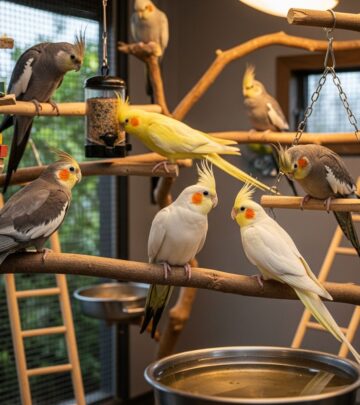
Small bird species such as budgerigars and cockatiels can tolerate a mixture of high-quality seed and pellets due to their naturally high metabolism and energy expenditure. However, larger species including Amazons, African grey parrots, macaws, and cockatoos cannot thrive on seed-based diets alone. Unhealthy seed mixes often contribute to serious health conditions in these larger birds, including excessive weight gain and liver disease. Understanding your species’ specific dietary needs is crucial for long-term health management.
Pellet Diets for Parrots
Board-certified avian veterinarians who specialize in avian nutrition currently recommend that pellets should comprise 50-70% of a parrot’s daily diet. Pellets are nutritionally formulated to provide balanced vitamins, minerals, and other essential nutrients that may be difficult to obtain from fresh foods alone. When selecting pellets for your parrot, choose high-quality products that do not contain artificial additives such as sugar, dyes, or unnecessary colorants.
The importance of selecting pellets without additives cannot be overstated. Artificial ingredients can accumulate in your bird’s body over time, causing cumulative toxic effects that may lead to chronic diseases and potentially shortened lifespans. Look for pellets that list whole grains, legumes, and natural ingredients as their primary components. High-quality pelleted diets should contain vitamin A at appropriate levels of 5,000–8,000 IU/kg of feed, with higher amounts avoided to prevent toxicity.
When introducing new pellets to your bird’s diet, do so gradually over several weeks to allow the digestive system to adjust. Some parrots may initially resist pellets if they have been accustomed to seed-based diets, but patience and consistent offering will typically result in acceptance over time.
Fresh Foods: Vegetables, Fruits, and Proteins
While pellets form the foundation of a healthy parrot diet, fresh foods provide essential variety, enrichment, and additional nutrients. The remaining 30-50% of your parrot’s diet should consist of vegetables, fruits, grains, and proteins offered in appropriate proportions.
Vegetables and Greens
Vegetables should comprise a substantial portion of your parrot’s fresh food intake. Focus on offering orange, yellow, and red vegetables along with dark leafy greens, as these are highest in vitamin A—a crucial nutrient for maintaining healthy skin, feathers, kidneys, and immune system function. Vegetables should account for approximately 20-40% of your bird’s daily diet, depending on species-specific requirements.
Recommended vegetables include:
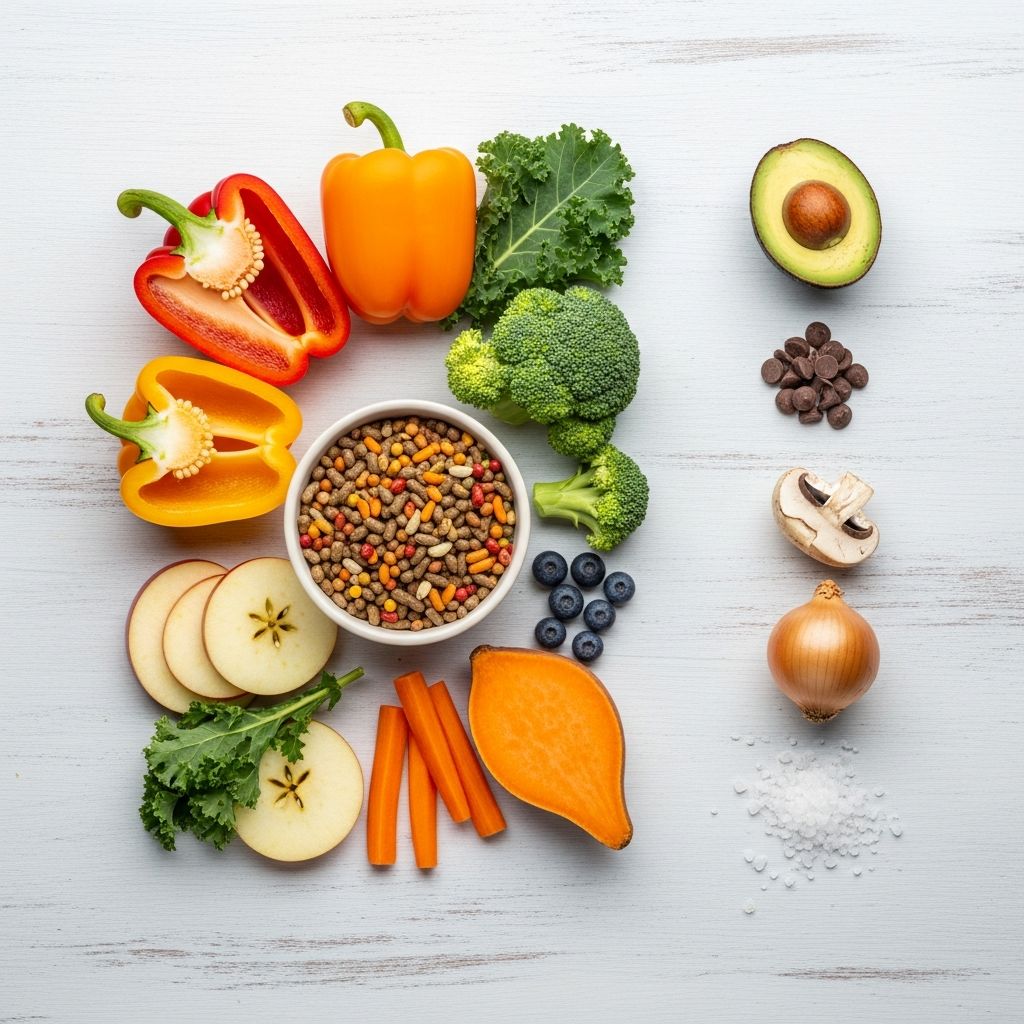
– Carrots- Sweet potatoes- Red and hot peppers- Dark leafy greens (kale, dandelion greens, chard)- Collard greens- Mustard greens- Turnip greens- Peas- String beans- Corn- Okra- Broccoli- Cauliflower- Pumpkin- Zucchini- Cucumber- Fennel- Watercress
Avoid pale, watery vegetables such as iceberg lettuce and celery, as these provide minimal nutritional value and should not be offered regularly.
Fruits: Benefits and Limitations
Many people envision wild parrots consuming diets consisting entirely of fruits and nuts, but researchers have discovered that this assumption is largely inaccurate for most parrot species. Fruits, seeds, and nuts combined should comprise no more than 10-20% of a healthy parrot’s diet. Several important factors explain this recommendation.
Wild parrots expend considerably more energy than captive birds through constant foraging, flying long distances, and navigating their natural environments. This higher energy expenditure requires the extra sugars and fats found in nuts and fruits. Additionally, fruits growing wild contain significantly less sugar and substantially more fiber than fruits cultivated for human consumption. The concentrated sugars in store-bought fruits can contribute to obesity, liver disease, and other metabolic disorders in captive birds.
When offering fruits, focus on those providing high levels of antioxidants and vitamin A rather than simply the sweetest options. Recommended fruits include:
– Figs- Kiwi- Pomegranate- Ripe persimmons (in small amounts; unripe ones can irritate the digestive tract)- Mango- Lychee- Cactus fruit- Passion fruit- Berries
Grains and Proteins
Beans, chickpeas, and lentils provide excellent sources of protein and should be offered cooked. These legumes work well mixed with cooked grains such as wheat, spelt, quinoa, or millet. Both cooked beans and grains can be frozen in daily portions for convenient serving. For added nutritional benefit, beans and seeds can also be sprouted, parboiled, and served once cooled, as sprouted foods offer significantly higher nutrient density than their unsprouted counterparts.
Species-Specific Dietary Requirements
While the guidelines above apply to most commonly kept parrot species, certain species have unique nutritional needs that require specialized attention.
Lories and Lorikeets
Lories and lorikeets possess unique dietary requirements that differ substantially from other parrot species. These birds should primarily eat fruits, vegetables, pollen, and nectar-based foods rather than pellets designed for granivorous species. Their specialized wild diet and digestive adaptations require tailored feeding approaches to maintain optimal health.
Macaws and Large Parrots
Larger parrot species including macaws require careful monitoring to prevent obesity and nutritional deficiencies. Macaws often display a preference for high-fat nuts, which can lead to excessive weight gain if not carefully controlled. A balanced diet that includes appropriate proportions of vegetables and limits high-fat seeds helps prevent these health complications.
African Grey Parrots
African grey parrots require higher protein levels (10-15%) compared to smaller species and are prone to vitamin A deficiencies and obesity. These intelligent birds benefit from enriched feeding protocols that provide mental stimulation through varied food presentations and species-appropriate nutrition.
Toxic Foods and Substances to Avoid
Certain foods and substances pose serious health risks to parrots and should never be offered. Being aware of these dangerous items protects your bird from potentially fatal poisoning.
Immediately Dangerous Foods
The following foods are toxic to parrots and should be strictly avoided:
– Avocado: Contains persin, a toxin that can cause heart damage, respiratory difficulty, and death- Onions and garlic: Contain compounds that damage red blood cells and cause hemolytic anemia- Apple seeds: Contain cyanogenic compounds that release cyanide when digested- Chocolate: Contains theobromine and caffeine, which are toxic to birds- Salt: Can cause hypernatremia and kidney damage- Caffeine: Found in coffee, tea, and energy drinks; causes cardiac arrhythmias- Alcohol: Causes intoxication, respiratory depression, and organ damage- Fatty foods: Contribute to obesity, liver disease, and metabolic disorders- Artificial sweeteners (xylitol): Cause rapid insulin release and severe hypoglycemia
Foods Requiring Caution
Some foods can be offered occasionally but should not comprise a regular part of the diet:
– High-sugar fruits (should be limited to occasional offerings)- High-sodium foods- Ripe vs. unripe produce (some fruits irritate the digestive tract when unripe)- Heavily processed foods with additives
Feeding Practices and Schedules
Beyond what you feed your parrot, how and when you offer food significantly impacts nutritional intake and behavioral health. Best practices recommend offering two meals daily for a finite period (1-2 hours each)—one in the early morning and one in the late afternoon. This feeding schedule encourages healthy consumption habits and allows for removal of uneaten fresh foods before spoilage.
Even a well-formulated diet can become detrimental if excessive quantities are offered. Portion control is essential for preventing obesity and maintaining appropriate body condition. Remove fresh foods after 2-4 hours if not consumed to prevent bacterial growth and foodborne illness.
Vitamin and Mineral Supplementation
For all parrots, vitamin and mineral supplements are available and can be useful in moderation. However, nothing can replace a varied, well-balanced diet as the foundation of your bird’s nutrition. Supplements should only be used when recommended by an avian veterinarian for addressing specific deficiencies. Over-supplementation can be as problematic as under-supplementation, potentially causing toxicity from fat-soluble vitamins like A and D.
The primary nutritional concerns in modern parrot diets involve an overabundance of fat and an underabundance of vitamins A, D3, and calcium. Ensuring your pellets contain appropriate levels of these nutrients while providing diverse fresh foods helps prevent these common deficiencies.
Water and Hydration
Fresh, clean water should be available to your parrot at all times. Water bowls should be changed daily and cleaned thoroughly to prevent bacterial contamination. Some parrots enjoy water for bathing as well, which helps maintain healthy feather condition.
Transitioning to a Healthy Diet
If your parrot has been consuming primarily seeds or an unbalanced diet, transitioning to a healthier feeding plan should be done gradually. Abrupt dietary changes can stress your bird and cause digestive upset. Over several weeks, slowly increase the proportion of pellets and fresh foods while decreasing less nutritious options. Offer new foods consistently alongside familiar favorites until acceptance is established.
Frequently Asked Questions
Q: Can my parrot eat bread?
A: Plain, unsalted whole grain bread in small amounts is acceptable as an occasional treat, but it should not constitute a significant portion of your bird’s diet due to its low nutritional value and potential sodium content.
Q: How often should I feed my parrot fresh foods?
A: Fresh vegetables should be offered daily as part of your parrot’s regular diet. Fruits should be offered several times weekly in appropriate portions, while nuts and seeds should comprise only 5-10% of daily intake.
Q: Is it safe to feed my parrot organic produce?
A: Yes, organic produce can be an excellent choice as it typically contains fewer pesticide residues. Always wash produce thoroughly under running water before offering it to your parrot, regardless of whether it is conventionally or organically grown.
Q: What should I do if my parrot ingests a toxic food?
A: Contact an avian veterinarian or animal poison control center immediately. Do not wait to see if symptoms develop, as early intervention is critical for survival in cases of serious toxin ingestion. Have information about the food and quantity available when you call.
Q: Can I feed my parrot table scraps?
A: As a general rule, any wholesome, nutritious food that you and your family eat can be offered to your bird in small quantities, provided it does not contain salt, sugar, or other additives. Avoid table scraps that are heavily seasoned, fried, or contain toxic ingredients.
Q: How do I know if my parrot is receiving adequate nutrition?
A: A well-nourished parrot displays bright, clear eyes, smooth feathering, appropriate body weight, alertness, and active behavior. Annual avian veterinary examinations with bloodwork help identify nutritional deficiencies before symptoms become apparent.
Q: Should I supplement my parrot’s diet with vitamins?
A: A varied, balanced diet typically provides all necessary vitamins and minerals. Supplements should only be used under veterinary guidance to address specific deficiencies. Oversupplementing, particularly with fat-soluble vitamins, can cause toxicity.
Q: Can parrots eat nuts every day?
A: While nuts are nutritious, they are high in fat and should comprise only 5-10% of your parrot’s diet. Daily high-fat nut consumption contributes to obesity and liver disease. Reserve nuts as occasional treats or special enrichment offerings.
References
- Diet & Nutrition — Psittacine Welfare Institute. 2022. https://psittacine.org/wp-content/uploads/Diet-Nutrition.pdf
- Parrot Nutrition Guide — World Parrot Trust. 2024. https://parrots.org/wp-content/uploads/2024/02/WPT-Parrot-Nutrition-Guide.pdf
- Nutrition in Psittacines – Management and Nutrition — Merck Veterinary Manual. https://www.merckvetmanual.com/management-and-nutrition/nutrition-exotic-and-zoo-animals/nutrition-in-psittacines
- Feeding Meyer’s Parrots – Fruits and Vegetables — VCA Animal Hospitals. https://vcahospitals.com/know-your-pet/meyers-parrots—feeding
- Healthy Avian Diets – Basic Feeding Guidelines — North Paws Animal Hospital. https://www.northpawsanimalhospital.com/storage/app/media/Avian_Husbandry/healthy-avian-diets-basic-feeding-guidelines.pdf
Similar Articles






Read full bio of medha deb